Leave Your Message
Deploying state-of-the-art vision and inspection systems customized for Indian manufacturing plants to maximize yield and eliminate defect rates.
As India aggressively positions itself as a global manufacturing hub under the "Make in India" initiative, local factories are undergoing an unprecedented technological transition. From flexible packaging hubs in Gujarat and Maharashtra to massive lithium-ion battery gigafactories in Tamil Nadu and Karnataka, the demand for precision, speed, and zero-defect production has never been higher. Manual quality control is no longer viable on high-speed production lines running at hundreds of meters per minute.
This is where advanced Web Quality Control (WQC) systems become critical. Whether dealing with paper, plastic films, copper foils, solar films, or textiles, a continuous web of material requires real-time monitoring. Automated inspection systems identify surface defects such as pinholes, scratches, coating skips, and color variations instantly, allowing Indian manufacturers to meet stringent international quality standards, minimize material waste, and optimize their production efficiency.
Indian production floors often contend with environmental variables such as high ambient temperatures, humidity, dust, and voltage fluctuations. Our web inspection systems are designed with rugged, industrial-grade hardware and cooling configurations optimized to run 24/7 in harsh environments. By integrating AI-driven defect classification, local operators can easily distinguish between harmless dust particles and critical functional defects, reducing false alarm rates and maintaining smooth workflows.
In the full-process quality control solution for coil materials, Chongqing ARISE relies on its self-developed core algorithms and industrial-grade hardware platform to create a full range of intelligent inspection product matrix covering "surface defect detection, online thickness management, printing quality traceability, and coating process monitoring". It provides customers with closed-loop quality control capabilities from the production front end to the back end.
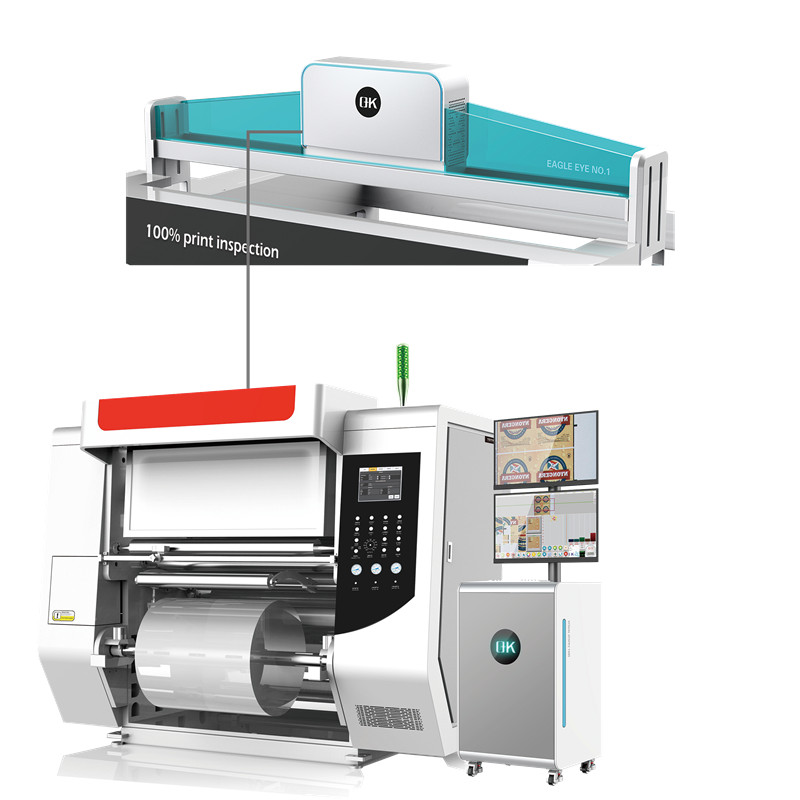
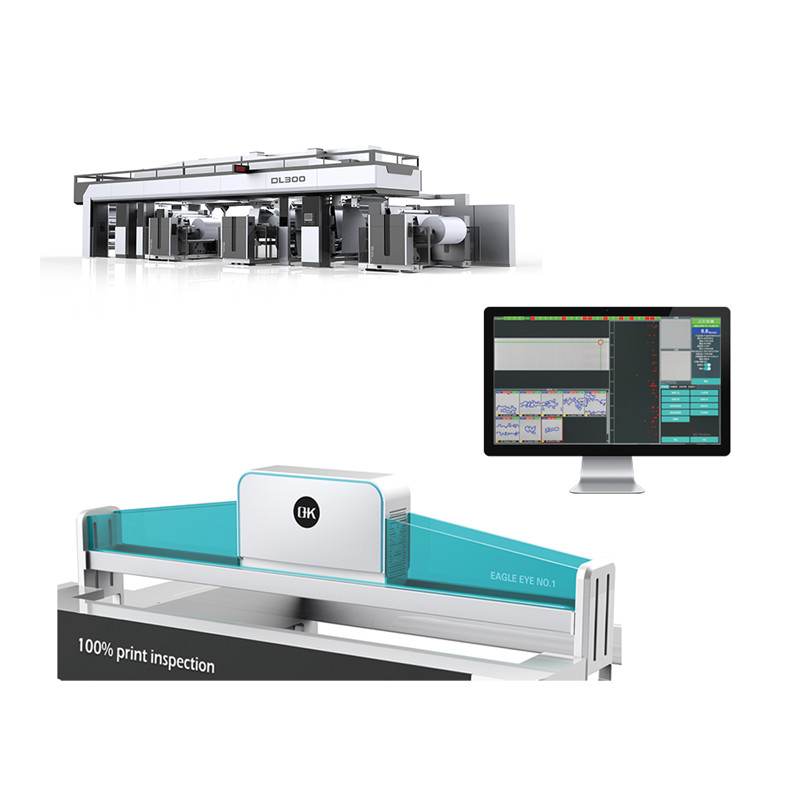
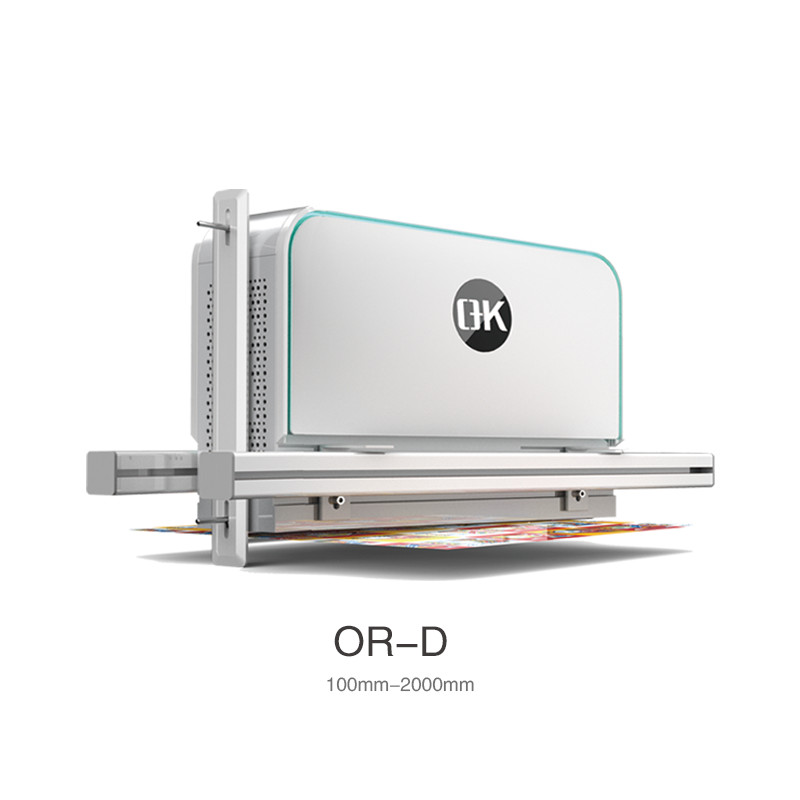
Utilizing high-resolution industrial cameras and AI algorithms, it achieves 100% full inspection of coil material surfaces, accurately identifying various defects such as scratches, stains, holes, color differences, and registration deviations. It is widely applicable to industries including printing, lithium battery, photovoltaics, and packaging, rapidly reducing defect rates and improving product quality stability.
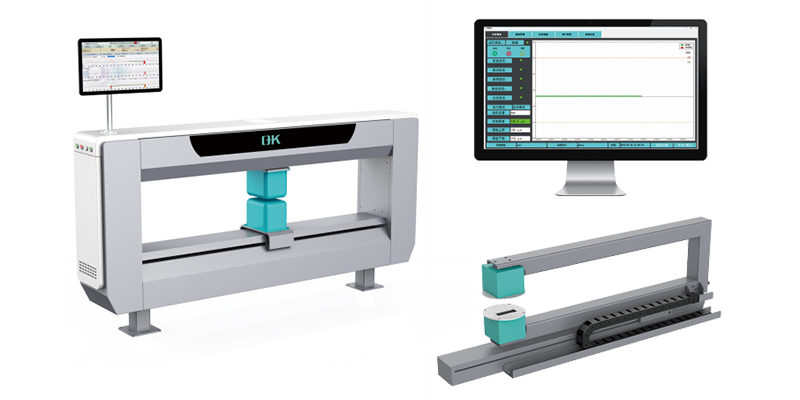
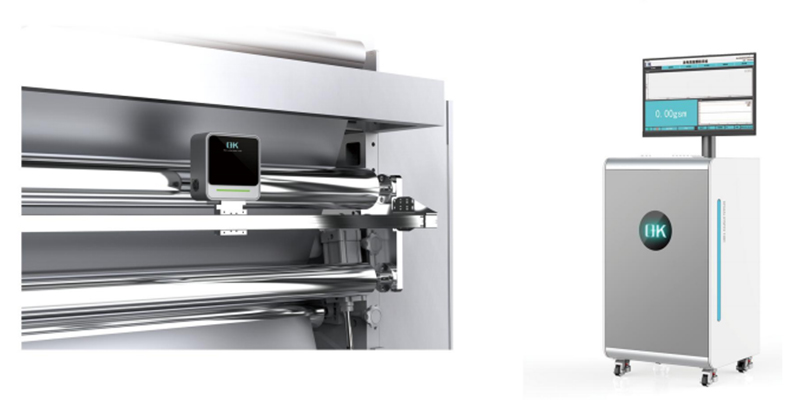
Designed specifically for battery electrode coating and composite materials, the O+K X-ray Online system delivers high-speed, non-contact thickness measurement and density analysis. With micron-level accuracy, it ensures uniform coating layers across the entire web, preventing electrode failures and optimizing raw material usage in EV battery production lines across India.
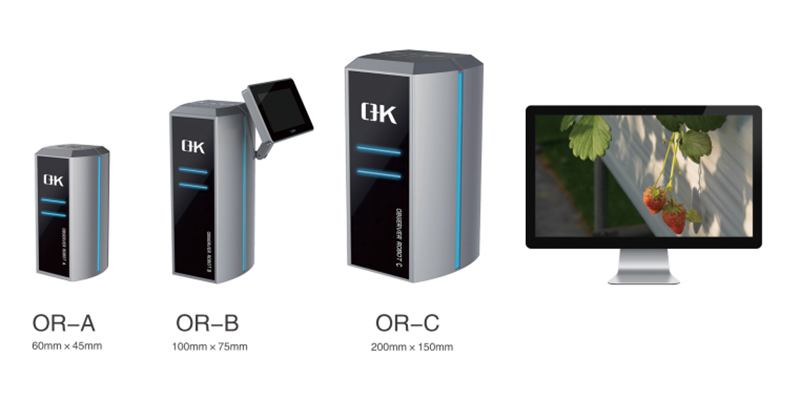
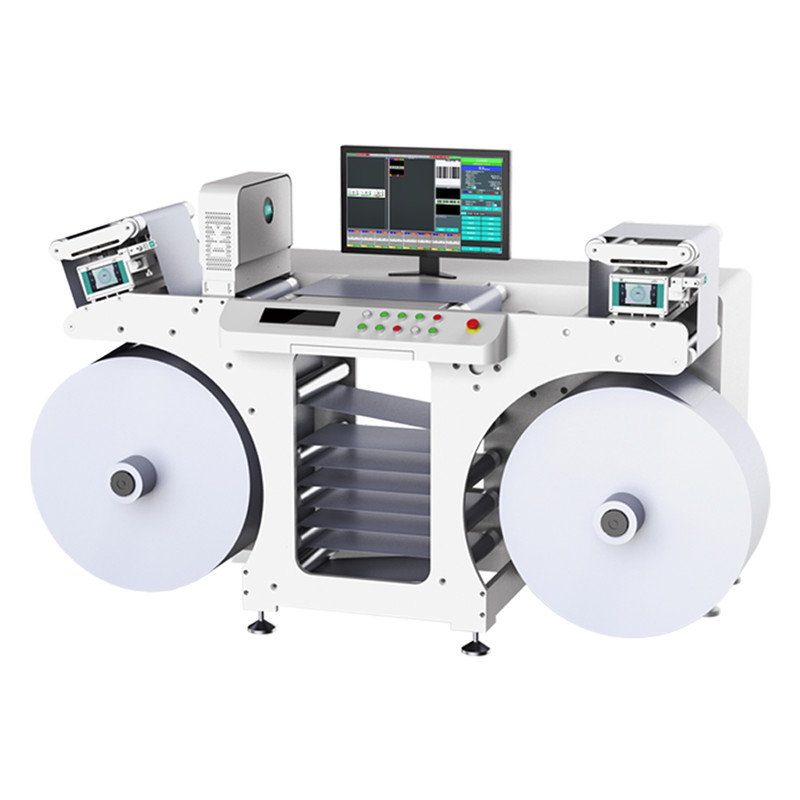
Capture ultra-crisp, high-magnification snapshots of printing patterns and web surfaces at maximum operational speeds. The Still Image System enables operators to inspect registration marks, fine text, and complex graphics in real time, preventing massive print runs of defective packaging and ensuring brand consistency for consumer goods.
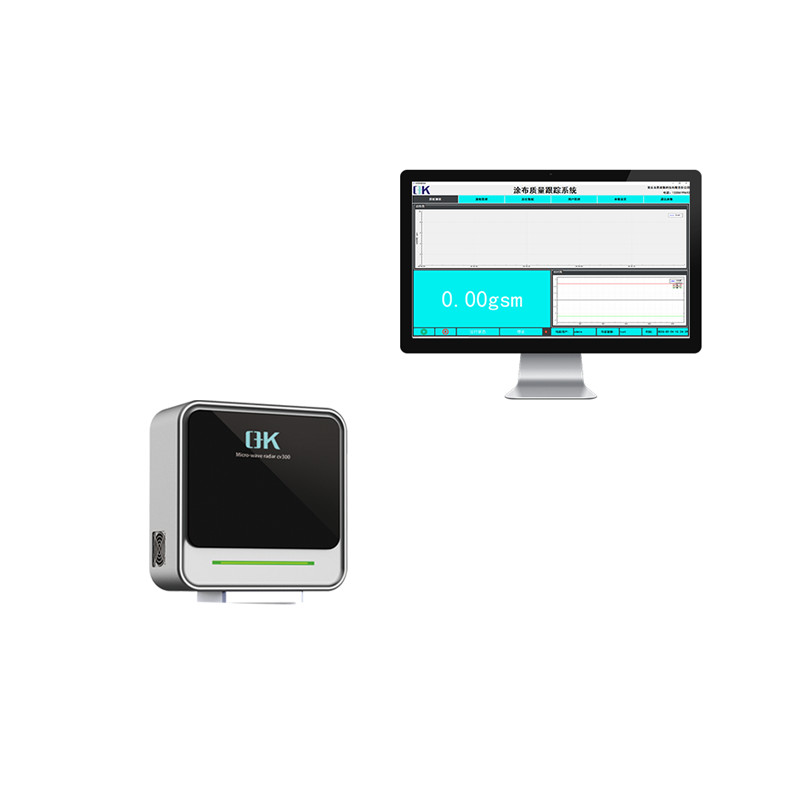
Integrating CV300 Micron Radar and advanced visual inspection, the CTS 3.0 Dual Detection system offers comprehensive quality tracking. It maps the thickness and surface defects of wet/dry coatings simultaneously. Ideal for high-end optical films, copper/aluminum foils, and solar PV backsheets, it provides closed-loop feedback to control coating heads automatically.
Our web quality control technology is engineered to fit seamlessly into diverse manufacturing setups across India's key industrial hubs.
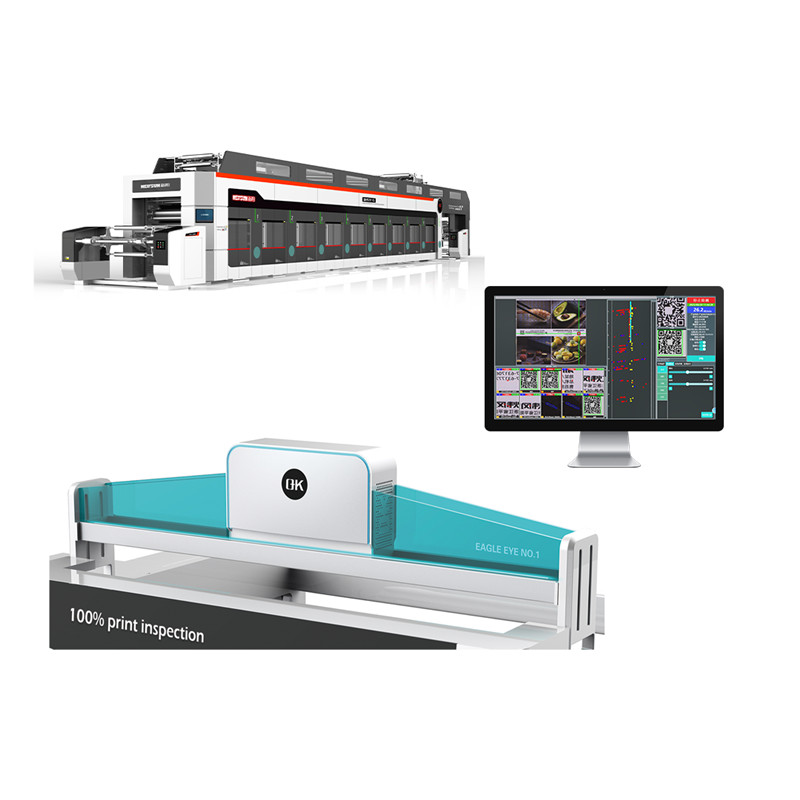
In major hubs like Noida, Ahmedabad, and Morbi, rotogravure and flexographic printing presses run at speeds up to 400m/min. The OK-6000 Online Quality Inspection System detects print defects, color deviations, and registration errors instantly, preventing waste in food packaging and pharmaceutical foil production.
With India's PLI scheme for Advanced Chemistry Cells (ACC), gigafactories in Pune and Bengaluru require absolute precision. The CTS 3.0 Dual Detection system tracks the quality of anode and cathode coatings on copper and aluminum foils, detecting micron-level defects like bubbles, scratches, and pinholes.
As Rajasthan and Andhra Pradesh lead India's solar energy expansion, PV module manufacturers rely on our inline monitoring systems. We ensure that EVA/POE encapsulant films and backsheets have uniform thickness and are free of contamination, maintaining the long-term outdoor durability of solar panels.
The global Web Quality Control sector is rapidly shifting from simple threshold-based camera detection to complex deep-learning AI models. Modern factories in India are adopting Industry 4.0 standards, requiring inspection systems that do not just flag defects, but also predict machine wear, analyze root causes, and integrate with ERP/MES systems for end-to-end traceability.
Our solutions feature edge-computing AI processors and advanced line-scan cameras (up to 8K resolution) that capture high-frequency data without lag. By creating a digital twin of the continuous web, manufacturers can trace the exact location of defects across subsequent slitting and rewinding processes, ensuring that only certified flawless material reaches the end-users.
To compete in European and North American markets, Indian exporters must guarantee zero defects. Implementing Chongqing ARISE's web quality control systems allows local enterprises to issue certified quality reports for every roll of material shipped. This level of transparency builds trust with multinational brands, reduces returns, and elevates the reputation of Indian manufacturing on the global stage.
Take a look inside our high-tech assembly lines, calibration labs, and quality assurance divisions where every web inspection system is built to perfection.
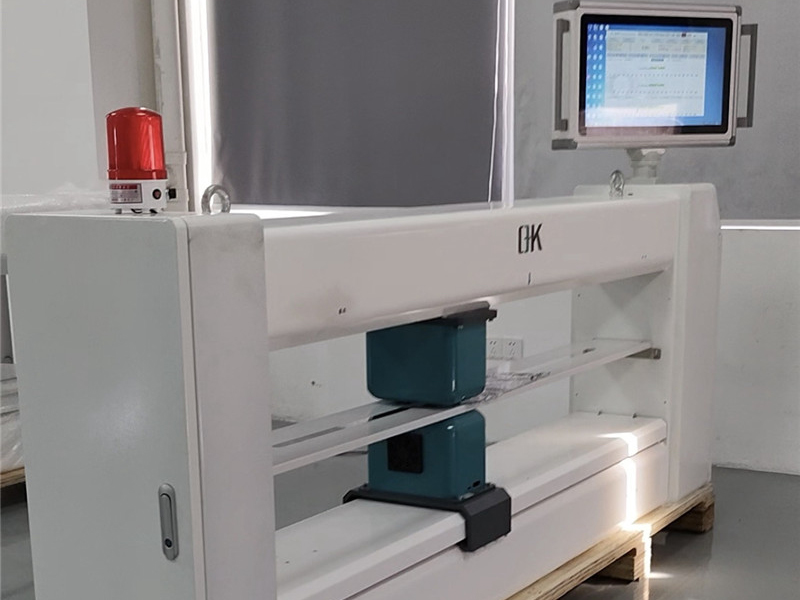
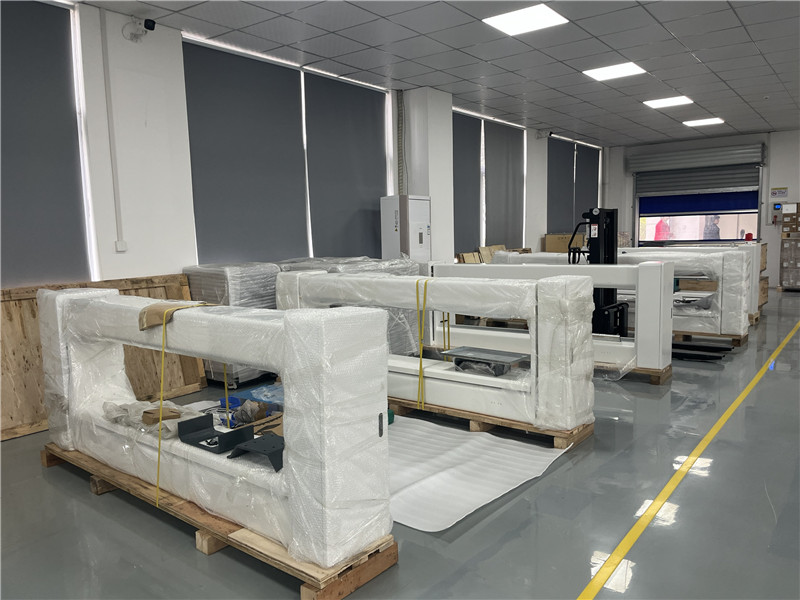
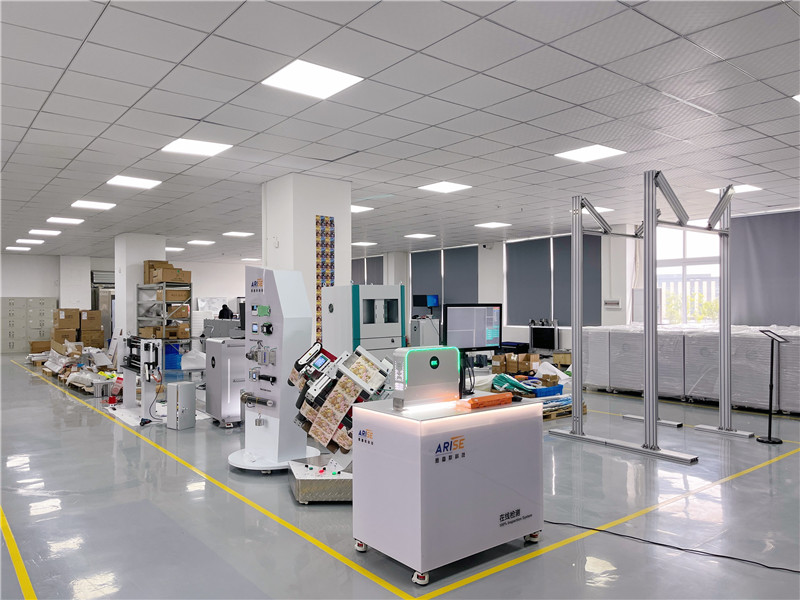
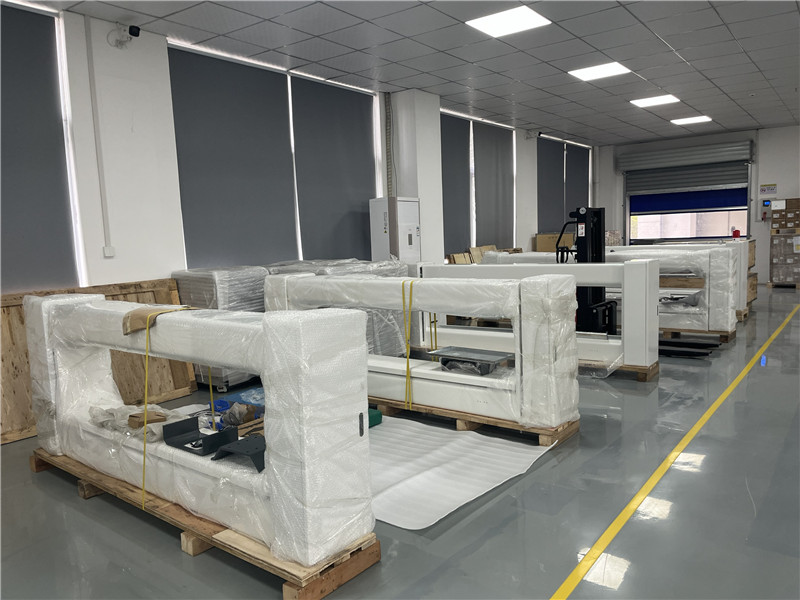
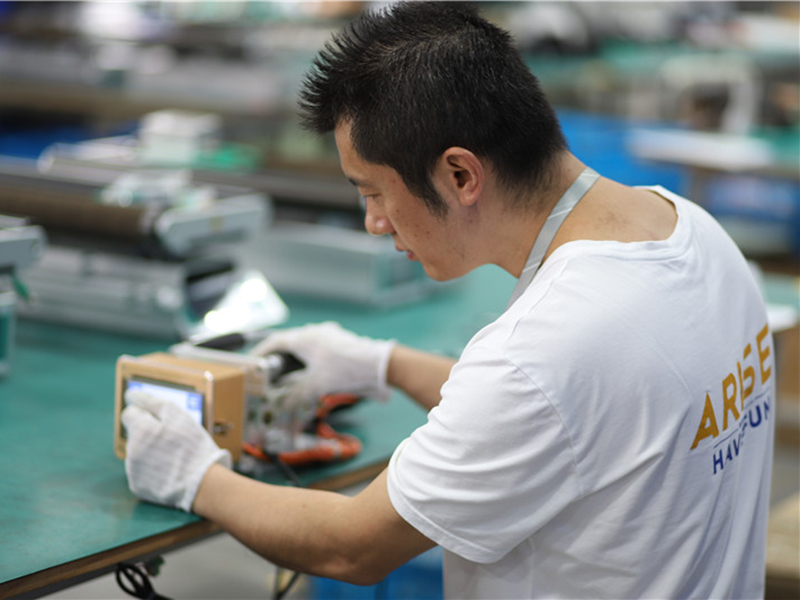

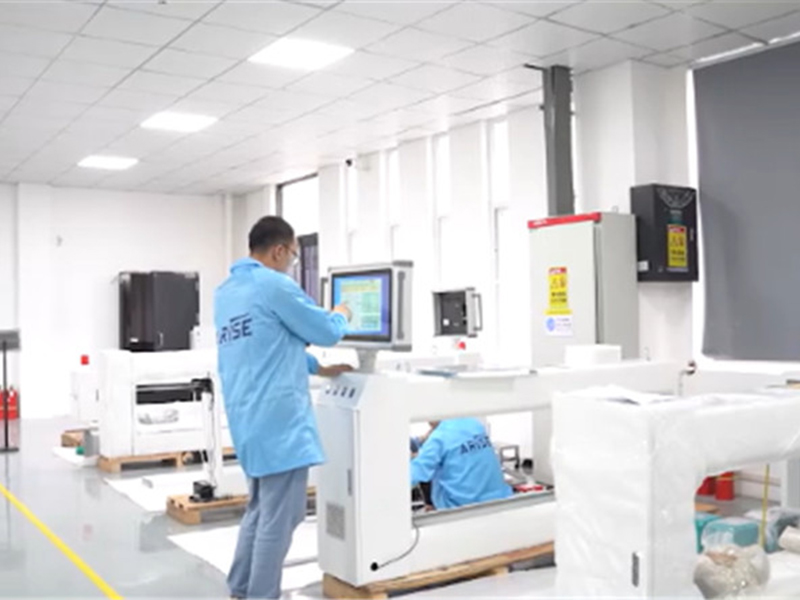
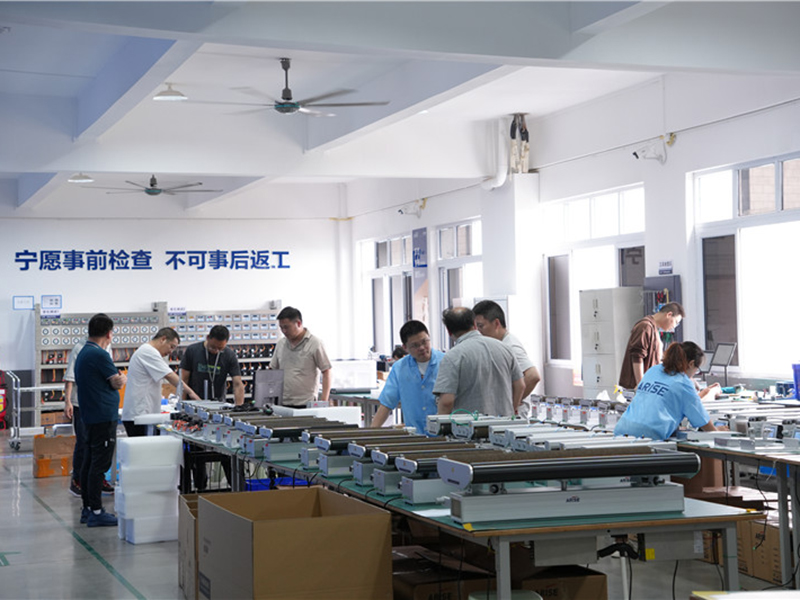
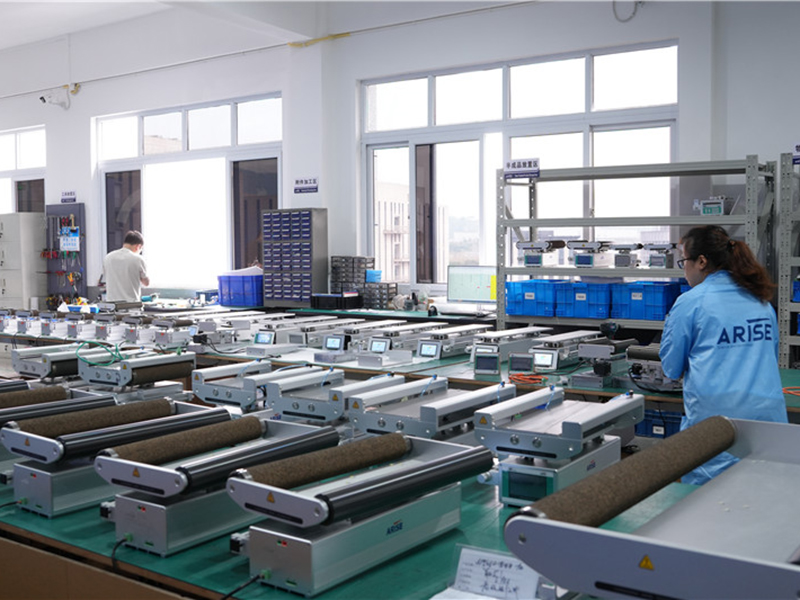
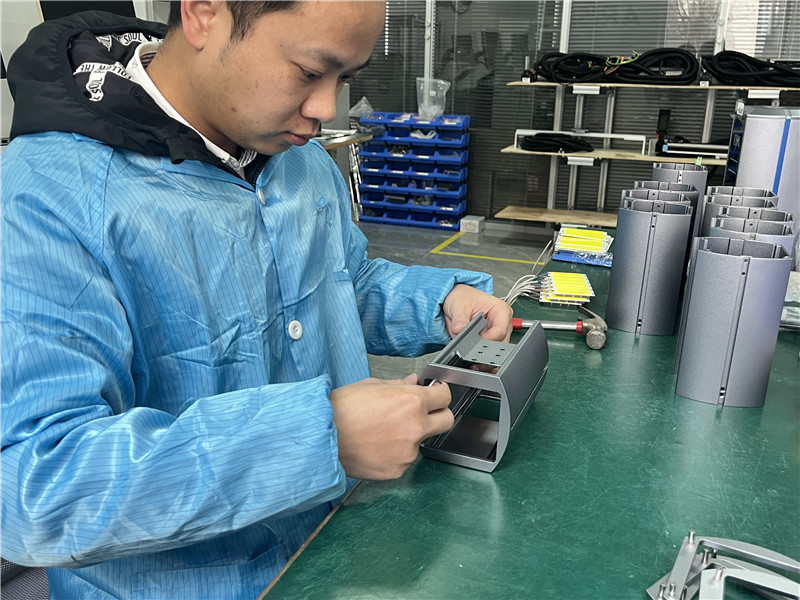
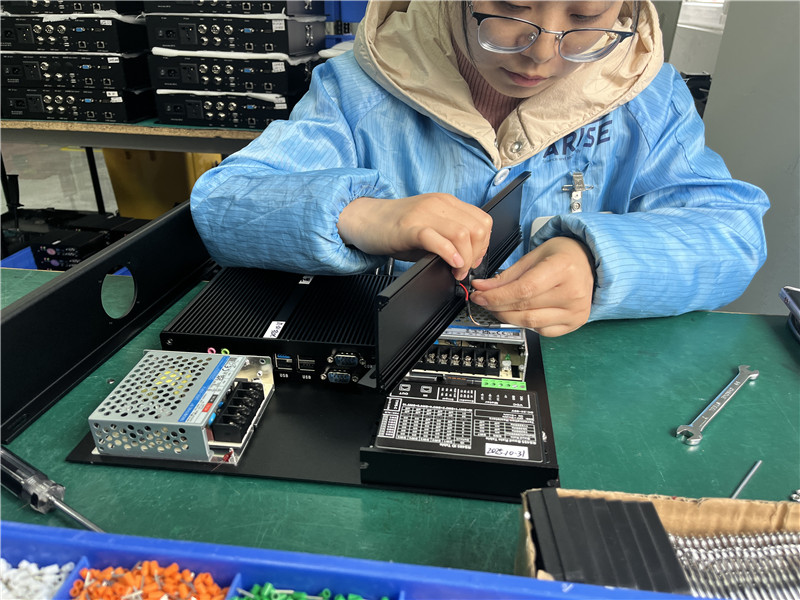
Explore our full range of online and offline inspection machinery designed to optimize manufacturing plants throughout India.