
Leave Your Message
Engineered for extreme reliability under rigorous operational environments, our intelligent optical inspection product matrix delivers 100% web coverage across pouch making, paper container forming, and roll-to-roll web converting operations.
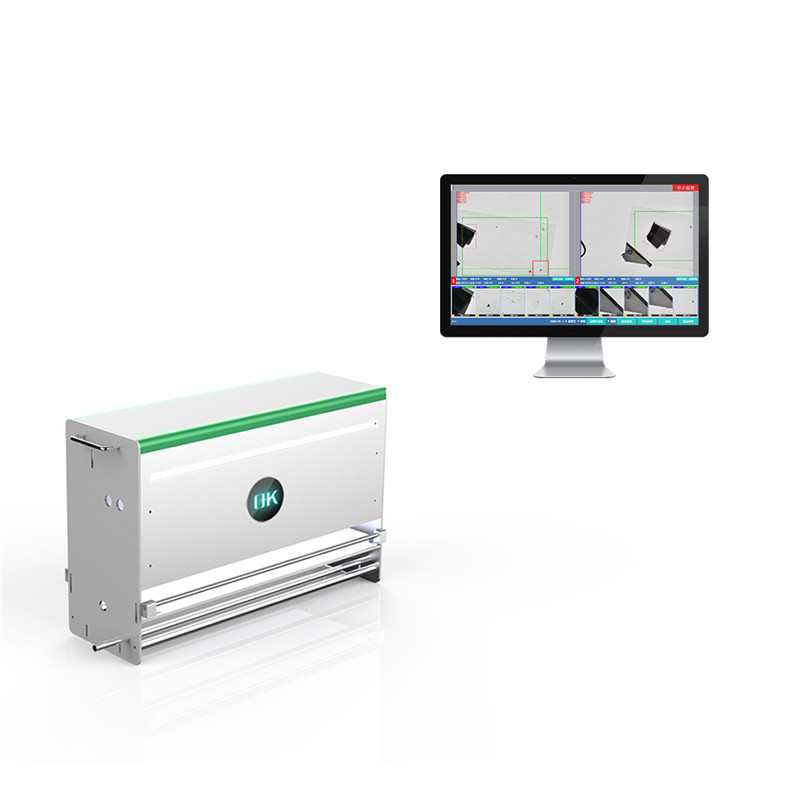 Foreign Object AOI
Specialized optical inspection unit engineered for pouch and multiwall bag lines, rapidly detecting foreign objects, mosquitoes, and resin inclusions.
Explore OK-1000A →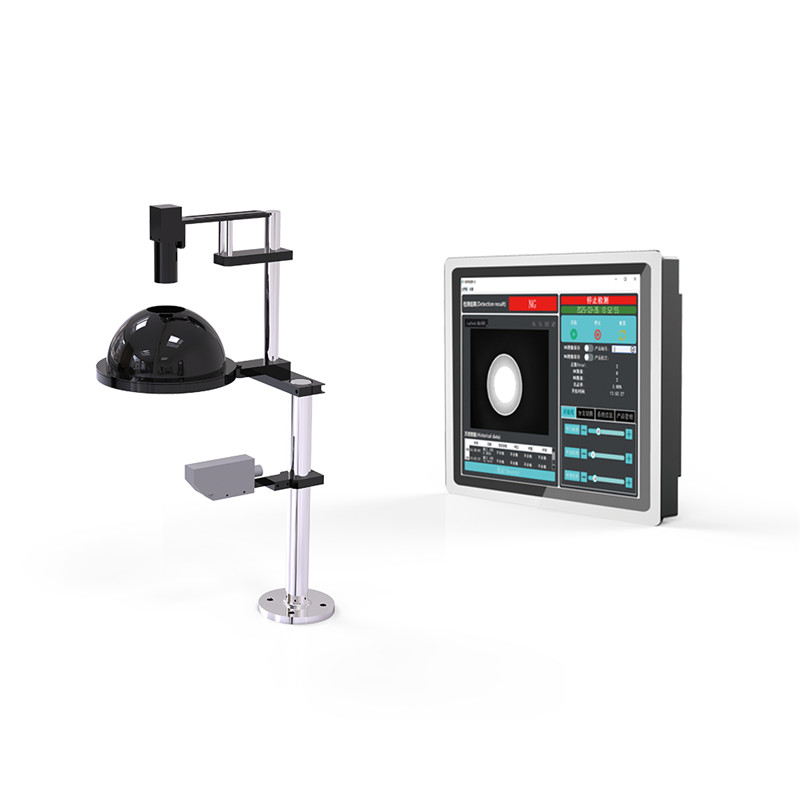 Paper Forming AOI
High-speed dimensional and aesthetic inspection for Indian disposable paper cup and bowl manufacturers, identifying rim deformities, dirty spots, and leaks.
Explore OK-2000A →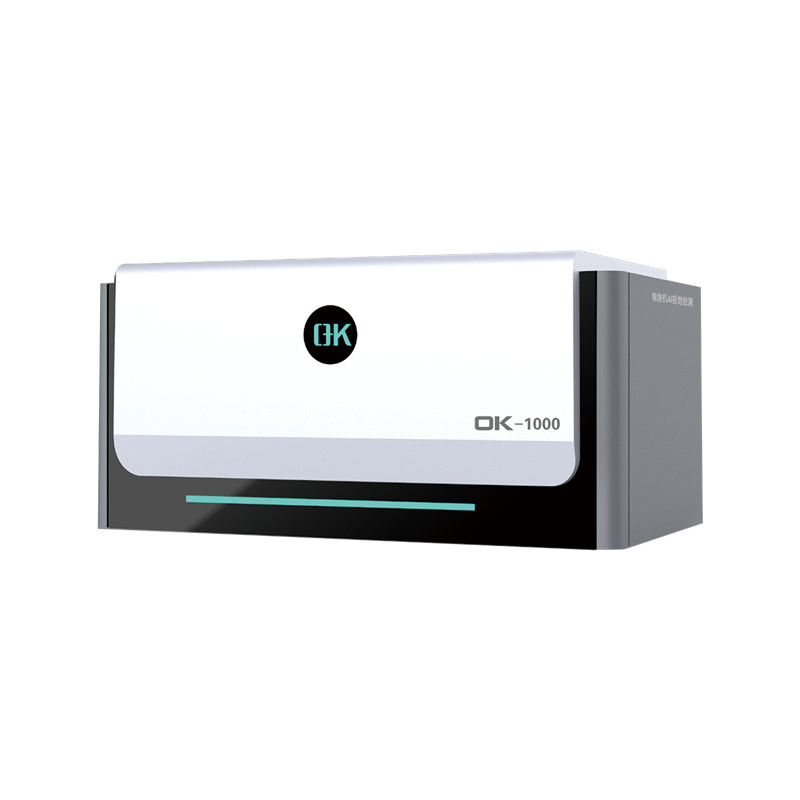 Dual-Surface AI
Dual-channel synchronous inspection for side-seal, stand-up zipper pouches, verifying thermal sealing integrity, print alignment, and barrier layer pinholes.
Explore OK-1000B →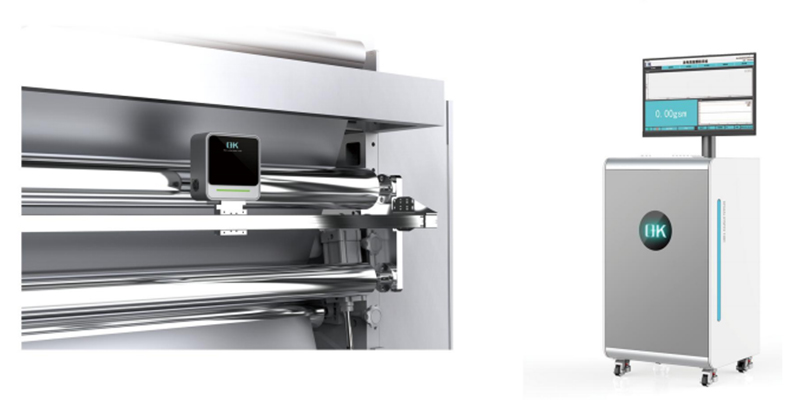 Web Coating AOI
Industrial-grade line-scan inspection system delivering micron-level coating uniformity monitoring, scratch classification, and blister foil pinhole checks.
Explore CTS 3.0 →The print and packaging manufacturing ecosystem in India is undergoing a monumental paradigm shift. Driven by government initiatives such as "Make in India", massive capital investments in flexible packaging infrastructure, and soaring domestic consumption of packaged consumer goods (FMCG), the demand for high-speed automated print quality assurance has reached an all-time high. In industrial corridors stretching from Gujarat (Ahmedabad, Surat, Vapi) and Maharashtra (Mumbai, Pune) to Tamil Nadu (Sivakasi, Chennai) and the National Capital Region (Faridabad, Gurugram, Noida), converters are aggressively migrating from traditional manual sampling to 100% in-line AI machine vision inspection.
Historically, commercial printers and pouch converters in India relied heavily on human visual strobe inspection or off-line manual sorting tables. However, with modern rotogravure presses, central impression (CI) flexographic machines, and laminators operating at velocities upwards of 400 to 700 meters per minute, human optical capabilities are wholly inadequate. Micro-defects such as streaks, ink splashes, doctor blade lines, registration drift, missing print, thermal pinholes, and foreign particulate contamination can cause thousands of meters of defective scrap in mere minutes. In an export-driven market where Indian converters supply pharmaceutical foil packaging and food-grade pouches to North America and Europe, zero-defect compliance is not merely an advantage—it is an absolute prerequisite.
Continuous surface defect scanning at line speeds surpassing 600 m/min, preventing catastrophic batch wastage across rotogravure and flexo converting lines.
Self-learning AI algorithms capable of distinguishing genuine optical defects (scratches, holes, dirt) from benign substrate textures and holographic foil reflections.
Sub-millimeter color registration drift measurement, barcode/2D DataMatrix readability grading, and real-time alert trigger outputs for automated slitter rejection.
Deploying advanced machine vision hardware across the Indian subcontinent requires localized engineering adaptations. Indian production environments frequently encounter elevated ambient temperatures, high relative humidity during monsoon seasons, dust particulate challenges in semi-urban industrial zones, and voltage fluctuations. Leading machine vision suppliers like Chongqing ARISE design industrial-grade hardware platforms equipped with IP65-sealed optical enclosures, active thermal dissipation systems, telecentric line-scan optics, and jitter-resistant line encoders.
Furthermore, the push toward sustainable packaging in India—driven by the Plastic Waste Management Rules promulgated by the Ministry of Environment, Forest and Climate Change (MoEFCC)—has spurred widespread adoption of recyclable mono-materials such as MDO-PE (Machine Direction Oriented Polyethylene) and ultra-thin BOPP barrier substrates. These films exhibit unique elastic properties, thermal sensitivity, and optical refraction behavior during printing and bag forming. ARISE's O+K vision algorithms incorporate specialized dynamic image compensation that accounts for web tension oscillations, substrate flutter, and reflectivity variations, ensuring stable inspection without false alarms.
In the full-process quality control solution for coil materials, Chongqing ARISE relies on its self-developed core algorithms and industrial-grade hardware platform to create a full range of intelligent inspection product matrix covering surface defect detection, online thickness management, printing quality traceability, and coating process monitoring. It provides customers with closed-loop quality control capabilities from the production front end to the back end.
Utilizing high-resolution industrial cameras and AI algorithms, it achieves 100% full inspection of coil material surfaces, accurately identifying various defects such as scratches, stains, holes, color differences, and registration deviations. It is widely applicable to industries including printing, lithium battery, photovoltaics, and packaging, rapidly reducing defect rates and improving product quality stability.
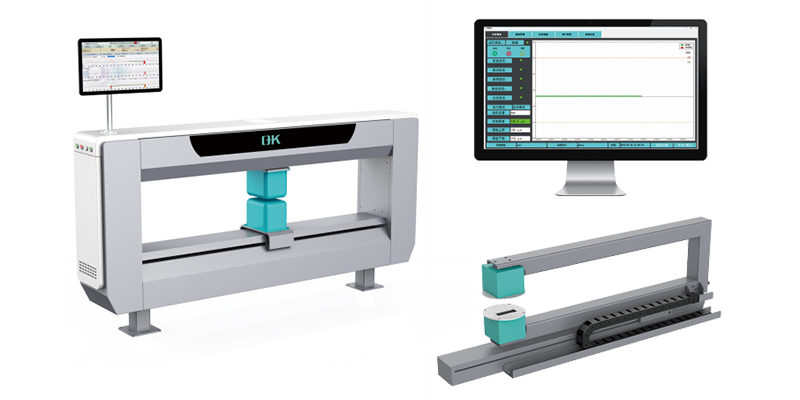
Continuous non-destructive real-time radiometric thickness gauging engineered for high-precision extrusion coating, barrier film casting, and battery separator manufacturing. Delivering micro-gram level aerial density feedback, this system enables automatic die-lip closed-loop tuning to save raw resin material costs across Indian plastics processing lines.
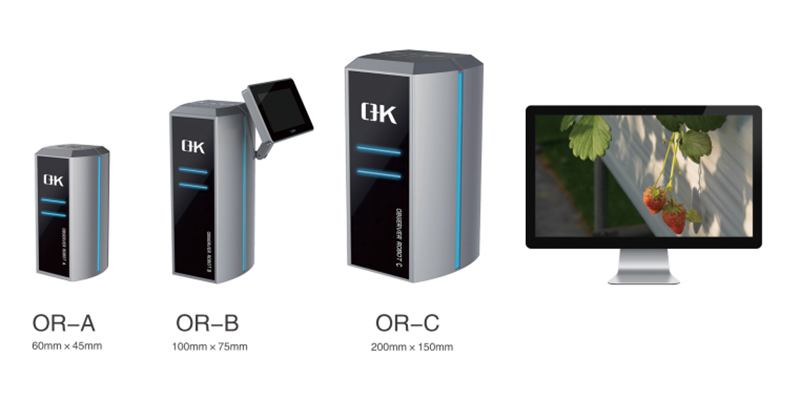
High-resolution optical strobe observation system engineered for high-speed rotogravure, flexographic, and offset web printing. Operators can zoom in on micro-dot patterns, half-tone fidelity, and color trap registers at speeds exceeding 600 meters per minute without stopping presses, significantly reducing make-ready times.
Next-generation optical sensor system specialized in identifying coating void patches, optical streaks, bubble clusters, and adhesive thickness deviations on PV backsheets, lithium foil coatings, and pharmaceutical aluminum foils. The platform pairs instant alarm outputs with defect roll map coordinate storage for precision rewinder slitting.
From pharmaceutical packaging clusters to FMCG flexographic centers, machine vision solutions provide targeted automated defect detection configured to local manufacturing specifications.
Dominating India's flexible packaging and polymer films sector, plants across Ahmedabad, Vapi, Surat, and Mumbai utilize our inline vision systems on high-speed blown film extruders, metallizers, and multi-lane pouch machines to eliminate foreign insect entrapment, gel spots, and seal leakages.
Centering around Sivakasi, Chennai, and Bengaluru, this region represents the heartland of commercial print, premium labels, and paper disposable manufacturing. Our OK-2000A systems safeguard paper cup rim curling, side seam joints, and cup bottom hygiene for global fast-food exports.
In the pharmaceutical and FMCG production bases across Himachal Pradesh, Haryana, and Uttar Pradesh, vision print inspection is critical for 2D DataMatrix verification, anti-counterfeiting micro-text validation, and cold-form blister foil defect rejection meeting stringent CDSCO and US FDA audits.
A distinctive hallmark of leading Vision Print manufacturers serving the Indian market is the seamless interconnection of vision algorithms with post-press converting machinery. When an optical defect is detected on an ARISE-equipped printing press, the system does not simply sound an audible siren; it records the exact spatial coordinates (roll length, lane offset, defect class, and snapshot image) into an encrypted digital roll map (XML/JSON standard). Upon mounting the printed jumbo roll onto high-speed doctor machines or slitter rewinders, the roll map communicates directly with the PLC. The slitter automatically decelerates and positions the defective web segment right on the splicing table for instantaneous operator removal or automatic ejector sorting.
This closed-loop methodology drastically cuts down raw material scrap, eliminates client returns from Tier-1 brand owners (such as Hindustan Unilever, Nestlé India, ITC, and Dabur), and protects the reputation of Indian packaging converters on the global stage.
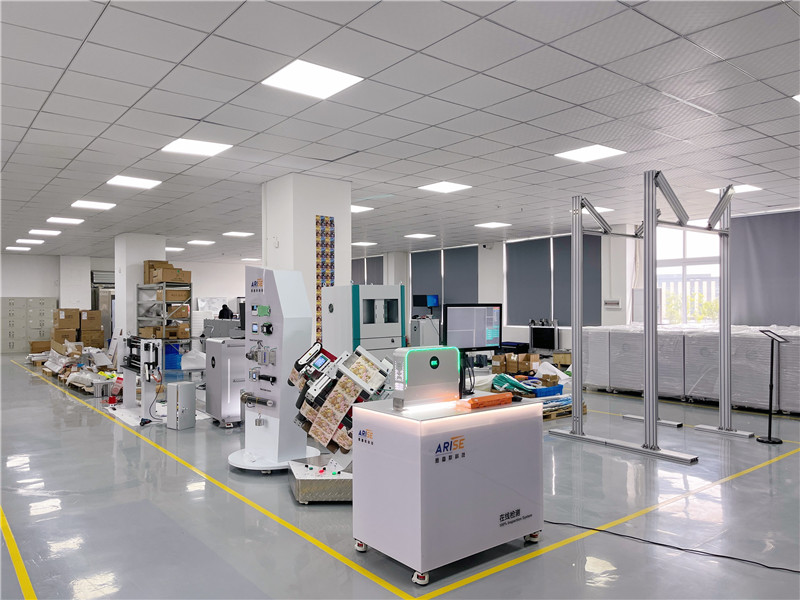
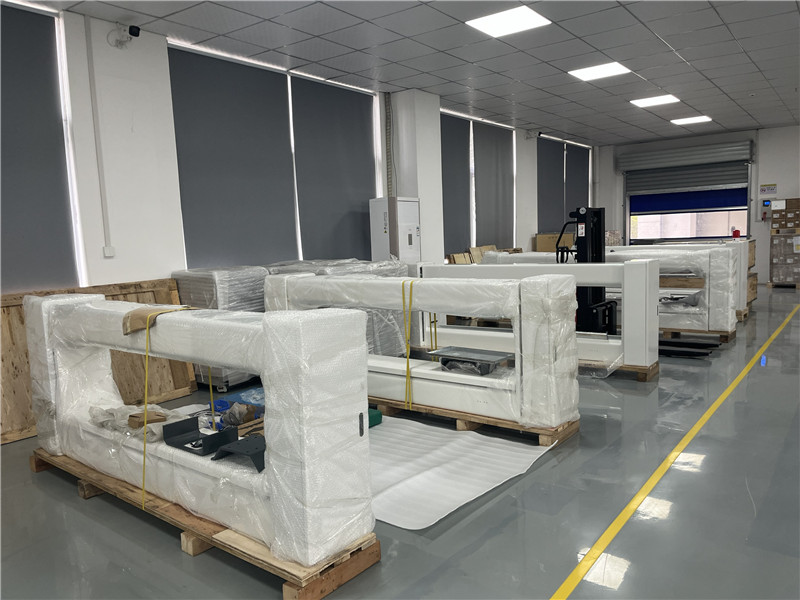
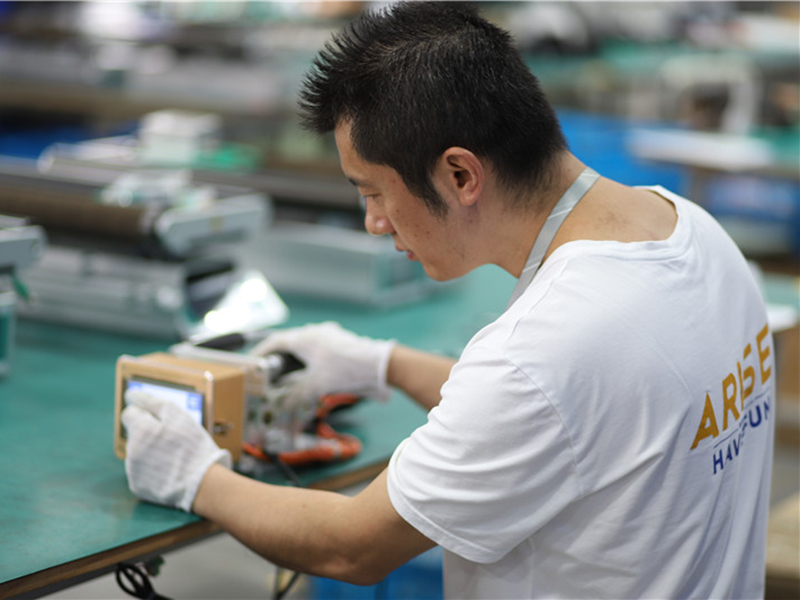
Equipped with ultra-clean optical calibration benches, automated environmental testing chambers, and precision assembly lines, our facilities ensure each inspection system meets rigorous industrial standards before overseas dispatch.
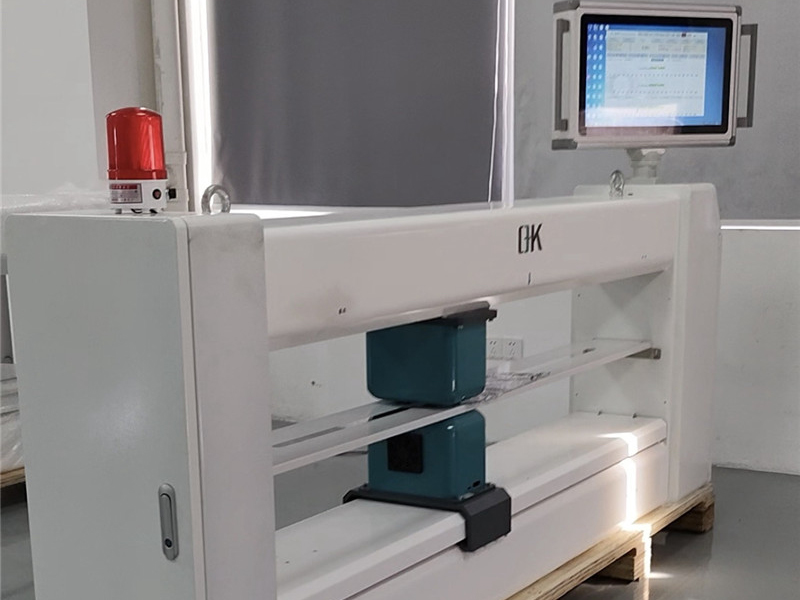
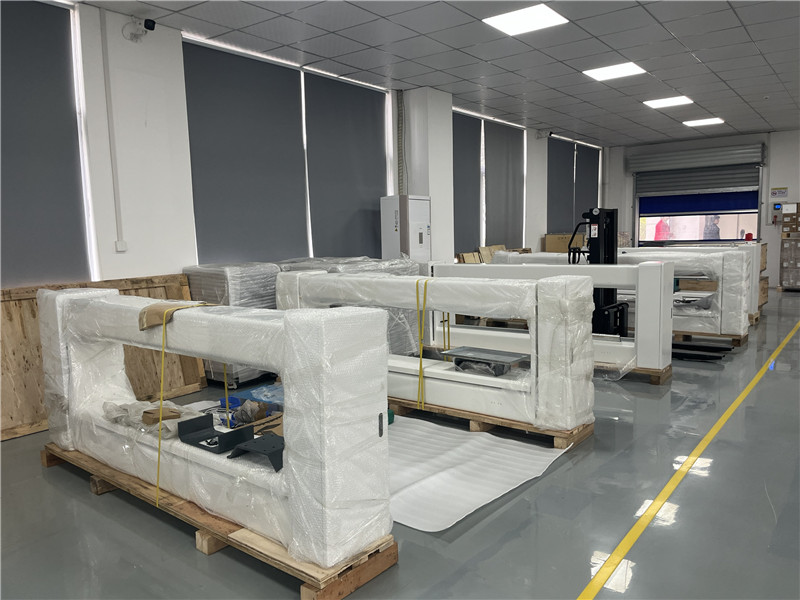

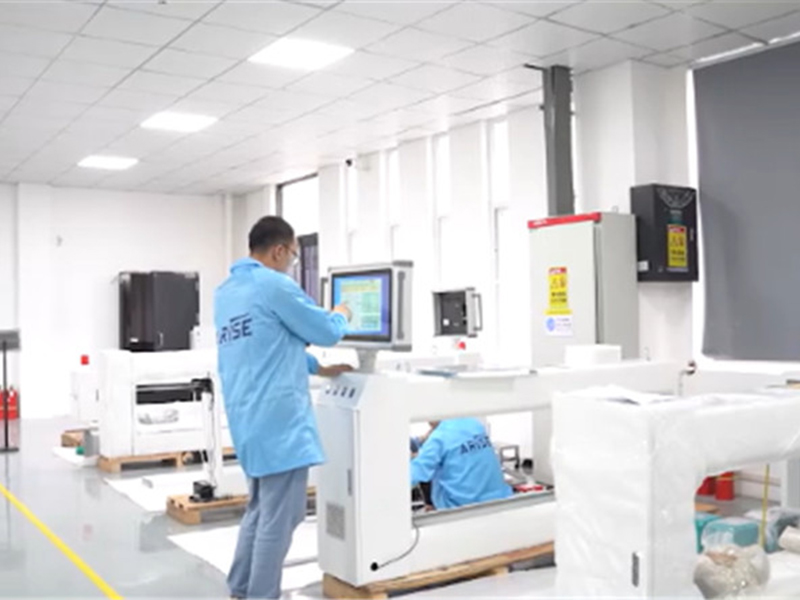
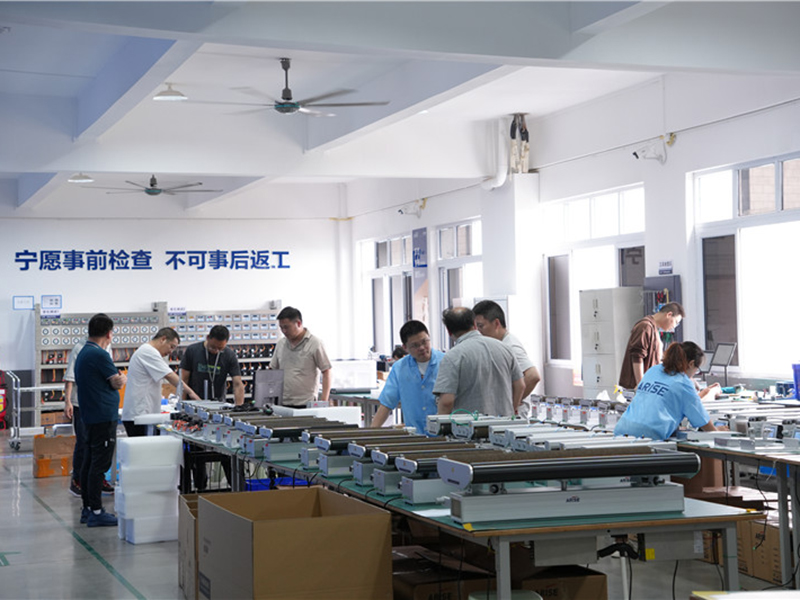
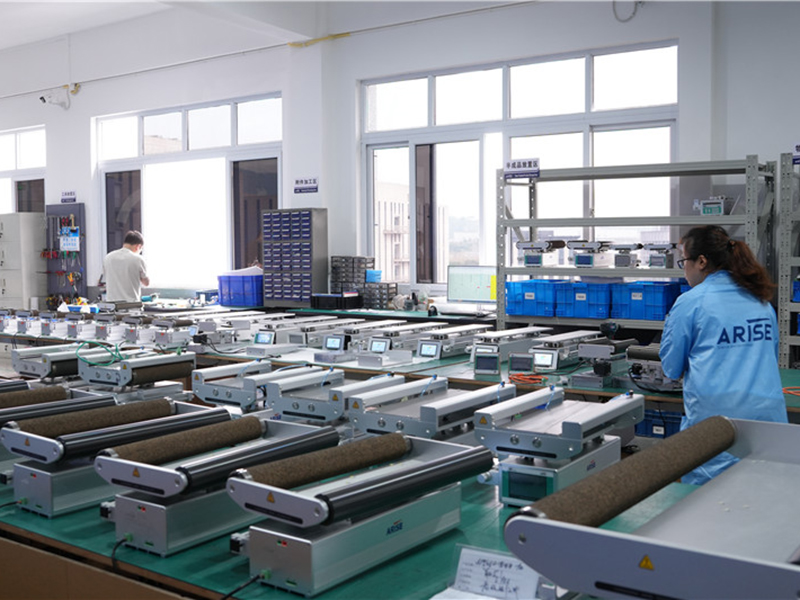
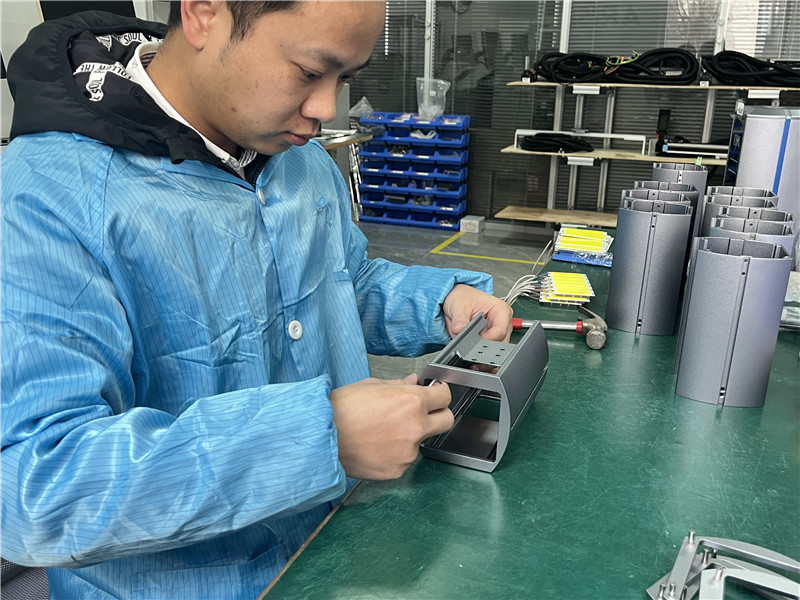
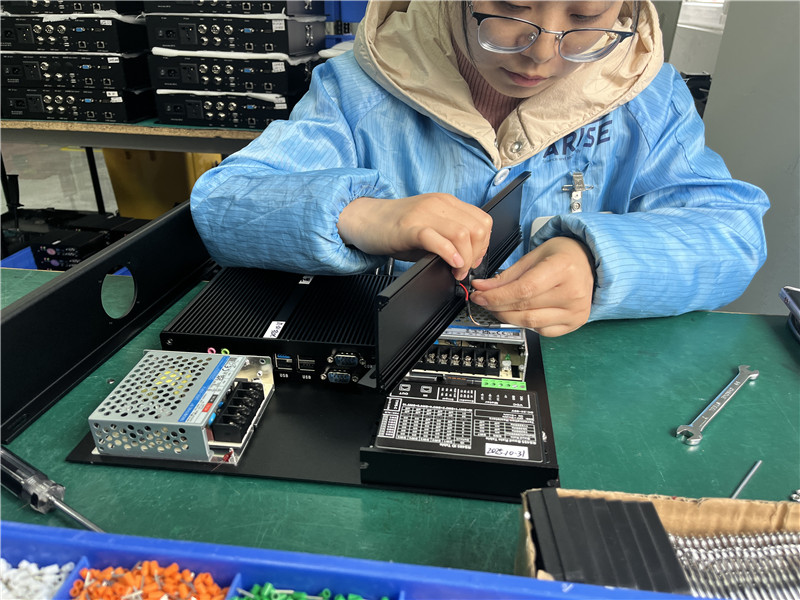
Explore our full line-up of optical inspection equipment, coating monitors, and thickness management platforms tailored for packaging, converting, battery foil, and printing plants across India.
Bag Making AOI
Specialized line-scan vision unit eliminating insects, plastic burnt specks, and hair contamination on bag making lines.
System Details →Paper Container
360-degree high-speed optical inspection detecting rim crimp deformations, yellow stains, and bottom curling irregularities.
System Details →Dual-Side In-line
Synchronous top-and-bottom optical camera system for stand-up pouches, zipper seals, and vacuum retort packaging lines.
System Details →Coating Quality
Automated optical detection of non-uniform barrier coatings, adhesive voids, pinholes, and thermal lamination bubbles.
System Details →Thickness Control
Contactless radiometric thickness scanning providing auto-die feedback control for blown film, cast film, and sheet extruders.
System Details →Print Video Web
Ultra-fast motorized optical strobe camera enabling press operators to inspect micro registration and print traps in real time.
System Details →Surface Defect
Multispectral line-scan inspection identifying streaks, doctor blade scratches, and splashes across BOPP, PET, and aluminum webs.
System Details →Traceability AI
Complete closed-loop defect coordinate mapping linking high-speed printing presses to downstream doctoring slitters.
System Details →Clear, engineering-driven answers addressing common operational parameters, environmental adaptations, and commissioning timelines for manufacturing facilities across India.
Our industrial line-scan camera enclosures are sealed to IP65 specifications and utilize dedicated closed-loop thermal heat sinks or vortex cooler attachments. The camera controllers and AI server workstations are mounted within air-conditioned Rittal cabinets, ensuring 24/7 continuous uptime in ambient room temperatures exceeding 45°C without optical drift or GPU thermal throttling.
Yes. By utilizing proprietary directional multi-angle LED strobe illuminators paired with polarized optical filtration and convolutional neural network (CNN) classifiers, the system isolates true defects (such as pinholes, voids, and scratches) from specular reflection flashes produced by metallized BOPP, cold foil stamping, and holographic transfer patterns.
Absolutely. Chongqing ARISE systems feature universal rotary encoder bracket kits, high-speed fiber-optic triggers, and standard industrial fieldbus interfaces (Modbus TCP/IP, Profinet, Ethernet/IP, and dry-contact relays). They retro-fit effortlessly onto presses manufactured by Bobst, Windmöller & Hölscher, Uteco, Pelican, Kohli Industries, and Expert.
Most Indian converters recover their capital investment within 6 to 10 months. Savings stem directly from an immediate 65% reduction in customer complaint claims, reduced customer rejection penalties, raw substrate savings achieved through early streak detection before multi-thousand-meter spooling, and reduced labor overhead on manual sorting tables.