
Start Quote
Leave Your Message

Blog

Top 10 Imprint Machine Suppliers for Global Buyers

Top 10 Imprint Machine Suppliers for Global Buyers

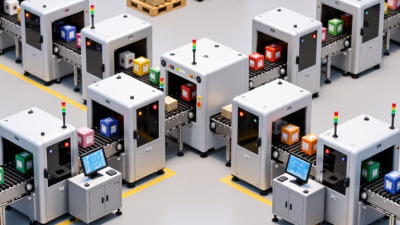
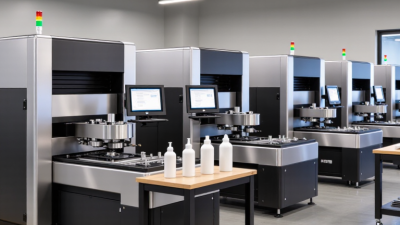
Picking the right imprint machine from those Top 10 lists for global buyers? That’s not just about flipping through pretty catalog photos. Sure, a machine might look spot-on with a perfectly polished sample, but once you throw curved surfaces, tiny type, or constant product changes at it, things can get messy. You’ve got to dig deeper — think print consistency, how long it takes to set up, what tooling options are available, whether your operators can actually learn it, if spare parts are easy to get, and how fast their service team responds. Honestly, small stuff matters more than you'd think. Even a worn fixture can nudge a logo off by a couple of millimeters and throw everything off. You've probably heard of Philip Crosby's famous saying, "Quality is free." Honestly, that's a perfect lens for sizing up an Imprint Machine. Here's the catch: a lower upfront price might end up costing you more if the alignment starts drifting or you're stuck waiting weeks for replacement parts. So what's the smart move? Ask the suppliers to run sample tests with your actual material, artwork, and production speed. Don't just take their word for it—get clear specs, a maintenance schedule, warranty terms, and talk to some other folks who use it in a similar setup. And seriously, double-check everything they claim. It's worth the extra effort. Honestly, a brochure isn't the same thing as a factory test. It's one thing to claim something works on paper, but actually testing it in the factory is a whole different ball game. So, this guide is basically about comparing suppliers, but we're looking at them through the lens of what actually matters when you're buying—like machine capability, how much they can customize, the kind of technical support you get, and whether they fit your specific production needs. Honestly, some vendors are killer at compact gear, while others are more your big, automated line type. There's no one-size-fits-all winner here, you know? It really boils down to your product, budget, workforce, and how good their local service coverage is. And hey, don't forget that supplier rankings can get stale fast—their product lines and support networks shift all the time. Hey, so treat these as just a starting point – you'll want to double-check all the specifics yourself before you actually go ahead and buy. And that whole 'imperfect' thing? It's absolutely true: a machine might be a champ in one workshop but then turn out to be a total dud in another.
Read more »
Lila By:Lila - November 10, 2026
How to Measure a Meter Accurately?

How to Measure a Meter Accurately?

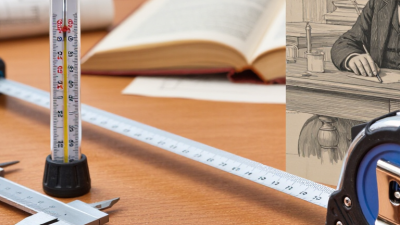
At first glance, measuring a meter sounds pretty straightforward — you grab a tape, line it up, read the mark, and jot it down. But in reality? Not so fast. A slight tilt, a loose tape, or a worn zero edge can throw the reading off. You might get a nice clean number and still be completely wrong. So this guide is about measuring a meter length the right way: picking a decent tool, checking its zero point, and keeping the tape straight. We'll also talk about repeating readings, switching units, and how conditions around you can affect the results. Honestly, the little details matter more than you'd think. William Thomson—better known as Lord Kelvin—was a physicist and engineer whose work basically shaped measurement science. He once wrote, “When you can measure what you are speaking about, and express it in numbers, you know something about it.” That idea fits perfectly here: a measurement should be repeatable, not just plausible. So, practically? Compare your tape against a trusted reference, keep it level with the object, and take the reading at eye height. Simple as that. When you really need precision, it’s worth noting which instrument you used and what the conditions were like. You’d be surprised—even room temperature can mess with some measuring tools, though honestly, poor alignment is usually the bigger culprit. Let’s be real: we’re not aiming for perfect accuracy here. No checklist is going to catch every source of uncertainty, and in the real world, objects rarely have perfectly crisp edges. So what this introduction does is walk you through a careful method, point out common mistakes, and help you judge whether a result is actually good enough for what you need it to do. And sometimes, honestly, the right answer is that you need to try a second method.
Read more »
Lila By:Lila - November 7, 2026
7 Best Visual Inspection Equipment for Quality Control?

7 Best Visual Inspection Equipment for Quality Control?

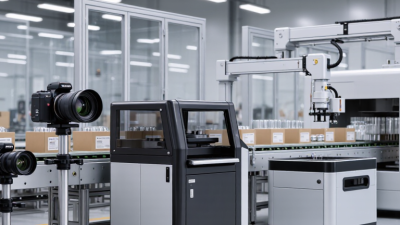
You’d be surprised how easily a hairline crack on a molded housing slips past when you’re in a hurry. Or how one misread label can turn a perfectly good product into a rework ticket. That’s where visual inspection equipment comes in—it helps teams catch stuff like this every time, using machine-vision cameras, automated optical inspection systems, 3D scanners, that sort of thing. Things are clearly picking up in the market. Grand View Research put the global machine-vision market at around USD 13.67 billion back in 2023, and they’re projecting an 8.5% annual growth rate from 2024 through 2030. Now, that number covers machine vision pretty broadly—not just inspection equipment—so you don’t want to treat it like an exact market size for that niche. But even as a rough benchmark, it’s a pretty good sign of how much interest there is in automated image capture and analysis across manufacturing these days. Honestly, there’s no one-size-fits-all setup here. It all depends on the defect you’re chasing, the material, how fast the line is running, and the environment where you’re inspecting. A camera that works great on a flat label? It might totally struggle on reflective metal or a transparent seal. And lighting? That’s a whole other story. It often matters more than buyers realize. As W. Edwards Deming put it, “Quality comes not from inspection but from improvement of the process.” In other words, inspection gear can point out recurring problems, but it can’t fix an unstable process on its own. That’s an easy thing to forget. So, this guide walks you through seven visual inspection tools for quality control—you know, the ones people actually debate over. It digs into what each one catches, where it fits into your process, and what your team should double-check before spending any money. Here's the thing though: no single system is going to catch everything. Honestly, the right pick is just the one that makes those critical defects obvious without choking your production line or drowning you in false alarms.
Read more »
Lila By:Lila - November 3, 2026
Why Use a 100% Inspection System?

Why Use a 100% Inspection System?

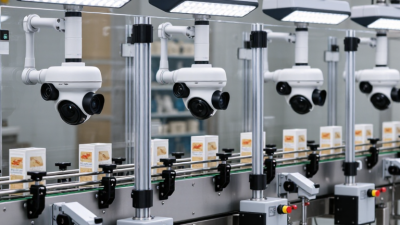
Let’s talk about 100% inspection—basically, you check every single unit instead of just relying on samples. Depending on what you’re making and the risks involved, that could mean cameras, sensors, gauges, or even a person giving things a once-over. On a packaging line, for instance, the system might look at every label, every seal, and each fill level as products zoom by. And sure, small defects can be a big deal. Honestly, the real value here isn't just catching more defects. A good 100% inspection system does more than that—it spots recurring patterns, logs the results, and helps the team actually dig into where the process starts to drift. That kind of evidence makes decision-making quicker and keeps quality control a lot more consistent. Plus, operators get feedback in real time, right there on the line, instead of waiting around for a sample review after the whole batch is done. That said, inspecting everything still isn't the same as preventing problems in the first place. Cameras aren’t perfect, you know? If the lighting shifts even a little, they can miss defects. And pick a bad threshold, and suddenly you’re rejecting perfectly good products. Human inspectors aren’t immune either—their checks can vary from one shift to the next. So yeah, these are limitations we should probably pay attention to. You know, reliable results really come down to a few things: picking the right inspection method for the product, testing it against known defects, and then actually looking at both false rejects and the ones that slip through. And it's not just a one-time thing—teams need to stay on top of calibration, keep lenses and sensors clean, and regularly check automated results against manual inspections. But here's the kicker: all those records don't mean a thing unless people actually use them. Let's face it, no inspection setup is perfect. Worth keeping in mind. If you pair it with solid process controls and a team that really knows what they're doing, checking every single item can take away a lot of guesswork—and help you spot problems before customers ever see them.
Read more »
Sophie By:Sophie - October 31, 2026
Top 10 Label Inspection Machines for Global Buyers

Top 10 Label Inspection Machines for Global Buyers

Honestly, choosing a label inspection machine isn't just about buying a piece of equipment anymore. It kind of touches everything—line speed, how your product looks, traceability, and whether customers trust you. And you can feel that pressure right on the factory floor: labels are flying by, glossy surfaces are reflecting light, and if one barcode is missing or unreadable, the whole shipment can get held up. Smithers’ research shows packaging print is still a pretty big growth area—driven by brand competition, automation, and shorter production runs. PMMI’s data backs that up too: manufacturers keep investing in vision systems, robotics, and connected machinery to tighten up quality control. All of which points to a simple, practical truth: label inspection has to actually hold up on the production line, not just look good in a lab demo. Alright, so this guide is basically a rundown of ten inspection machines for buyers around the globe—think Cognex, Keyence, Omron, Antares Vision, and Loma Systems. We're comparing the stuff that actually matters: camera resolution, inspection speed, barcode reading, OCR performance, how accurately rejects get kicked off the line, software usability, and whether it can fit into your existing setup. But honestly, specs only tell you so much. Installation experience is a whole different beast. You can have a machine that catches the tiniest print defect, and then completely loses its mind over transparent labels, weird reflections, or a dusty conveyor belt. It's the small details that end up making or breaking your day. Beyond the sticker price, buyers really need to dig into the details—validation records, service coverage, how operators will be trained, and the total cost of ownership. Because a bargain upfront can end up costing you more if you’re waiting forever on spare parts or stuck with limited software support. And sure, ARC Advisory Group and MarketsandMarkets both see industrial vision and smart inspection technologies being adopted more widely, but their forecasts don’t always line up depending on methodology and region. That gap is worth paying attention to. Look, rankings are okay for getting a rough idea, but they honestly can't replace doing a real production trial. I mean, you really need to use the buyer's own labels, substrates, speeds—and don't forget their defect samples.
Read more »
Lila By:Lila - October 27, 2026
10 Tips to Choose the Best Inspection System

10 Tips to Choose the Best Inspection System

Picking an inspection system isn’t just about buying another piece of equipment anymore. It can shape your product quality, how fast production runs, traceability, and even how much customers trust you. And honestly? The right fit has to work with what’s actually happening on your factory floor—not just look good on a spec sheet. So, according to MarketsandMarkets, the machine vision market could grow from USD 9.8 billion in 2023 to USD 15.4 billion by 2028. That forecast reflects a pretty clear trend: rising demand for automated inspection, especially in electronics, automotive, food, and pharmaceutical manufacturing. And it's not just about vision systems alone. The International Federation of Robotics reported 541,302 industrial robots installed worldwide in 2023. The more robots you have out there, the more you need reliable vision, measurement, and defect detection systems to keep things running smoothly. Honestly, it’s those little defects that get you. They don’t stay small for long—next thing you know, they’re costing a fortune. W. Edwards Deming—one of the big names in quality management—once said, “You cannot inspect quality into the product.” And honestly? That warning still hits hard today. An inspection system should be there to support process control, not just catch problems at the very end. Sure, camera resolution matters. But so do lighting stability, software integration, calibration, response time, and operator training. I mean, a fast camera won’t fix bad positioning. And a clever algorithm can’t save you if your production data is all over the place. So, here's a guide with 10 practical tips for picking the right Inspection System. It looks at things like accuracy, running costs, scalability, maintenance, data security, and how much the supplier really knows their stuff. It also asks some pretty uncomfortable questions—like, will the thing actually hold up around dust, vibration, glare, or materials that keep changing? And can your technicians fix it without waiting weeks for someone else? Truth is, no system is perfect. Some of these suggestions might need tweaking once you test them on-site, because factory reality has a way of making lab results look a little too neat.
Read more »
Sophie By:Sophie - October 24, 2026
China Best Thickness Instrument Supplier?

China Best Thickness Instrument Supplier?

Choosing the China Best Thickness Instrument Supplier requires more than comparing prices and product photographs. A reliable supplier must understand real production conditions, including coated steel lines, plastic films, glass panels, and laboratory samples. MarketsandMarkets, in its Industrial Metrology Market report, identifies automation, quality control, and non-contact inspection as important industry growth drivers. Grand View Research also reports continued expansion in industrial measurement equipment, supported by stricter manufacturing quality requirements. These trends make Thickness Instrument selection increasingly technical. Experienced buyers should examine measurement range, resolution, repeatability, calibration methods, and environmental performance. A supplier may offer ultrasonic, magnetic, eddy current, laser, or optical systems. Each technology fits different materials. For example, a handheld probe should remain stable near oily steel surfaces. A laboratory gauge should produce repeatable readings under controlled temperature. ISO 9001 quality systems can support process consistency, but certification alone does not prove instrument performance. Independent calibration records matter more during daily use. A strong China supplier should provide clear specifications, traceable calibration, application testing, and responsive technical support. NIST guidance on measurement traceability emphasizes documented links to recognized standards. Buyers should request sample reports and test identical materials before placing large orders. No supplier is perfect. Some catalogues simplify difficult conditions, and this deserves careful questioning. The best choice combines verified data, practical engineering experience, and honest communication. A lower purchase price may become expensive when unstable readings interrupt production or create unnecessary reinspection.
Read more »
Oliver By:Oliver - October 20, 2026
Top 10 Measurement Sensor Types for Global Buyers

Top 10 Measurement Sensor Types for Global Buyers

For buyers sourcing sensors globally, picking a measurement sensor is almost never just a catalog choice. Think about a food-processing line: it might need a stainless-steel housing, washdown resistance, and readings that stay stable around hot water. A warehouse conveyor, on the other hand, may care more about fast response, compact wiring, and dependable object detection. Often, those operating details matter way more than getting the lowest purchase price. This guide looks at ten widely used sensor types: temperature, pressure, proximity, photoelectric, ultrasonic, flow, level, humidity, force, and gas sensors. Each one tackles a different measurement problem. Temperature sensors help with process control; pressure sensors keep an eye on pumps, filters, and compressed-air systems. Ultrasonic sensors can measure distance without touching anything, though reflective surfaces can throw off accuracy. Yeah, small details really do matter. Experienced purchasing teams tend to compare accuracy, range, repeatability, response time, output signals, materials, and protection ratings. They'll also ask for calibration records, technical drawings, testing info, and clear installation guidance. Regional certifications, replacement availability, communication protocols, and lead times deserve just as much attention. A sensor that looks great in a lab can behave very differently next to vibration, dust, moisture, or electrical noise. No selection method is perfect, of course. Product data can be incomplete, and field conditions are sometimes described a little too optimistically. That's why practical testing is still so valuable. A short trial beside the actual machine can uncover mounting issues, unstable readings, or maintenance needs you didn't expect. This overview is meant as a structured starting point for comparing sensor technologies with more confidence, while keeping in mind that the best choice always depends on the application, the environment, and your long-term operating goals.
Read more »
Oliver By:Oliver - October 14, 2026
How to Choose a Print Inspection System?

How to Choose a Print Inspection System?

Picking a print inspection system isn't just about comparing cameras. It's a production decision—one that touches waste, customer trust, and real, measurable risk. Smithers’ The Future of Global Printing to 2028 puts the global printing market at over $800 billion. Their analysis also points to automation, workflow integration, and consistent quality as ongoing priorities. That's why inspection tech keeps getting more important—especially in packaging, labels, and high-volume commercial printing. The right setup should fit your substrate, web speed, print width, and how much defect you can tolerate. A narrow-label converter might need tight registration control and barcode verification. A flexible-packaging plant might need stable lighting, color monitoring, and dependable detection of pinholes or streaks. So ask about camera resolution, inspection speed, software integration, and how rejected material gets documented. Those small details matter. No system is perfect. W. Edwards Deming, whose quality ideas heavily shaped modern manufacturing, said, ‘Quality comes not from inspection, but from the improvement of the production process.’ That warning still holds up. Inspection shouldn't paper over unstable ink viscosity, bad tension control, or sloppy maintenance. It should catch them early. Data from the Printing Industries of America and Smithers supports a larger shift toward connected, data-driven production. But every factory has its own constraints. Budget, operator skills, line speed, and existing equipment can all change the best answer. Honestly, I might be wrong about a spec until a production trial proves it. This guide walks through how to evaluate a print inspection system based on practical performance, integration, total cost, and evidence from real operating conditions.
Read more »
Lila By:Lila - October 11, 2026
What Are the Top Coating Machines for Global Buyers?

What Are the Top Coating Machines for Global Buyers?

Picking the right coating machine? It takes a lot more than scrolling through supplier websites and comparing prices. Buyers around the world need to look closely at coating quality, production speed, material compatibility, maintenance access, and operator safety. And here's the thing: a machine that looks great in a controlled demo can behave very differently in a humid factory or during nonstop production. That's where real experience matters. This guide walks through some of the leading coating machine categories for films, paper, metals, textiles, and industrial components. We're talking slot-die, roll-to-roll, spray, dip, and powder coating systems. Each one works a bit differently, comes with its own cost structure, and has its own learning curve. Before deciding, buyers should ask for sample trials, technical drawings, energy data, and documented service records. Often, the little details tell you more. For instance, rollers that are easy to reach can cut cleaning time, while steady tension control can help avoid visible coating lines. Good, reliable manufacturers should be upfront about their testing methods, warranty terms, spare-parts availability, and regional support. Certifications are worth checking too, of course—but paperwork alone doesn't prove long-term performance. A real factory visit or a supervised trial can give you much stronger evidence. No shortlist is ever perfect. Some machines are impressively fast but not very flexible. Others are extremely precise, yet they need skilled technicians and a bigger investment. This comparison is meant to help purchasing teams ask sharper questions, avoid wishful thinking, and choose equipment that fits their actual production conditions—not just the specs that look good on paper.
Read more »
Oliver By:Oliver - October 7, 2026
What Is the Best Thickness Instrument from China?

What Is the Best Thickness Instrument from China?

Picking the right Thickness Instrument from China isn't just about comparing prices—there's more to consider. The ideal device has to fit the material you're working with, the measurement method you're using, and the environment you're in. Different materials like coatings, plastics, paper, metal sheets, or glass all require different testing approaches. For instance, a gauge made for paint might not work well on soft polymer films. In real-world factory setups, operators often care more about stable, consistent readings than just fancy specs. A clear, easy-to-read display is a big plus, especially during long inspection sessions. Plus, a compact probe that can reach tight corners or curved surfaces is super handy. Built-in calibration features are also a lifesaver—they help keep things accurate across different batches and reduce guesswork. It’s those little details that can really make a difference, especially when a tiny difference of a few microns could impact quality decisions. Today, Chinese manufacturers are bringing out a bunch of options—magnetic, eddy current, ultrasonic, and laser thickness gauges. Companies like Linshang, Benetech, and Huatec have devices for various needs. But honestly, just looking at the brand isn’t enough. You should also check their calibration certificates, probe accuracy, software support, battery life, and how easy it is to get replacement parts. It’s smart to ask for test data on your actual material, so you know how it performs in real conditions. Those small details really matter. A trustworthy supplier will be upfront and clear about measurement limits. They shouldn’t promise perfect accuracy in every situation—that’s a red flag. In my opinion, the best choice depends on how consistent the instrument is, how responsive the supplier is, and verified performance results. A cheaper tool might be just fine for regular routine checks, but labs or more critical applications will need better traceability and calibration options. This guide takes a look at some of the key Chinese thickness gauges based on practical factors—accuracy, ease of use, durability, range of applications, and supplier reliability. Keep in mind, real-world testing can sometimes tell a different story about performance. It’s worth remembering that specs are helpful, but nothing beats seeing how they do with your actual samples.
Read more »
Sophie By:Sophie - October 1, 2026
10 Best Vision Systems for Industrial Automation

10 Best Vision Systems for Industrial Automation

Imagine a packaging line where a camera is constantly checking each seal as products whiz past at high speed. If the setup isn’t spot-on, it might miss a tiny defect—or worse, flag a perfectly fine seal as a problem. Picking the right vision system from the 10 best options for industrial automation isn’t just about comparing specs—it’s a practical engineering decision. Things like lighting, lenses, software, hardware, and how everything integrates really influence how well it works. As automation really ramps up, this decision becomes even more critical. According to the International Federation of Robotics’ World Robotics 2024 report, there were over 4.28 million industrial robots working around the globe in 2023—that’s a solid 10% jump from the previous year. More automated cells mean we need trustworthy inspection, measurement, and guidance systems. Market reports, like the ones from Grand View Research, also keep tabs on how this sector’s evolving. But let’s be honest—market forecasts don’t tell you how a system will perform on your specific line. Nothing beats testing with real samples. Details matter. As pioneering computer vision expert David Marr once said, “The purpose of vision is to produce a description of the shapes and positions of things from images.” That’s still the goal: turning pixels into reliable decisions. This guide looks at ten different systems, considering how they fit different applications, how easy they are to integrate, and their real-world capabilities. But a little disclaimer—just because a system boasts wow-factor specs doesn’t mean it’ll stay reliable under changing lighting, different product types, or vibrations. Running real-world tests with actual parts is still a must. Ultimately, the best choice is the one operators can keep running smoothly, trust, and validate during everyday shifts—that’s what really counts.
Read more »
Oliver By:Oliver - September 28, 2026
How to Choose the Best Coating Machines for Your Business?

How to Choose the Best Coating Machines for Your Business?

Picking the right coating machines isn't just about ticking boxes on a checklist — it can really make or break your product quality, how fast you can produce, and how much everything's gonna cost you in the end. Honestly, just because a machine looks super efficient in a glossy brochure doesn’t mean it’ll work well with your actual coatings, materials, or factory setup. A pretty sample isn’t enough to make that call. One perspective I find really helpful comes from Dr. Steven Abbott, who’s an expert in coating science. Here’s the gist (kind of an interpretation, not a direct quote): "Make sure the machine matches your coating, substrate, and the finish you’re aiming for." So, don’t just rely on what the supplier demonstrates — test real materials yourself. Get your production team involved in those tests too. Ask questions like: how does the machine handle changes in viscosity, web tension, cleaning routines, or faster line speeds? Keep an eye on the edges. Check the coating thickness. And don’t forget to note how much material gets stuck in hoses and trays. This guide covers the main types of machines — roll coaters, slot-die, spray, dip systems — and digs into practical stuff like working width, drying capacity, automation options, how easy it is to do maintenance, and what kind of support you’ll get after setup. Sometimes, a tiny detail can become a daily headache. For example, a filter that's hard to reach might add minutes to each changeover, which adds up. Not every business needs the fastest possible line either. Some just need consistent results for short runs or when switching products often. Plus, that price tag can be deceiving — a cheaper machine might end up costing more in setup time or material waste, while a fancy, high-end system might be more machine than what your process actually needs. Use these points to ask better questions, compare trial runs, and pick equipment that actually fits your work — not just the sales pitch. At the end of the day, it’s about understanding your process and making smart choices that save you headaches down the line.
Read more »
Oliver By:Oliver - September 25, 2026
China Top Label Inspection Equipment Suppliers?

China Top Label Inspection Equipment Suppliers?

China’s really stepping up as a major player when it comes to modern label inspection equipment, especially for industries like packaging, printing, pharmaceuticals, and food manufacturing. If you’re thinking of buying, this guide is here to help you navigate the top Chinese suppliers — and we're talking about actual, practical criteria, not just fancy marketing claims. We’ll look at things like camera resolution, how accurate they are at spotting defects, how fast they work, whether their software runs smoothly, and how well everything integrates into your existing production line. One thing to keep in mind is whether the supplier clearly explains their testing methods. Don't be shy about asking to see some sample inspections using your real labels — stuff like blurred text, missing colors, wrinkles, or barcode damage. It’s also useful to get some hard numbers: detection accuracy, false rejection rates, and maximum line speeds. Seeing a factory demo can uncover all sorts of details that just look good on a brochure. Pay close attention to how they handle tricky conditions — like reflective films, transparent labels, or sudden changes in lighting. And don’t forget about service quality — it really matters. Find out what kind of installation support they offer, whether they provide proper training for operators, how easy it is to get spare parts, and how quick their response times are. Big names like HIKROBOT, Dahua Technology, or Shenzhen Unikon might pop up in your searches, but keep in mind that capabilities can vary quite a bit depending on the model and use case. Just because a brand is well-known doesn’t mean it’s the perfect fit for you. And honestly, no supplier is perfect — it’s all about finding the best match. When making your choice, compare verified references, dive into their technical documents, and consider the long-term costs — especially for maintenance. It’s especially important that their equipment connects well with your printers, rewinders, conveyors, or MES platforms, if you’re using those. Sometimes, suppliers can impress with a cool demo but then fall short on customization after you’ve bought the equipment. That’s definitely worth asking about. All in all, this overview is meant to help you get a better grasp of China’s leading Label Inspection Equipment suppliers, so you can make smarter, more confident decisions. Just a heads-up — rankings can change pretty fast and sometimes the info you find isn’t the whole story. In the end, doing a real trial with the equipment is way more convincing than just listening to a shiny sales pitch.
Read more »
Lila By:Lila - September 21, 2026
2026 Top Visual Inspection Equipment Suppliers?

2026 Top Visual Inspection Equipment Suppliers?

Picking the right supplier for Visual Inspection Equipment in 2026 is more than just checking out camera resolutions or software features. Today, manufacturers really need to consider things like inspection speed, how stable the lighting stays, how well artificial intelligence performs, support for integration, and ongoing service quality. A sleek demo might look super impressive, but when it comes to the actual production floor, things get a lot tougher — and less forgiving. David Dechow, a well-known expert in machine vision, puts it simply: “You should judge a vision system based on how it performs on the production line, not just by its features.” That practical advice should be your guide when comparing different suppliers. Companies like Cognox, Keyence, Omron, Teledyne DALSA, Basler, and ZEISS each have their own strengths and focus areas—whether that’s electronics, automotive parts, pharma, food packaging, or precision manufacturing. Really pay attention to the details. Can the system spot tiny seal wrinkles even when the lighting isn’t perfect? Can it record images of defects and link them to batch info? Will it reject faulty parts without causing slowdowns? These questions tell you way more than just looking at specs on paper. This guide walks you through some of the top Visual Inspection Equipment suppliers, using clear, measurable criteria like detection accuracy, cycle time, how user-friendly the software is, how well they support integration, training options, maintenance needs, and overall costs of ownership. Plus, it emphasizes the importance of customer support after setup — don’t overlook that, it’s often overlooked but so crucial. And honestly, no list of rankings is flawless. A supplier that excels with metal caps might not do so well with see-through plastics. Performance can really vary depending on the region, the specific application, and who’s managing the project. So, the best way to be sure? Test out real samples before you make a final decision. It might seem like a hassle, but skipping that step could end up costing you a lot more in the long run — with surprises and unmet expectations.
Read more »
Lila By:Lila - September 18, 2026