
Leave Your Message
As Mexico solidifies its position as one of the world's premier manufacturing hubs, the demand for high-precision quality control technologies has reached unprecedented levels. Driven by the waves of nearshoring, global automotive giants, aerospace pioneers, and packaging manufacturers are rapidly expanding their production capacities across regions like the Bajío, Monterrey, Querétaro, and Chihuahua. In this highly competitive environment, maintaining precise thickness in measurement in Mexico is no longer just a quality assurance requirement—it is a critical parameter for operational efficiency, material saving, and compliance with international standards such as USMCA, ISO, and IATF 16949.
Modern industrial processes require real-time monitoring to prevent material drift, minimize scrap, and guarantee structural integrity. Whether it is the thickness of a steel sheet for an automotive chassis, the electrode coating thickness in EV battery production, or the barrier layer thickness in food-grade flexible packaging, online thickness measurement systems provide the data-driven backbone necessary for smart factories in Mexico.
Implementing non-contact, high-precision laser and X-ray thickness gauges allows production lines to run at maximum speed while maintaining tolerances down to the micron level, drastically reducing reliance on manual sampling and offline metrology labs.
Mexico's diverse industrial footprint demands localized solutions tailored to specific manufacturing processes:
Utilizing high-resolution industrial cameras and AI algorithms, it achieves 100% full inspection of coil material surfaces, accurately identifying various defects such as scratches, stains, holes, color differences, and registration deviations. It is widely applicable to industries including printing, lithium battery, photovoltaics, and packaging, rapidly reducing defect rates and improving product quality stability.
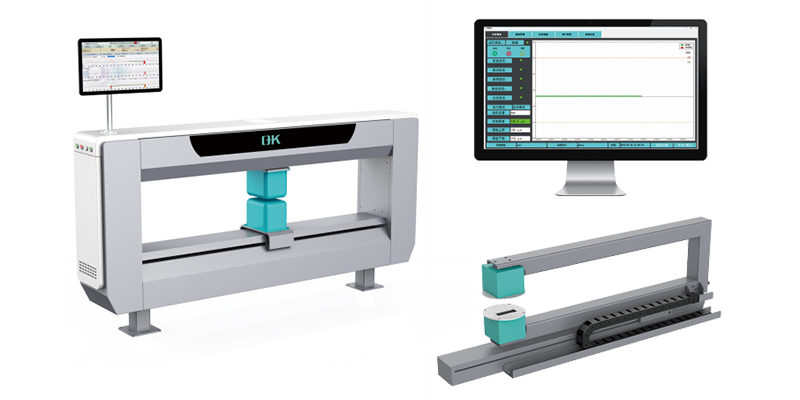
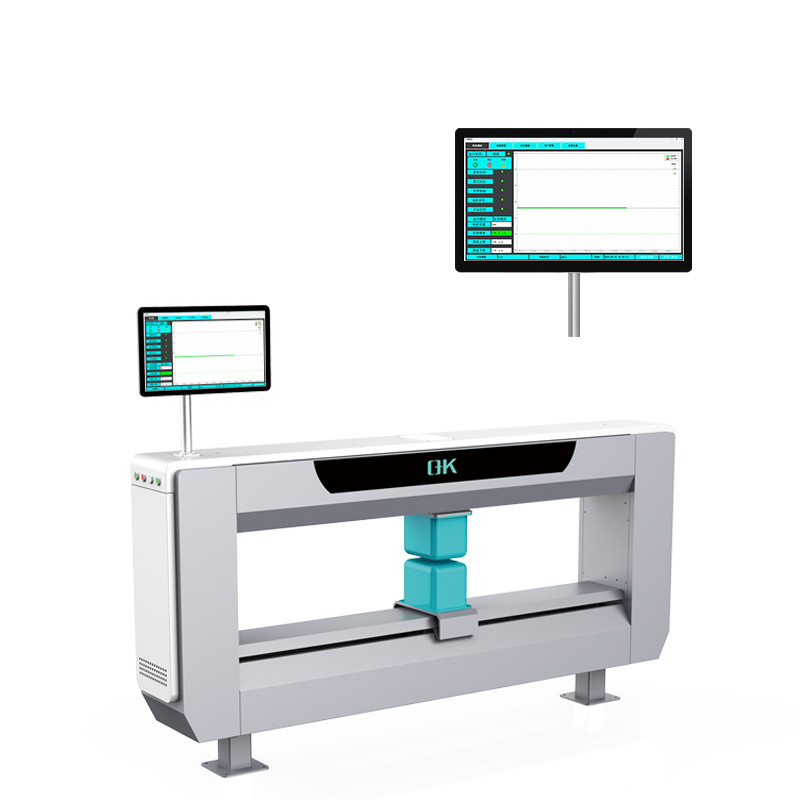
Engineered for high-speed, non-contact measurement of dense web materials. This system utilizes advanced X-ray transmission technology to measure the thickness of rubber calenders, plastic sheets, and metallic foils in real-time, providing instant feedback to control loops to ensure absolute uniformity across the entire roll width.
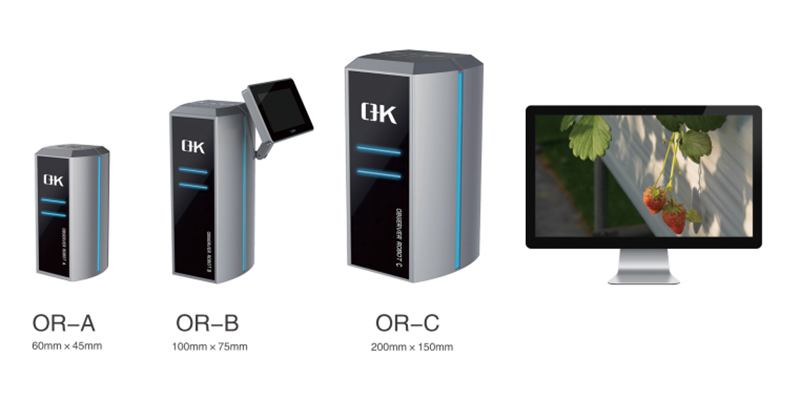
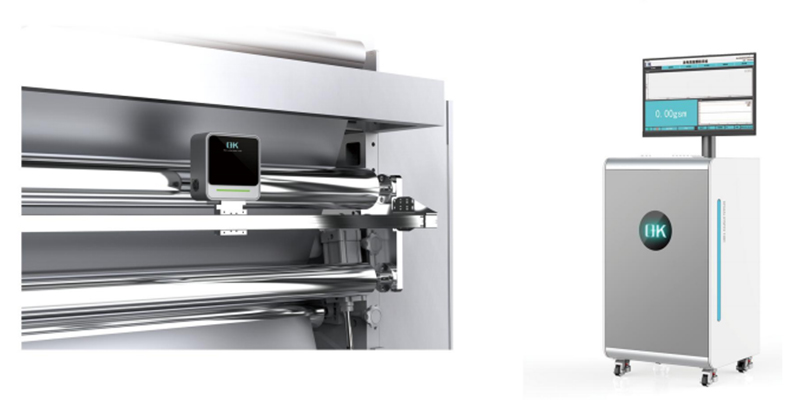
Designed for high-speed web printing and laminating lines, this system captures ultra-clear, high-resolution static images of the moving web. Operators can inspect print registration, coating patterns, and micro-defects at full production speeds, significantly reducing waste during startup and process transitions.
A comprehensive quality control solution for continuous coating processes. By integrating precise thickness measurement with surface defect inspection, it monitors wet and dry coating thickness on lithium battery electrodes, solar cells, and optical films, providing closed-loop control to guarantee optimal coating weight and uniformity.
Choosing the right technology for thickness in measurement in Mexico depends largely on the material properties, environmental conditions, and production speeds. Chongqing ARISE provides two primary non-contact measurement methodologies designed to withstand the harsh conditions of industrial floors:
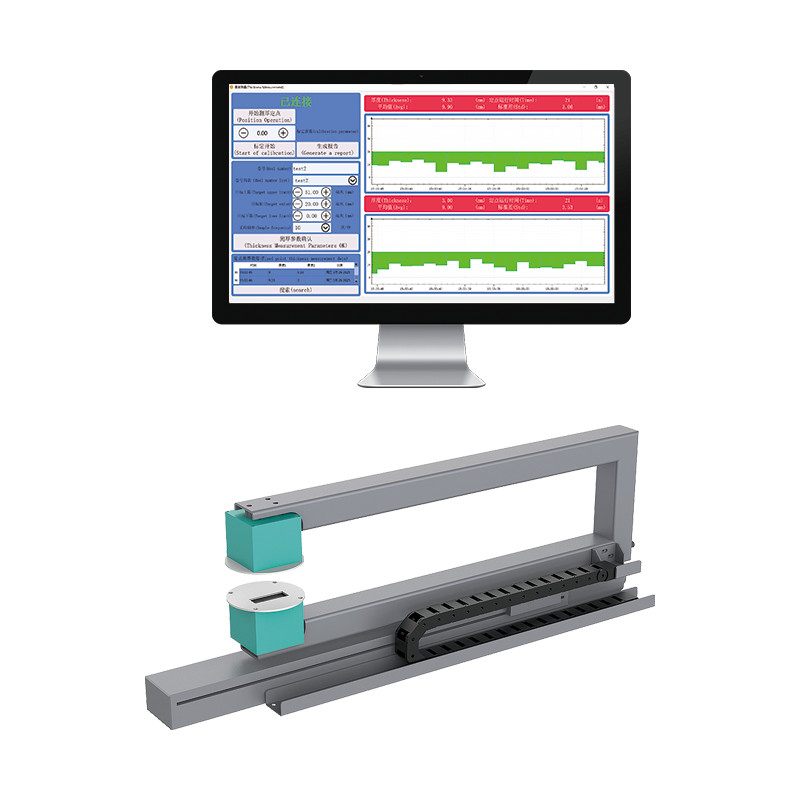
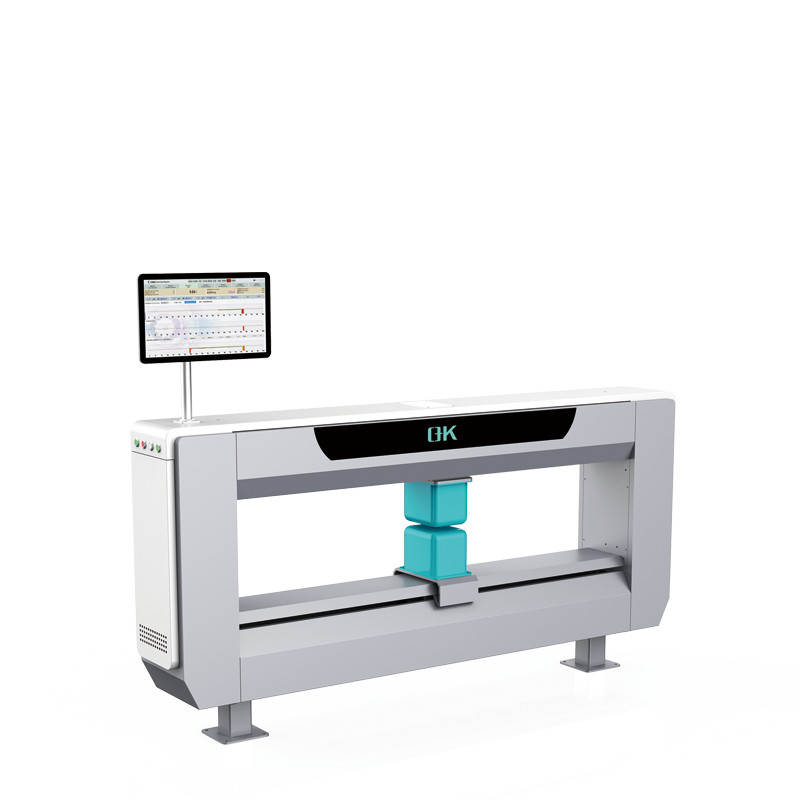
Laser triangulation is the preferred method for non-conductive, soft, or highly sensitive materials. The LCH-2000 and LCH-6000 series utilize dual laser sensors positioned above and below the material web. By calculating the distance between the sensors and the material surfaces, the system determines the absolute thickness in real-time.
For denser, thicker, or multi-layered materials like calendered rubber, steel sheets, or composite materials, X-ray transmission offers unmatched penetration and accuracy. The system measures the attenuation of X-ray beams passing through the material, which correlates directly with the material's basis weight and thickness.
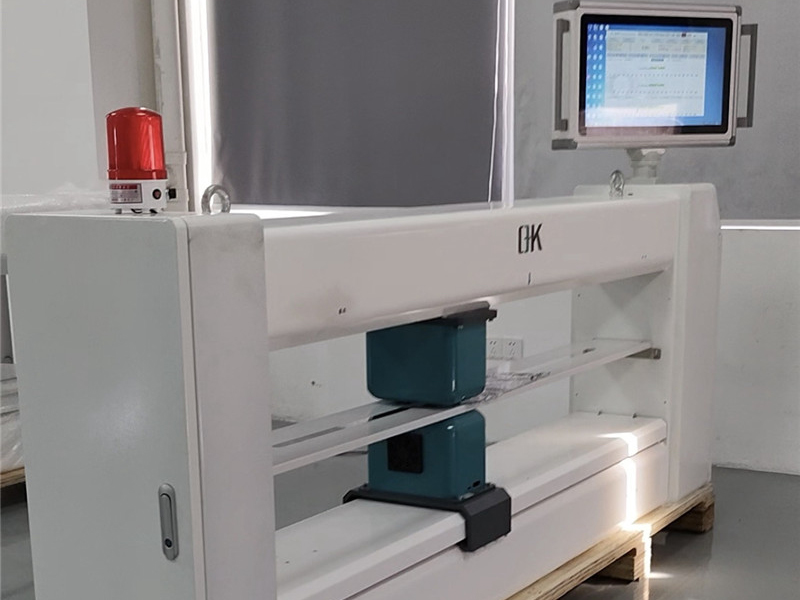
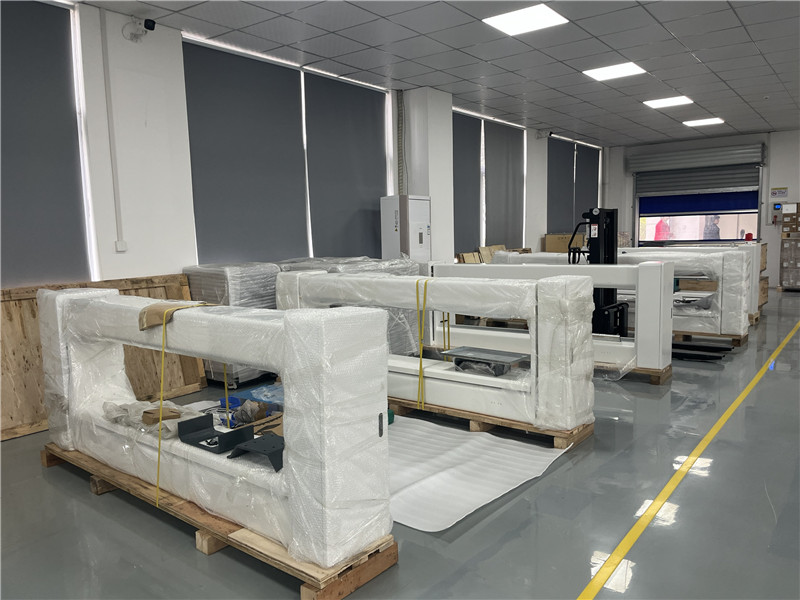
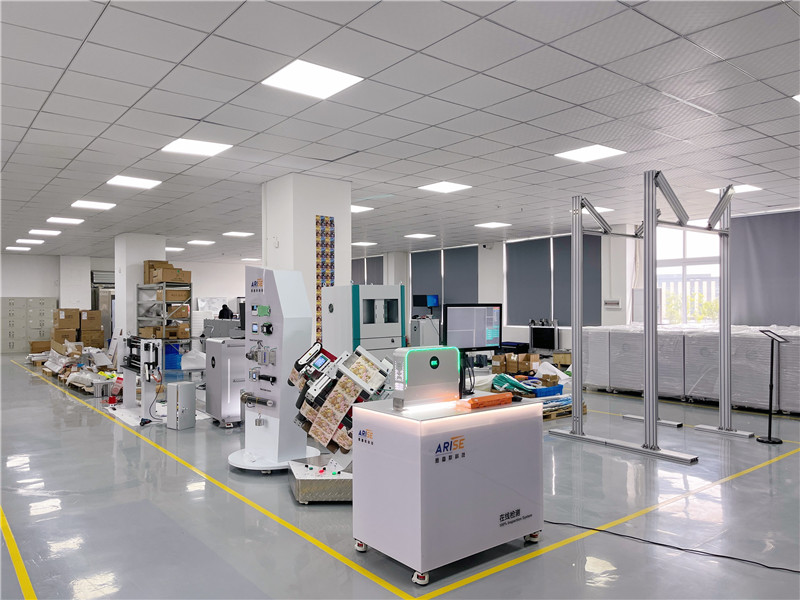
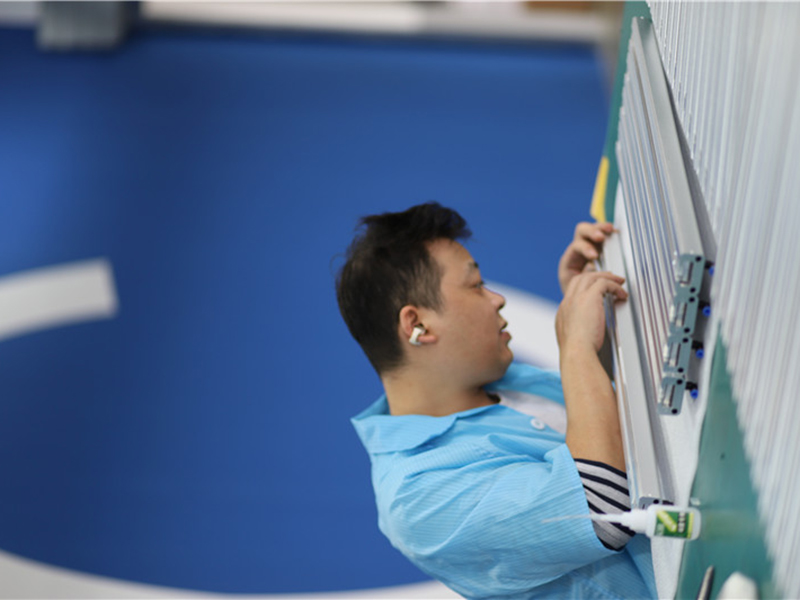
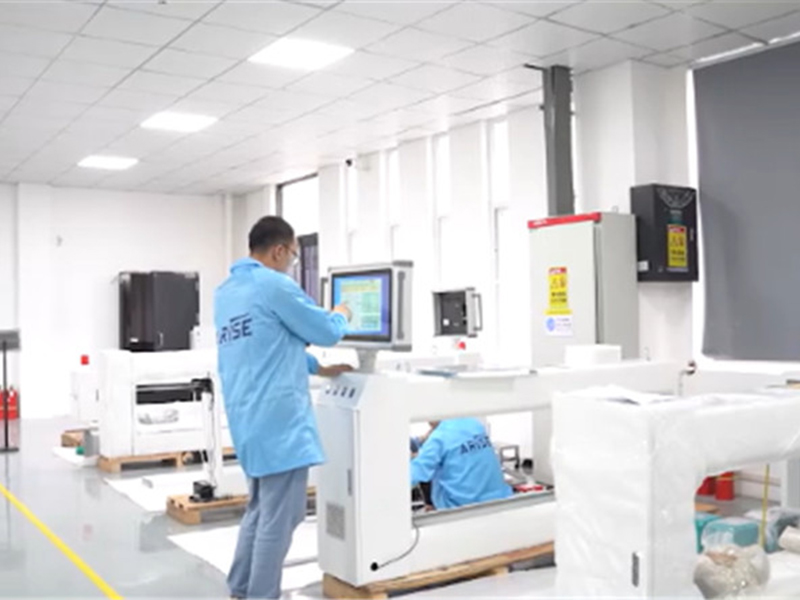
To understand the true impact of advanced metrology, let us explore how Chongqing ARISE systems solve real-world production challenges in Mexican factories:
A tier-one tire supplier in Silao, Guanajuato, faced challenges with thickness variations in their rubber calendering lines. Manual micrometer checks required stopping the line, leading to significant downtime and inconsistent quality. By installing the High Precision X-Ray Thickness Measurement System for Rubber Calenders, the plant achieved:
As northern Mexico becomes a hub for EV supply chains, a major battery cell manufacturer in Monterrey integrated the CTS 3.0 Coating Quality System. The system measures the wet and dry coating thickness of active materials on copper and aluminum foils. This ensured:
A flexible packaging manufacturer in Querétaro producing barrier films for the food industry implemented the LCH-6000 Laser Thickness Measurement System. Operating on a 5-layer co-extrusion line, the LCH-6000 provided:
The future of thickness in measurement in Mexico is deeply connected to the principles of Industry 4.0. Modern factories are moving away from isolated measurement devices toward fully integrated, cloud-connected inspection ecosystems. AI and machine learning algorithms analyze historical thickness profiles to predict equipment wear (such as roll wear in calendering machines) and schedule predictive maintenance. Chongqing ARISE is at the forefront of this shift, offering systems that integrate seamlessly with MES (Manufacturing Execution Systems) and ERP platforms, allowing plant managers in Mexico City, Guadalajara, and Monterrey to monitor production quality remotely from anywhere in the world.