Leave Your Message
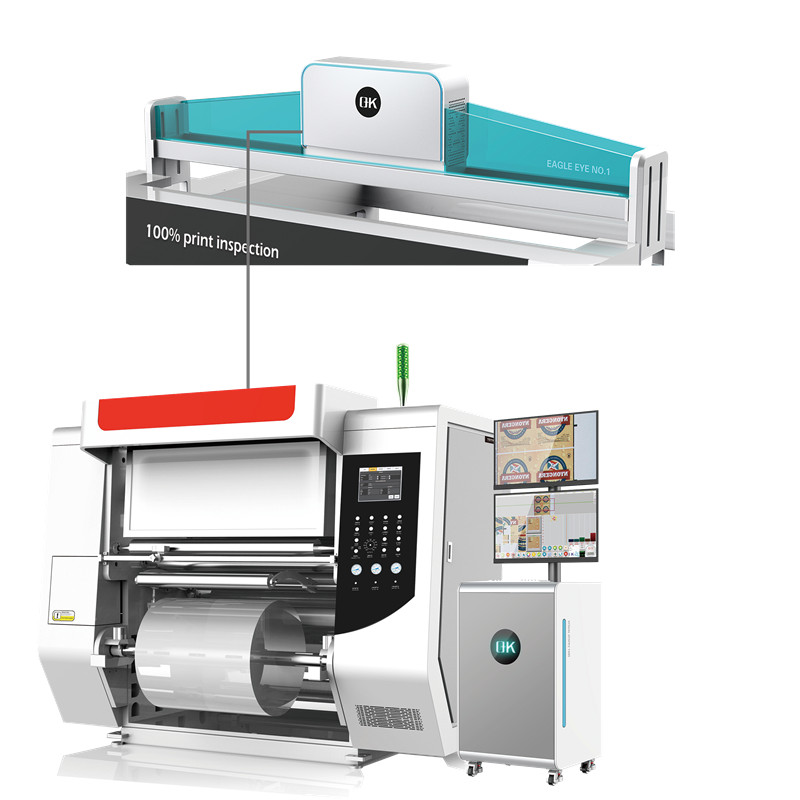
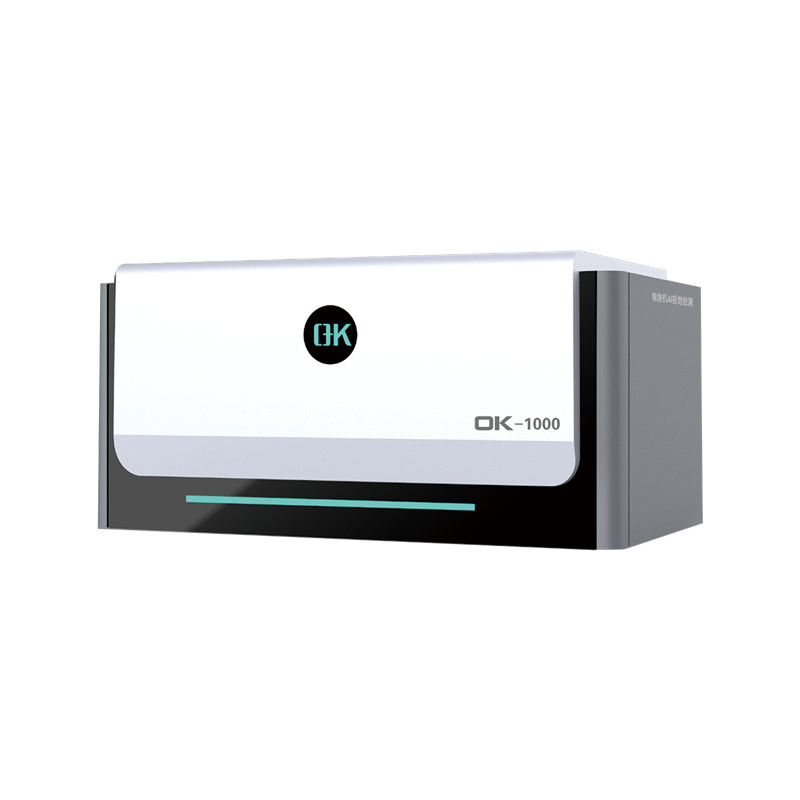
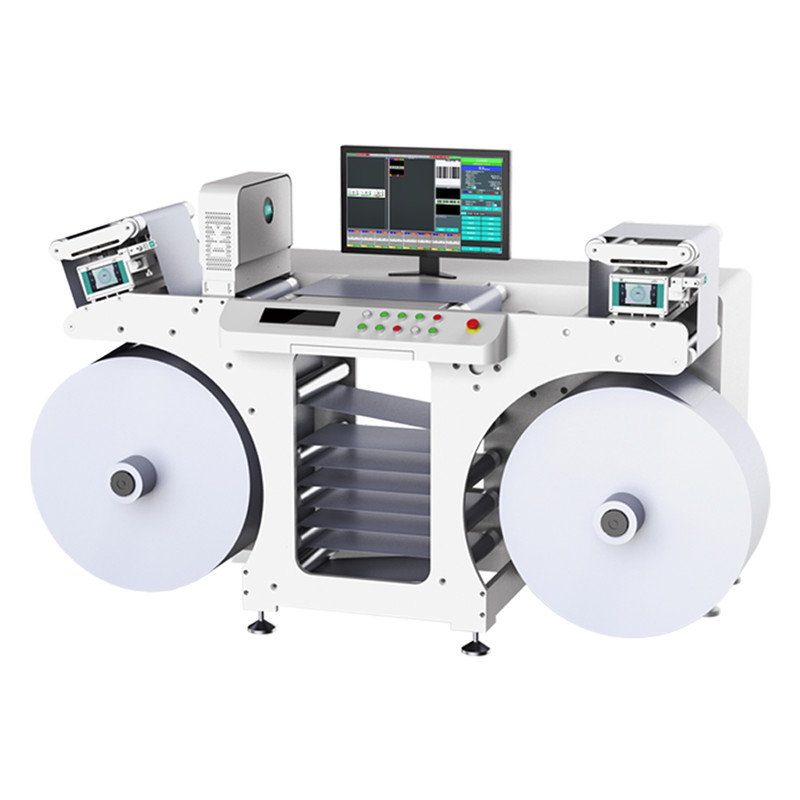
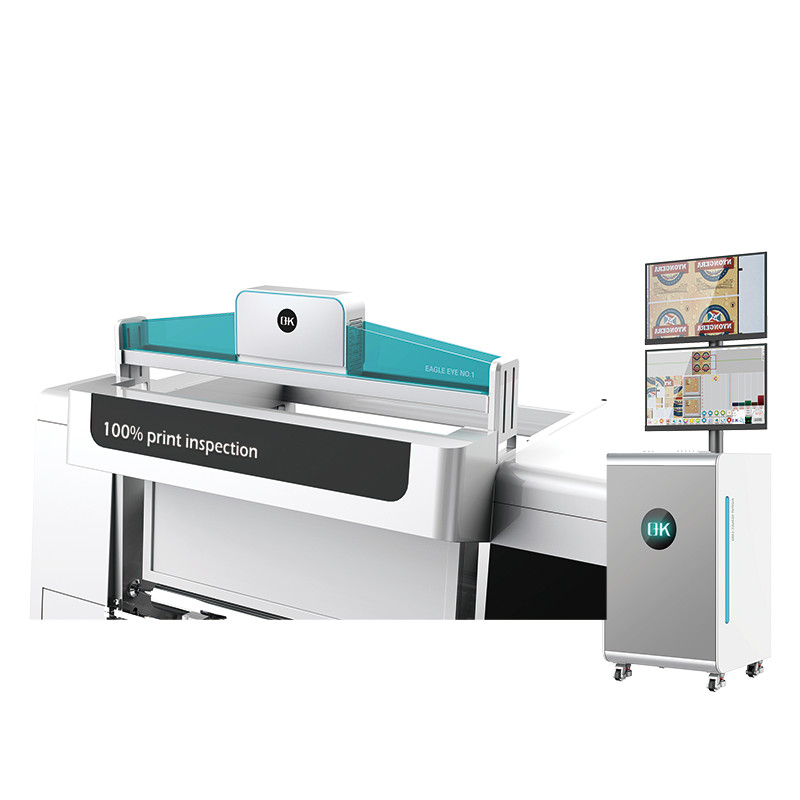
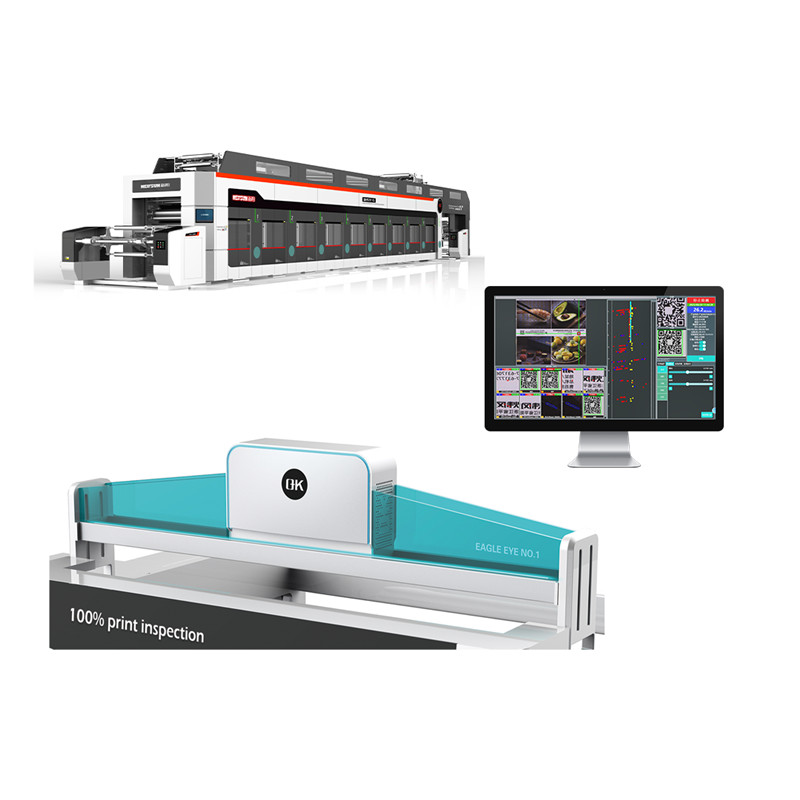
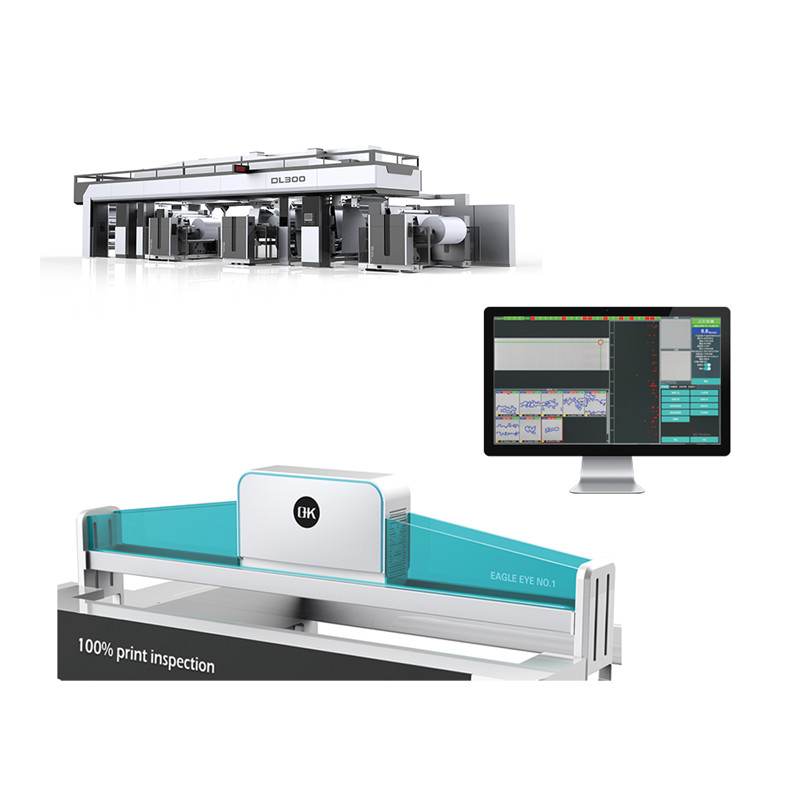
The manufacturing sectors in the United States, particularly across industrial hubs in the Midwest, Texas, California, and the Southeast, are undergoing a massive technological transformation. As labor costs rise and requirements for precision manufacturing tighten, press side inspection has evolved from a discretionary quality-control step into an absolute operational necessity. Press side inspection systems, integrated directly onto printing presses, laminators, slitter-rewinders, and coating lines, allow US operators to catch defects instantly at the source. This minimizes raw material waste, protects critical downstream processes, and ensures that every roll of material shipped meets strict quality thresholds.
In the packaging and printing industries, brands are demanding shorter lead times, higher color consistency, and zero-defect guarantees. Whether it is flexible packaging for food safety compliance in Chicago, pharmaceutical label verification in New Jersey, or advanced battery pouch cell manufacturing in Michigan, the integration of real-time optical inspection is reshaping production baselines. Leading US factories are transitioning from manual sampling methods to automated, high-speed vision systems that run continuously at line speeds exceeding 1,500 feet per minute, tracking micron-level defects without missing a single frame.
Localizing high-tech inspection systems ensures American manufacturers maintain uninterrupted production lines amidst global supply fluctuations.
Utilizing machine learning models to identify, classify, and log defects in real-time, integrating seamlessly with factory MES databases.
Meeting strict regulatory guidelines for food contact packaging, medical devices, and aerospace-grade lithium-ion batteries.
Modern US factories are moving away from passive inspection systems that simply sound an alarm when a defect is detected. The current trend points toward closed-loop automation, where the press side inspection system communicates directly with the press tension controller, web guider, or slitter. If a systematic drift is detected (such as a recurring registration error or web misalignment), the system automatically sends corrective signals to adjust the machinery on the fly, eliminating human intervention and reducing scrap rates to record lows.
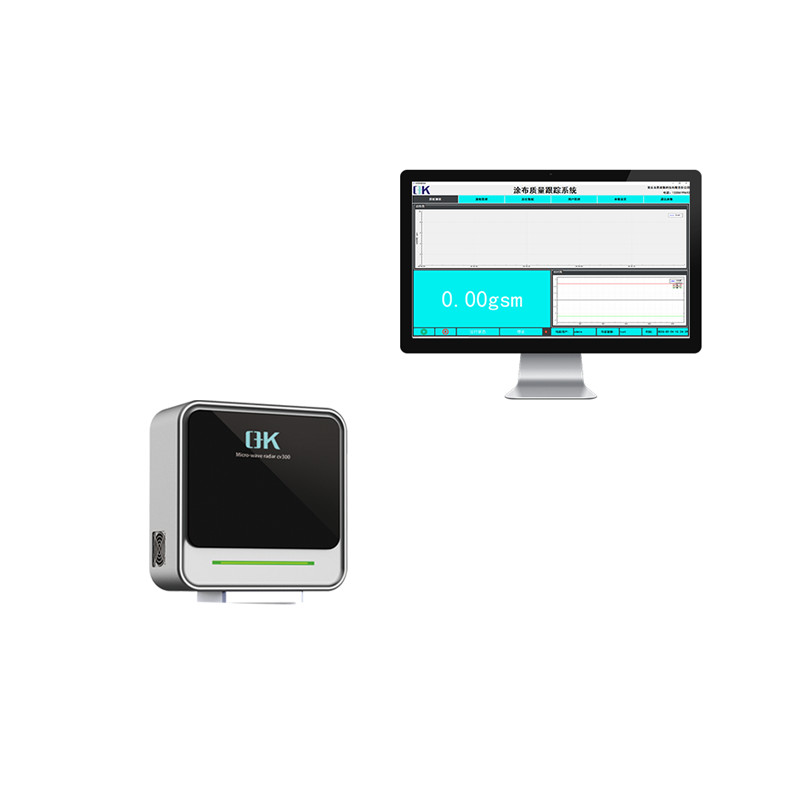
With the rise of advanced materials, such as solar films, lithium battery separators, and specialty barrier layers, traditional visual cameras are no longer sufficient. The market now demands multi-spectral inspection systems, combining high-resolution line-scan cameras with micron-level radar or thickness-measuring sensors. This allows for the simultaneous inspection of surface defects (like scratches and pinholes) and internal coating uniformity, ensuring maximum reliability for high-stakes applications.
Under the umbrella of Industry 4.0, press side inspection systems are no longer isolated islands of data. US manufacturers are leveraging IoT connectivity to upload defect maps, roll quality ratings, and system telemetry directly to the cloud. This data allows plant managers to run predictive maintenance schedules on their presses, compare run-time efficiencies across different shifts, and provide end-customers with comprehensive, verifiable quality reports for every single roll delivered.
The versatility of press side inspection makes it indispensable across multiple key sectors of the US industrial economy. Here is how our technology is applied in real-world American production facilities:
Chongqing ARISE Technology Co., Ltd. is a leading provider of intelligent web control solutions, headquartered near Chongqing East Railway Station in the Sichuan-Chongqing economic zone. With 25 years of experience in web control technology innovation, we are an ISO 9001-certified specialized, refined, distinctive, and innovative small giant enterprise. We hold 6 invention patents, 11 utility model patents, 26 design patents, and 18 software copyrights.
Our R&D team, with an average of over 10 years of experience, drives innovation in both hardware and software. Our products, including web guiding, tension control, and vision inspection systems, are certified by EU CE, EMC, and ISO standards, and serve industries such as printing, lithium batteries, photovoltaics, packaging, and more. With a service network spanning over 150 countries and regions, we have established long-term partnerships with many renowned companies, actively serving and supporting the growing demands of the United States market.
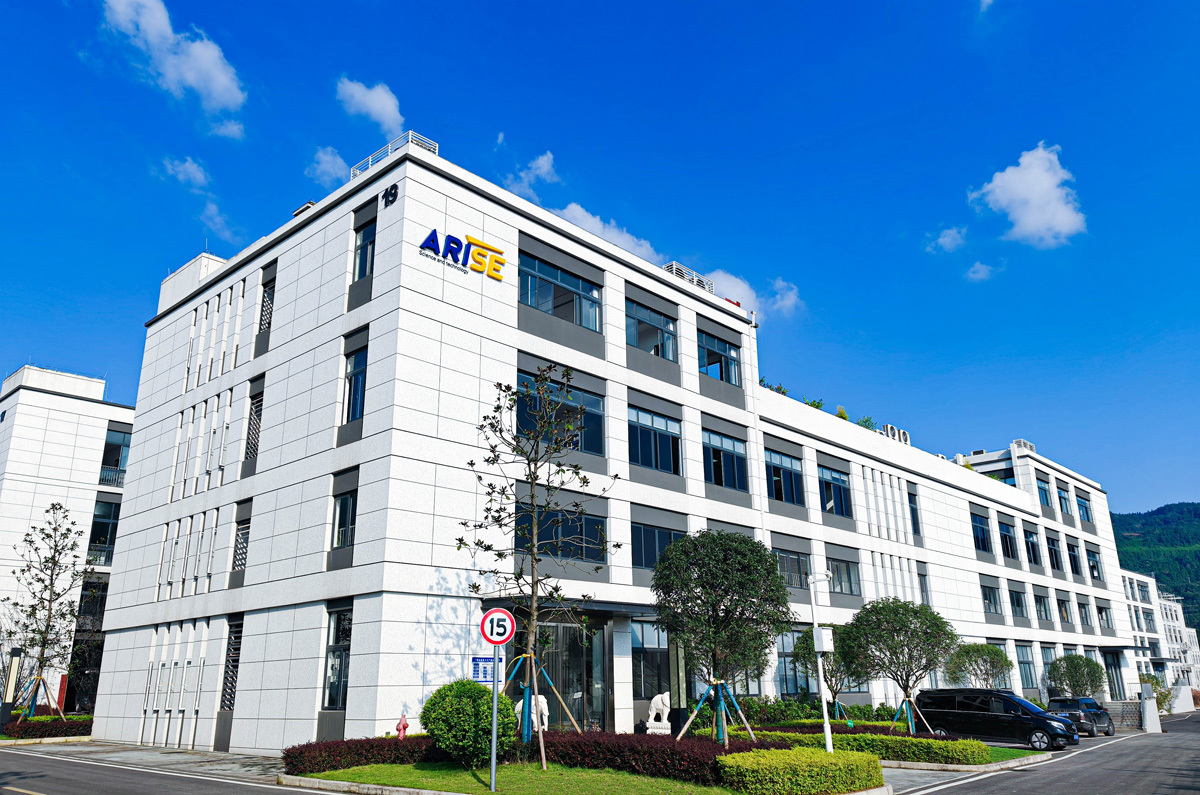
Our vision is to become the world's No.1 brand in web control technology, delivering unmatched precision and reliability to global manufacturing lines.
With a mission to continuous innovation in web control technology, supporting the globalization of intelligent manufacturing and empowering factories worldwide.
We uphold the core values of innovation, integrity, professionalism, and gratitude, and are dedicated to pursuing this vision relentlessly for our global partners.
When sourcing press side inspection systems for US operations, engineers and procurement managers must evaluate several key performance indicators. It is not just about camera resolution; it is about system integration, software adaptability, and long-term support. Here is what to consider:
Ensure the camera's line-scan rate can match your press's maximum operating speed without dropping frames. For high-speed slitter-rewinders operating at 600m/min, high-frequency line-scan cameras (such as those used in our OK-6000 series) are required to capture defects down to 0.1mm².
The inspection software should feature advanced AI algorithms capable of distinguishing between critical defects (like holes, dirt, and missing print) and non-critical process variations (like minor watermarks or acceptable color gradients). Customizable defect classification prevents unnecessary machine stops and optimizes throughput.
A truly efficient line integrates inspection with web guiding and tension control. Chongqing ARISE Technology provides a unified ecosystem where vision systems communicate directly with guiding actuators and tension brakes, providing a complete, synchronized control solution from a single engineering source.