



Hard to trace web defects? Can’t tell which process caused the defective roll?
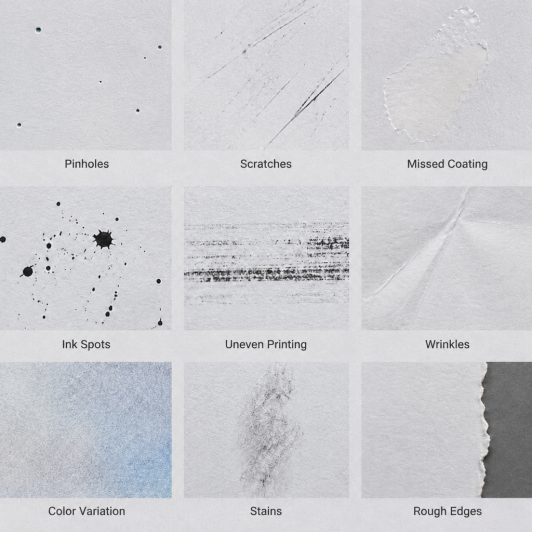
High-value webs such as lithium copper foil, wood-grain decorative paper, coated paper and medical packaging feature long production process chains. Abnormalities in any stage including substrate preparation, coating, printing and rewinding can lead to various defects such as pinholes, scratches, missing coating and ink spots.
When downstream customers report quality issues and defective rolls are returned to the workshop, manually checking logs and consulting on-duty operators often fails to identify the root cause of defects.
Scrapping the entire roll directly results in substantial material and capacity losses. If production continues without identifying the root cause, similar defects will recur, triggering repeated customer complaints and harming the company’s reputation. Manual records are prone to omissions and errors. Without defect images and positional data, troubleshooting relies heavily on operator experience, making it hard to close the loop on quality control.
Many factories are equipped with visual inspection systems, yet only use basic functions for defect alarming and defective product rejection. This merely stops losses after the fact. Without tracing the root cause of defects, quality issues will keep recurring, and the full value of the equipment remains untapped.
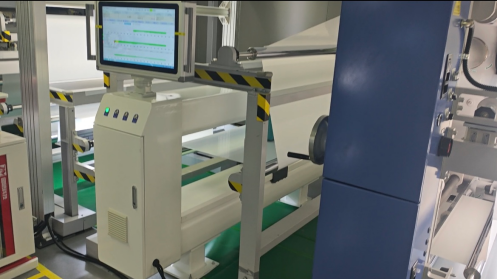
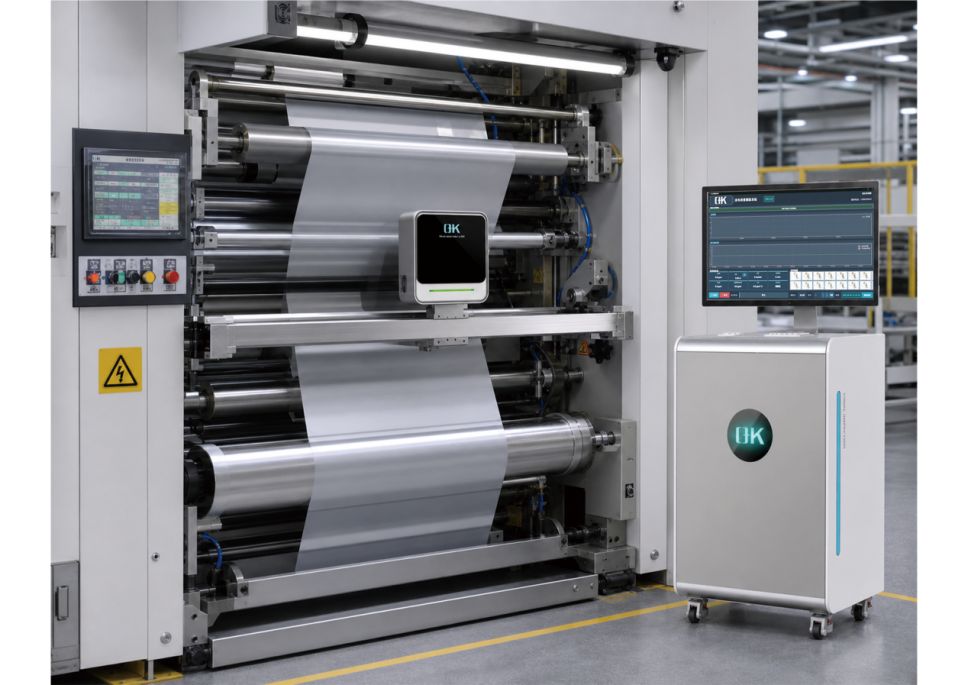
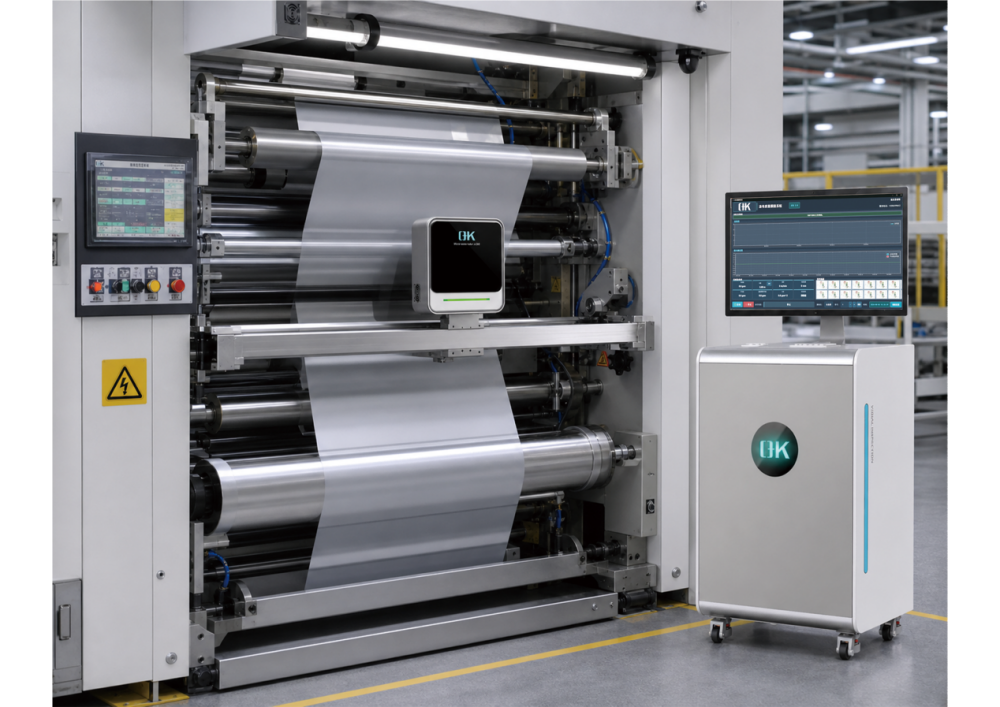
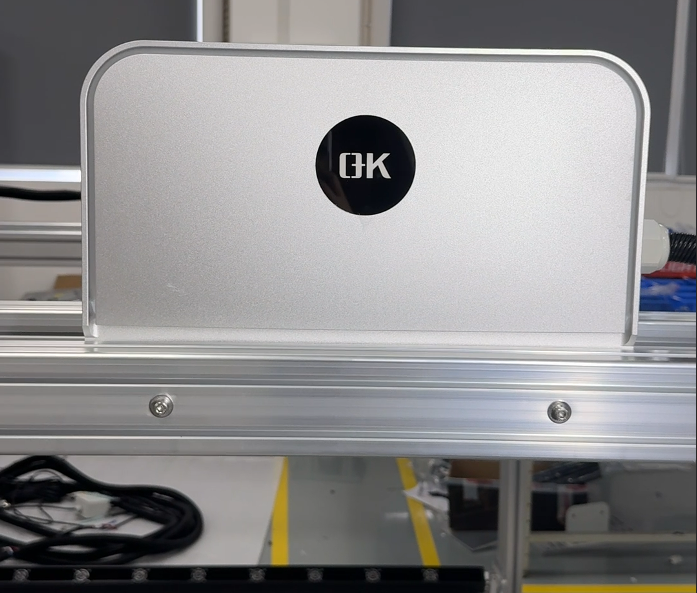
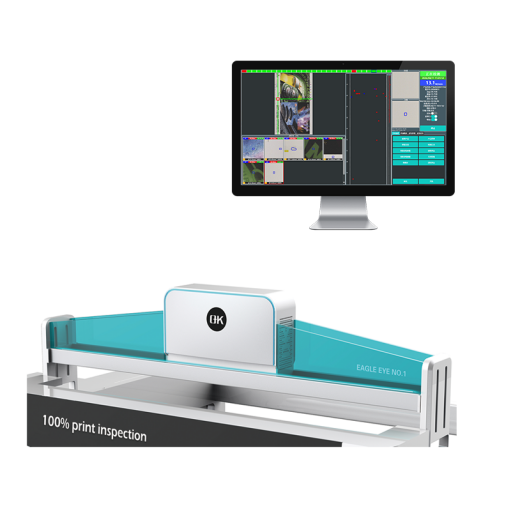
The OK series visual inspection systems (OK-6000 monochrome front & back inspection, 8-camera solution for lithium copper foil, W500 web guide all-in-one frame) feature built-in comprehensive web traceability on top of defect identification and rejection, effectively solving manufacturers’ practical challenges of defective roll root-cause tracing:
One roll, one file: automatic generation of digital quality inspection records
The system automatically binds roll numbers, production batches and timestamps. For every detected defect, it synchronously stores defect snapshots, defect types and transverse & longitudinal position data. When reviewing customer complaints, users can retrieve the complete quality inspection record with one click simply by entering the roll number. It replaces cumbersome and error-prone paper logs and greatly cuts down the investigation time for quality control personnel.Multi-station deployment to pinpoint the process where defects originate
Inspection units can be deployed at multiple key process nodes along the line. By comparing defect patterns and position distributions captured at different stations, it can clearly distinguish whether defects come from incoming raw materials or are generated in a specific process. This helps engineers quickly locate the problematic station, avoiding blind machine adjustments and trial runs and reducing waste generated during testing.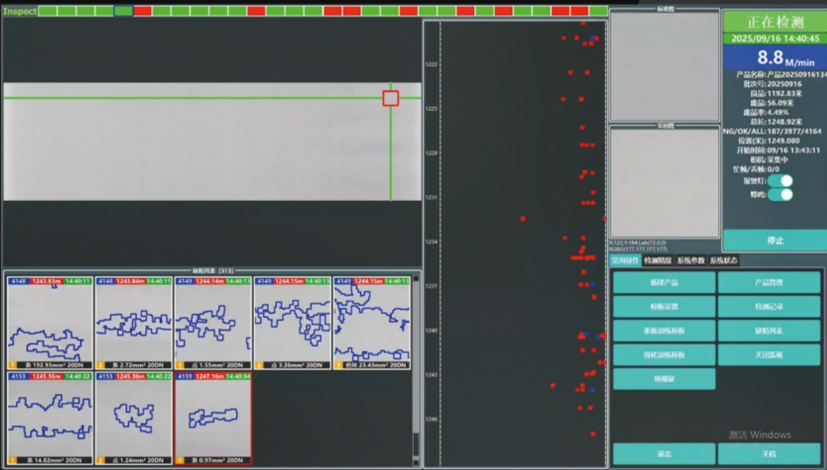
Supports MES system integration and exports standardized traceability reports
Inspection data can be integrated with the factory MES system to directly export standardized quality reports. Internally, the data serves as the basis for process review and parameter optimization. Externally, when facing customer factory audits and complaint disputes, the combination of images and data provides solid evidence, reducing risks in complaint handling.Compatible with various substrates for both new line integration and existing line retrofits It adapts to a wide range of substrates including ultra-thin lithium copper foil, wood-grain decorative paper and coated packaging webs, and supports different web widths and line speeds. Whether integrated on brand-new production lines or deployed for intelligent upgrading of existing lines, the solution can be implemented smoothly to add traceability capabilities to your line with a low entry barrier.
Detecting defects only stops non-conforming products from being shipped out. Defect traceability, by contrast, enables root-cause process improvement and lower defect rates. With the OK series visual inspection system, quality troubleshooting no longer relies on subjective guesswork based on experience. Process optimization is backed by real defect images and data, effectively cutting scrap losses, stabilizing yield and safeguarding the company’s market reputation.
If you are also troubled by low efficiency in defect traceability and lack of quality inspection evidence for customer complaints, please contact us for a customized integrated solution of online inspection and defect traceability.