



100% Print Inspection for Premium Packaging: How a Web Vision Inspection System Finds Every Defect
Why Premium Packaging Has No Room for Defects
Every Mid-Autumn Festival, mooncake gift boxes get more elaborate: hot-foil patterns, embossed relief, smooth gradients. Many buyers hesitate to open them because they look so good. Behind that flawless look are four trends:
- Gift packaging is part of the gift. The moment a box is opened is part of the message.
- Beautiful packaging gets shared. A well-made box becomes content on social media.
- Printing has improved. Finer artwork, tighter registration and more surface finishes are now possible on paper and film.
- The finer the design, the more visible the flaw. A tiny scratch or stain is far easier to see on detailed artwork, and complex processes create more places for errors: die-line offset, misregistration, color patches, dents or bumps, and damaged edges.
Consumers also tolerate far fewer flaws on gift packaging than on ordinary packaging. One defect can spoil the whole box. Yet paper and film move fast on a printing line, and human inspectors cannot stay consistent, tireless and focused at that speed. That is the problem a print quality inspection system solves.
What Is a Web Inspection System?
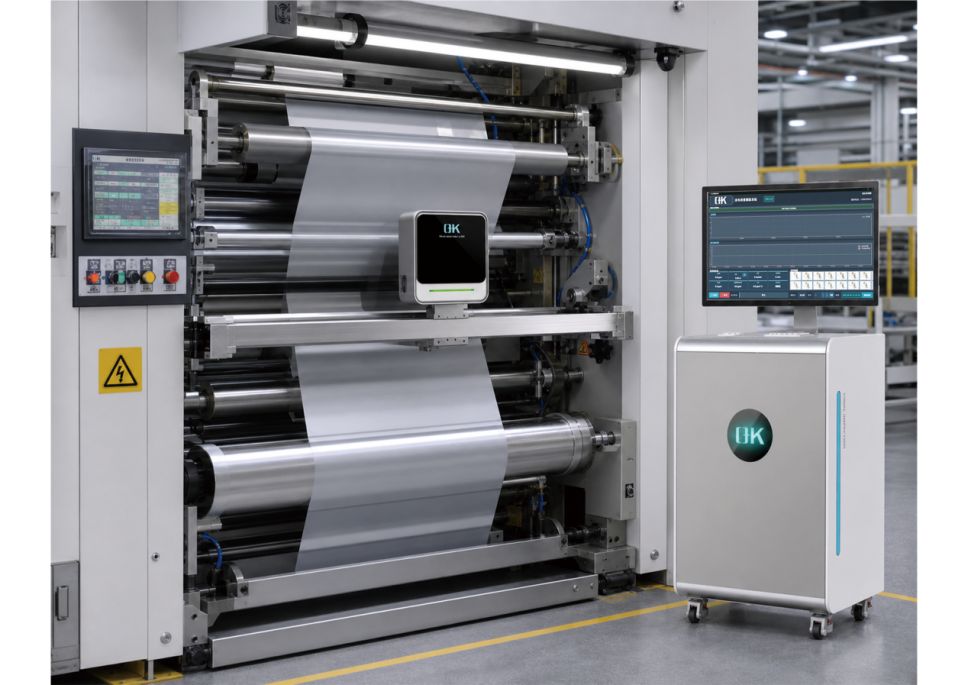
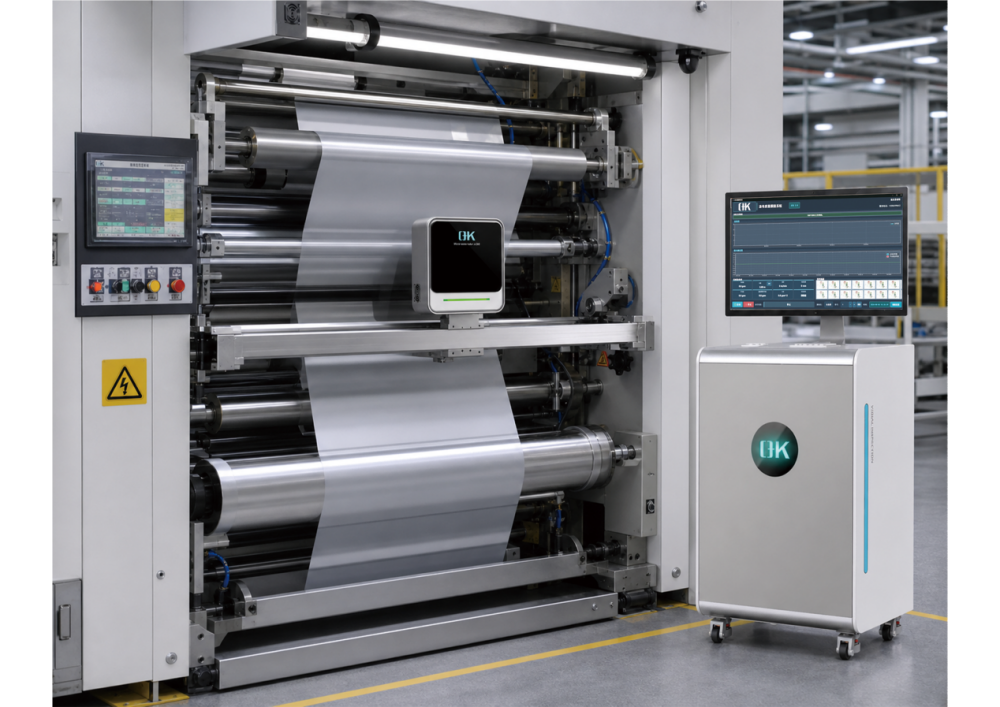
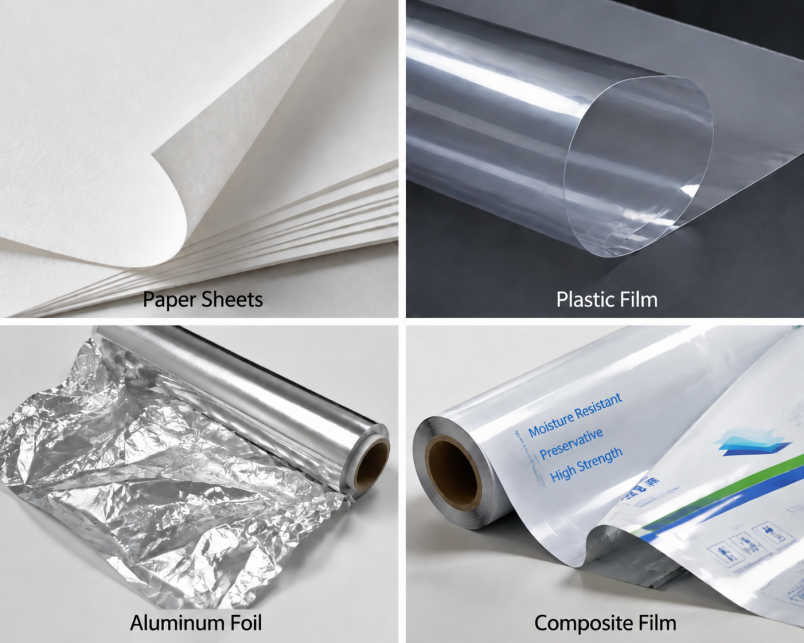
A web inspection system uses cameras, lighting and image-processing software to check a continuously moving web (a roll of paper, film or foil) for defects. Depending on the industry, the same technology is also called a print inspection system, a print quality inspection system, a defect inspection system or a surface inspection system. All of them do the same job: find defects automatically, in real time, and prevent defective material from moving on to the next process.
What Defects Can a Vision Inspection System Detect?
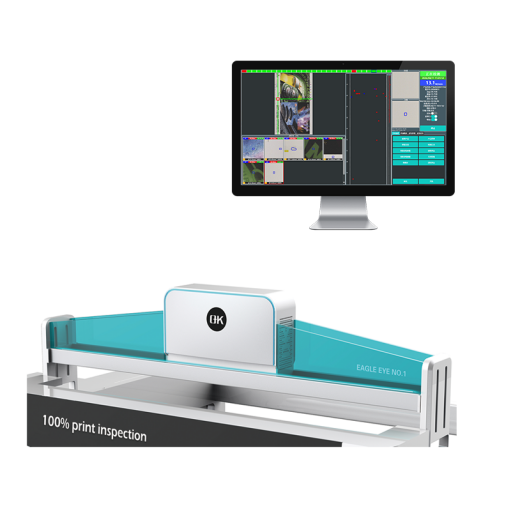
The OK-6000 detects the following on printed film and paper:
- Scratches
- Stains and spots
- Dents (concave defects)
- Bumps (raised defects)
- Edge damage and tears
- Die-line (knife-line) offset
- Longitudinal and transverse deviation
- Color patches
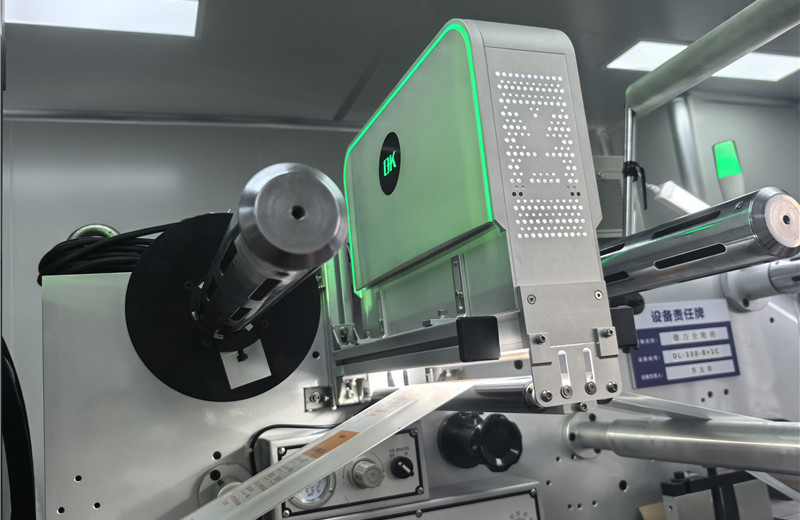
How the O+K OK-6000 Works
- Material-specific lighting makes defects visible. Different materials reflect light differently. O+K selects lighting to suit the material, so scratches and surface irregularities that are hard to see by eye become clear in the image.
- High-speed, full-width scanning covers every inch. The system uses a line-scan CMOS camera built for print inspection (8K, high speed, high resolution) with a high-definition, distortion-free lens. However fast the material runs, the camera keeps pace and covers the entire width. This is true 100% print inspection, not sampling.
- Real-time processing decides what is a defect. Images travel through an imported high-speed dual-channel frame grabber to an industrial PC with a 64-bit eight-core processor, which evaluates each suspected defect as the web runs.
- Instant response keeps defects out of the next process. The system outputs a 24V defect signal that can drive an alarm light or a marking system, so the defect location is easy to find. With the optional position-locating module, it can also control the rewinder automatically, so defective sections are handled before they reach the next process.
Catching Real Defects Without False Alarms
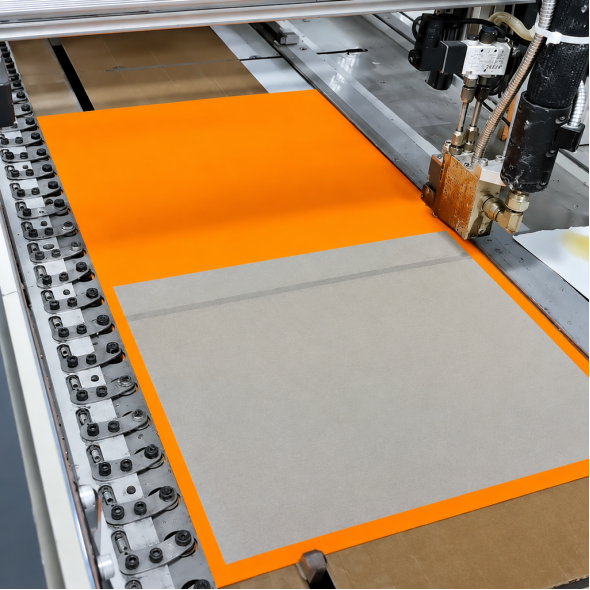
An inspection system that raises too many false alarms slows production down. The OK-6000 is designed to reduce them:
- Zoned sensitivity adjustment: strict settings for the main artwork, more relaxed settings for blank areas.
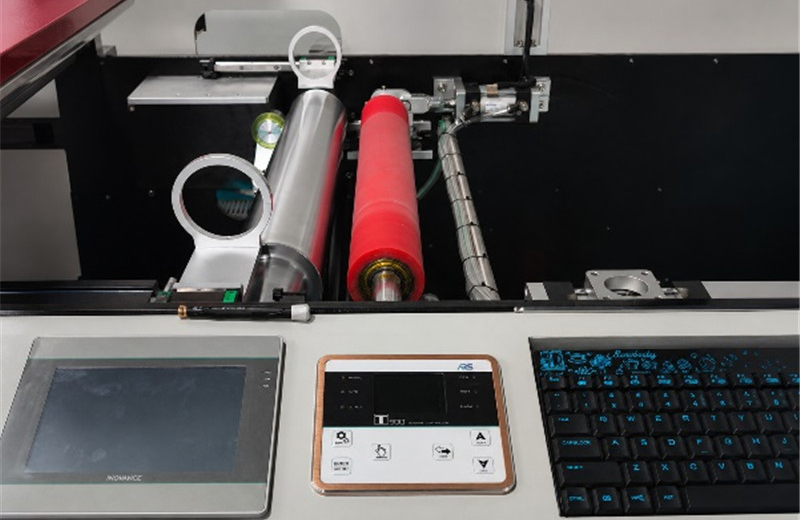
- Simple operation: operators can use it with little training.
- Job data saved, one-key start-up: saved parameters are recalled at job changeover, so there is no repeated tuning.
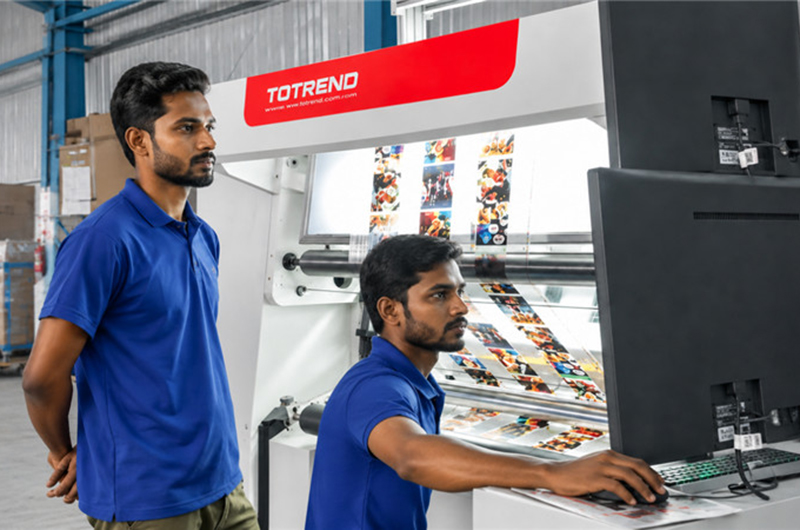
- Live defect display: every suspected defect appears on screen with its type and location, so operators do not have to watch the moving web.
Technical Overview
| Item | Specification |
| System | O+K OK-6000 Vision Inspection System |
| Inspection coverage | 100% of the web, full width |
| Camera | 8K high-speed, high-resolution line-scan CMOS |
| Lens | High-definition, distortion-free |
| Lighting | Selected according to material |
| Frame grabber | Imported high-speed dual-channel |
| Processor | Industrial PC, 64-bit eight-core |
| Output | 24V defect signal (alarm light / marking system) |
| Optional | Position-locating module, automatic rewinder control |
| Maximum line speed | [to be filled in] |
| Minimum detectable defect size | [to be filled in] |
| Web width range | [to be filled in] |
Surface Inspection for Printed Film and Paper
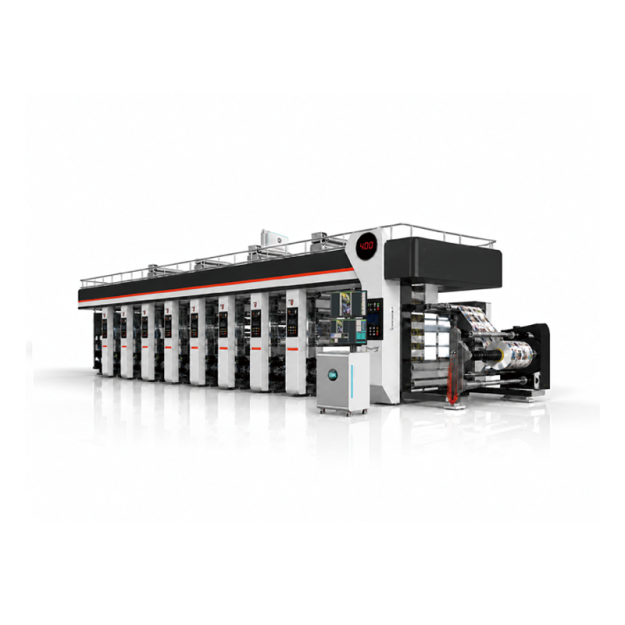
The OK-6000 provides surface inspection for printed film and surface inspection for paper, including the packaging materials behind premium gift boxes. Because lighting is chosen per material, the same approach can be matched to different substrates and finishes.
FAQ
What is 100% print inspection?
100% print inspection means every part of the printed web is inspected in real time, not just a sample. Automated cameras scan the full width so that no defect passes unchecked.
How is a vision inspection system different from manual inspection?
Manual inspection depends on operators watching a fast-moving web, which leads to missed defects and fatigue. A vision inspection system scans every inch consistently and reports each defect's type and location on screen.
What defects can the OK-6000 detect?
Scratches, stains, dents, bumps, edge damage, die-line offset, longitudinal and transverse deviation, and color patches.
How does it avoid false alarms?
It offers zoned sensitivity settings, saved job parameters that can be recalled at changeover, and simple operation.
Can it deal with defective material automatically?
Yes. It outputs a 24V defect signal to an alarm light or marking system. With the optional position-locating module, it can automatically control the rewinder to handle the defective section.
O+K wishes everyone a happy Mid-Autumn Festival and a reunion with those they love.