Leave Your Message
Nearshoring dynamics, automated quality standards, and high-throughput production lines demand millisecond-accurate optical diagnostics.
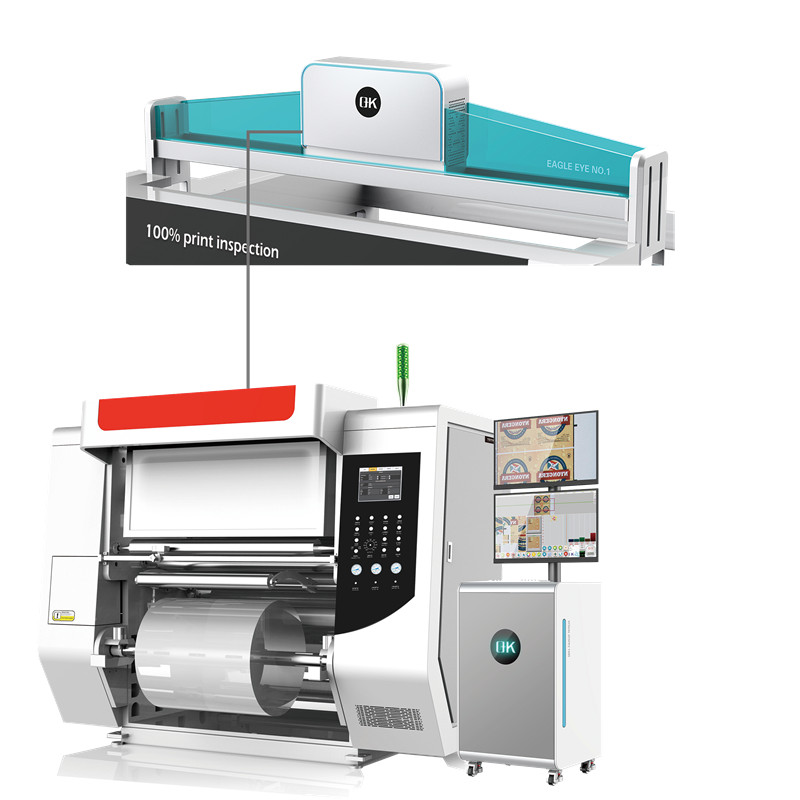
The manufacturing landscape across Mexico is undergoing an unprecedented modernization cycle. Catalyzed by global supply chain reconfiguration and the robust influx of foreign direct investment under the nearshoring phenomenon, industrial clusters throughout Nuevo León (Monterrey, Saltillo), the Bajío corridor (Querétaro, Guanajuato, San Luis Potosí), and the northern border tier (Tijuana, Mexicali, Ciudad Juárez) are upgrading legacy manual inspection to automated machine vision. In continuous roll-to-roll (R2R) processing, flexible packaging converting, battery electrode coating, and tire calendering, operating velocities frequently exceed 400 to 1,200 meters per minute. At these rapid rates, visual defects such as pinholes, streaks, edge tears, color deviations, coating voids, and dimensional deviations cannot be reliably intercepted by human eyes or conventional slow-frame cameras. High-speed imaging manufacturers and suppliers have therefore transitioned from auxiliary equipment providers to indispensable quality gatekeepers for Mexican Tier-1 and Tier-2 industrial suppliers.
Furthermore, stringent quality mandates driven by the United States-Mexico-Canada Agreement (USMCA) necessitate deterministic defect traceability. High-speed imaging architectures integrate ultra-fast CMOS line-scan and area-scan sensors with synchronized strobe illumination, capturing micro-scale visual data in real-time. Paired with edge AI computing algorithms, these systems detect, categorize, and log micro-defects without creating line bottlenecks. From preventing defective blister packaging in Jalisco's pharmaceutical hubs to assuring zero-void coating on lithium battery separator films in emerging green-tech plants in Northern Mexico, high-speed vision systems safeguard yield percentages, eliminate catastrophic customer recalls, and reduce material wastage to an absolute minimum.
Deploying specialized CMOS line-scan arrays operating up to 80kHz to 200kHz line rates, capturing razor-sharp image fidelity even on converting substrates moving at 1,200 m/min without motion blur.
AI neural networks trained specifically for industrial web substrates instantly distinguish critical functional punctures and surface voids from harmless dust particles or water spots.
Seamless connectivity with Mexican factory fieldbuses (Profinet, EtherNet/IP, Modbus TCP) to provide instant defect location marking, roll mapping, and automatic reject triggering.
Tailored optical inspection configurations solving sector-specific production challenges across Mexico's manufacturing heartland.
1. Flexible Packaging and High-Speed Rotogravure Printing in Central Mexico: Mexico City, the State of Mexico, and Guadalajara host one of Latin America's largest concentrations of flexible packaging converters serving global FMCG brands like Bimbo, Nestlé, and Unilever. Our High Speed 1200m/min HD Web Monitoring System ensures dynamic color register verification, doctor blade streak interception, and continuous repeat pattern inspection on BOPP, PET, and aluminum foil laminates, preventing kilometers of wasted print runs.
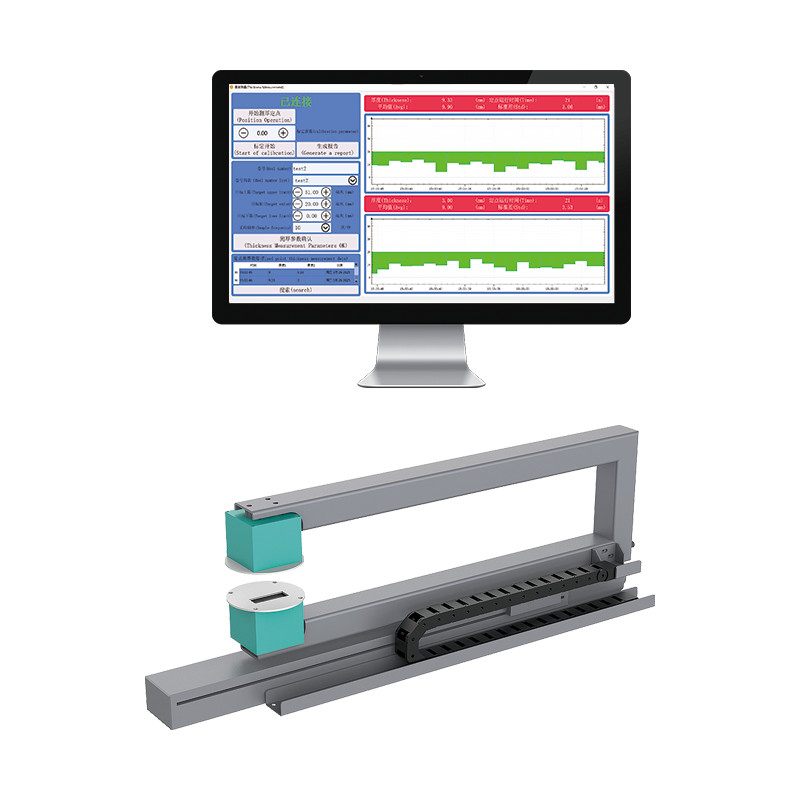
2. Automotive Rubber Calendering and Tire Manufacturing in the Bajío: Guanajuato and San Luis Potosí are world-class automotive assembly hubs. Steel cord and textile cord rubber calendering lines demand micrometer-exact gauge monitoring. The deployment of high-precision non-contact X-ray and laser thickness gauges enables round-the-clock thickness profiling across the entire web width, preventing dimensional instability in green tire components.
3. E-Mobility and Lithium-ion Battery Separators in Northern Mexico: As Monterrey transforms into an electric mobility capital, EV battery component manufacturing is burgeoning. High-speed line scan imaging combined with dual-sided laser scanning systems (such as the LCH-6000) inspects sub-micron pinholes, gel slugs, and edge frills on battery separator films and copper/aluminum foil current collectors under high-speed rewinding conditions.
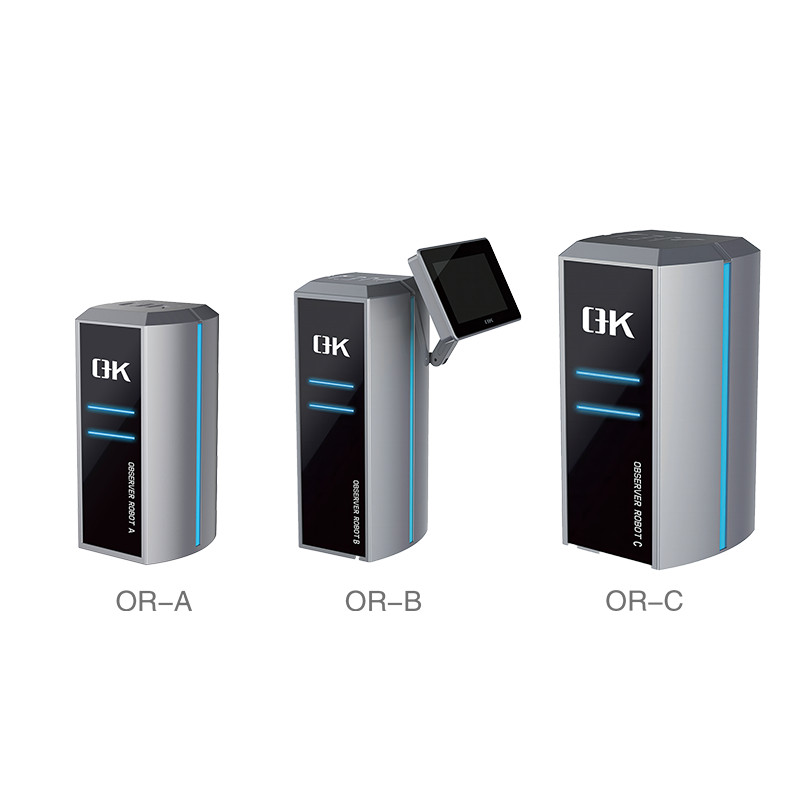
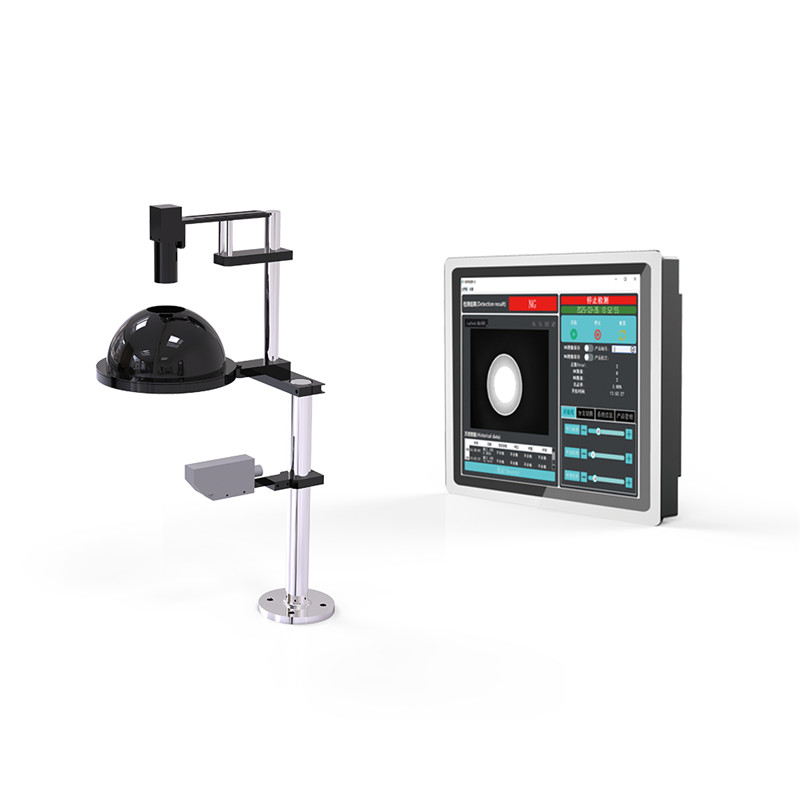
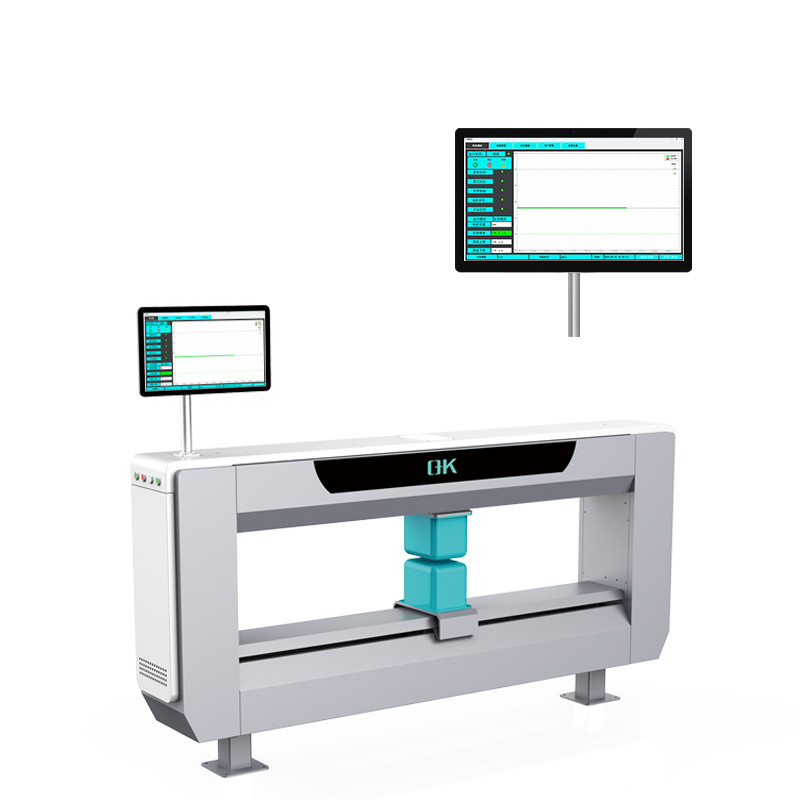
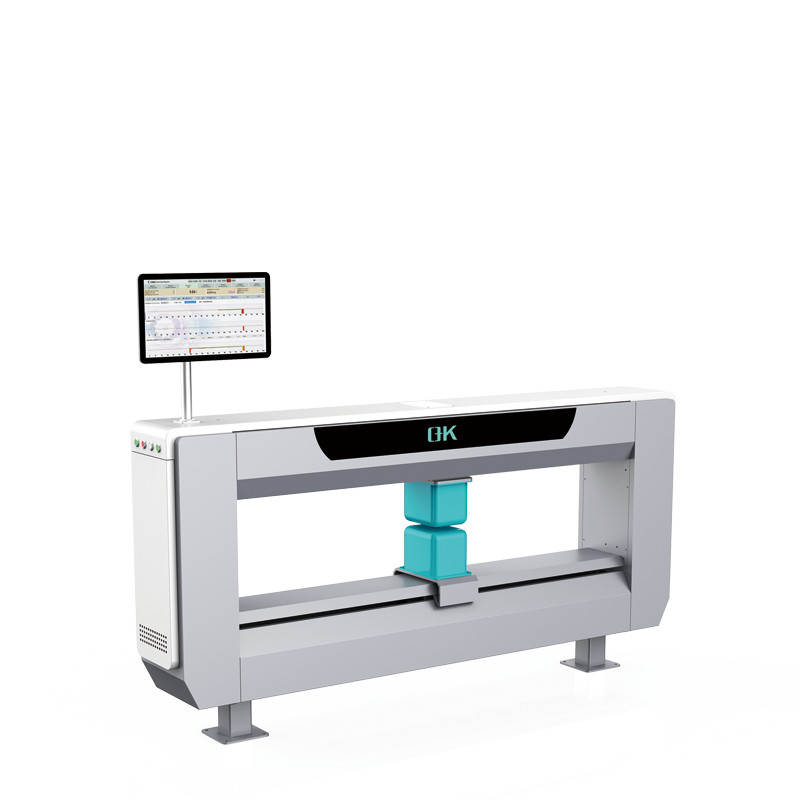
4. Paper Food Containers and Maquiladora Converting Facilities: Along the northern border, high-speed automated packaging machines produce millions of cups and containers daily for export. Vision defect systems such as the OK-2000A inspect curling edges, bottom sealing integrity, inside contamination, and print alignment at speeds matching up to 300 units per minute, automating optical rejection before final carton packaging.
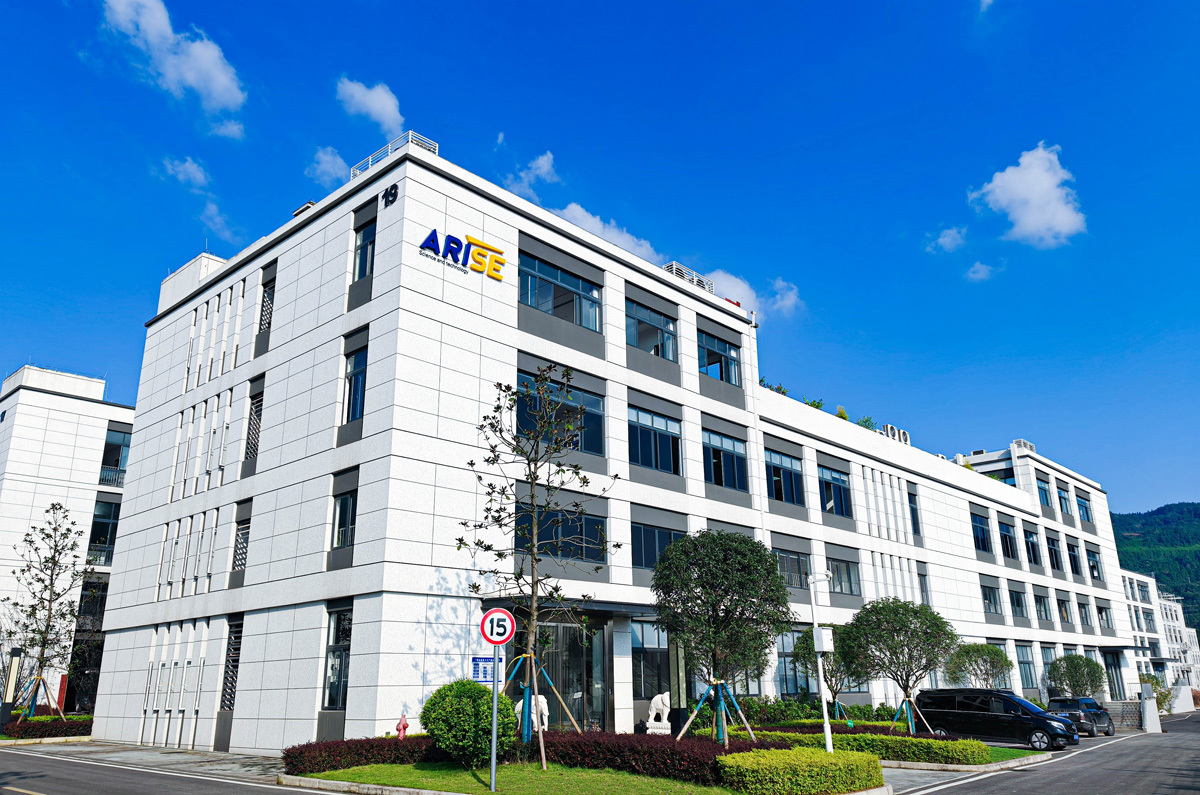
Chongqing ARISE Technology Co., Ltd. is a leading provider of intelligent web control solutions, headquartered near Chongqing East Railway Station in the Sichuan-Chongqing economic zone. With 25 years of experience in web control technology innovation, we are an ISO 9001-certified specialized, refined, distinctive, and innovative small giant enterprise. We hold 6 invention patents, 11 utility model patents, 26 design patents, and 18 software copyrights.
Our R&D team, with an average of over 10 years of experience, drives innovation in both hardware and software. Our products, including web guiding, tension control, and vision inspection systems, are certified by EU CE, EMC, and ISO standards, and serve industries such as printing, lithium batteries, photovoltaics, packaging, and more. With a service network spanning over 150 countries and regions, we have established long-term partnerships with many renowned companies.
For the Mexican industrial sector, ARISE delivers turnkey, customized vision inspection and closed-loop web tension solutions that integrate seamlessly into both OEM production machinery and retrofit processing lines throughout North America.
Guiding principles fueling our relentless commitment to global industrial automation and world-class vision inspection standards.
Our vision is to become the world's No.1 brand in web control technology.
With a mission to continuous innovation in web control technology, supporting the globalization of intelligent manufacturing in China and serving international production hubs worldwide.
We uphold the core values of innovation, integrity, professionalism, and gratitude, and are dedicated to pursuing this vision relentlessly across all domestic and overseas markets.
Key criteria plant managers and automation engineers must evaluate when integrating high-speed vision solutions.
Procuring industrial vision equipment for factories in Mexico requires balancing hardware reliability, optical throughput, software localization, and harsh factory environments. High-temperature environments in northern industrial zones and electrical power fluctuations require ruggedized system enclosures rated IP65 or higher, combined with industrial-grade thermal dissipation for continuous 24/7 runtimes.
1. Optical Resolution vs. Web Velocity Balance: Line scan cameras must provide sufficient spatial resolution (down to 10-50 microns depending on defect thresholds) while maintaining line rates that surpass maximum conveyor speeds. ARISE vision platforms utilize high-sensitivity sensors paired with synchronized LED or laser strobe illumination that eliminate motion smear even at 1,200 m/min.
2. Bilingual & User-Friendly Operator Interfaces: Production floor efficiency depends on ease of setup. Our software platforms support dual English/Spanish user workflows, intuitive defect recipe configurations, real-time defect visualization maps, and one-click database export for quality assurance auditing.
3. Closed-Loop Tension & Guide Integration: A standalone vision camera only reports defects; an integrated system from ARISE links optical defect inspection directly with web guiding correction and dynamic tension controllers. When an edge deviation or out-of-spec thickness profile is detected, automated corrections occur in real time, preventing waste before defective product is wound into finished rolls.