Leave Your Message
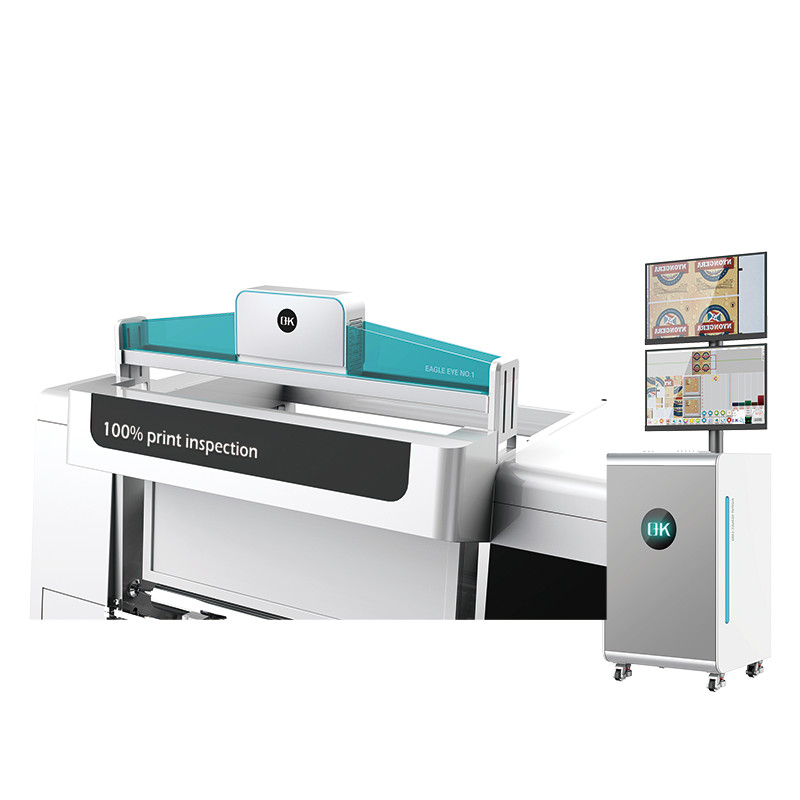
The industrial landscape in the Russian Federation is undergoing a profound transformation. With a strategic focus on domestic production capability, import substitution (Импортозамещение), and technological sovereignty, Russian manufacturers are rapidly upgrading their assembly lines, printing houses, and packaging plants. High-precision manufacturing demands error-free processes, which is why visual inspection systems and high-quality label inspection control have transitioned from optional luxuries to critical necessities in modern Russian factories.
Several macroeconomic and technical factors are driving the deployment of automated inspection equipment across Russian industrial hubs:
1. Accelerated Automation in Packaging: The packaging sector in Russia is expanding rapidly to support localized consumer goods. High-speed flexo and digital printing presses require real-time, 100% defect detection systems to minimize material waste and maintain profitability.
2. Rigorous Pharmaceutical & Food Safety Regulations: With the Russian government enforcing strict compliance for pharmaceutical packaging and dairy labeling, visual inspection labels must be perfectly printed, verified, and logged. Any misprint can lead to massive regulatory fines or product recalls.
3. Adoption of AI and Machine Vision: Traditional manual inspection is no longer viable for high-volume production. Russian enterprises are actively seeking AI-driven optical systems capable of self-learning, distinguishing between structural material anomalies and critical printing defects, and integrating directly with local ERP systems like 1C:Enterprise.
Whether it is the extreme operating temperatures of Siberian chemical plants or the high-output demands of Moscow's food packaging lines, visual inspection systems must be versatile. Key application scenarios include:
• St. Petersburg & Moscow Flexographic Printing: Checking for color consistency, registration errors, and ink splashes on flexible packaging films and adhesive labels.
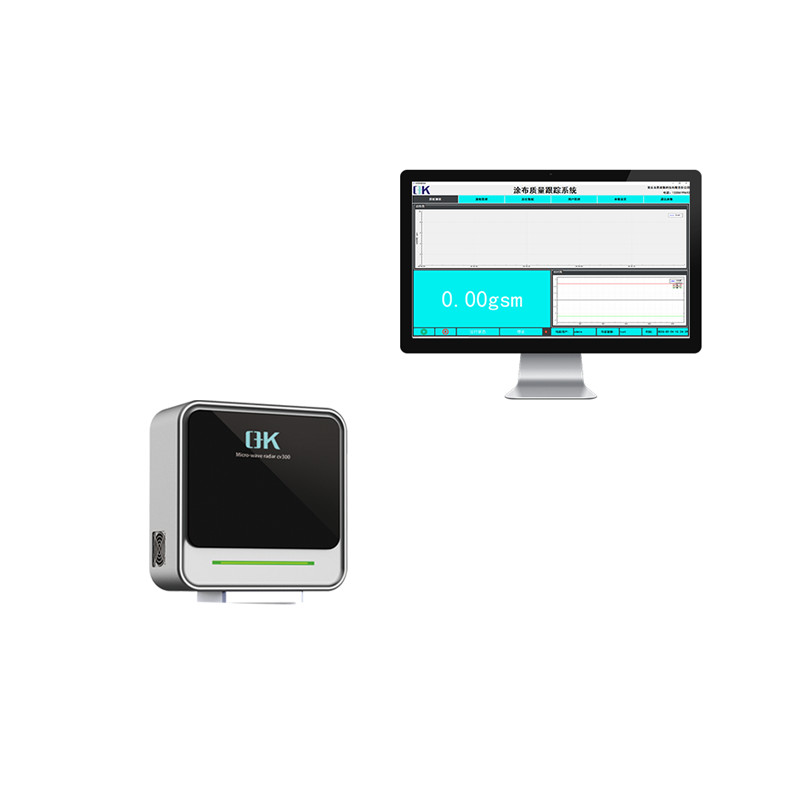
• Ural Industrial Coating Tracking: Employing advanced radar and visual inspection (such as the CTS 3.0 system) to monitor lithium-ion battery separators and copper foil coatings in Russia's growing clean-tech sector.
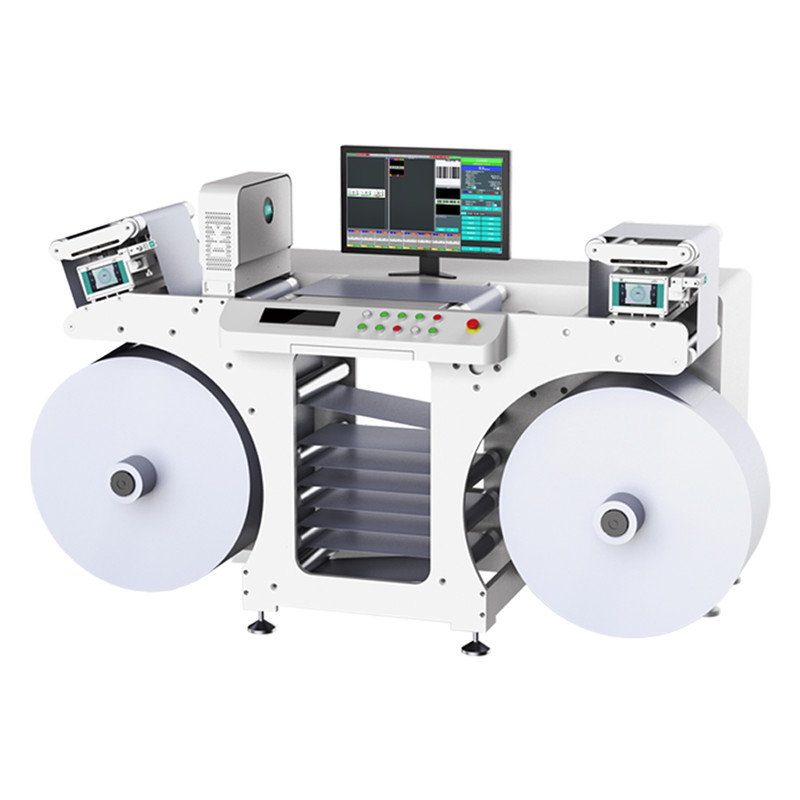
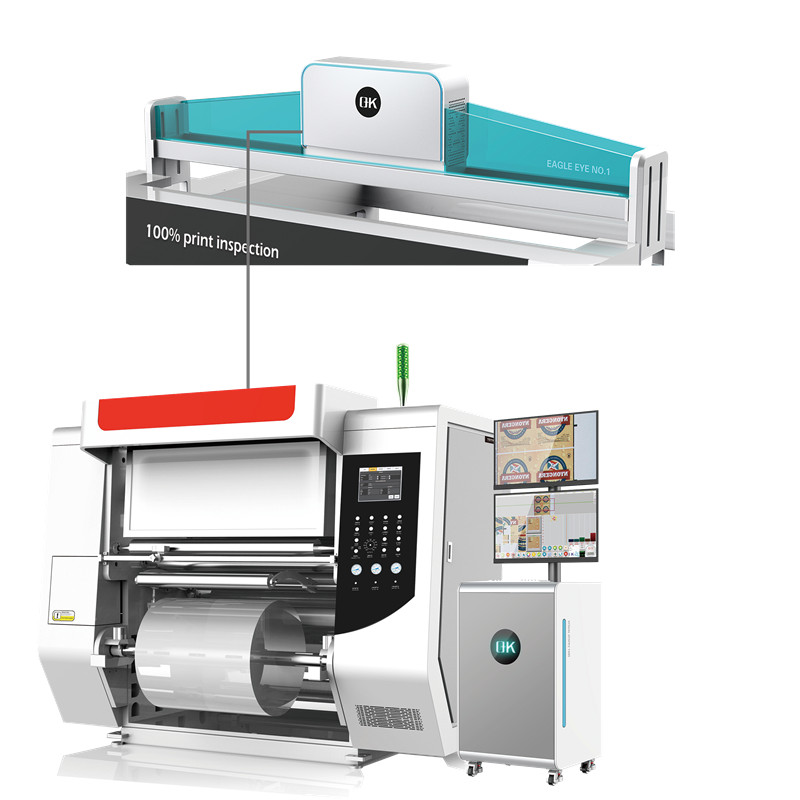
• Kazan & Yekaterinburg Rewinding and Slitting: Integrating high-speed offline inspection systems onto rewinding machines to ensure only flawless label rolls are dispatched to end clients.
All our systems feature fully localized user interfaces, allowing Russian operators to configure parameters, run calibrations, and analyze defect logs seamlessly.
Equipped with ultra-fast industrial cameras and micron-level radar, detecting printing defects and label anomalies at speeds up to 400m/min.
Built to meet strict European CE, EMC standards, and fully compatible with Russian industrial safety and electrical grid requirements (380V/220V 50Hz).
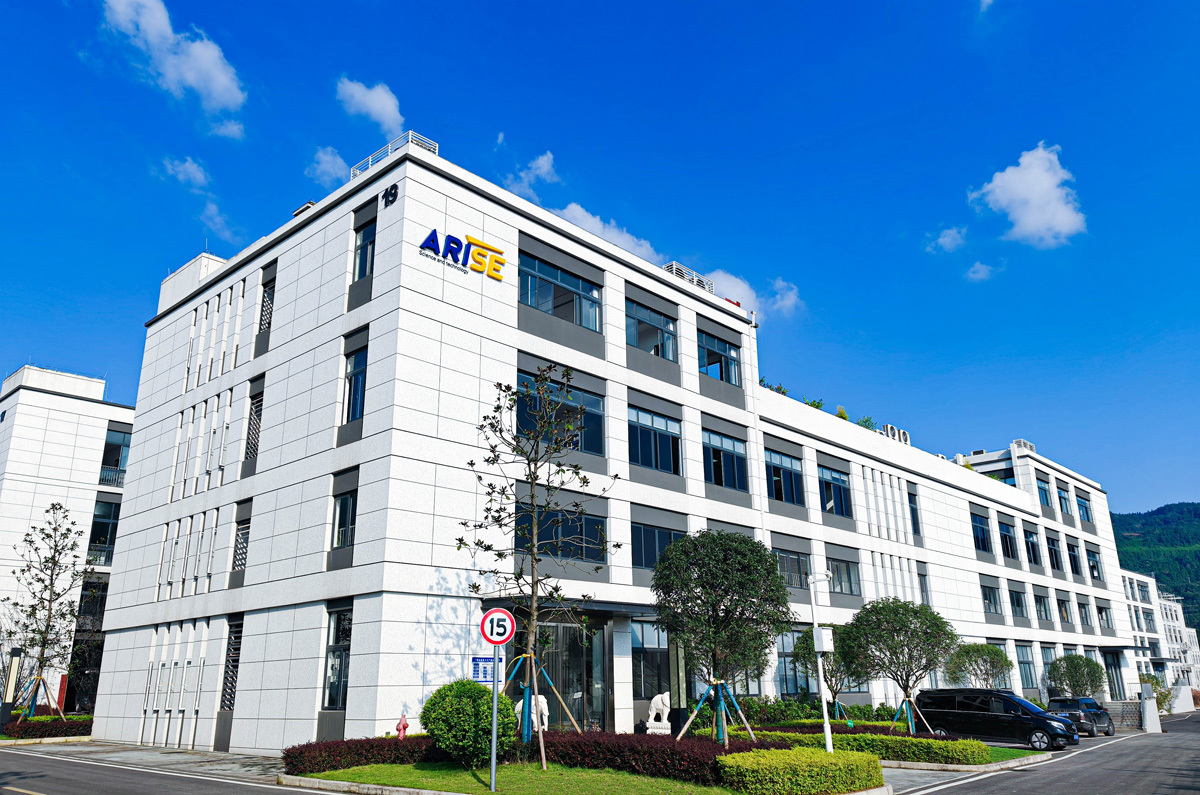
Chongqing ARISE Technology Co., Ltd. is a leading provider of intelligent web control solutions, headquartered near Chongqing East Railway Station in the Sichuan-Chongqing economic zone. With 25 years of experience in web control technology innovation, we are an ISO 9001-certified specialized, refined, distinctive, and innovative small giant enterprise. We hold 6 invention patents, 11 utility model patents, 26 design patents, and 18 software copyrights.
Our R&D team, with an average of over 10 years of experience, drives innovation in both hardware and software. Our products, including web guiding, tension control, and vision inspection systems, are certified by EU CE, EMC, and ISO standards, and serve industries such as printing, lithium batteries, photovoltaics, packaging, and more. With a service network spanning over 150 countries and regions, we have established long-term partnerships with many renowned companies.
To successfully integrate visual inspection technology into Russian factories, the systems must be resilient to local plant environment challenges. Below are the key technological highlights of the ARISE OK-Series and CTS-Series designed for the Russian market:
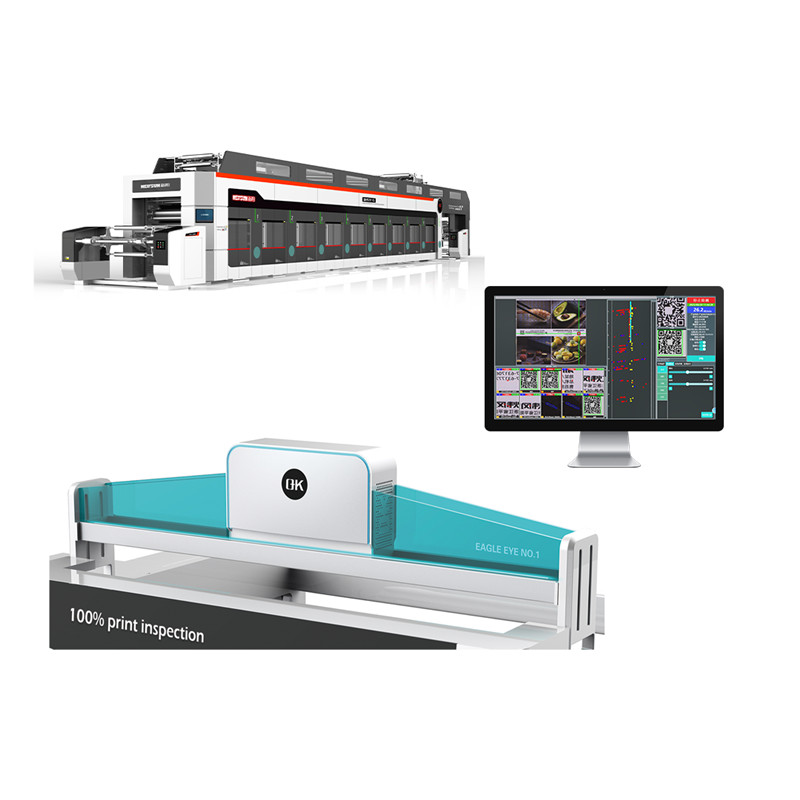
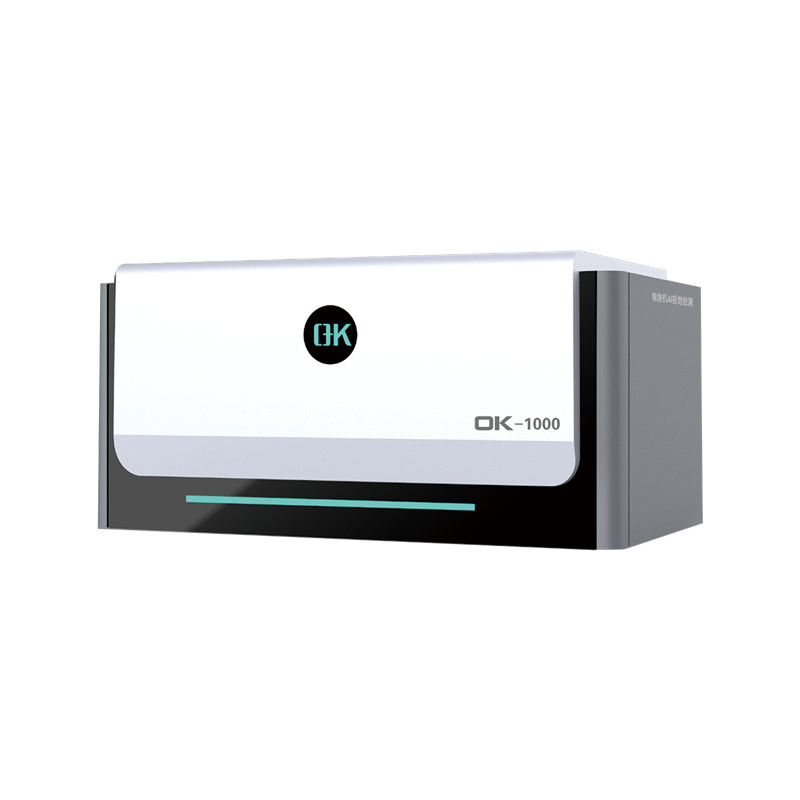
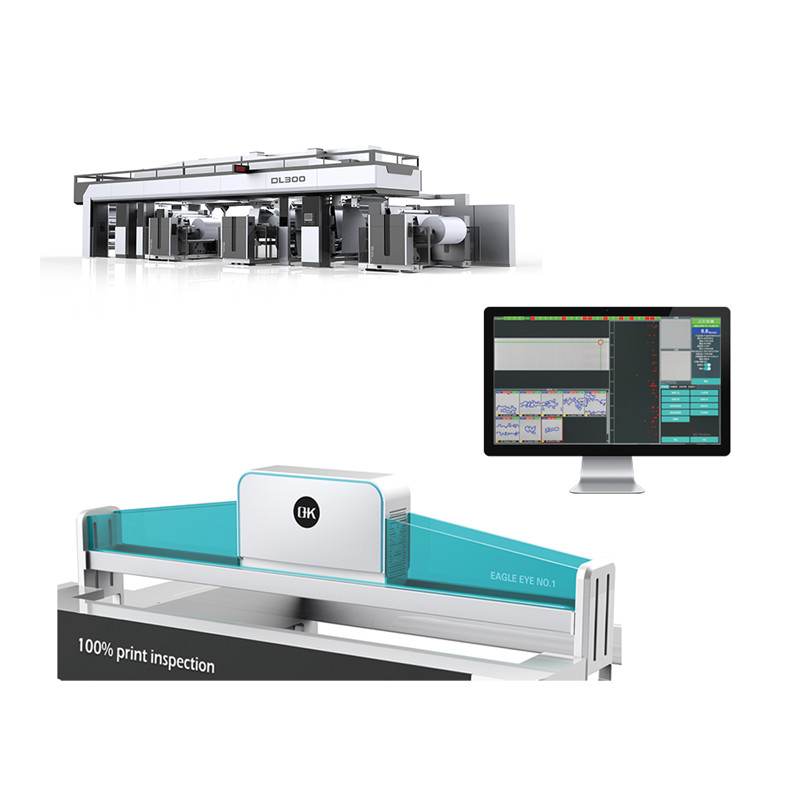
Our online inspection systems utilize line-scan cameras with up to 8K resolution to capture real-time images of the web. The software detects defects down to 0.1mm², including insects, oil spots, print misalignments, color deviations, and missing labels, which are highly critical for Russian food safety audits.
The CTS 3.0 system integrates a high-frequency micron-level radar with a visual inspection module. This dual-detection setup is ideal for Russian manufacturers of lithium battery separators, copper foils, and solar panels, ensuring coating thickness and surface defects are monitored simultaneously.
Voltage fluctuations in heavy-industry zones can disrupt sensitive electronics. ARISE inspection systems feature industrial-grade power stabilizers, IP54 dust protection, and localized cooling systems to handle continuous 24/7 operations in Siberia, the Urals, and beyond.
Our software supports SQL database outputs, XML reports, and direct integration with local manufacturing execution systems (MES) and 1C:Enterprise platform. This enables seamless tracing of roll quality and instant generation of compliance reports.