Leave Your Message
Engineered for extreme precision, high throughput, and zero-defect tolerance in advanced Turkish coil, printing, and bag manufacturing plants.
In the full-process quality control solution for coil materials, Chongqing ARISE relies on its self-developed core algorithms and industrial-grade hardware platform to create a full range of intelligent inspection product matrix covering "surface defect detection, online thickness management, printing quality traceability, and coating process monitoring". It provides customers with closed-loop quality control capabilities from the production front end to the back end.
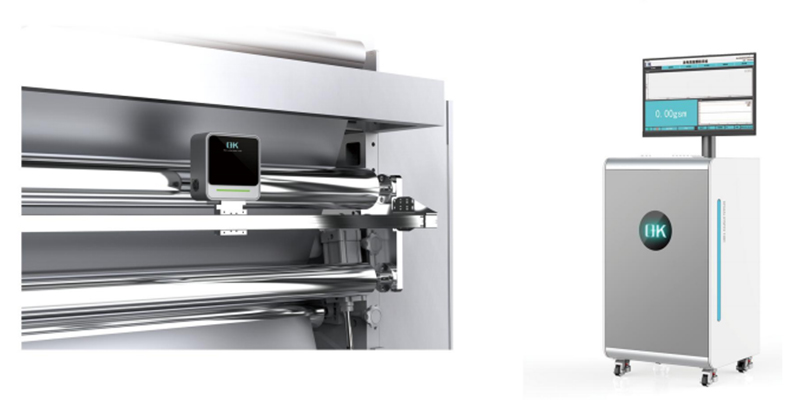
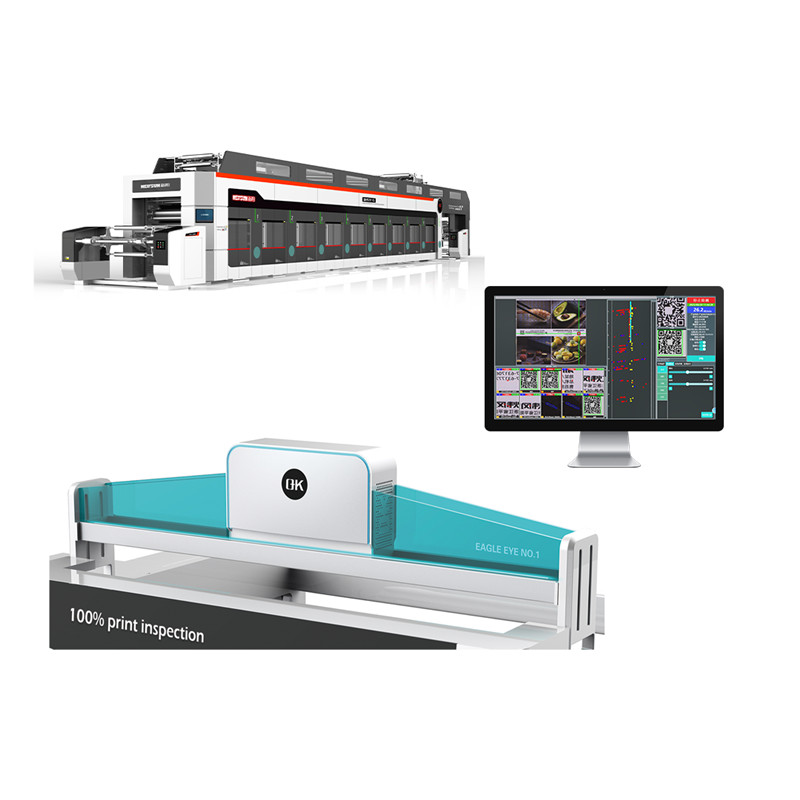
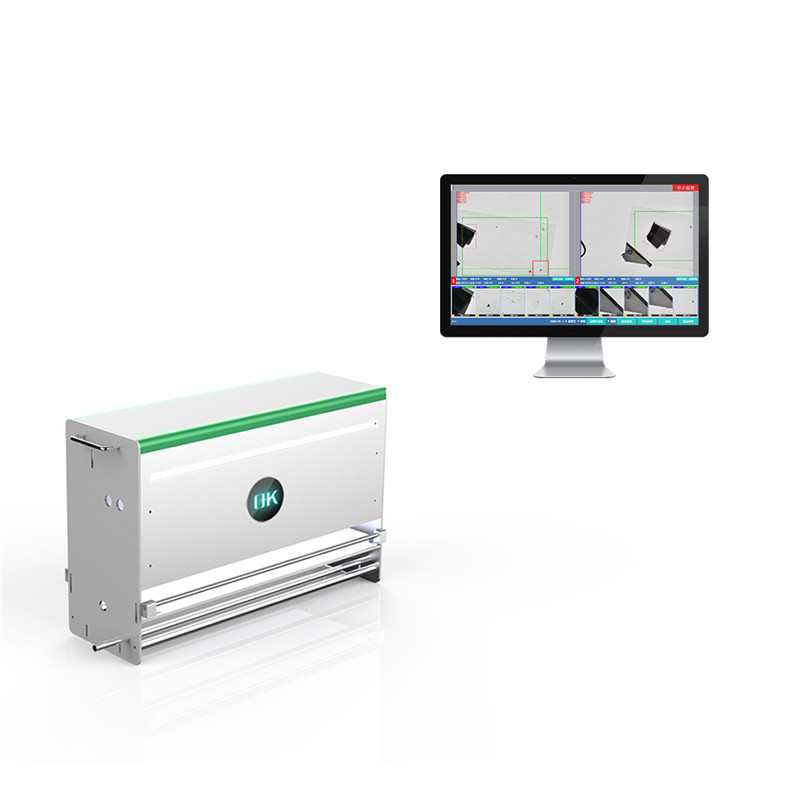
Utilizing high-resolution industrial cameras and AI algorithms, it achieves 100% full inspection of coil material surfaces, accurately identifying various defects such as scratches, stains, holes, color differences, and registration deviations. It is widely applicable to industries including printing, lithium battery, photovoltaics, and packaging, rapidly reducing defect rates and improving product quality stability.
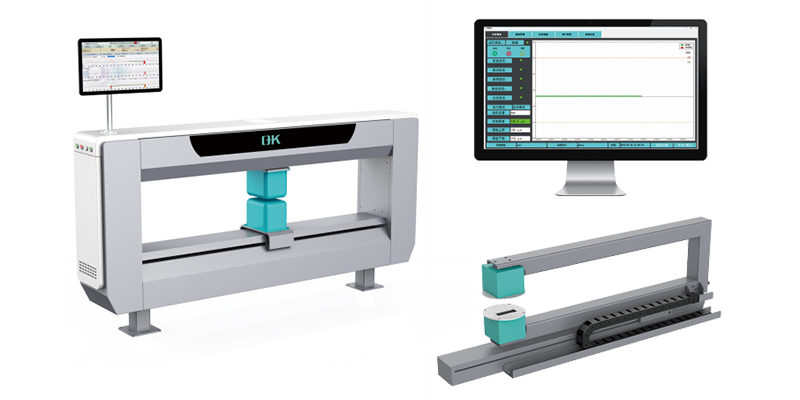
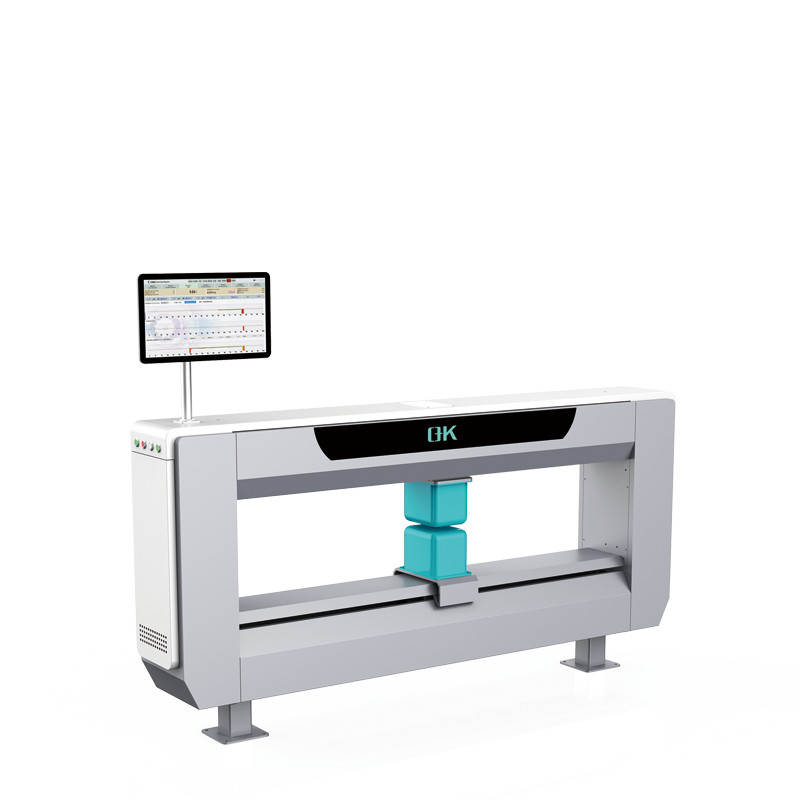
Delivers non-contact, ultra-stable real-time thickness profiling for dense and multi-layered web products. Specifically optimized for rubber calendering, tire cord coating, metal foils, and polymer barrier films across Turkey's automotive and packaging manufacturing hubs.
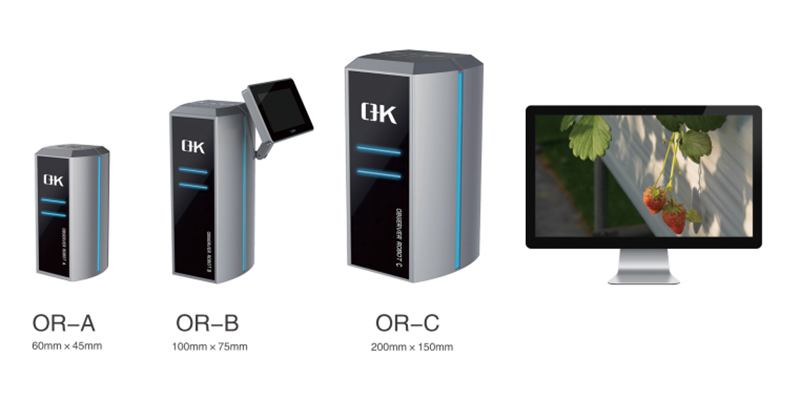
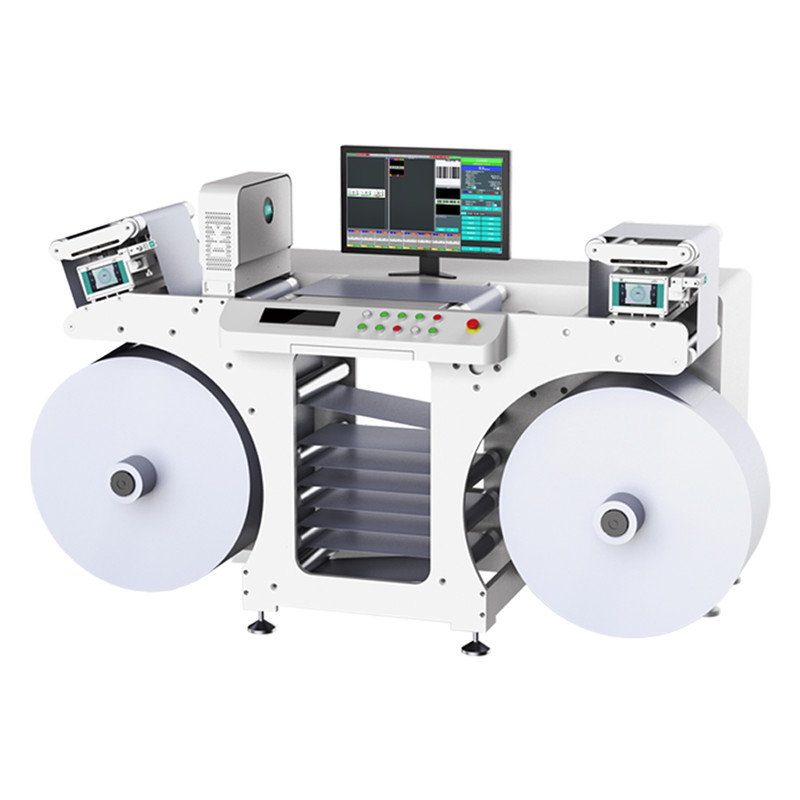
Provides operators with crisp, stationary, high-magnification visuals of webs moving at speeds up to 1,000 m/min. Essential for flexographic, gravure, and digital label printing processes demanding micro-register accuracy.
Designed for advanced battery separators, optical films, PV backsheets, and adhesive tape manufacturing. Tracks wet/dry coating thickness weight (g/m²) and surface defect uniformity simultaneously across full web widths.
Turkey's strategic geographical position as a manufacturing powerhouse linking Europe, the Middle East, and Central Asia has accelerated its transition into high-precision, automated manufacturing. In regions such as the Marmara Basin (Istanbul, Bursa, Kocaeli), the Aegean Zone (Izmir, Manisa), and Southeastern Anatolia (Gaziantep), industrial enterprises are upgrading production lines to meet stringent European quality norms, CE certifications, and EU Green Deal sustainability mandates.
In modern coil manufacturing—whether plastic film extrusion (BOPP, CPP, stretch film), rubber calendering for automotive tires, non-woven fabrics, or copper/aluminum battery foils—thickness consistency is the ultimate determinant of product quality and material efficiency. A thickness deviation of merely 1–2 microns over hundreds of metric tons translates into substantial raw material waste, excessive energy expenditure, and unacceptable failure rates. Consequently, leading Turkish factories are rapidly moving away from manual post-roll micrometric testing toward high-precision inline continuous thickness measurement systems.
Three transformative trends are fundamentally shaping the procurement of thickness gauging equipment among Turkish plant owners and OEMs:
Choosing the optimal thickness measurement sensor for your production facility in Turkey depends on material density, opacity, line speed, and environmental conditions.
| Inspection Parameter | High-Precision Laser Thickness Gauge (LCH Series) | X-Ray Non-Destructive Thickness Gauge | Optical Vision & CTS 3.0 Coating System |
|---|---|---|---|
| Primary Measurement Principle | Dual-head non-contact optical triangulation | X-ray photon absorption & mass attenuation | Multi-angle spectral vision & chromatic sensors |
| Measurement Range | 0.01 mm to 50.0 mm (Customizable) | 10 g/m² up to 10,000 g/m² (Rubber / Sheet) | 0.5 μm to 500 μm (Coating layer thickness) |
| Measurement Accuracy | Up to ±0.1 μm (Sub-micron precision) | Up to ±0.15% of actual thickness | Up to ±0.2 g/m² coating weight |
| Target Turkish Industries | Plastic sheets, battery electrodes, calendered rubber, metal coils | Tire tread, conveyor belts, heavy PVC sheets, dense rubber | Flexible packaging, flexo/gravure printing, optical films |
| Safety & Compliance | Class 2 / 3R Laser; zero radiation safety hazard | Low-dose shielded X-ray; compliant with TAEK / NDK standards | 100% Optical non-hazardous LED illumination |
| Scanning Speed | Up to 120 m/min traverse speed; 20 kHz sampling | Continuous real-time point / continuous traverse scan | Full web width 100% synchronized inline scanning |
Standardized sea-worthy and air-cargo timber packaging designed for safe transit to Turkish ports (Ambarlı, Gemlik, Izmir, Mersin) with CE-compliant modular cabling.
Thermal drift compensation algorithms maintain ±0.1 μm measuring accuracy even under fluctuating factory temperatures in Gaziantep summers or Kocaeli winters.
Integrated cloud telemetry allows our senior application engineers to perform instant PLC diagnostics, software calibration, and remote updates across Turkish plants.
From high-precision CNC frame machining to cleanroom optical sensor assembly and 100-hour continuous burn-in testing, our factory ensures every thickness measurement system delivers laboratory-grade repeatability on tough industrial shop floors.
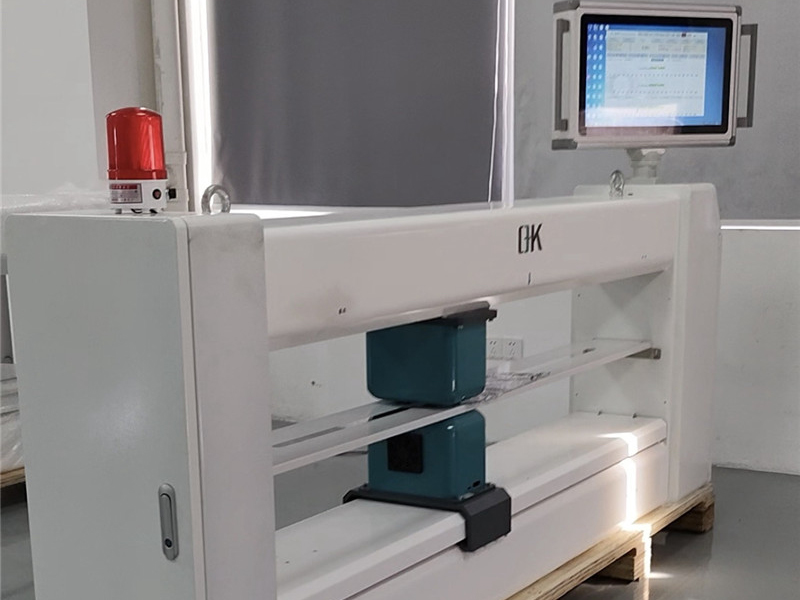
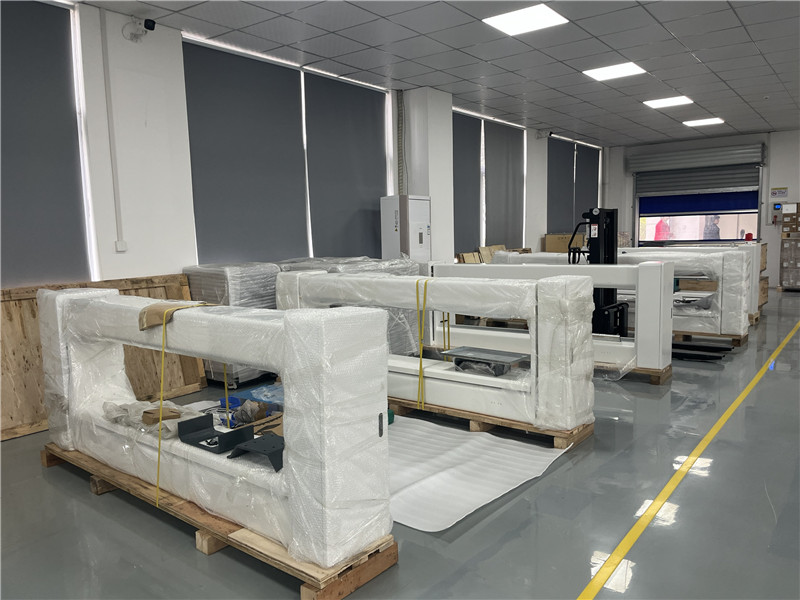
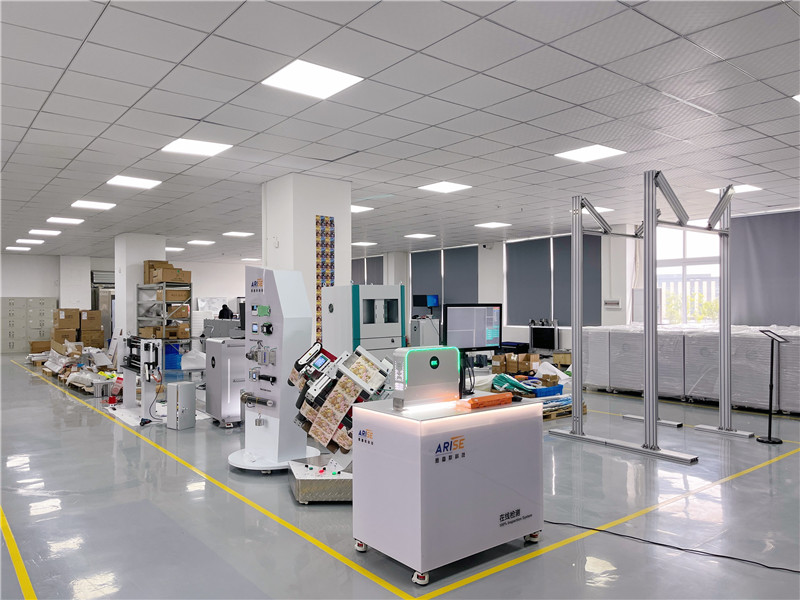
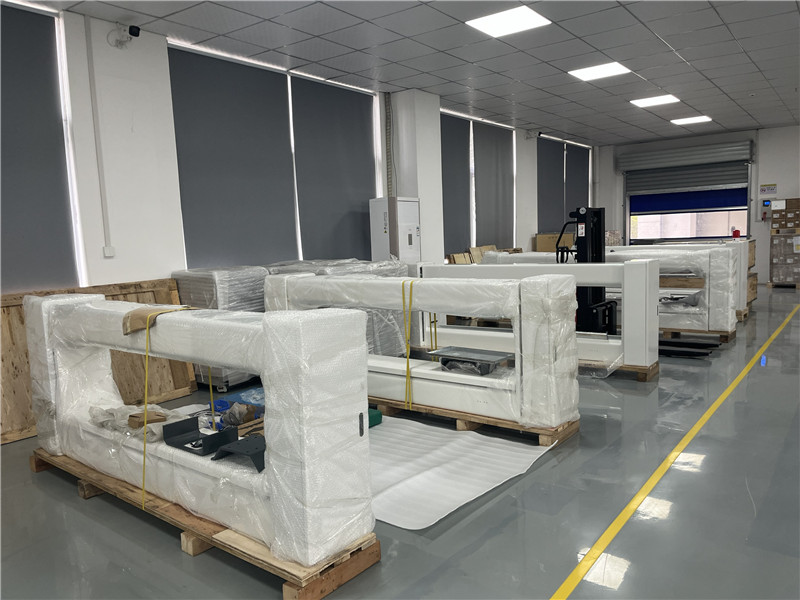
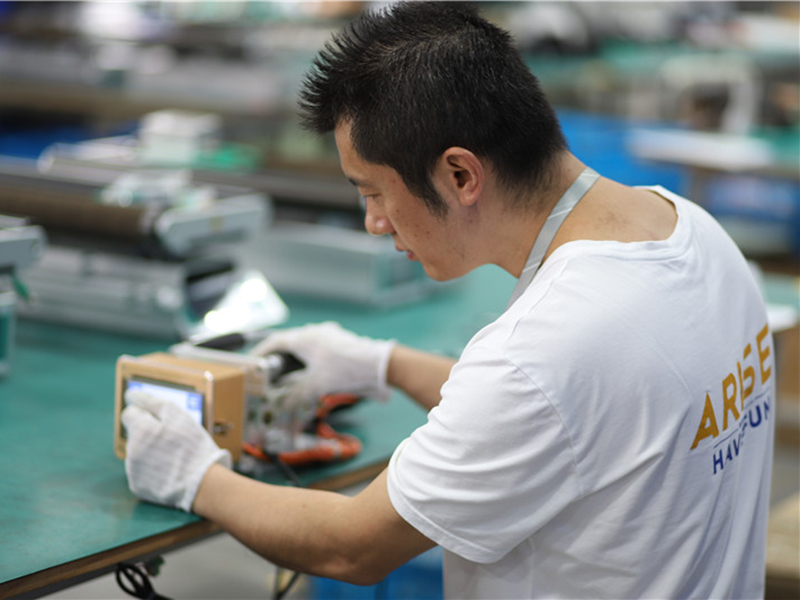

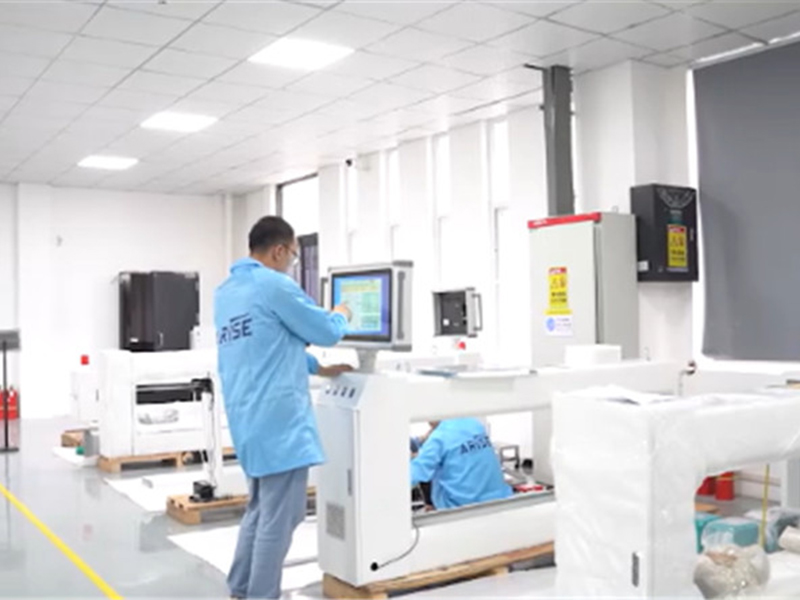
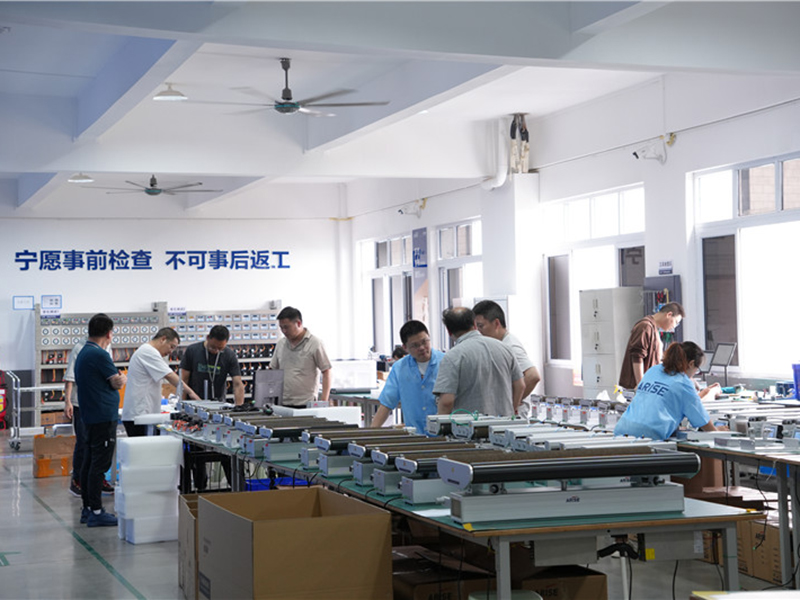
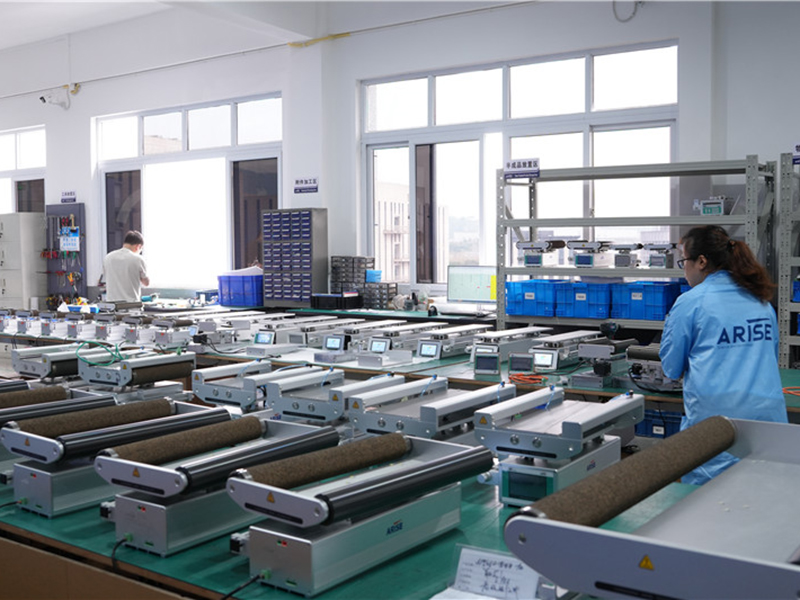
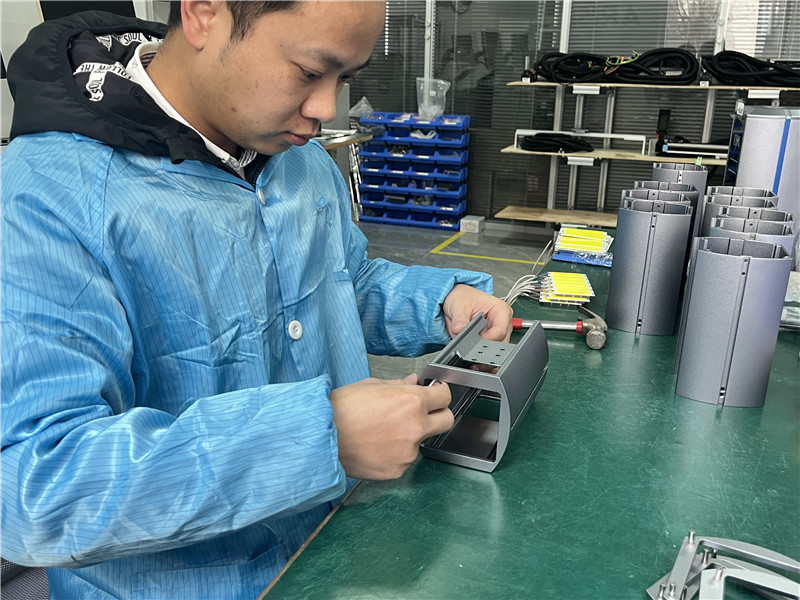
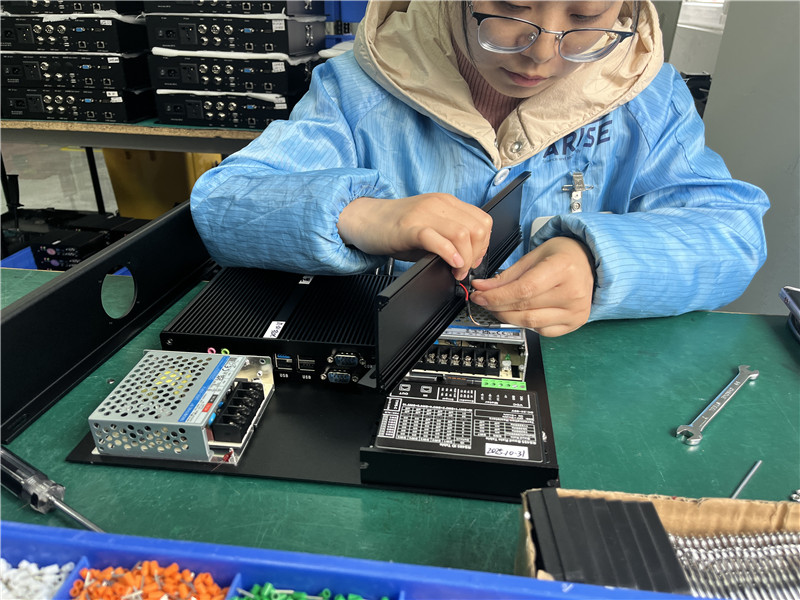
Our thickness measurement systems and surface vision scanners are purpose-built to handle harsh industrial environments with high dust resistance, vibration mitigation, and electromagnetic shielding.
In automotive rubber calendering, maintaining uniform rubber thickness on steel cord or textile tire plies is critical for dynamic balance, fuel efficiency, and tire lifespan. The High Precision X-Ray Thickness Measurement System provides continuous high-speed scanning across the entire calendar web, transmitting micro-adjustments directly to left/right roll servo jacks to eliminate wedge profiles.
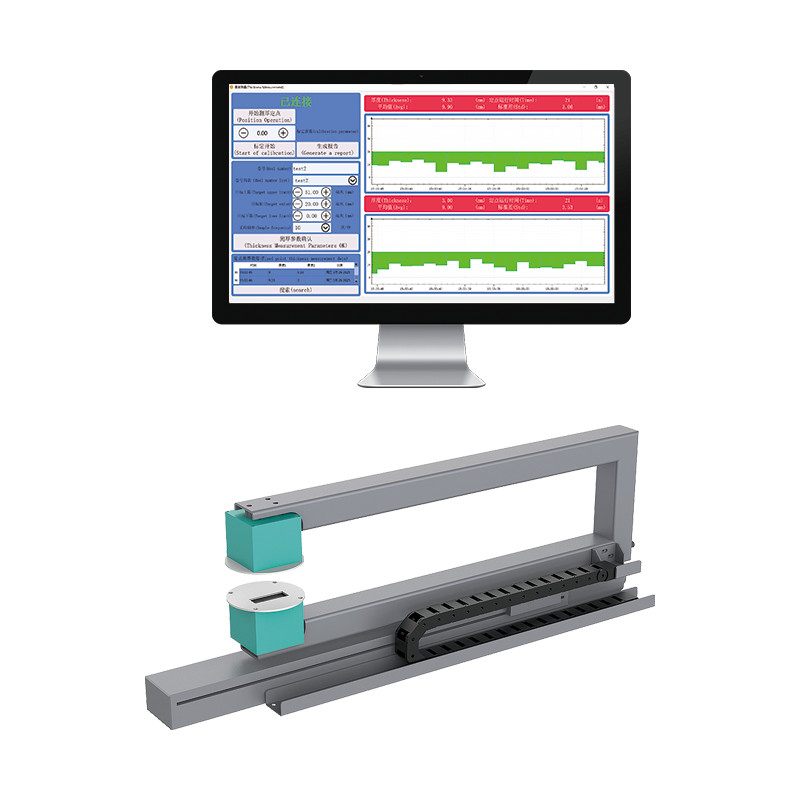
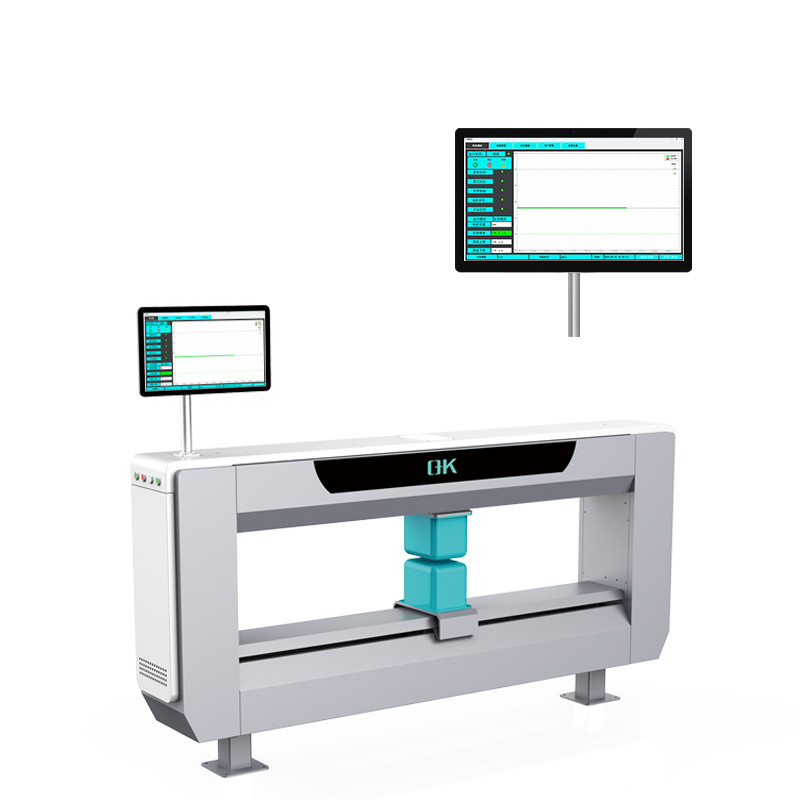
In Gaziantep and Adana's packaging hubs, extrusion lines operate at speeds exceeding 400 m/min. The LCH-6000 High Precision Laser Thickness Measurement System employs high-frequency dual laser triangulation sensors mounted on a precision O-frame or C-frame scanner. It monitors cross-web thickness profiles in real time, communicating via Profinet with auto-die air rings to reduce film gauge deviation to within ±0.8%.
As Turkey scales up electric vehicle and clean energy manufacturing (including TOGG battery ecosystem suppliers), thickness uniformity of anode and cathode coatings (graphite and NMC slurry on copper/aluminum foil) directly affects battery cell capacity and thermal safety. The CTS 3.0 Coating Quality & Thickness Gauge monitors wet/dry mass distribution with sub-micron sensitivity.
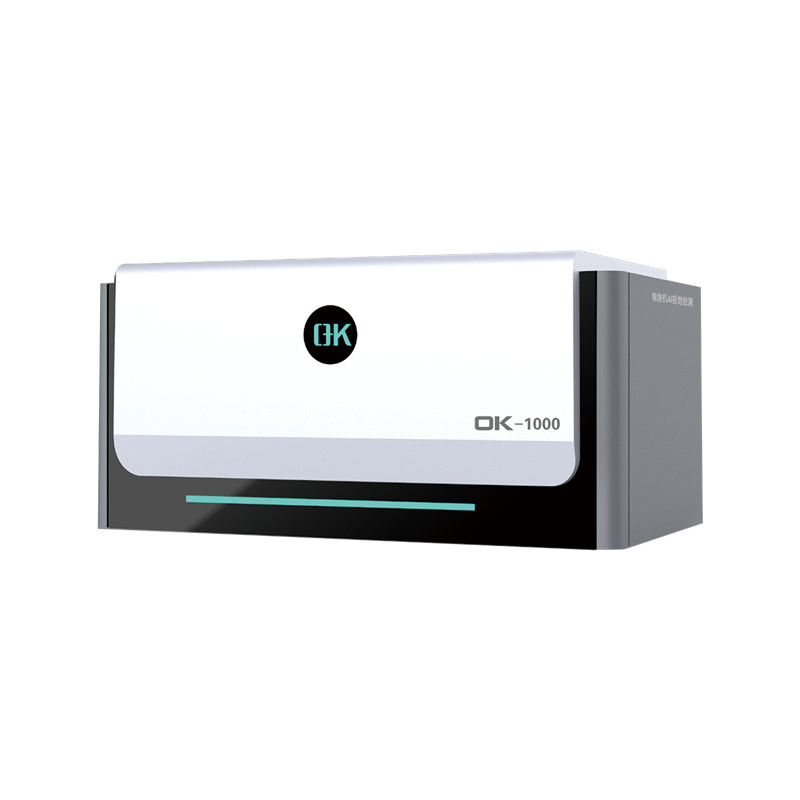
Combining the OK-6000 Online Quality Inspection System with inline thickness sensors enables Turkish printing converters to monitor ink coverage density, laminate thickness, and micro-defects (pinholes, streaks, register slips) simultaneously on running rolls.
Factory-direct supply with customized scanning frames, international certifications, local Turkish technical support, and comprehensive after-sales warranty.
Essential information regarding customs clearance, machine integration, warranty terms, and local on-site commissioning across Turkey.
We provide full turnkey service packages for our Turkish clients. Our installation support includes pre-shipment mechanical drawing verification, on-site commissioning by experienced field engineers in key hubs (Istanbul, Bursa, Kocaeli, Izmir, Gaziantep), complete operator training in English/Turkish, and remote high-speed diagnosis via secure VPN gateway.
Yes. Our X-ray thickness gauges utilize low-energy, highly focused micro-tubes equipped with multi-layered lead shielding and automatic safety shutters. The radiation leakage rate is well below international safety limits and strictly complies with the guidelines of the Turkish Energy, Nuclear and Mineral Research Agency (TENMAK / NDK) and European CE directives.
Our systems feature native compatibility with mainstream European and international PLC architectures commonly utilized in Turkish plants, including Siemens S7 (Profinet/Profibus), Beckhoff (EtherCAT), Rockwell Allen-Bradley (Ethernet/IP), Modbus TCP/RTU, and standard OPC-UA for centralized SCADA and MES connectivity.
Based on deployment data across over 300 international production lines, reducing thickness tolerance from ±5% down to ±1% saves an average of 3% to 5% in raw polymer or elastomer compound consumption. For an extrusion line producing 500 tons/month, the machine typically pays for itself within 4 to 9 months of active operation.