Leave Your Message
Delivering sub-micron defect classification and high-speed web tracking across Indian printing, packaging, and label manufacturing facilities.
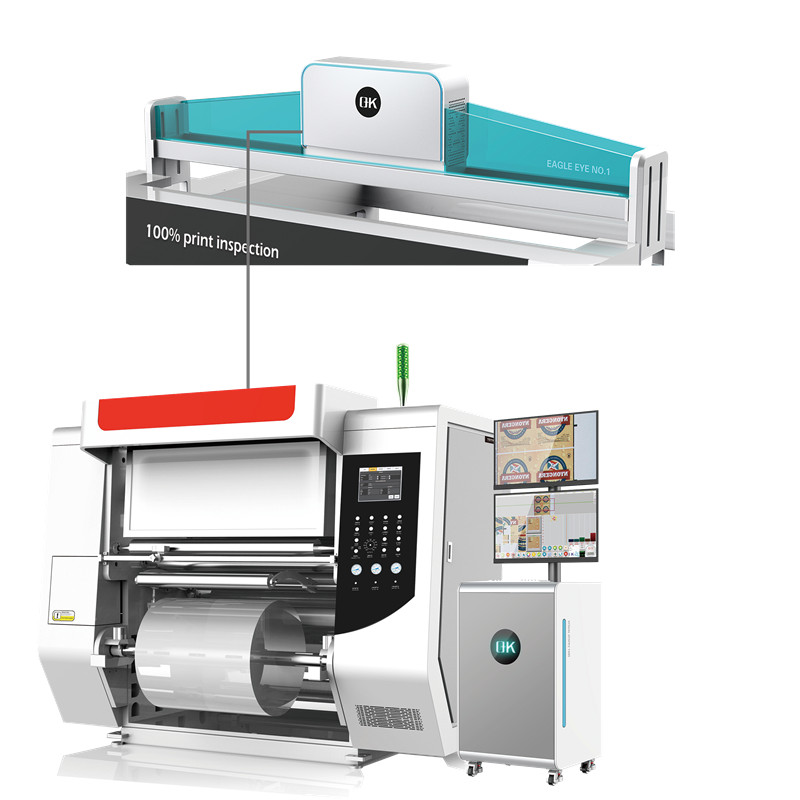
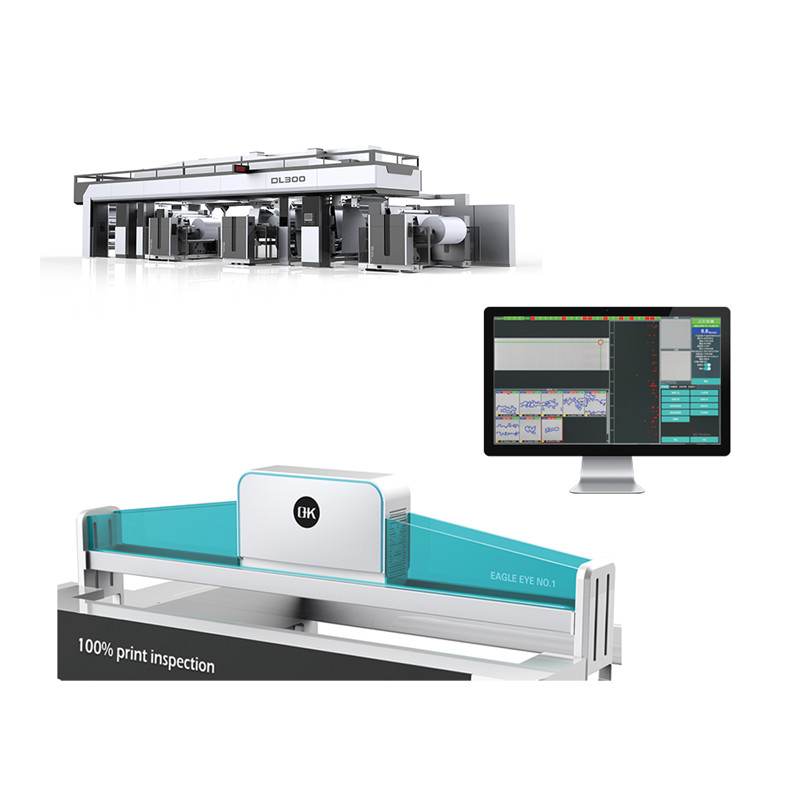
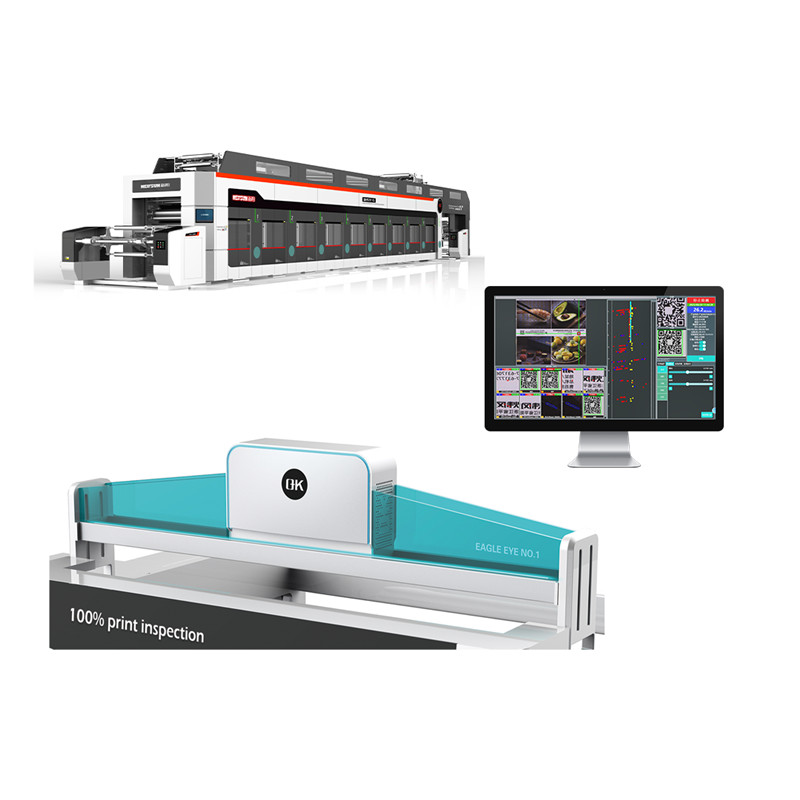
The manufacturing sector in India is experiencing unprecedented structural momentum driven by aggressive initiatives like "Make in India", the national roll-out of production-linked incentives (PLI), and intense export-oriented modernization. Across thriving industrial belts—from the pharmaceutical hubs of Gujarat and Hyderabad to the automotive and electrical powerhouses in Chennai, Pune, and the NCR (Delhi-Gurugram-Noida)—standard operating procedures demand unequivocal product integrity. Here, Quality Control (QC) inspection labels have shifted from being mere bureaucratic administrative stickers to vital data-carrying nodes within Industry 4.0 production tracks.
Modern Indian packaging and converting units face unique environmental and infrastructural realities. Production environments frequently encounter high ambient thermal stress, fluctuating relative humidity during monsoon months, and varying dust levels. Simultaneously, flexographic and rotogravure production lines run at breakneck speeds upwards of 300 to 500 meters per minute to meet surging consumer demand in food processing, FMCG, and e-commerce logistics. In such demanding setups, automated machine vision systems and intelligent QC inspection labeling infrastructure serve as the ultimate defense against print misregistration, color drift, coating voids, pinholes, and unreadable GS1/DataMatrix codes.
By pairing high-speed optoelectronic imaging with automated precision label dispensing and marking, enterprises prevent catastrophic multi-million-rupee supply chain recalls, guarantee regulatory compliance with national authorities such as FSSAI and CDSCO, and satisfy the rigorous zero-defect audits mandated by international global brands.
Bridging precision sensor capabilities with localized manufacturing challenges across India's premier industrial sectors.
Indian pharma exports across North America and Europe demand strict compliance with FDA 21 CFR Part 11 and EU GMP Annex 11. Our inspection systems verify tamper-evident seals, anti-counterfeiting micro-text, QR serialization matrices, and medical blister pack foil integrity with instant defect label ejection or reject tracking.
Servicing vast multi-tier retail systems throughout India requires durable multilayer film, pouch, and laminate inspection. Automated vision setups instantly detect streaks, splashes, insect contamination, lamination blisters, and die-cut deviations at rewinder and slitter lines operating under ambient dusty mill environments.
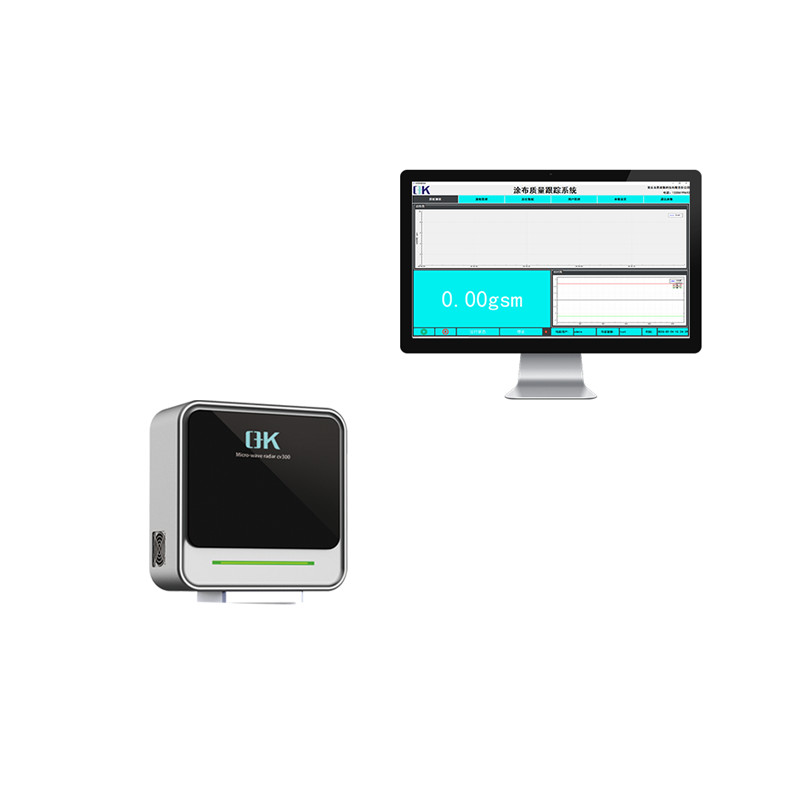
With India rapidly expanding its electric vehicle supply chain across Tamil Nadu and Maharashtra, our CV300 micron-radar coating quality tracking inspects battery electrode slurry coatings, separator films, and automotive wiring harness identification labels to prevent micro-short-circuits and critical assembly mislabels.
The paradigm of quality management across Indian plants is radically shifting from retroactive sampling audits to inline real-time zero-escape automated metrology. Historical challenges such as operator eye fatigue, inconsistent manual sampling, and post-delivery customer complaints are being systematically eliminated through closed-loop vision engineering.
First, AI-Driven Deep Learning vs. Fixed Thresholding: Where traditional optical sensors failed to distinguish between benign substrate natural grain textures and actual micro-scratches, modern neural-network models trained on extensive defect datasets categorize anomalies dynamically in less than 5 milliseconds.
Second, Unified Digital Traceability (IoT & Cloud MES Integration): Indian printers and converters are linking optical defect data directly to factory Enterprise Resource Planning (ERP) systems. Inspection rolls automatically generate dynamic digital defect maps. When the roll reaches slitting or rewinding, the slitter decelerates automatically at exact defect coordinates, executing swift label application, splicing, or rejection without slowing continuous production.
Third, High Thermal & Environmental Resilience: Hardware deployed in tropical manufacturing regions must feature robust IP-rated enclosures, vibration-isolated optical benches, active dust mitigation air-knives, and temperature-tolerant LED line illuminators to ensure 24/7 round-the-clock uptime without calibration drift.
Direct synchronization between visual edge position sensing, web tension controllers, and defect markers prevents lateral tracking drift before printing misalignments can occur.
Distinguish between foreign fibers, coating dry spots, ink drag marks, holographic layer ruptures, and dimensional errors with micron-level linear array accuracy.
Engineered for effortless retrofit mounting onto domestic Indian rewinding machines, gravure presses, extrusion coaters, and pouch-making units without line reconstruction.
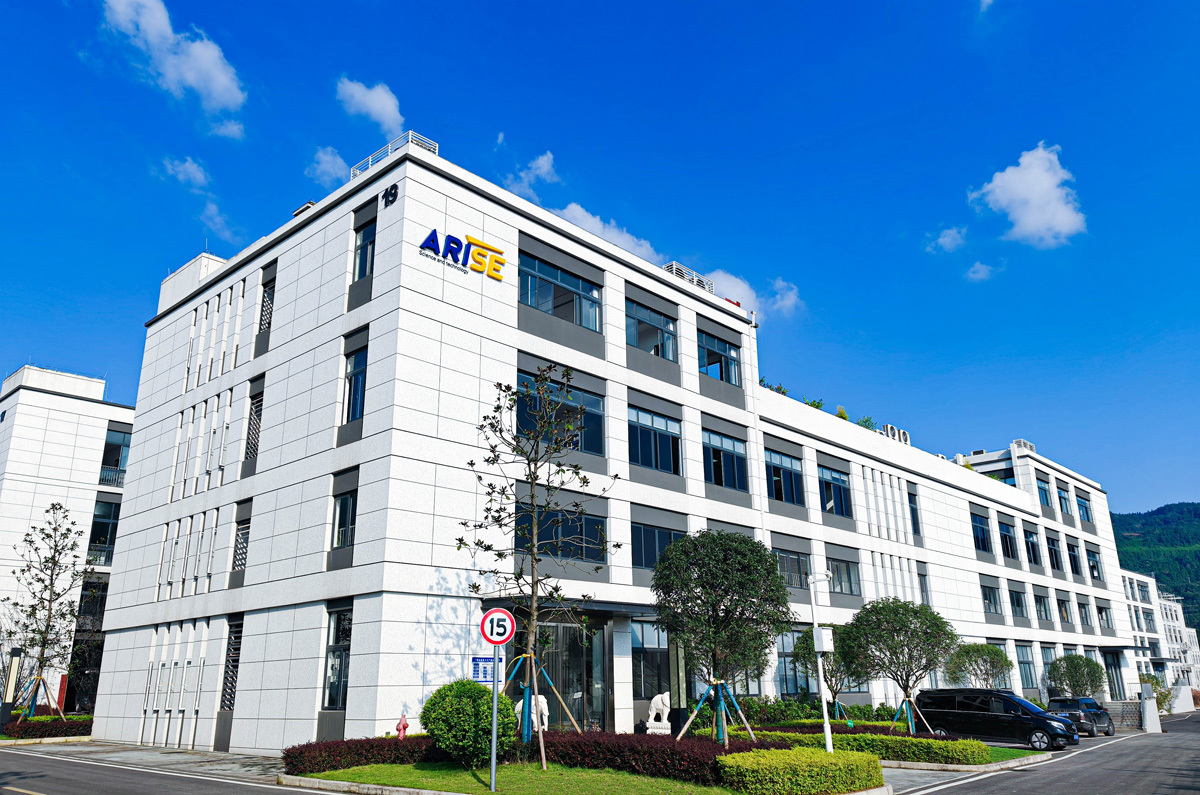
Chongqing ARISE Technology Co., Ltd. is a leading provider of intelligent web control solutions, headquartered near Chongqing East Railway Station in the Sichuan-Chongqing economic zone. With 25 years of experience in web control technology innovation, we are an ISO 9001-certified specialized, refined, distinctive, and innovative small giant enterprise. We hold 6 invention patents, 11 utility model patents, 26 design patents, and 18 software copyrights.
Our R&D team, with an average of over 10 years of experience, drives innovation in both hardware and software. Our products, including web guiding, tension control, and vision inspection systems, are certified by EU CE, EMC, and ISO standards, and serve industries such as printing, lithium batteries, photovoltaics, packaging, and more. With a service network spanning over 150 countries and regions, we have established long-term partnerships with many renowned companies.
Explore our complete lineup of 100% surface inspection, coating tracking, flexo inline monitoring, and bag making machine visual systems.