
Leave Your Message
Engineered to integrate seamlessly with Brazilian industrial production lines, providing high-precision real-time defect recognition across São Paulo, Paraná, Santa Catarina, and Manaus converting facilities.
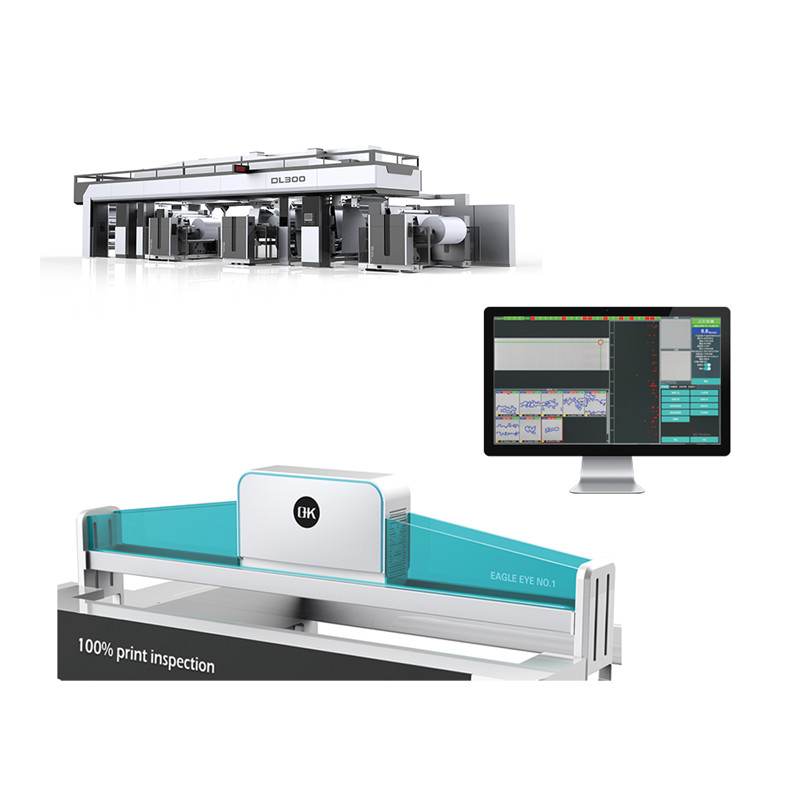
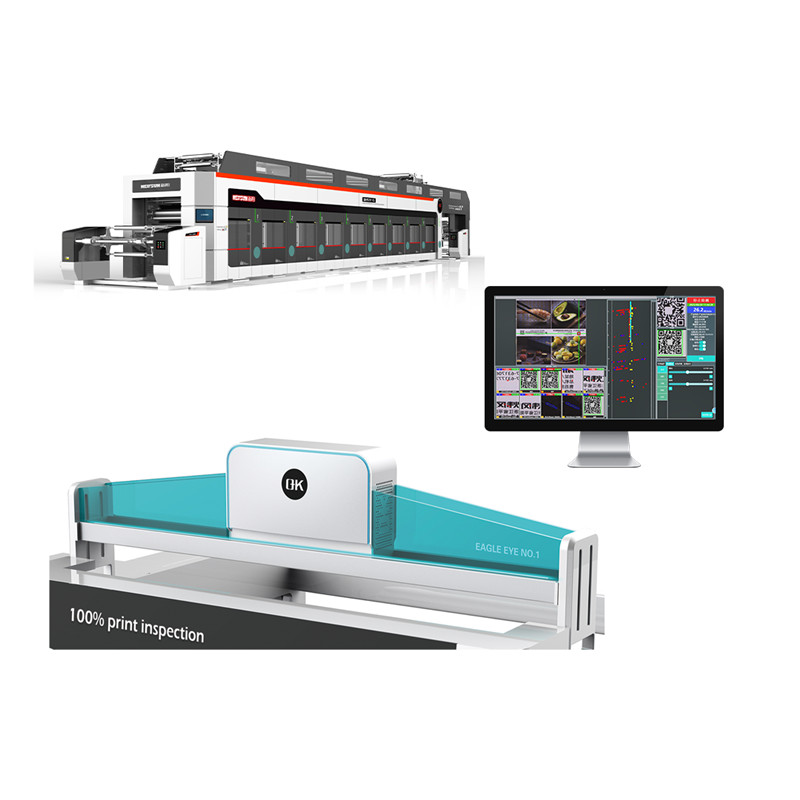
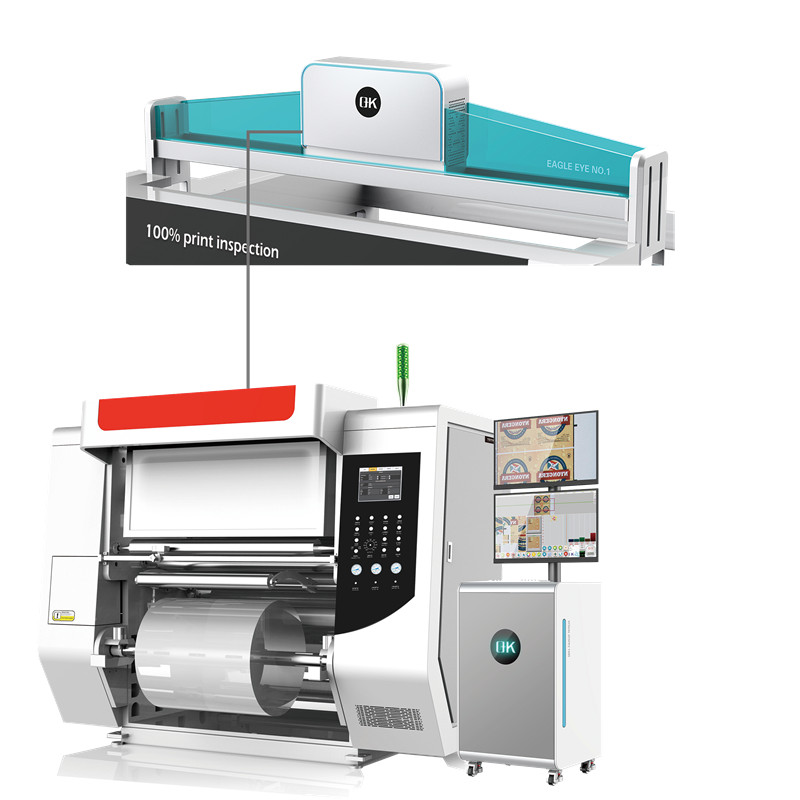
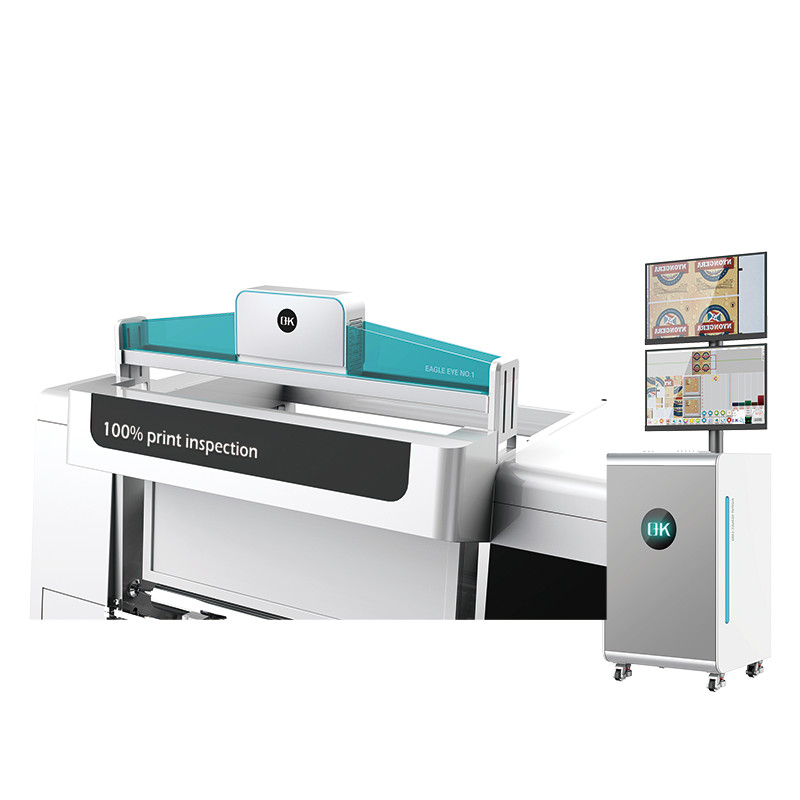
Brazil stands as the dominant industrial hub in Latin America, with an expansive flexible packaging, food and beverage processing, pharmaceutical, and agribusiness packaging sector concentrated in major industrial poles such as Greater São Paulo, Campinas, Joinville, Caxias do Sul, and the Manaus Free Trade Zone (PIM). As Brazilian manufacturing undergoes rapid modernizations under Industry 4.0 initiatives, converters and printing houses face intense pressure to eliminate material scrap, minimize power overhead, and meet stringent Mercosur packaging compliance standards.
Modern flexographic presses (such as gearless CI flexo) and high-speed rotogravure machinery across Brazilian plants frequently run at line speeds exceeding 400 to 700 meters per minute. At these rapid velocities, human visual inspection without specialized stroboscopic illumination or automated machine vision is virtually impossible. Missed defects such as color variations, register drifts, doctor blade streaks, missing print, ink splatters, pinholes, and lamination bubbles result in massive rolls of rejected substrates and costly customer reclaims.
Chinese stroboscopic inspection systems and 100% inline machine vision systems manufactured by Chongqing ARISE Technology Co., Ltd. offer Brazilian converters the optimal balance between high-end optical accuracy, rugged industrial endurance, and unmatched cost-to-performance ratio, making zero-defect manufacturing economically attainable for both tier-1 multinationals and growing Brazilian regional converters.
Understanding how automated optical inspection and stroboscopic synchronization are transforming Brazilian converting floors from reactive troubleshooting to predictive quality control.
Brazilian converters are moving beyond simple optical flashing. Deep learning algorithms now categorize defects instantly into ink spots, streaks, pinholes, foreign inclusions, or color shifts, automatically flagging severity levels without stopping the press unnecessarily.
Traditional xenon flash tubes have given way to high-power solid-state LED arrays with nanosecond pulse synchronization. This delivers crisp, freeze-frame imagery of fast-moving film webs with zero thermal distortion on heat-sensitive BOPP, PET, and PE substrates.
Real-time inspection data is mapped directly into digital defect coordinates. When master rolls move to downstream rewinding or slitting machines in Brazilian plants, the slitter automatically decelerates precisely at defective sections for rapid removal.
Brazil is the world powerhouse of soybean, meat, sugar, and coffee exports. Packaging for these goods requires barrier film integrity and pristine seal prints to ensure export-grade hermetic sealing and barcode readability across global ports.
With import tariffs and currency exchange fluctuations in Brazil (BRL vs USD/EUR), Brazilian plant managers seek high-performance Asian direct manufacturers that offer CE-certified inspection hardware without predatory licensing fees.
Industrial lines across remote Brazilian states benefit from cloud-enabled diagnostic modules, allowing engineers in Chongqing and local technical specialists in São Paulo to calibrate optical curves and update neural nets remotely.
From high-speed multi-color flexo presses to lithium separator film production, our stroboscopic and visual systems are engineered to withstand tropical climates and intense industrial duty cycles.
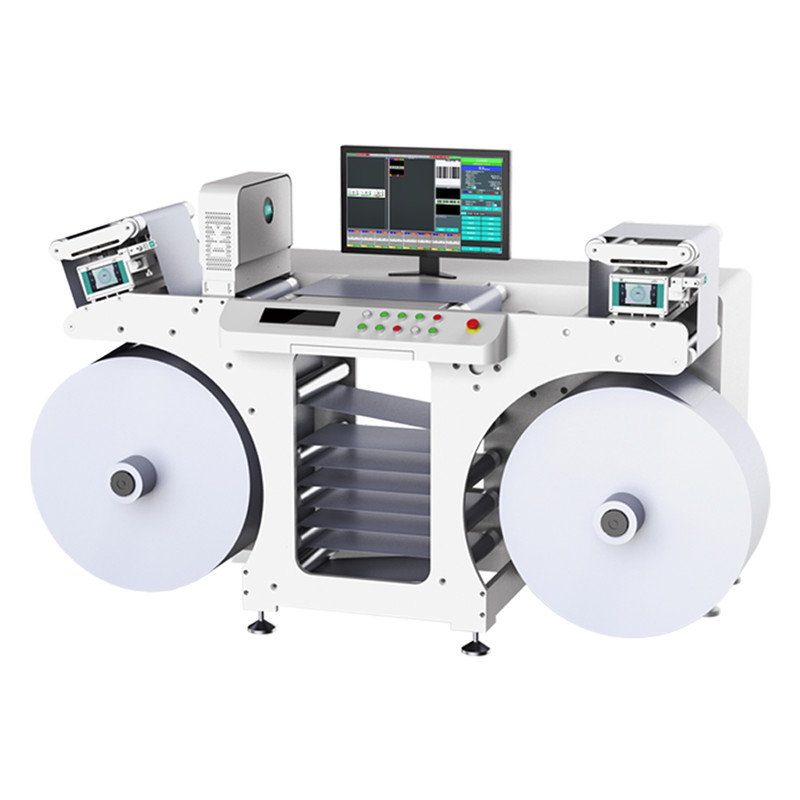
Applied extensively on flexo printing machines across São Paulo and Rio de Janeiro for snack food wrappers, beverage shrink sleeves, and pouch packaging. The OK-6000 and OK-8000 systems continuously check color registration, text crispness, missing dot patterns, and barcode legibility at speeds up to 600 m/min.
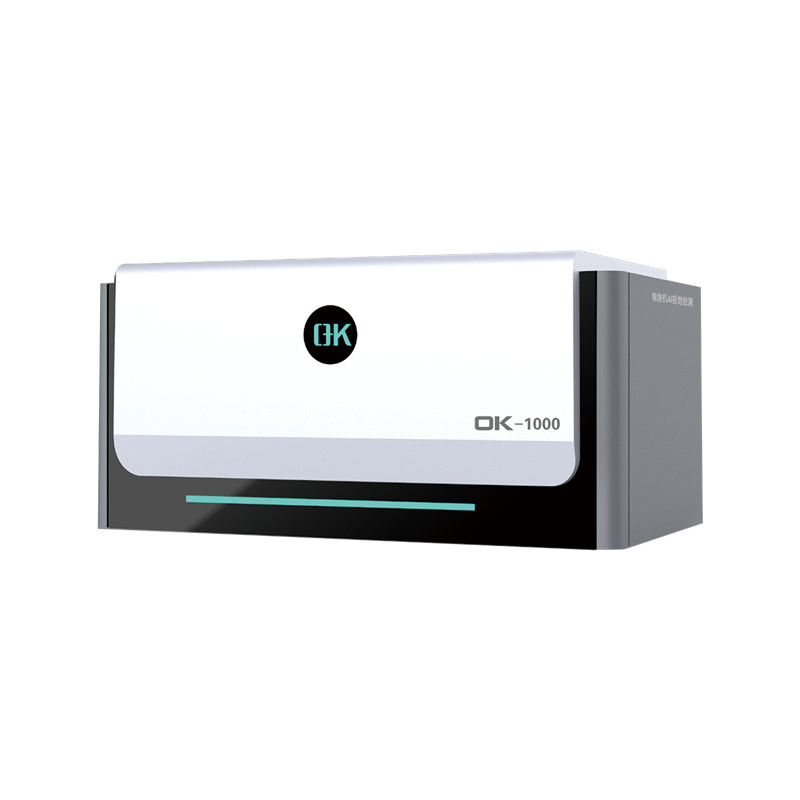
Brazil's agricultural heartlands in Mato Grosso and Paraná rely heavily on woven polypropylene (PP) and heavy-duty polyethylene (PE) bags for fertilizers, animal feed, and grain. The OK-1000B Double-Sided Vision Inspection System ensures both the front and back seals, valve openings, and handle punches are flawlessly aligned.
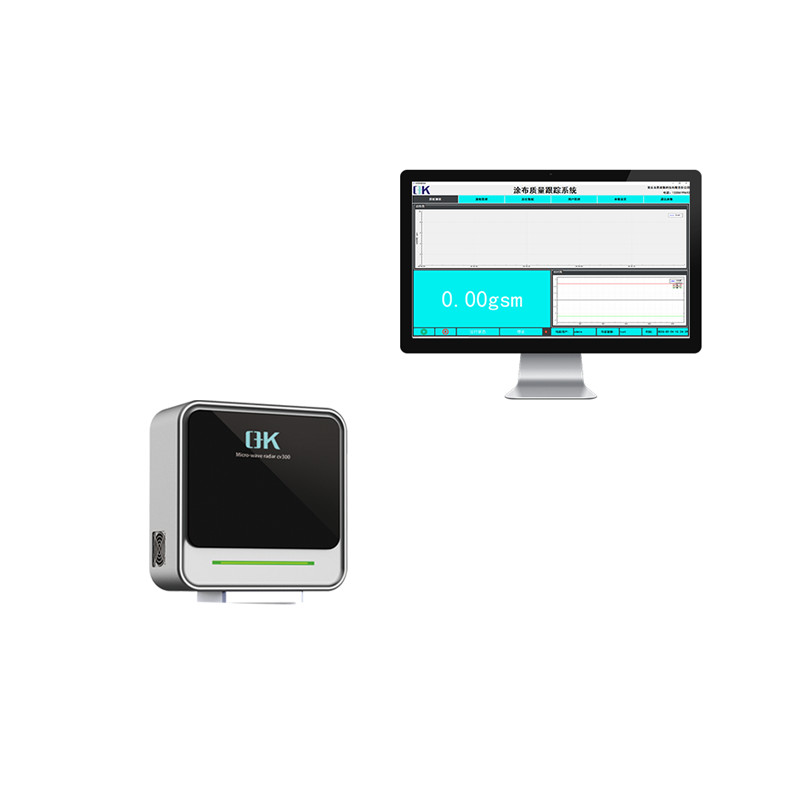
With Brazil's growing investments in clean energy and advanced electronics in Manaus, our CTS 3.0 Dual Detection Coating Quality Tracking System combines CV300 micron radar thickness gauging with optical inspection to monitor battery separator coatings, PVDF backsheets, and metalized barrier films without surface contact.
Pharmaceutical hubs in Anápolis and Greater Campinas require zero pinholes in aluminum blister foils to prevent moisture degradation of sensitive pharmaceuticals. Our high-frequency stroboscopic and pure-color material inspection units capture micro-pinholes down to 20 microns at production speeds.
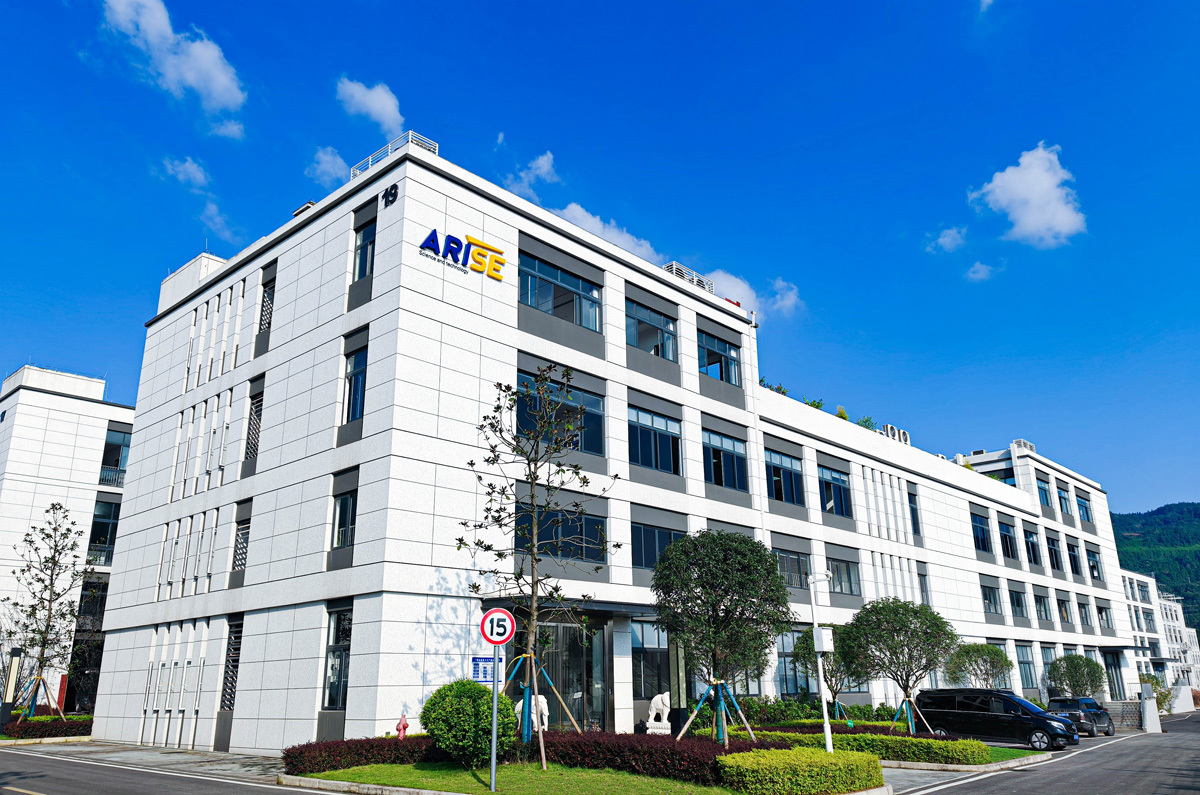
Chongqing ARISE Technology Co., Ltd. is a leading provider of intelligent web control solutions, headquartered near Chongqing East Railway Station in the Sichuan-Chongqing economic zone. With 25 years of experience in web control technology innovation, we are an ISO 9001-certified specialized, refined, distinctive, and innovative small giant enterprise. We hold 6 invention patents, 11 utility model patents, 26 design patents, and 18 software copyrights.
Our R&D team, with an average of over 10 years of experience, drives innovation in both hardware and software. Our products, including web guiding, tension control, and vision inspection systems, are certified by EU CE, EMC, and ISO standards, and serve industries such as printing, lithium batteries, photovoltaics, packaging, and more. With a service network spanning over 150 countries and regions, we have established long-term partnerships with many renowned companies.
Our vision is to become the world's No.1 brand in web control technology, setting global benchmarks in precision, speed, and intelligence.
With a mission to continuous innovation in web control technology, supporting the globalization of intelligent manufacturing in China.
We uphold the core values of innovation, integrity, professionalism, and gratitude, and are dedicated to pursuing this vision relentlessly.
Importing industrial automation into Brazil involves navigating strict regulatory landscapes, customs processes (Despacho Aduaneiro), and local electrical requirements (e.g., 220V/380V/440V 60Hz grid standards). ARISE provides tailored export engineering directly from our China factory to ensure turnkey commissioning across Brazil:
Explore our full line of online, offline, dual-detection, and double-sided stroboscopic inspection solutions engineered for maximum production efficiency in printing and packaging.
Answers to common engineering, integration, and logistics questions when purchasing stroboscopic inspection machinery from China to Brazil.
Yes. All ARISE inspection controllers and power supplies are engineered to support 110V/220V/380V/440V at 60 Hz with built-in surge suppressors and high-efficiency filters designed for industrial environments in Brazil.
Our machine vision and stroboscopic units instantly detect color discrepancies (ΔE), missing print, register offset, doctor blade lines, streaks, foreign bugs, splashes, pinholes, wrinkles, lamination bubbles, and barcode unreadability.
We provide industrial I/O protocols, including Modbus TCP, Ethernet/IP, Profinet, and dry-contact alarm triggers, allowing seamless integration with press auto-stop, sound-light alarms, label marking guns, or slitter rewinders.
Standard manufacturing lead time is 2 to 4 weeks depending on web width and sensor specifications. Ocean freight from Shanghai/Ningbo/Shenzhen to major Brazilian ports (Santos, Paranaguá, Itajaí) typically takes 30 to 40 days.