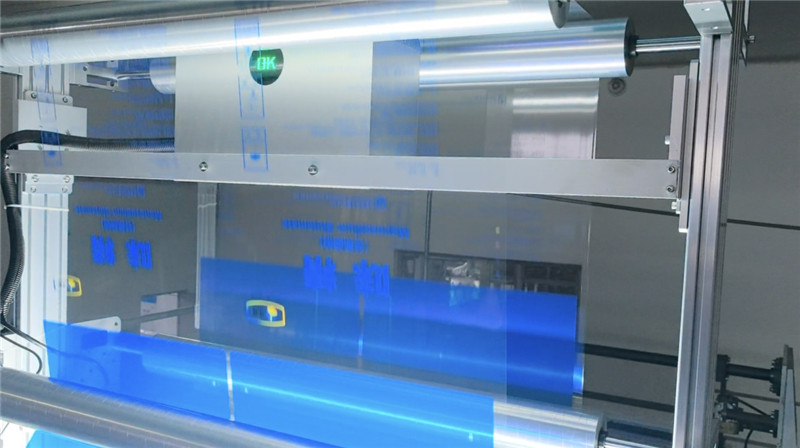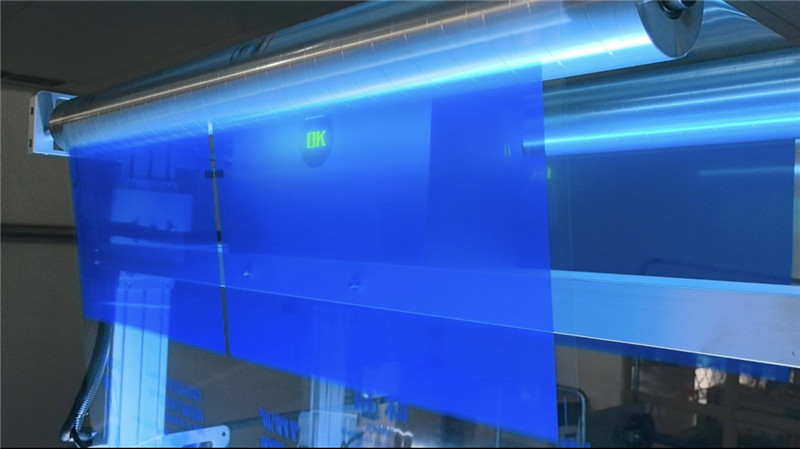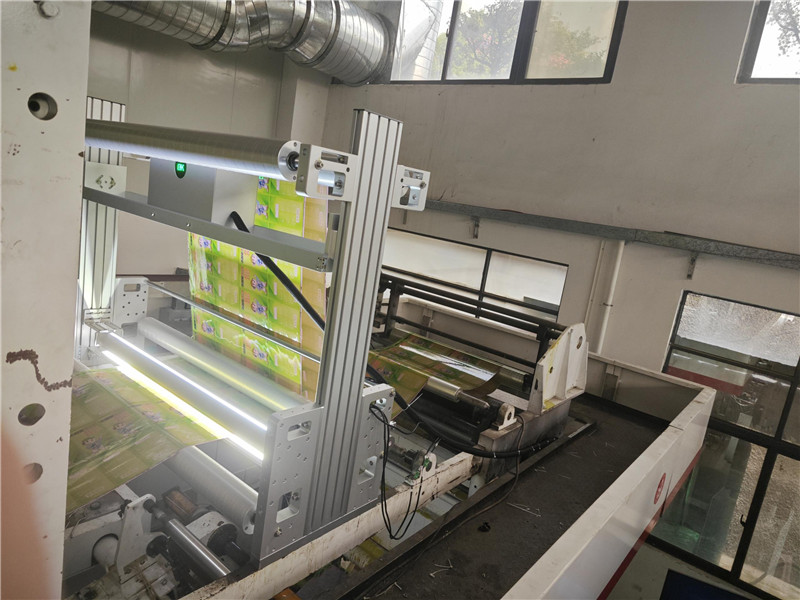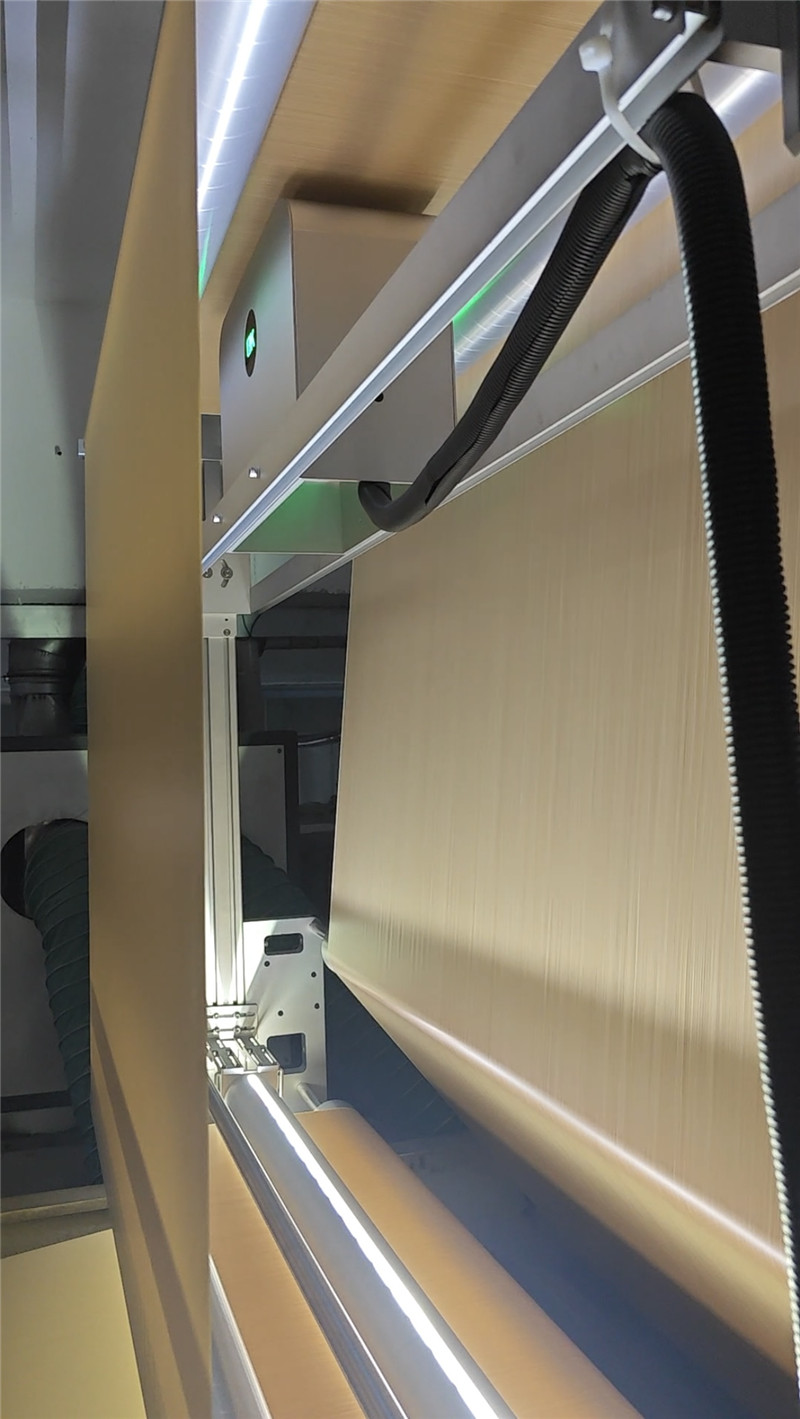
China CTS 3.0 Dual Detection Coating Quality Tracking System for Suppliers and Factory - CV300 Radar & Vision Inspections
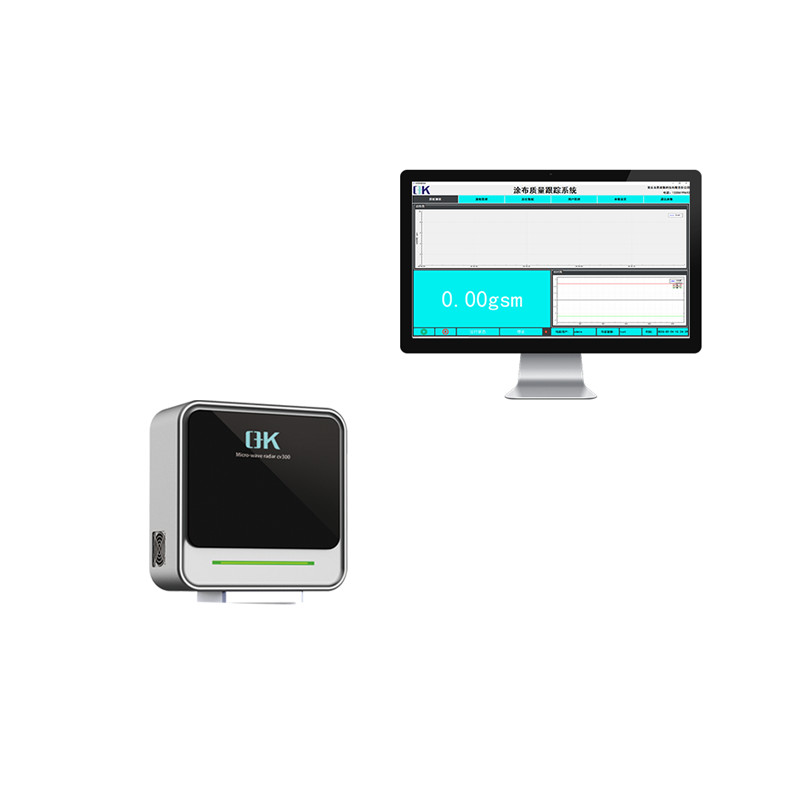
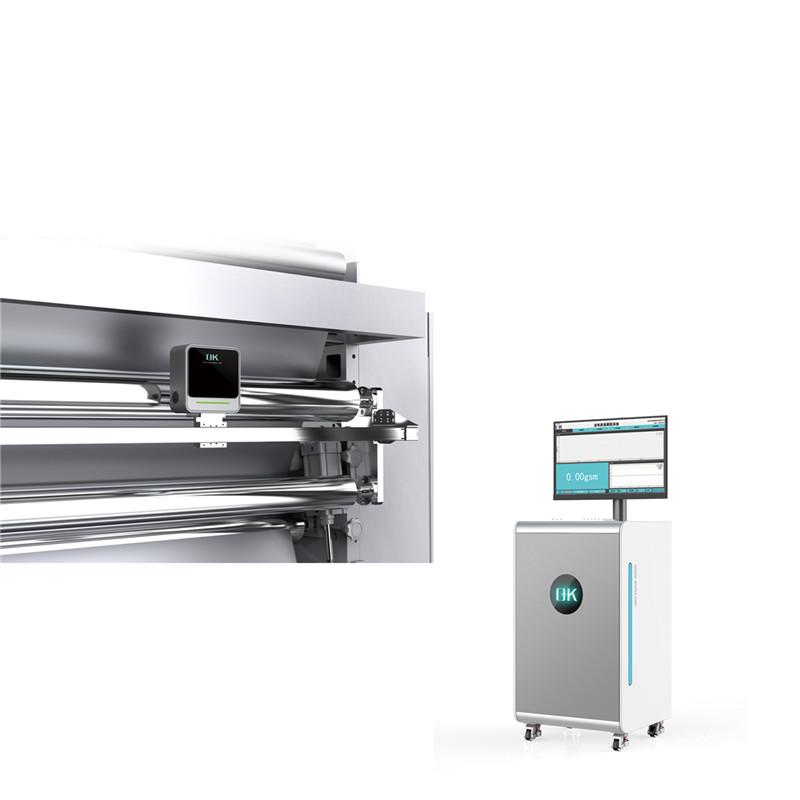
CTS 3.0: Redefining Coating Quality with Dual-Detection Synergy
Microwave Radar Layer (Depth)
Penetrates PET, ink, and various substrates without being affected by surface color or printed patterns to measure internal coating weight stability.
Machine Vision Layer (Surface)
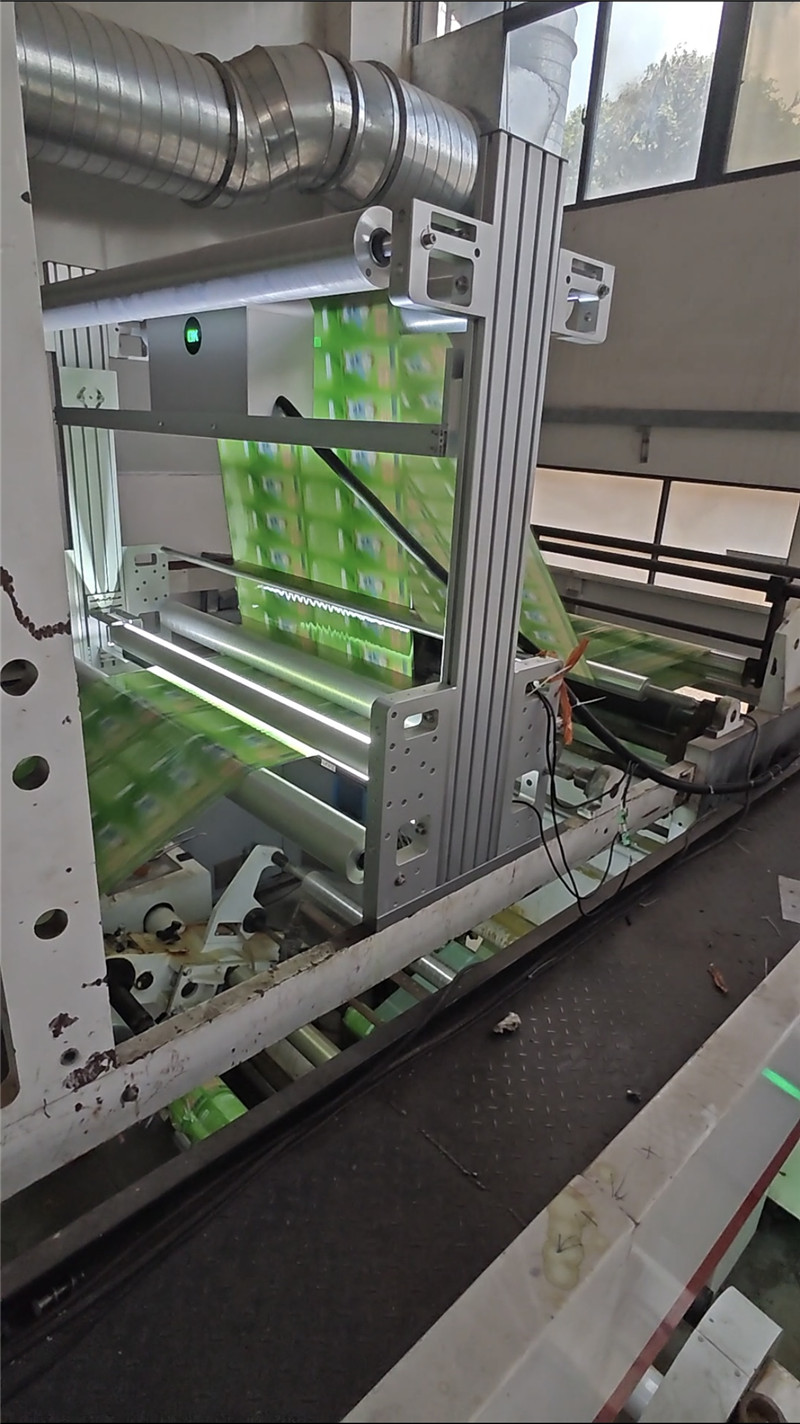
Scans continuously for external appearance defects such as thin coating, glue buildup, bubbles, streaks, and missing glue.
Cross-Verification Synergy
The true innovation is the cross-verification between the two: when the radar detects a weight fluctuation, the vision system confirms its visual impact, and vice versa. This synergy effectively eliminates manual sampling errors and prevents the continuous production of defective rolls.
Frequently Asked Questions
What is the CTS 3.0 Coating Quality Tracking System?
The CTS 3.0 is an advanced coating quality tracking system that utilizes Dual-Detection Technology, combining Microwave Radar and Machine Vision, to monitor both the internal coating weight stability and external surface integrity simultaneously.
How does the Dual-Detection Technology work?
It synchronizes "Depth" and "Surface" inspection. The Microwave Radar layer measures the internal coating weight, while the Machine Vision layer scans for surface appearance defects. The two layers cross-verify detections to ensure precise quality control.
Can the system inspect printed or colored substrates?
Yes. The Microwave Radar layer is designed to penetrate PET, ink, and various substrates without being affected by surface color or printed patterns.
What types of surface defects can the Machine Vision layer detect?
The Machine Vision layer scans for and identifies various appearance defects, including thin coating, glue buildup, missing glue, streaks, and bubbles.
How does CTS 3.0 prevent the production of defective rolls?
By providing real-time cross-verification between weight fluctuations (radar) and visual impacts (vision), the system instantly catches deviations. This eliminates manual sampling errors and stops continuous defective production immediately.