
Leave Your Message
High-precision online machine vision hardware integrated with neural-network defect recognition algorithms, fully compliant with European CE machinery standards and harmonized for Russian EAC industrial environments.
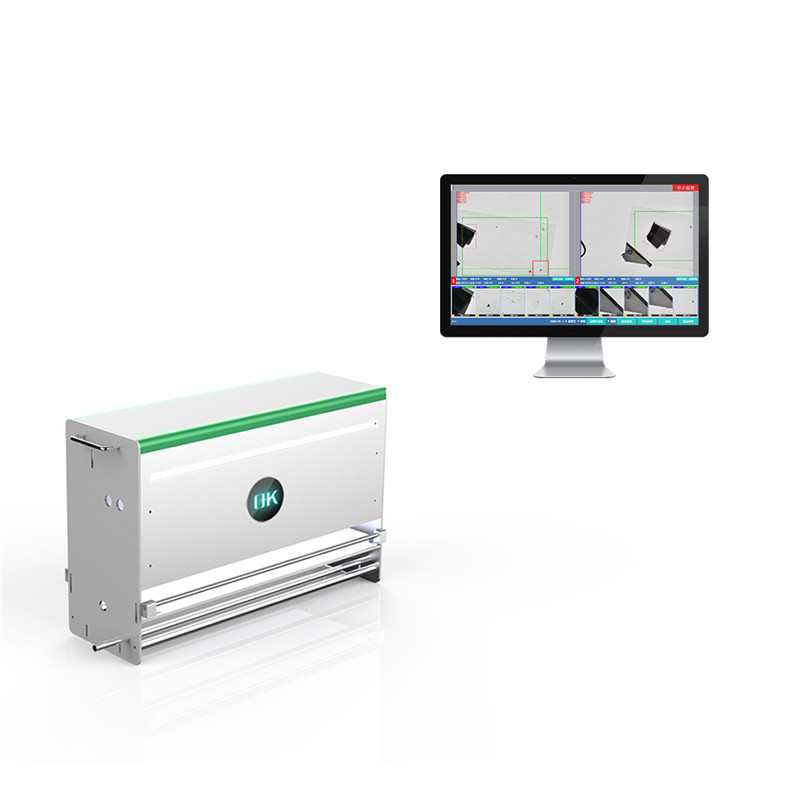
Engineered for Russian sanitary pouch and polybag lines, detecting micro foreign particles, pinholes, and sealing contamination at speeds up to 450 pcs/min.
Explore OK-1000A Specs →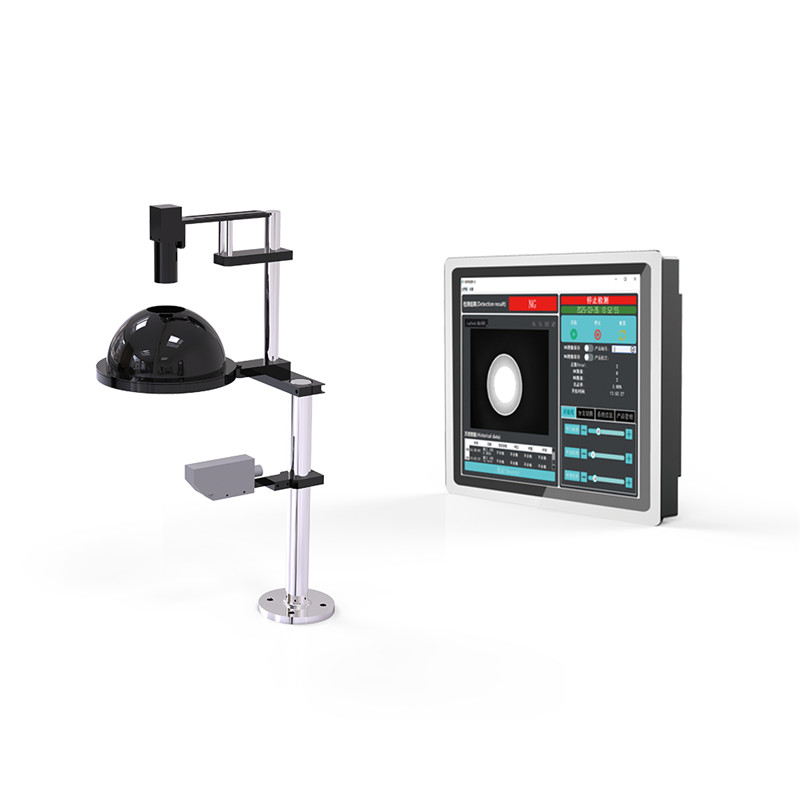
Full 360-degree internal and external optical inspection for paper containers, rims, and bottom seals, eliminating oil spots, stains, and deformation in high-speed foodservice supply lines.
Explore OK-2000A Specs →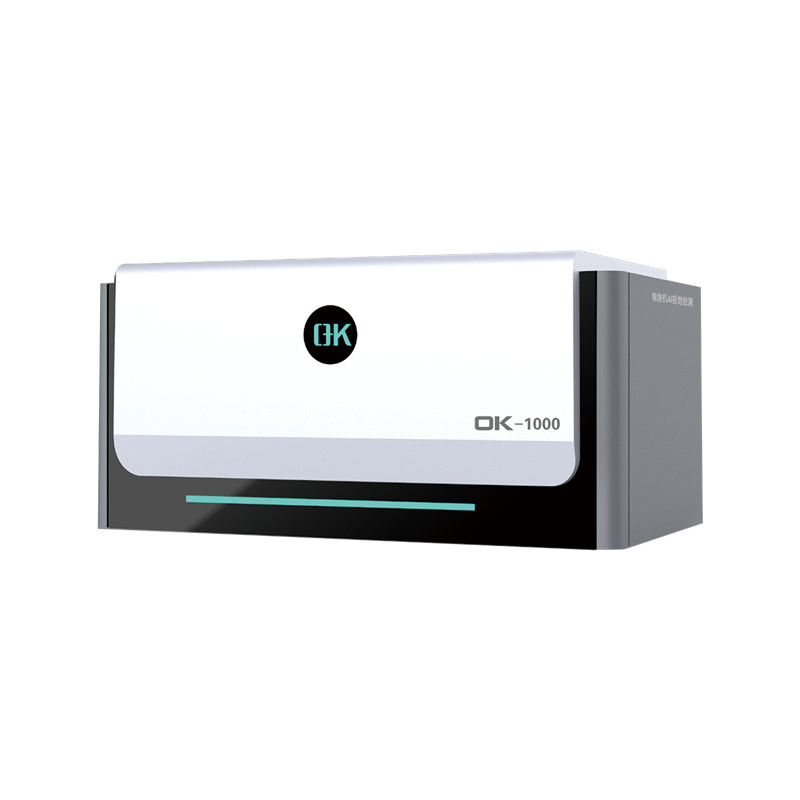
Synchronous front-and-back optical inspection architecture analyzing barrier film thickness, printing registration, and heat-seal continuity simultaneously in demanding multi-layer laminates.
Explore OK-1000B Specs →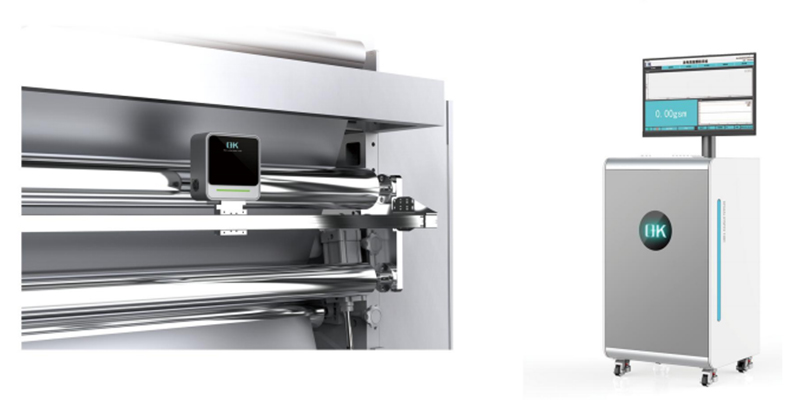
Sub-micron surface coating uniformity measurement system, providing real-time non-destructive quality analysis for adhesive, lacquer, silicone, and barrier coatings on flexible webs.
Explore CTS 3.0 Specs →The Russian industrial printing and packaging sector is experiencing a historic technological transition. With major shifts in supply chain routes, raw material origins, and trade partnerships, packaging converters in Moscow, Saint Petersburg, Nizhny Novgorod, Yekaterinburg, and Novosibirsk are rapidly modernizing their machine fleets. The historical reliance on Western European optical inspection hardware (such as traditional German or Swiss brands) has given way to modern, high-precision manufacturers capable of delivering CE certified, EAC-compliant AI machine vision solutions with immediate technical support, localized Russian interfaces, and flexible system integration.
In particular, the domestic consumption of flexible packaging, self-adhesive labels, aseptic liquid cartons, and corrugated board across Russia has surged by over 14% year-on-year. Driven by rapid retail expansion (such as X5 Group, Magnit, and Wildberries) and stringent traceability regulations (the federal "Chestny ZNAK" track-and-trace serialization mandate), Russian print converters can no longer afford human sampling or manual inspection. A single missing 2D DataMatrix code, micro-streak in gravure printing, or delamination flaw can result in severe financial penalties, container rejections, and disrupted manufacturing runs.
To understand the high demand for CE certified machine vision printing suppliers in Russia, it is essential to examine the geographical specialization across key industrial zones:
The focal point for high-volume flexible packaging, pharmaceuticals, and multi-color label converters. Operations here demand ultra-high-speed inline inspection systems capable of running on CI flexo presses and rotogravure machines at speeds exceeding 400 to 500 meters per minute.
Specialized in premium folding carton, food containers, high-precision paper cup production, and beverage packaging. Inline vision defect inspection requires sub-millimeter foreign particle discrimination and rigorous color registration tolerance.
Centers of polymer processing, BOPP/PE film extrusion, heavy industrial sacks, and specialty barrier films. Plant managers require ruggedized optical hardware with continuous thermal management, X-ray thickness density mapping, and two-sided defect tracking.
Utilizing high-resolution industrial cameras and AI algorithms, it achieves 100% full inspection of coil material surfaces, accurately identifying various defects such as scratches, stains, holes, color differences, and registration deviations. It is widely applicable to industries including printing, lithium battery, photovoltaics, and packaging, rapidly reducing defect rates and improving product quality stability.
Specifically engineered for Russian automated lines, this architecture integrates high-speed GigE / Camera Link protocols, enabling uninterrupted data acquisition and instant defect mapping without disrupting web tension or slitter winding speeds.
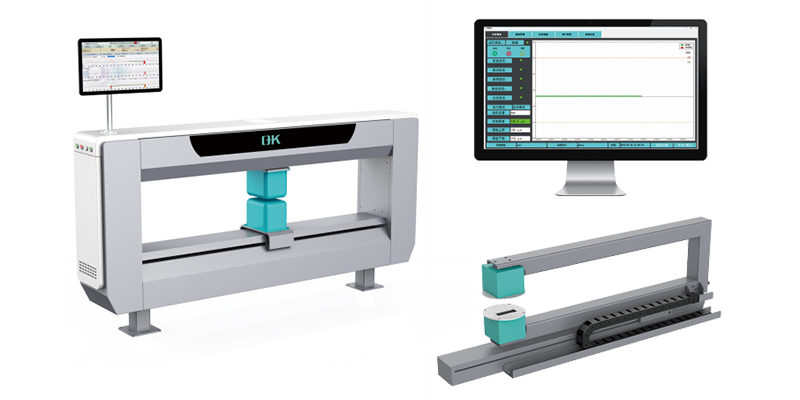
Designed for multi-layer barrier films, battery separator webs, and high-specification extruded polymers in the Ural and Moscow chemical corridors. By deploying non-contact, safe X-ray attenuation sensor arrays, the system continuously measures cross-directional and machine-directional thickness profiles, detecting sub-micron gauge deviations and voids in real time.
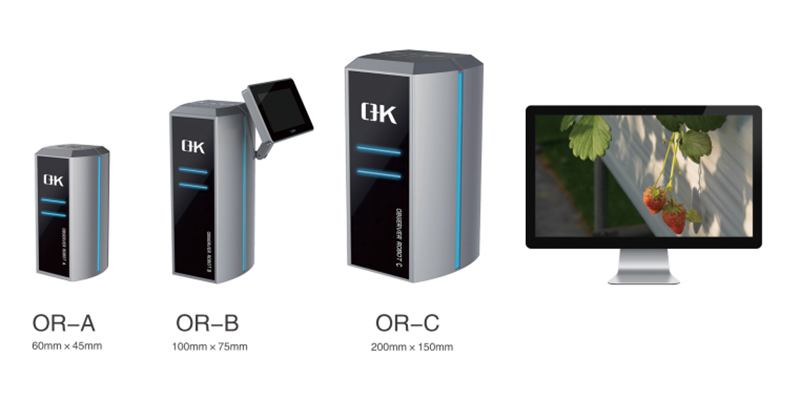
Delivers high-definition microscopic snapshots and motorized optical zoom across web widths up to 2500 mm. Russian flexographic and rotogravure press operators can observe dot gain, micro-type crispness, barcode readability, and register marks in real time, preventing repetitive roll waste during long continuous print campaigns.
An intelligent inline monitoring unit combining spectroscopic optics and infrared laser sensors. It tracks coating dry/wet thickness, verifies release agent uniformity, flags pinhole bubble cavities, and feeds real-time adjustment instructions back to precision coater doctor blades and metering pumps.
Exporting advanced machine vision systems to the Russian Federation demands rigorous adherence to international safety, electrical compatibility, and software integrity criteria. While CE certification confirms compliance with the European Machinery Directive (2006/42/EC), Low Voltage Directive (2014/35/EU), and Electromagnetic Compatibility Directive (2014/30/EU), our manufacturing standards are dual-aligned with the Eurasian Customs Union Technical Regulations (TR CU 010/2011 "On Safety of Machinery" and TR CU 020/2011 "EMC of Technical Means").
Russian industrial plants operate under severe operational and climatic variables. In regions like the Urals, Siberia, and Northern European Russia, ambient temperatures in converting facilities can fluctuate dramatically between winter and summer. CE certified systems guarantee:
The versatility of our vision inspection product line covers virtually all converting and printing production lines found throughout the Russian Federation:
Utilized on high-volume bag makers producing stand-up pouches, zipper bags, and vacuum meat pouches. The OK-1000A and OK-1000B systems detect hair, flying dust, dark spots, sealing voids, and edge slitting burrs down to 0.05 mm², guaranteeing that food-contact packaging meets SanPiN hygiene regulations.
Inline vision inspection systems continuously grade DataMatrix barcodes, GS1 QR codes, and OCR batch serial numbers at line speeds up to 350 m/min. Incomplete print, ink splashing, or missing digits are flagged in real time, preventing unscannable medicine and dairy labels from reaching consumer shelves.
Surface defect detection on aluminum blister foil, paper-poly laminates, and Tyvek sterile packaging in Vladimir and Moscow pharmaceutical parks, verifying zero pinholes, zero crease lines, and micro-defect free surfaces.
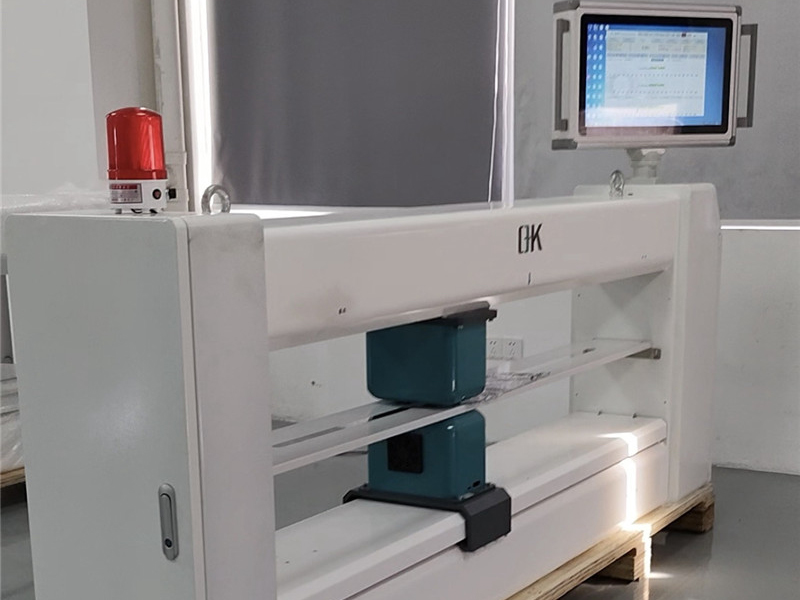
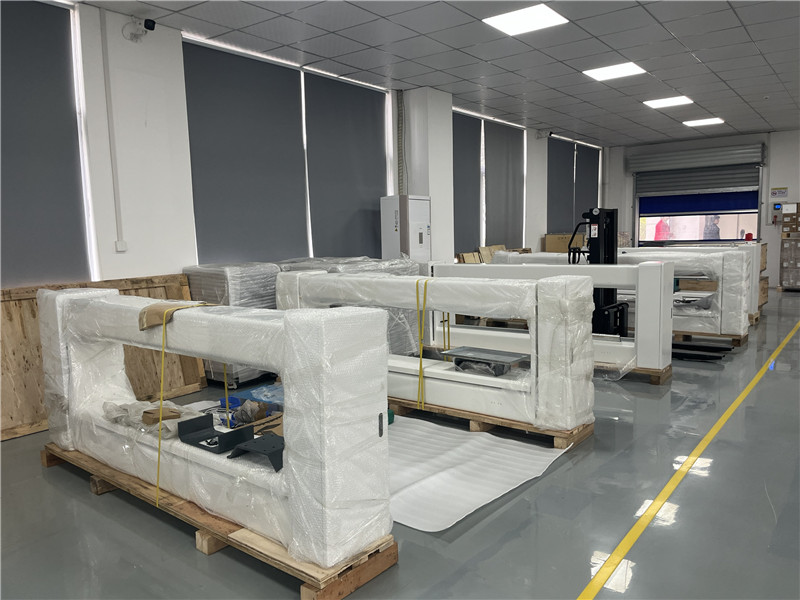

Traditional threshold-based computer vision often struggles when inspecting metallic foils, holographic overlays, patterned background films, or highly transparent substrates. Changes in web tension, slight ambient light leakage, or subtle flutter on Russian retrofitted printing machinery can generate thousands of false alarms, causing operators to ignore alerts or disable inspection systems entirely.
Our CE certified machine vision systems solve this critical bottleneck through a hybrid algorithm pipeline that merges high-throughput edge FPGA hardware with customized deep convolutional neural networks (CNNs):
During high-speed rewinding and converting, every detected defect is dynamically classified into standardized industrial defect libraries:
Defect coordinates (MD and CD coordinates), defect size, and high-definition cropped defect images are automatically stored in an SQL database and summarized in a standardized roll quality report (Roll Map). When rolls are transferred to Russian slitter-rewinders, the slitter automatically stops or slows down exactly at defect coordinates, enabling rapid manual excision or automatic waste ejection.
Q1: Are these vision print inspection systems compatible with older European presses (Windmöller & Hölscher, Comexi, Bobst, Gallus) operating in Russia?
Yes. Our systems feature flexible mechanical mounting brackets and universal encoder/trigger interfaces. They integrate seamlessly with both existing European presses and newly imported Chinese printing and laminating equipment.
Q2: Is software localization and technical support available in Russian?
Yes. ARISE vision inspection platforms feature full Russian language human-machine interfaces (HMI), comprehensive Russian operation manuals, and remote engineering diagnostic capabilities via secure industrial network tunneling.
Q3: What CE directives are certified for customs clearance in Russia?
All inspection series hold full CE declarations under the EU Machinery Directive 2006/42/EC, EMC 2014/30/EU, and Low Voltage Directive 2014/35/EU, facilitating rapid conformity verification and EAC declaration documentation across the Eurasian Economic Union.
Explore our full line-up of industrial surface quality scanners, bag-making machine optical inspectors, coating thickness sensors, and continuous web monitoring systems designed for Russian packaging converters.
Ultra-fast optical foreign object detector and seal flaw analyzer for high-speed continuous pouch and wicket bag lines.
View Specifications →
Complete 360-degree high-precision rim, bottom, and sidewall vision inspection for automated paper cup forming lines.
View Specifications →
Simultaneous upper and lower surface defect detection delivering full quality security on multi-layer barrier bags.
View Specifications →
Continuous spectroscopic coating thickness verification, pinhole detection, and defect tracking for web converters.
View Specifications →
Non-contact continuous thickness and density measurement for multi-layer barrier film extrusion and metalized webs.
View Specifications →
Motorized optical zoom and high-frequency strobe illumination delivering microscopic print register monitoring.
View Specifications →
Full-width line scan optical system identifying micro scratches, doctor blade streaks, and color spots at 600 m/min.
View Specifications →
Closed-loop roll mapping architecture linking printing presses, slitter-rewinders, and plant-wide ERP quality databases.
View Specifications →As Russian converters continue to raise the bar for packaging integrity, operational speed, and waste reduction, Chongqing ARISE stands as a reliable, direct manufacturer of CE certified machine vision print inspection systems. By combining ultra-high-resolution industrial line-scan optical hardware, localized Russian software ergonomics, comprehensive technical engineering support, and competitive lifecycle costs, we empower our Russian partners to achieve zero-defect roll output and secure long-term market leadership.