Leave Your Message
Deploying advanced line-scan optical architectures to eliminate label printing errors, substrate anomalies, and coating variance.
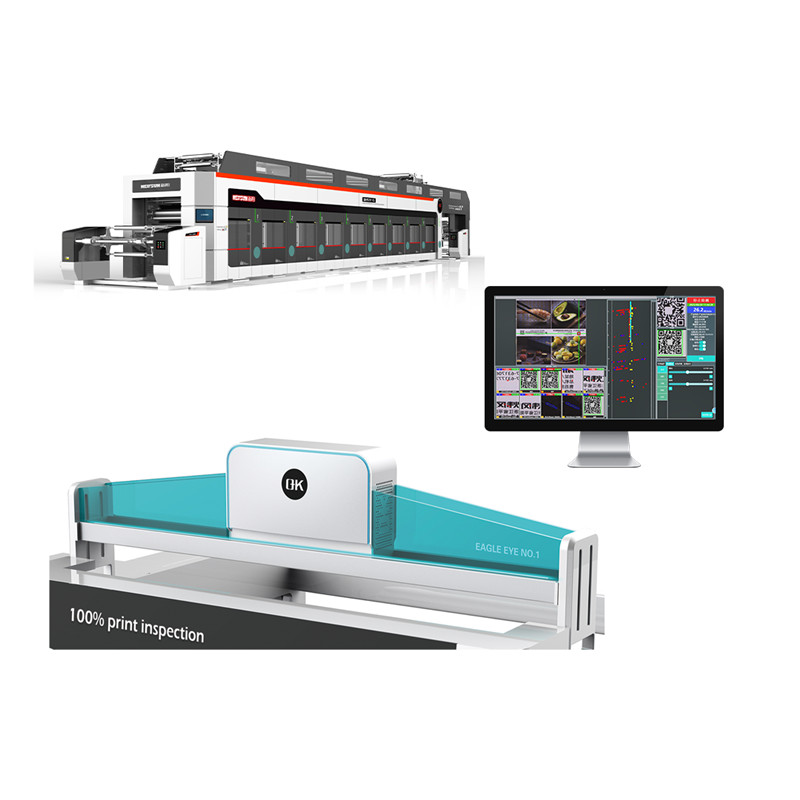
The Russian packaging landscape has experienced fundamental transformations with the wide-scale implementation of Chestny ZNAK. National serialization regulations mandate zero-defect printing on DataMatrix codes and 2D serialization bars across pharmaceuticals, dairy, bottled water, cosmetics, and tobacco. Automated print inspection stickers and label vision platforms prevent invalid symbologies, unscannable codes, and duplicate serials at full production speeds.
With ongoing shifts in trade corridors, Russian packaging converters and flexographic facilities in industrial centers such as Moscow, Saint Petersburg, Nizhny Novgorod, and Ekaterinburg increasingly depend on robust Asian and domestic automation technologies. High-precision inspection stickers and automated vision solutions with full CE certification provide compliant, plug-and-play validation while replacing discontinued Western automation modules.
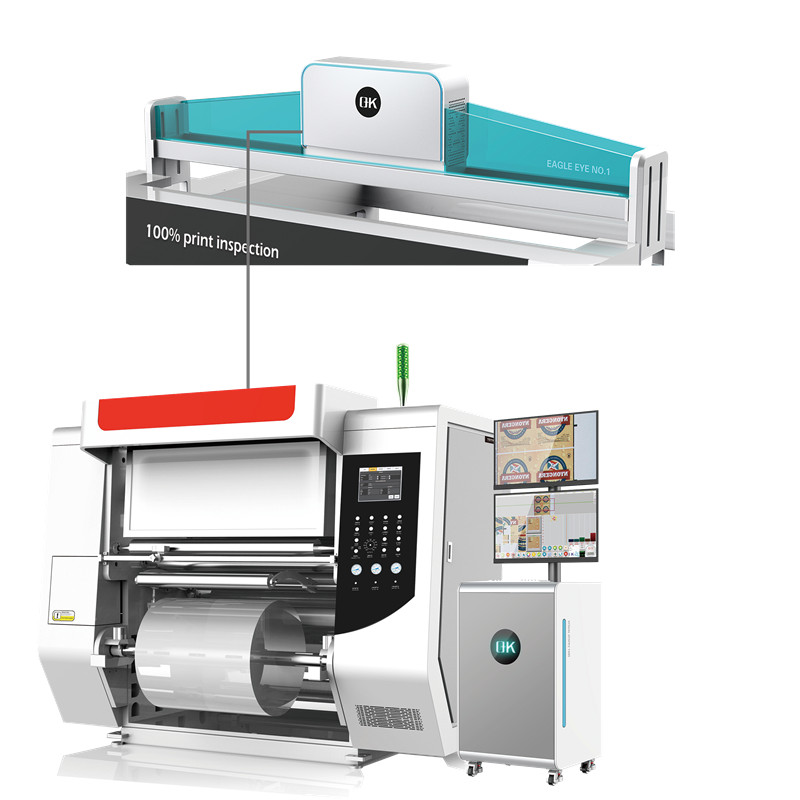
Due to fluctuating prices of imported virgin paperboards, self-adhesive release liners, and barrier films, Russian flexo and gravure printers face rising production overheads. Deploying real-time inline defect detection eliminates catastrophic waste loops, ensuring operator alerts on color drifts, registration errors, or streaks within fractions of a second rather than after hundreds of meters of spoiled web run.
Ensuring compliance, defect prevention, and operational integrity across demanding production environments.
Supplying specialized converters in Obninsk and Saint Petersburg pharmaceutical clusters. Systems enforce rigorous validation of multi-language typography (including complex Cyrillic fonts), micro-texts, serialization matrices, and regulatory warning labels without sacrificing run speeds up to 400 m/min.
Food logistics across Siberia and the Urals require resilient, multi-layer adhesive labels and barrier wraps. Inline visual tracking spots adhesive misregistration, coating pinholes, foil de-lamination, and color inconsistency under variable thermal conditions and high humidity.
Russia's petrochemical processing plants in the Volga and Tatarstan territories require heavy-duty film labeling. Inspection stickers and machine vision platforms verify barcode integrity, chemical warning symbols, and thermal transfer print quality on ruggedized substrates.
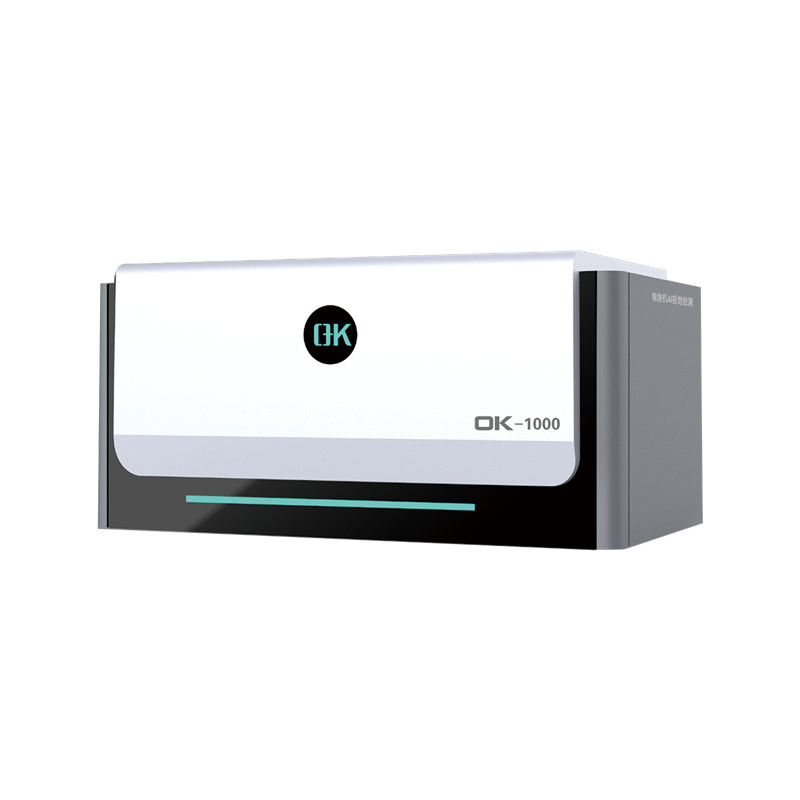
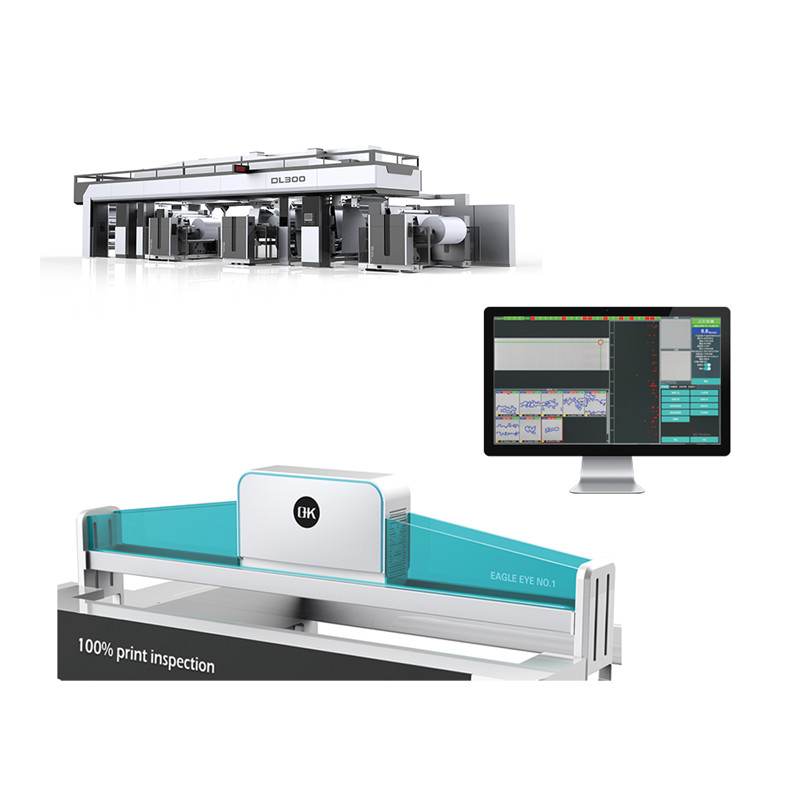
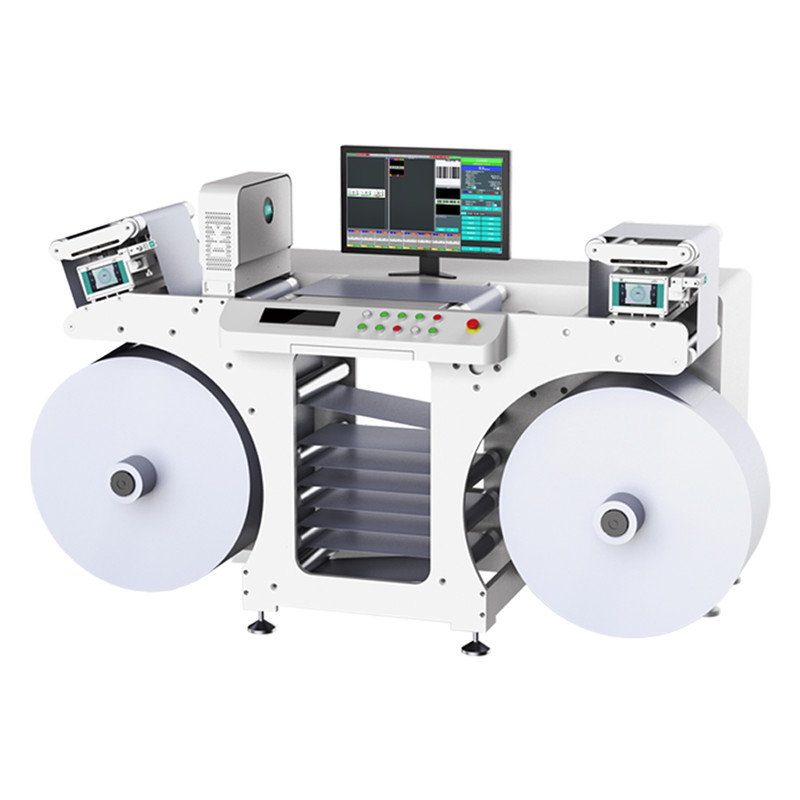
Utilizing high-resolution industrial cameras and AI algorithms, it achieves 100% full inspection of coil material surfaces, accurately identifying various defects such as scratches, stains, holes, color differences, and registration deviations. It is widely applicable to industries including printing, lithium battery, photovoltaics, and packaging, rapidly reducing defect rates and improving product quality stability.
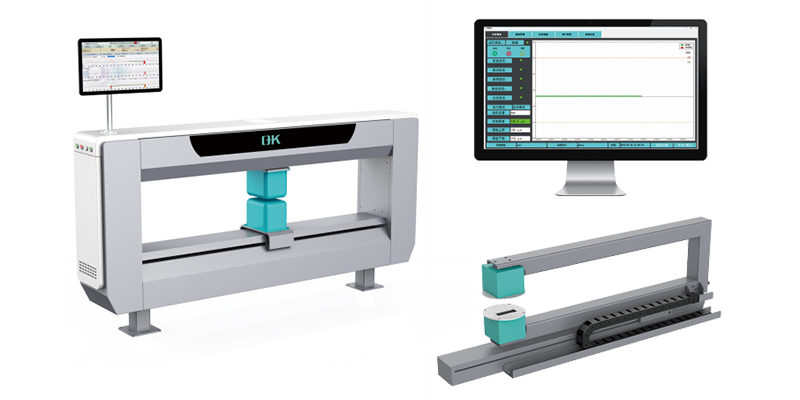
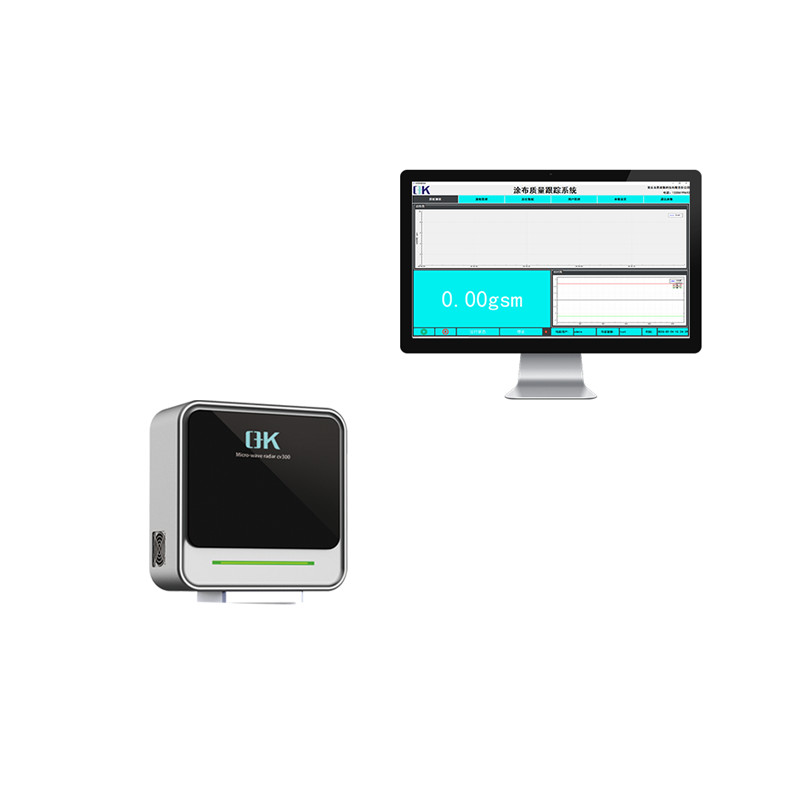
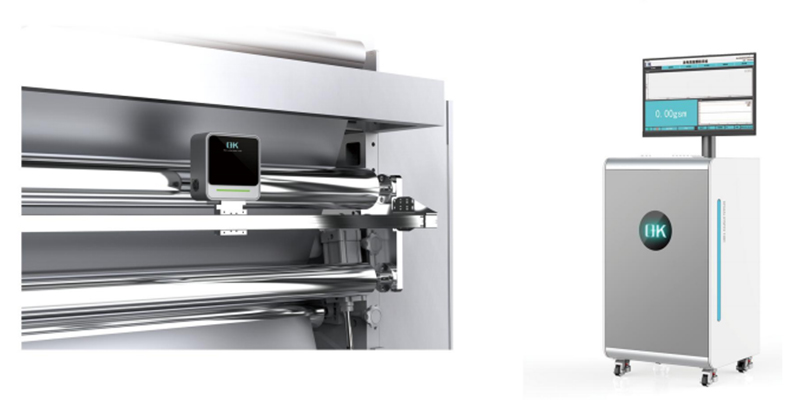
Engineered for high-density barrier foils, non-woven laminates, and technical films. Integrates micro-focus radiation gauges to determine substrate layer variations across the entire roll width with sub-micron repeatable precision, ensuring compliance with both Russian GOST standards and international CE protocols.
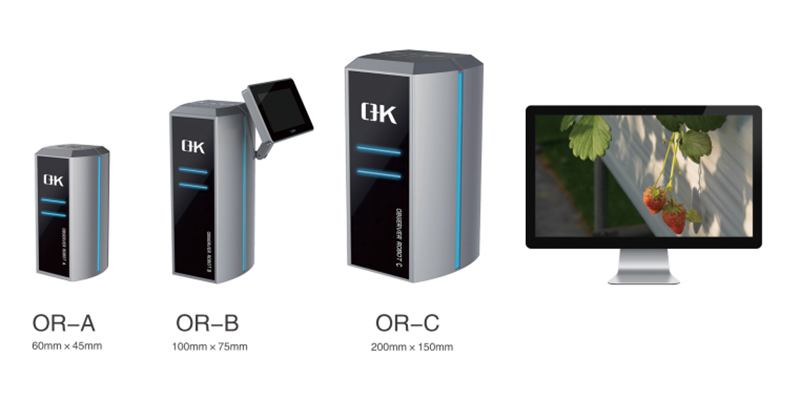
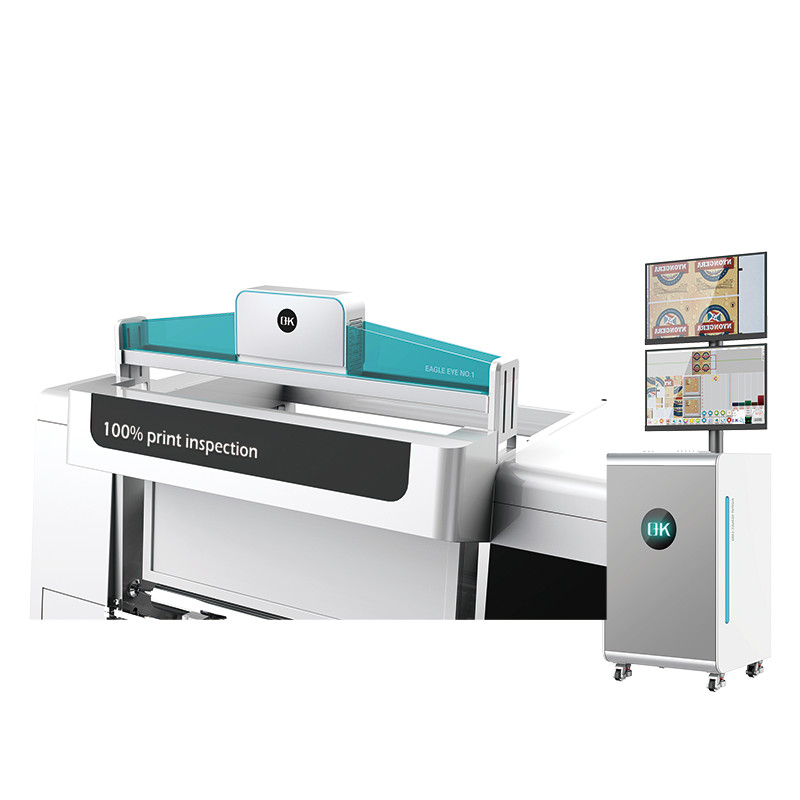
Provides operators with crystal-clear stationary images of ultra-fast moving webs on wide-web printing presses. Allows instant manual and algorithmic inspection of fine graphic registers, vignettes, Cyrillic typography sharpness, and spot UV varnishes during continuous flexographic operations.
Employs dual-spectrum multi-camera vision paired with micron-radar sensors to verify silicone release layers, barrier adhesives, thermal coatings, and primer uniformities. Ideal for manufacturers delivering converted silicone liners and self-adhesive sticker reels to Russian label converters.
Designed to deliver uninterrupted productivity in harsh industrial environments while complying with stringent European and Eurasian economic directives.
All machinery, vision processors, and automated labeling modules are engineered to full CE compliance, meeting strict low-voltage electrical safety, electromagnetic compatibility (EMC), and functional safety criteria (EN ISO 13849-1), minimizing technical integration risks for modern plants.
Software architectures and hardware enclosures are built to withstand regional operational conditions. Interfaces feature comprehensive Russian-language operator displays, Cyrillic database indexing, and ruggedized power handling designed to absorb fluctuations in industrial line current.
Equipped with OPC-UA, Modbus TCP/IP, and direct SQL communication protocols. Easily synchronizes with localized Russian ERP and MES infrastructures such as 1C:Enterprise, passing automated defect roll maps to downstream slitters and rewinding systems.
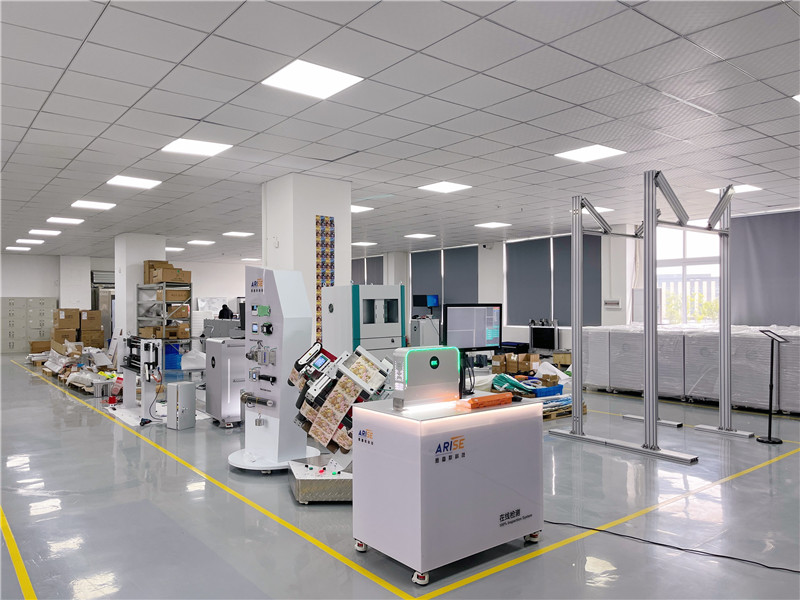
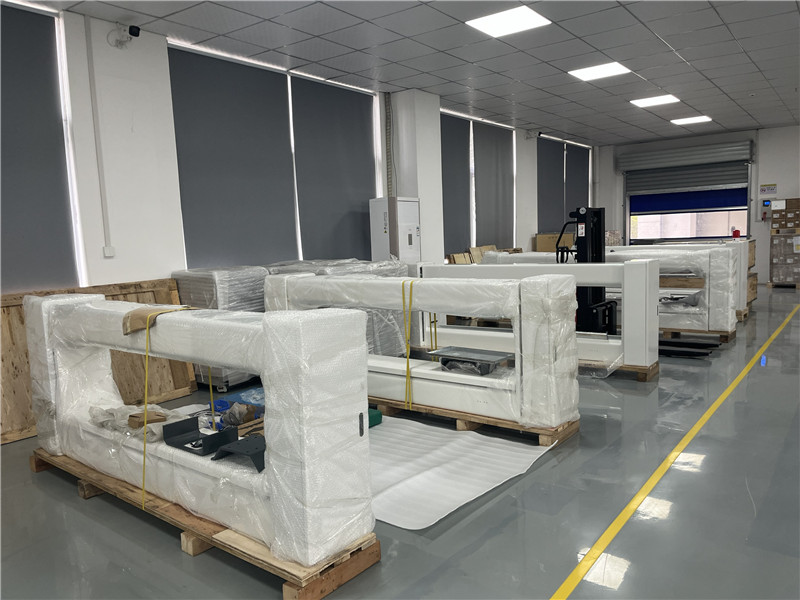
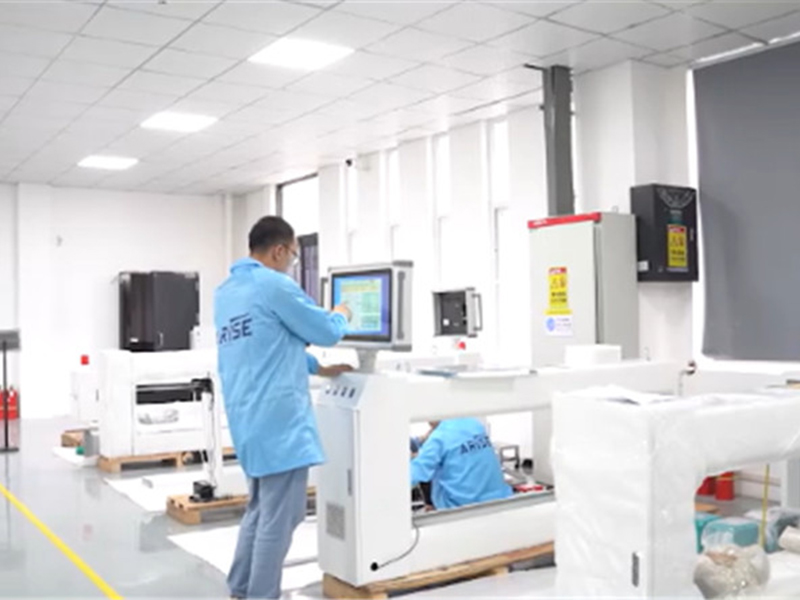
World-class assembly cleanrooms, specialized optical laboratories, and rigorous stress testing ensuring defect-free field deployment.
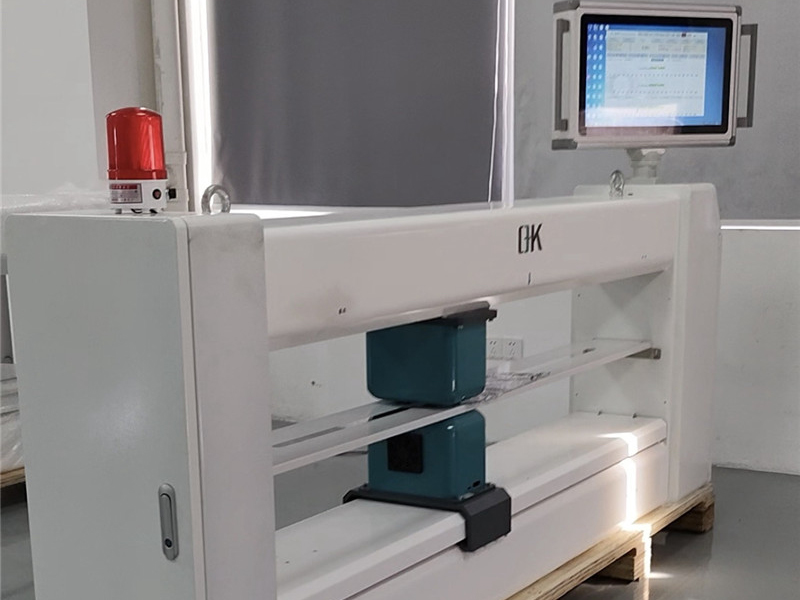
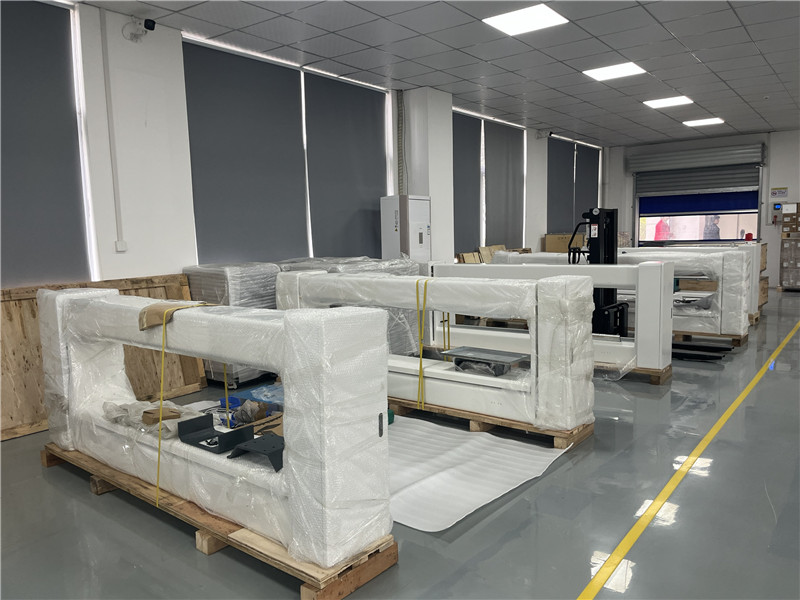


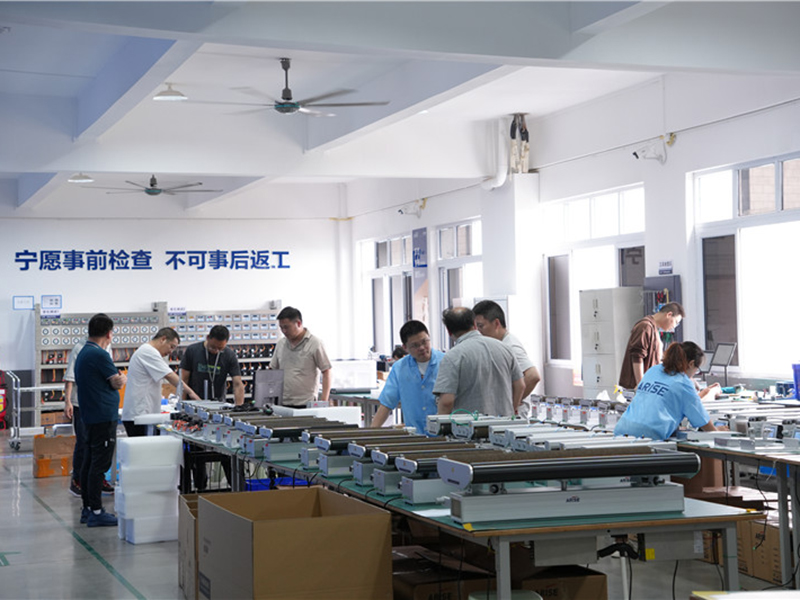
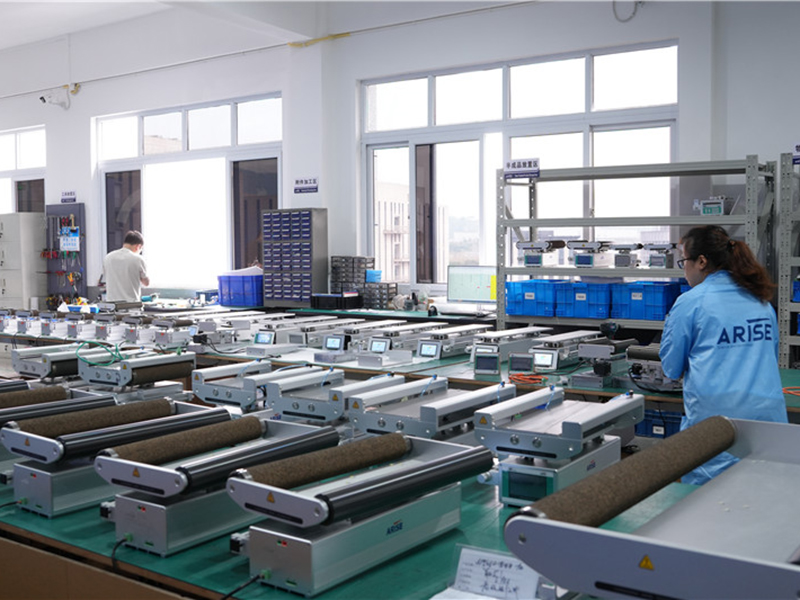
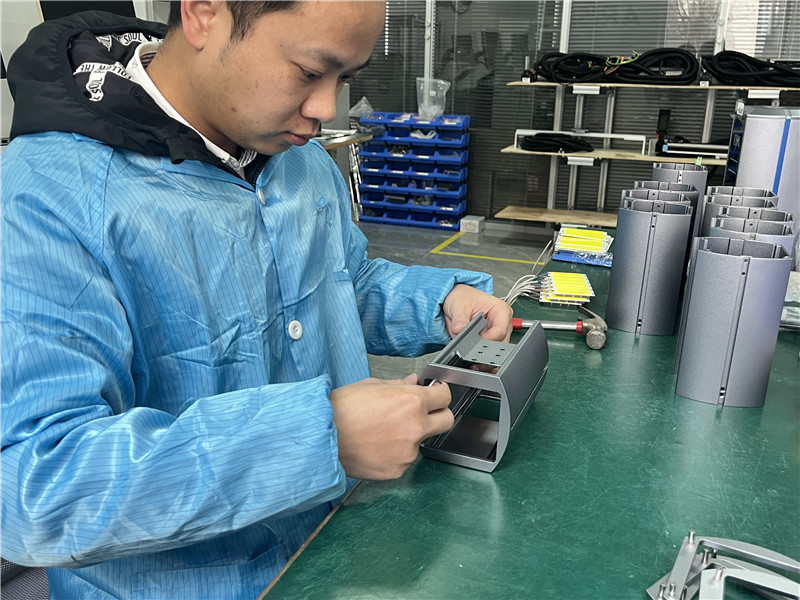
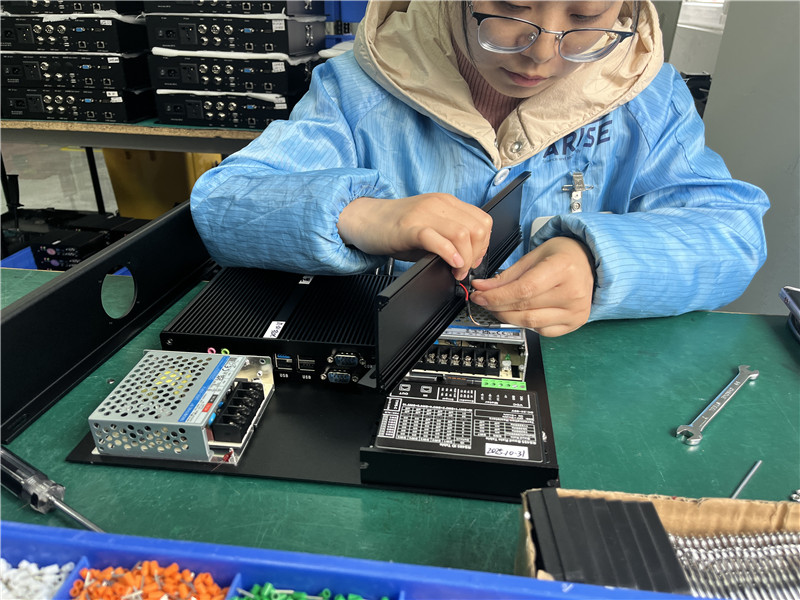
Complete product matrix offering precision defect verification, coating monitoring, and high-speed rewinding control.