
Leave Your Message
Discover our high-precision thickness measurement solutions engineered to meet CE certification standards, tailored specifically for the demanding requirements of Brazilian industrial manufacturers.
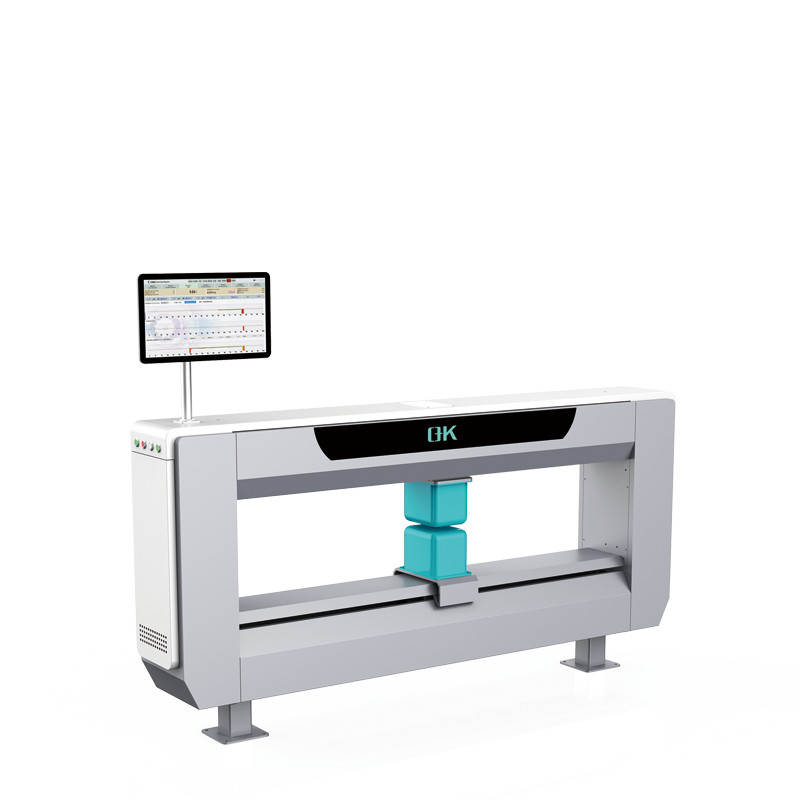
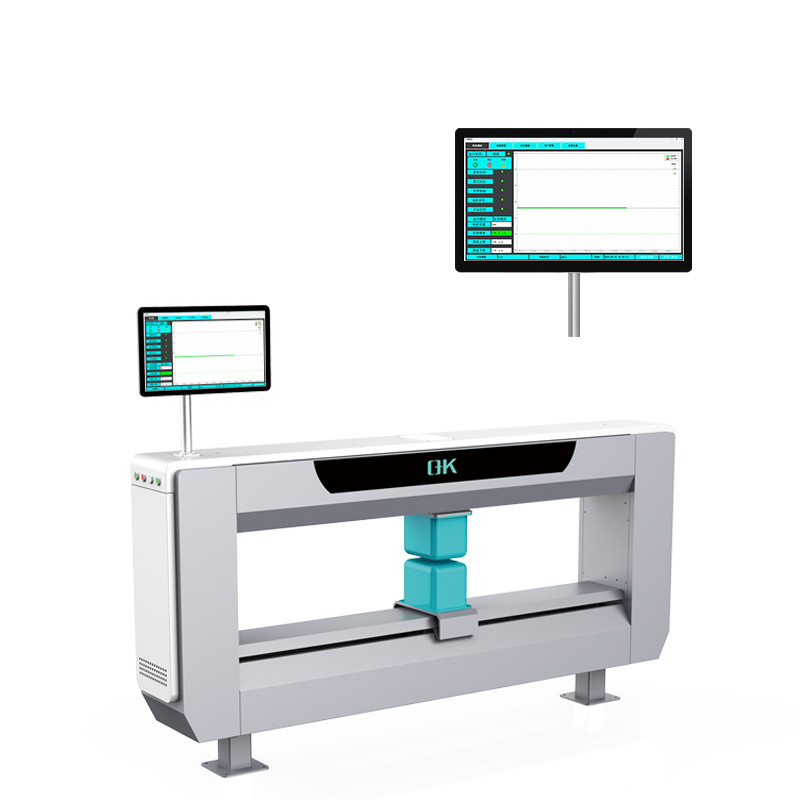
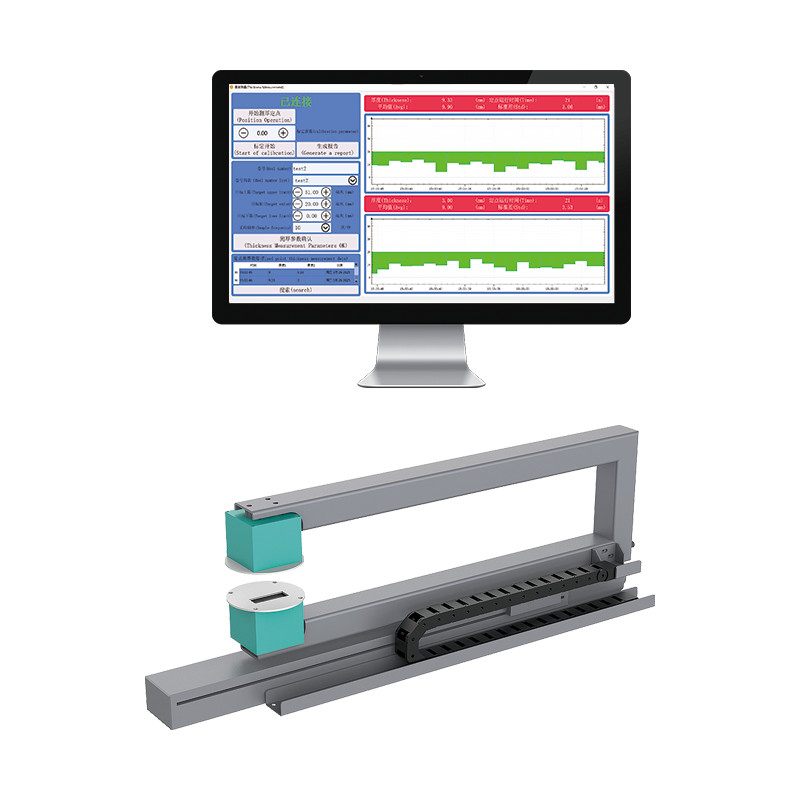
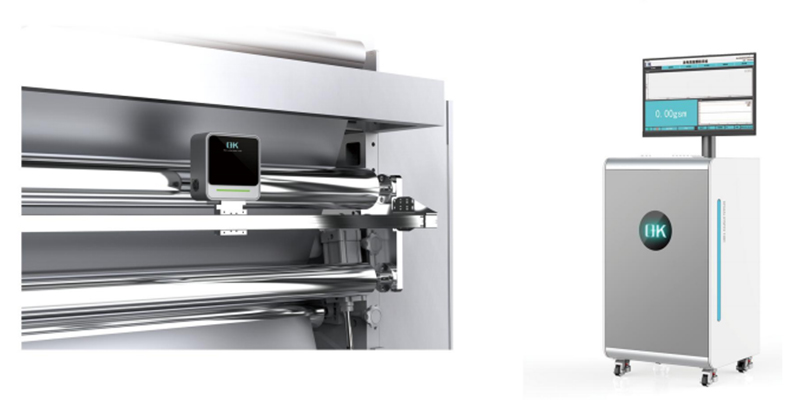
In the full-process quality control solution for coil materials, Chongqing ARISE relies on its self-developed core algorithms and industrial-grade hardware platform to create a full range of intelligent inspection product matrix covering "surface defect detection, online thickness management, printing quality traceability, and coating process monitoring". It provides customers with closed-loop quality control capabilities from the production front end to the back end.
For the Brazilian plastics and packaging industries, Chongqing ARISE systems offer seamless integration with existing extrusion and calendering machinery. By complying with CE certification, our equipment guarantees safety, reliability, and precision, aligning perfectly with Brazil's NR-12 regulatory requirements for machine safety.
Utilizing high-resolution industrial cameras and AI algorithms, it achieves 100% full inspection of coil material surfaces, accurately identifying various defects such as scratches, stains, holes, color differences, and registration deviations. It is widely applicable to industries including printing, lithium battery, photovoltaics, and packaging, rapidly reducing defect rates and improving product quality stability.
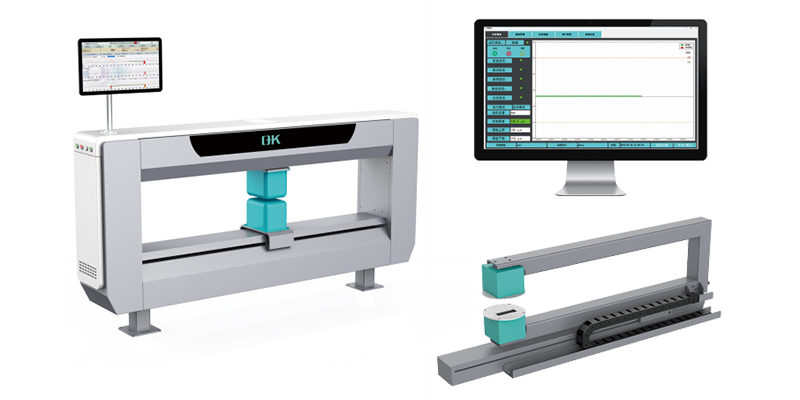
Designed for real-time, non-contact thickness measurement of plastic films and rubber sheets. This system features highly stable X-ray sources that penetrate moving webs to deliver sub-micron precision. Ideal for high-speed manufacturing lines in Brazil where thickness consistency directly impacts material costs and structural integrity.
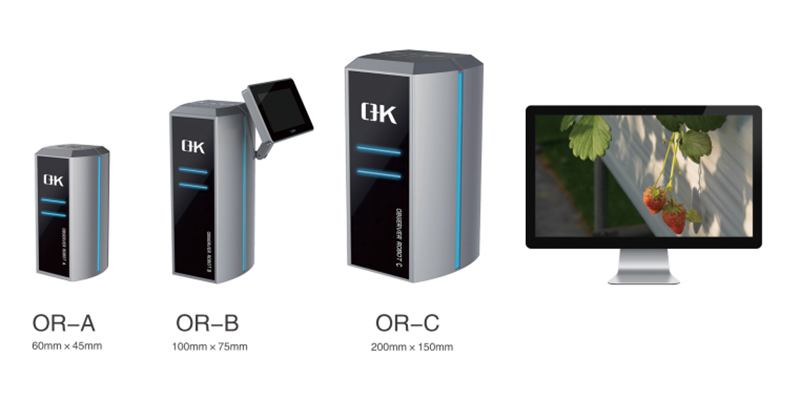
A specialized system engineered for high-speed printing and coating lines. By capturing high-definition still images of rapidly moving webs, operators can monitor print alignment, surface texture, and microscopic coating uniformity. Essential for the flexible packaging manufacturers in São Paulo and Rio Grande do Sul.
An advanced multi-sensor inspection platform tailored for high-performance coatings, lithium-ion battery separators, and photovoltaic backing sheets. It integrates thickness measurement with chemical composition monitoring, ensuring that barrier coatings applied to plastic films meet stringent international standards.
Driven by the food, beverage, and pharmaceutical sectors, Brazil's demand for high-barrier flexible packaging films (BOPP, BOPET, PE) is surging, requiring strict thickness control for food safety.
Brazilian regulatory standards, particularly NR-12, mandate strict safety controls for industrial machinery. CE-certified thickness gauges simplify compliance for local importers.
As an agricultural powerhouse, Brazil utilizes massive volumes of agricultural stretch films, silage bags, and greenhouse films where uniform thickness prevents tears and crop spoilage.
The Brazilian plastics industry represents one of the largest manufacturing sectors in Latin America. Centered around industrial hubs in São Paulo, Joinville, and Caxias do Sul, local factories are increasingly transitioning from manual inspection methods to fully automated, online thickness measurement technologies. This shift is primarily driven by the need to optimize raw material usage, reduce waste, and comply with international quality standards. With the rising cost of polymer resins globally, minimizing variation in film thickness directly impacts the profitability of Brazilian converters.
Although Brazil has its own regulatory framework, CE (Conformité Européenne) certification serves as a critical benchmark for Brazilian procurement managers. Importing CE-certified plastic film thickness measurement systems from reputable manufacturers guarantees that the equipment has undergone rigorous safety and performance testing. In Brazil, industrial safety is governed by the strict NR-12 (Norma Regulamentadora 12) regulation, which dictates safety standards for machinery and work equipment. Implementing CE-certified systems significantly reduces the engineering and modification costs required to bring imported machinery up to NR-12 standards, making it a highly cost-effective choice for local factories.
Several macro-trends are shaping the plastic film manufacturing landscape in Brazil today:
From the sugar cane packaging lines in the Northeast to the automotive tire plants in the South, our thickness measurement systems are engineered for diverse, demanding environments.
In the bustling industrial corridors of São Paulo, high-speed biaxially-oriented polypropylene (BOPP) extrusion lines run 24/7 to supply the flexible packaging needs of the food and beverage industry. Utilizing our LCH-6000 Laser Thickness Measurement System, manufacturers can continuously scan film widths up to 8.2 meters at line speeds exceeding 450 meters per minute. The system provides real-time cross-direction (CD) and machine-direction (MD) profiles, allowing operators to instantly identify and correct gauge bands before they lead to roll winding defects or downstream lamination issues.
Brazil is home to major global tire manufacturers with production plants concentrated in the ABC Paulista region. The calendering process, where rubber is applied to steel or textile cords, requires absolute thickness uniformity to prevent tire delamination and ensure vehicle safety. Our High Precision X-Ray Thickness Measurement System penetrates thick rubber sheets under high temperatures, providing accurate, non-contact measurements that enable closed-loop control of the calender rolls, reducing scrap rates and raw material consumption.
In the agricultural hubs of Mato Grosso and Rio Grande do Sul, the demand for heavy-duty geomembranes and three-layer coextruded silo-bags is massive. These films must withstand harsh Brazilian UV rays and mechanical stresses. Our thickness gauges ensure that the critical UV-resistant outer layers and oxygen-barrier inner layers are extruded to precise thicknesses, guaranteeing the preservation of grain and preventing environmental leaks in mining geomembranes.
As Brazil begins to develop its domestic electric vehicle supply chain and energy storage sectors, the production of ultra-thin lithium-ion battery separator films is gaining traction. These microporous polyolefin films require thickness control down to ±0.1 microns. The CTS 3.0 Coating Quality System combines optical and thickness sensors to monitor the base film and the ceramic coating layer simultaneously, ensuring safety and energy density in the final battery cells.
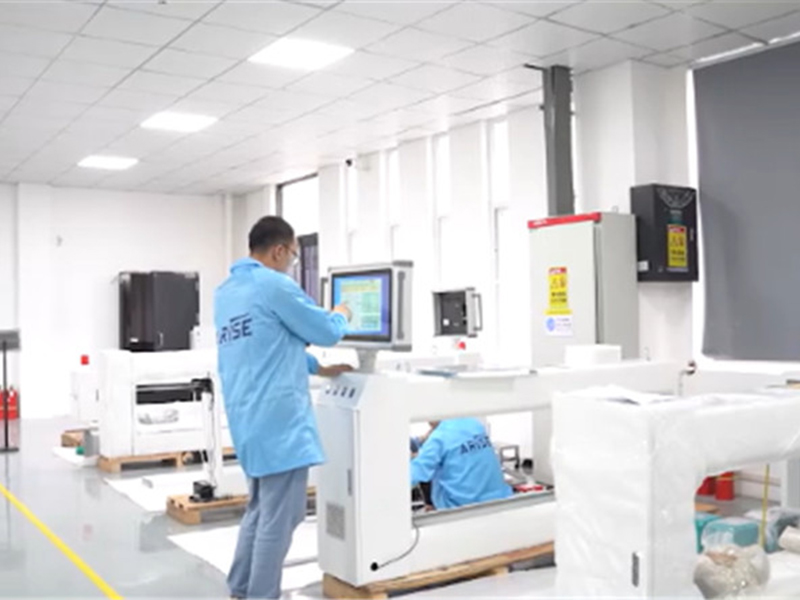
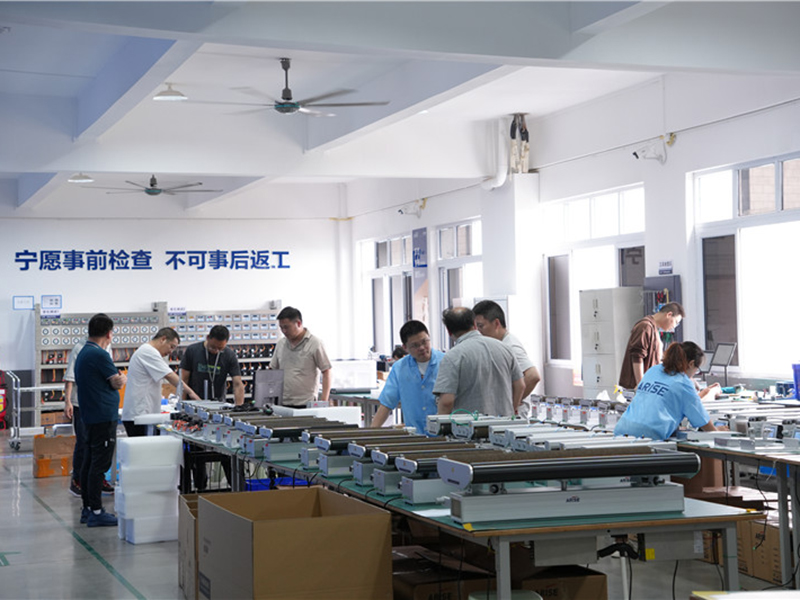
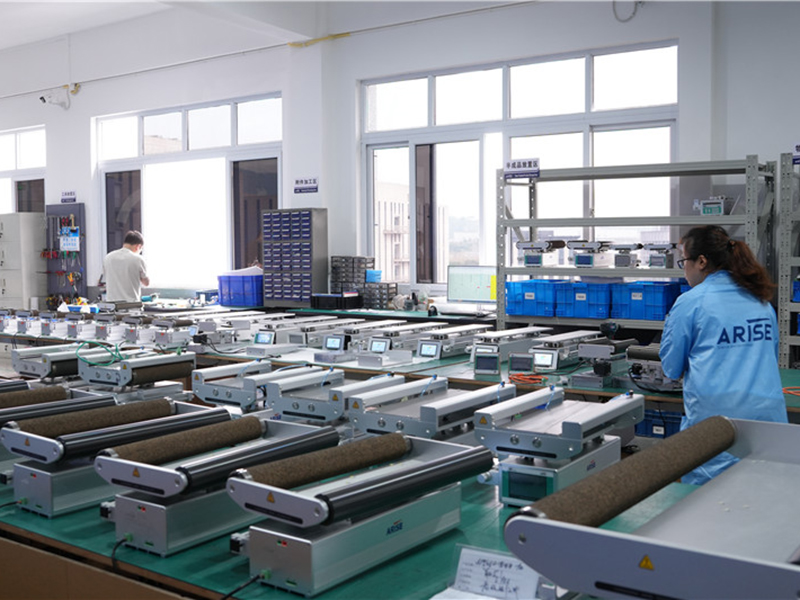
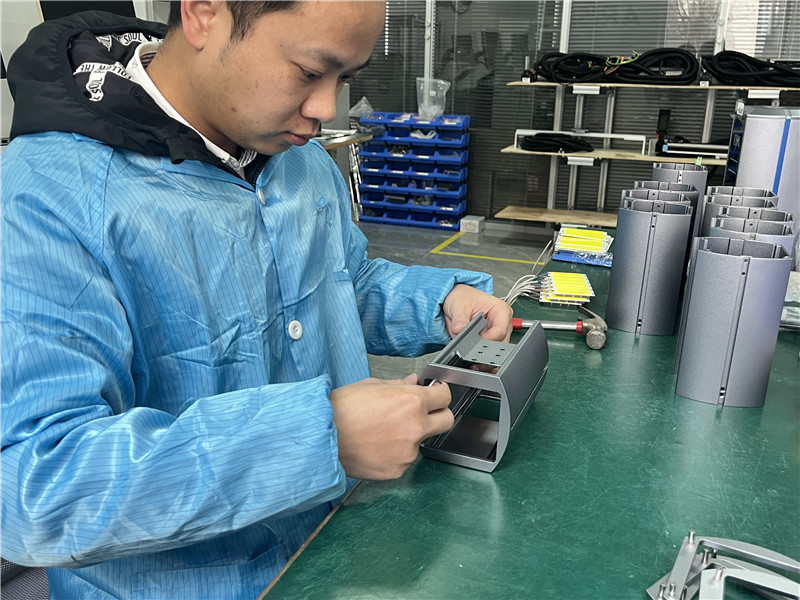
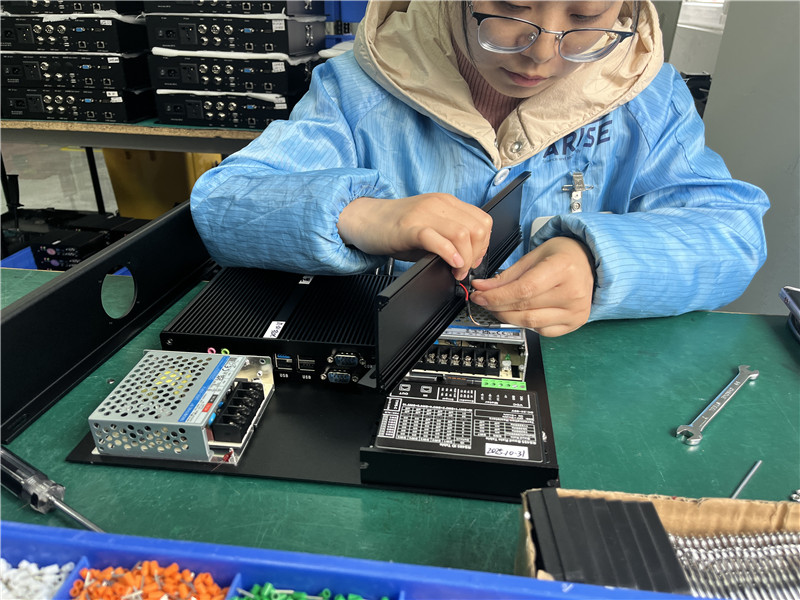
Take a look inside our state-of-the-art manufacturing facility where we design, calibrate, and test our CE-certified thickness measurement systems before exporting them to our Brazilian and global partners.
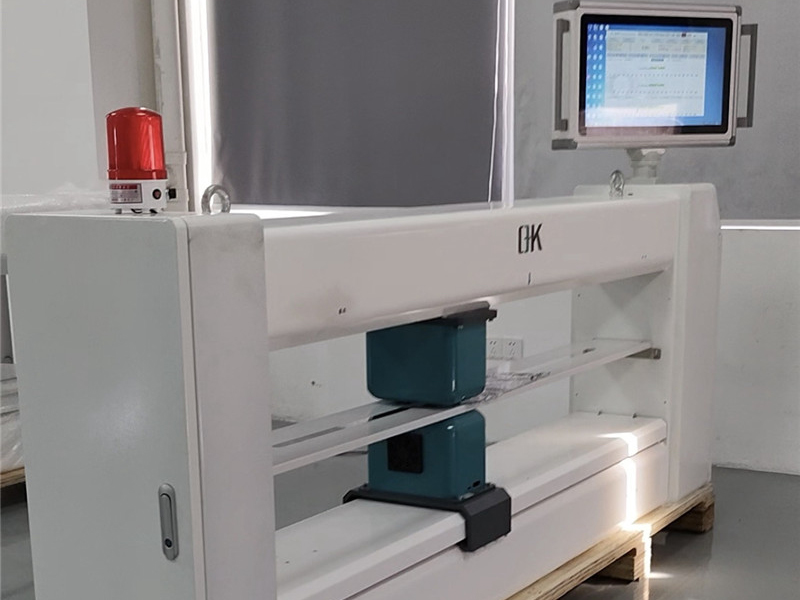
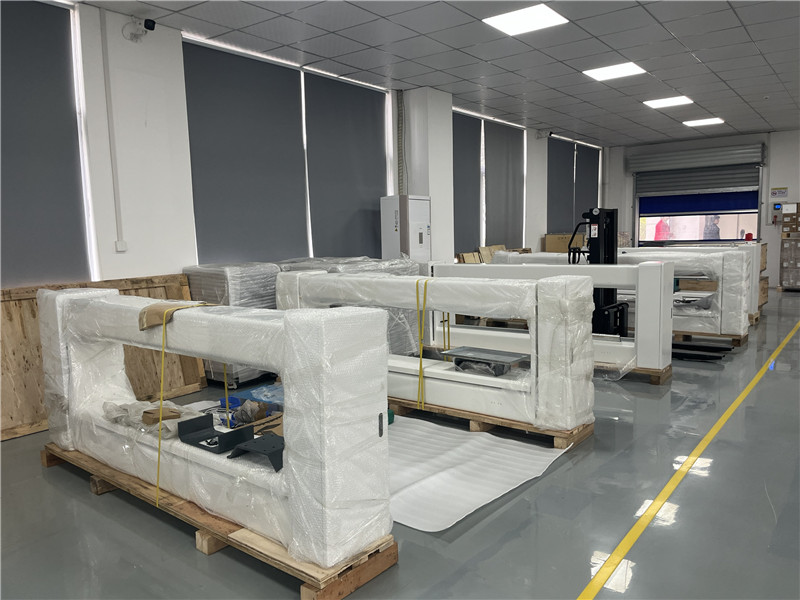
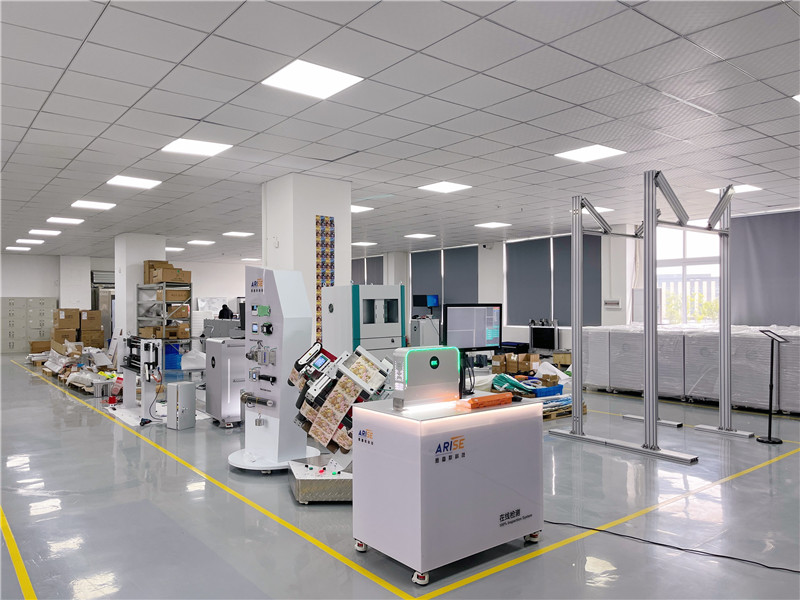
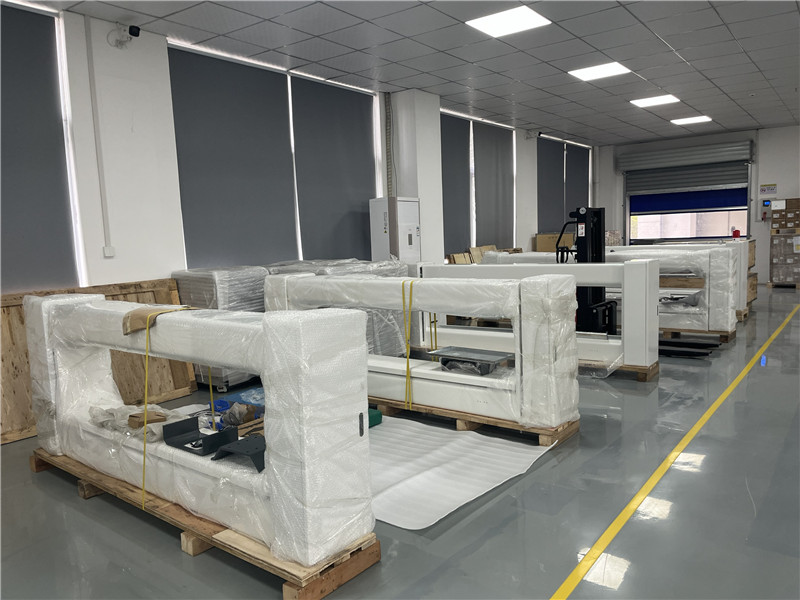
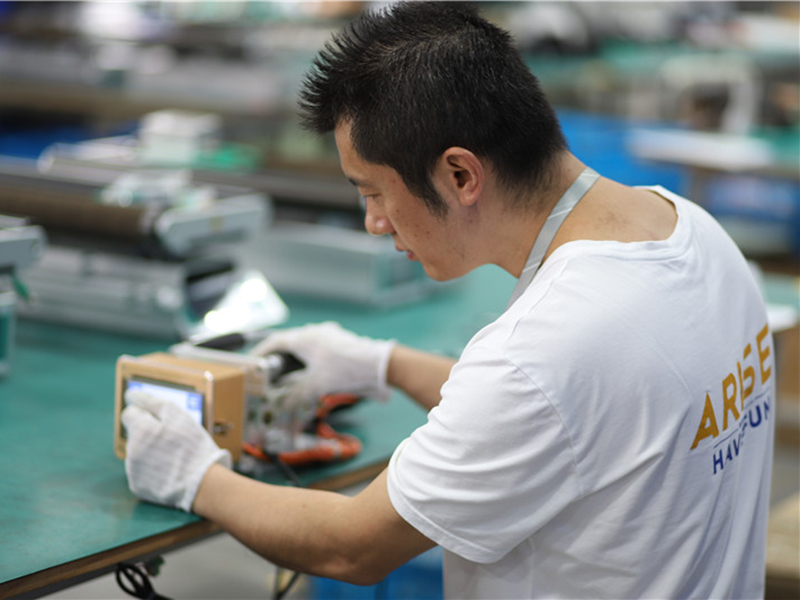

Explore our full lineup of systems designed to help Brazilian plastic, rubber, and packaging factories achieve zero-defect manufacturing.