
Leave Your Message
Engineered for harsh operating environments, high line speeds, and multi-substrate packaging lines complying with EU CE and Eurasian Technical Regulations (EAC / TR CU).
Understanding the transition from imported European legacy systems to robust, AI-powered Asian technologies across Russian packaging hubs.
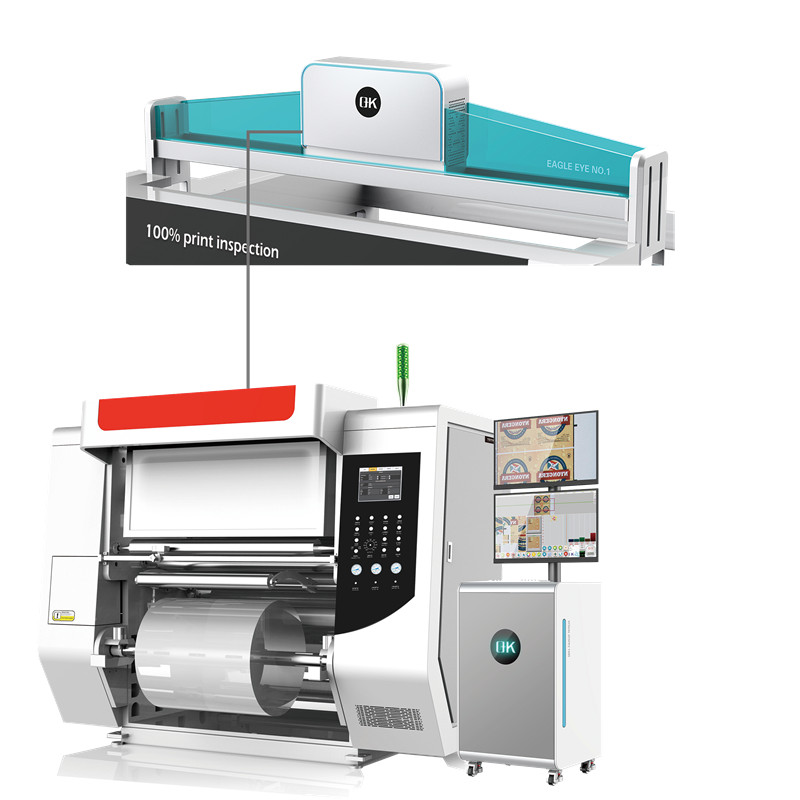
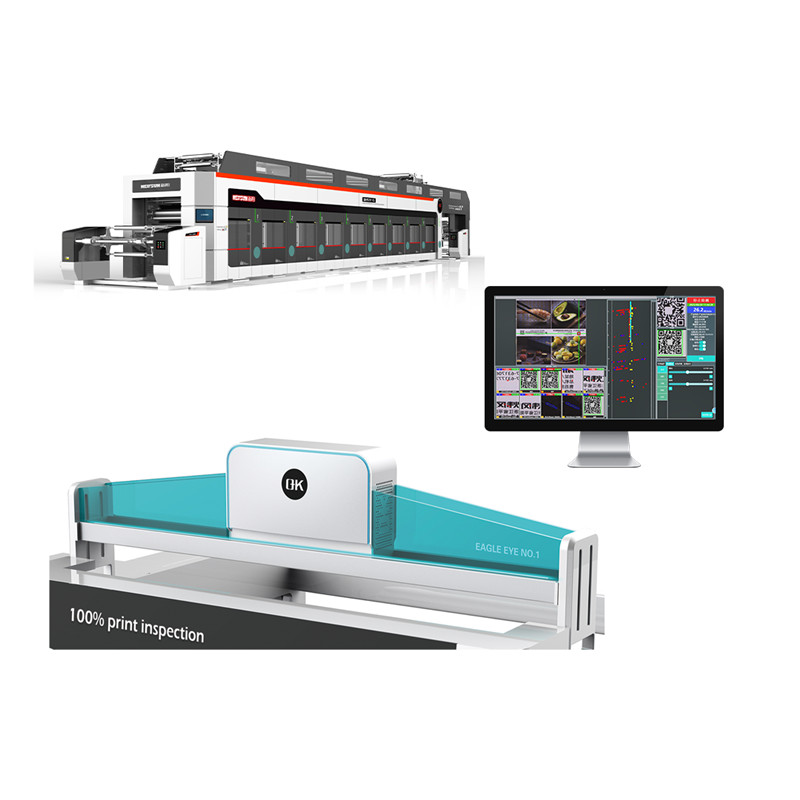
Modern Russian printing facilities run narrow-web flexographic, rotogravure, and digital hybrid presses (such as Mark Andy, Gallus, Bobst, and Chinese high-speed printing presses). As operators face labor deficits in specialized printing mechanics, intelligent machine vision inspection systems replace manual sampling, automatically cataloging print misregistration, missing characters in Cyrillic typography, streaks, foreign dust particles, and ink splashes at speeds exceeding 300 meters per minute.
Tailoring optical hardware, line-scan cameras, and algorithmic deep-learning modules to the physical requirements of Russian converters.
Unlike Latin fonts, Russian fonts involve complex diacritics, fine kerning, and micro-text requirements specified by GOST state standards. Our inspection algorithms perform OCR (Optical Character Recognition) and OCV (Optical Character Verification) on Cyrillic lettering, verifying lot numbers, expiration dates, barcodes (EAN-13, GS1-128), and DataMatrix 2D codes simultaneously on moving webs.
Russia’s premium beverage and spirits industry demands lavish packaging featuring cold foil stamping, security holograms, and embossing. Vision cameras utilize specialized multi-angle dome lighting and polarized filters to suppress intense glare while identifying missing metallization, foil peeling, hairline register shifts, and pinholes.
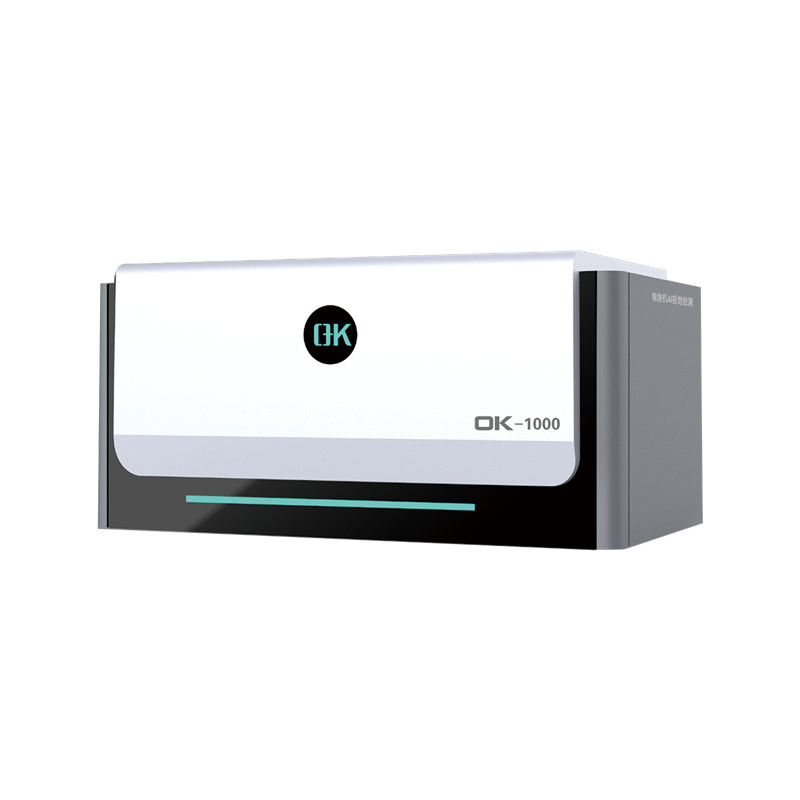
In heavy industrial regions like the Volga and Urals, packaging for chemical fertilizers, polymers, and construction mixes utilizes rugged multi-layer PE and woven sacks. The double-sided inspection machine OK-1000B checks front and back gussets, seal strength consistency, valve integrity, and graphic printing in extreme industrial dust environments.
Russian pharmaceutical enterprises under GMP and EAEU directives require complete zero-defect validation. Inline flexo and rewinder vision platforms detect color variation (ΔE < 1.5), missing text fragments, scratch lines, and die-cut offsets, automatically linking with pneumatic defect markers or slitter decelerators to reject bad labels.
Where hardware precision meets edge-computing artificial intelligence.
Chongqing ARISE Technology Co., Ltd. is a leading provider of intelligent web control solutions, headquartered near Chongqing East Railway Station in the Sichuan-Chongqing economic zone. With 25 years of experience in web control technology innovation, we are an ISO 9001-certified specialized, refined, distinctive, and innovative small giant enterprise. We hold 6 invention patents, 11 utility model patents, 26 design patents, and 18 software copyrights.
Our R&D team, with an average of over 10 years of experience, drives innovation in both hardware and software. Our products, including web guiding, tension control, and vision inspection systems, are certified by EU CE, EMC, and ISO standards, and serve industries such as printing, lithium batteries, photovoltaics, packaging, and more. With a service network spanning over 150 countries and regions, we have established long-term partnerships with many renowned companies.
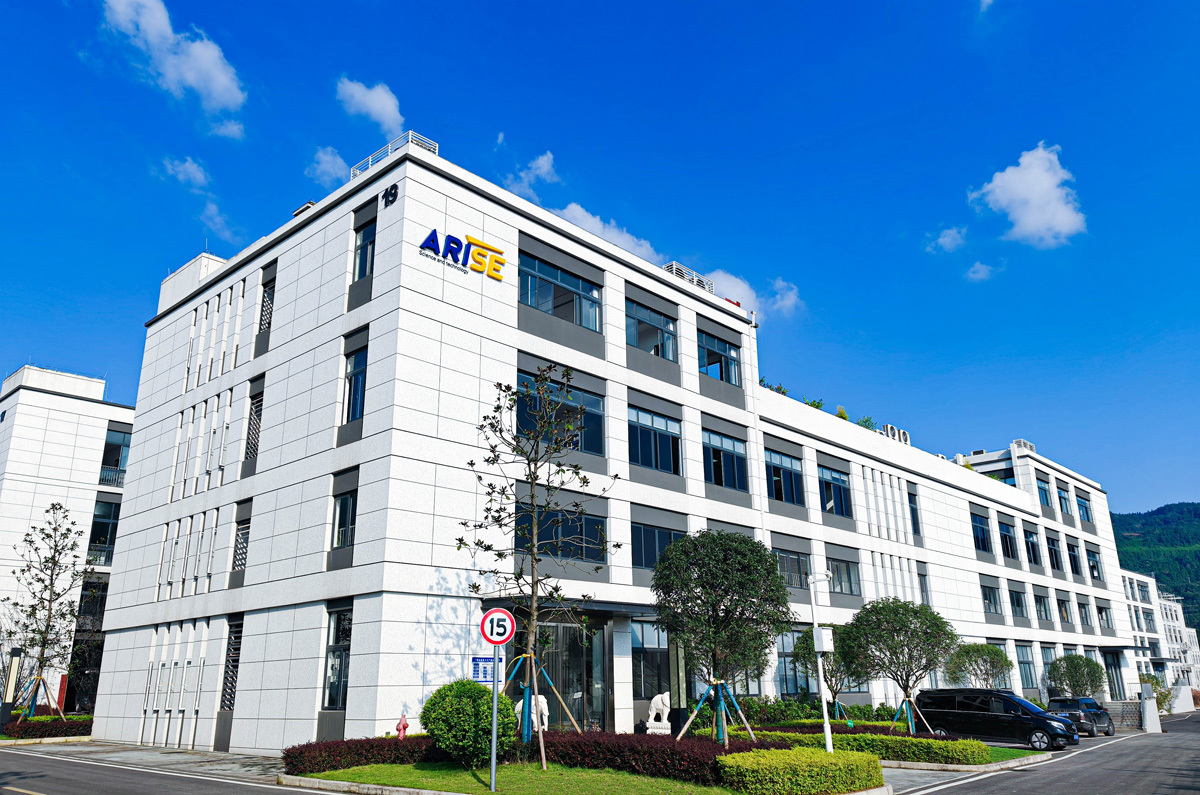
Committed to empowering global flexible packaging converters and converting machinery factories through cutting-edge optoelectronic control systems.
Our vision is to become the world's No.1 brand in web control technology.
With a mission to continuous innovation in web control technology, supporting the globalization of intelligent manufacturing in China.
We uphold the core values of innovation, integrity, professionalism, and gratitude, and are dedicated to pursuing this vision relentlessly.
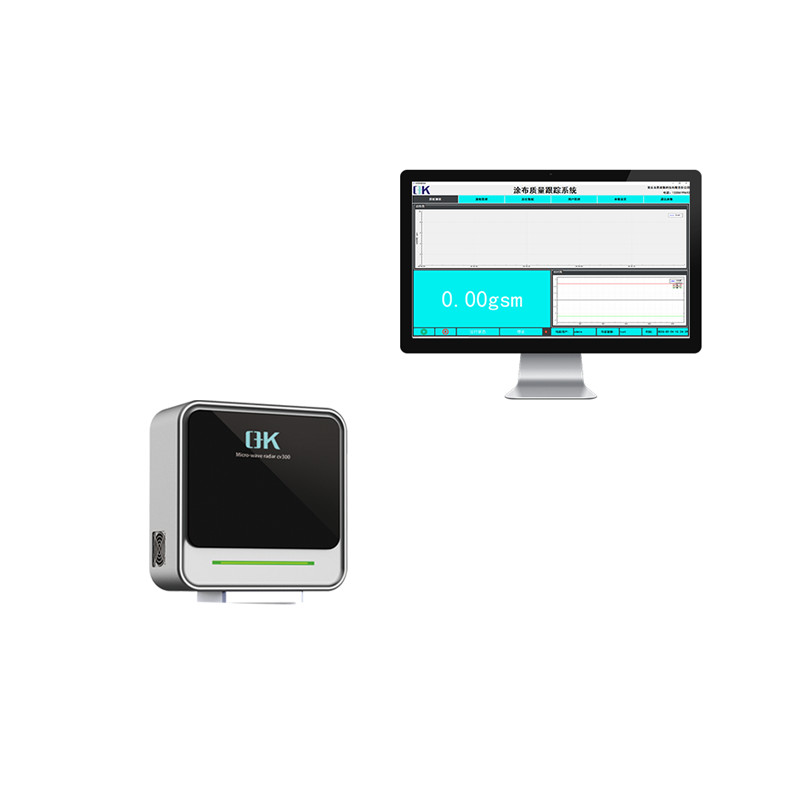
Explore our factory-direct vision inspection systems, coating thickness tracking radars, and high-speed rewinder defect systems operational in packaging lines across Russia and worldwide.
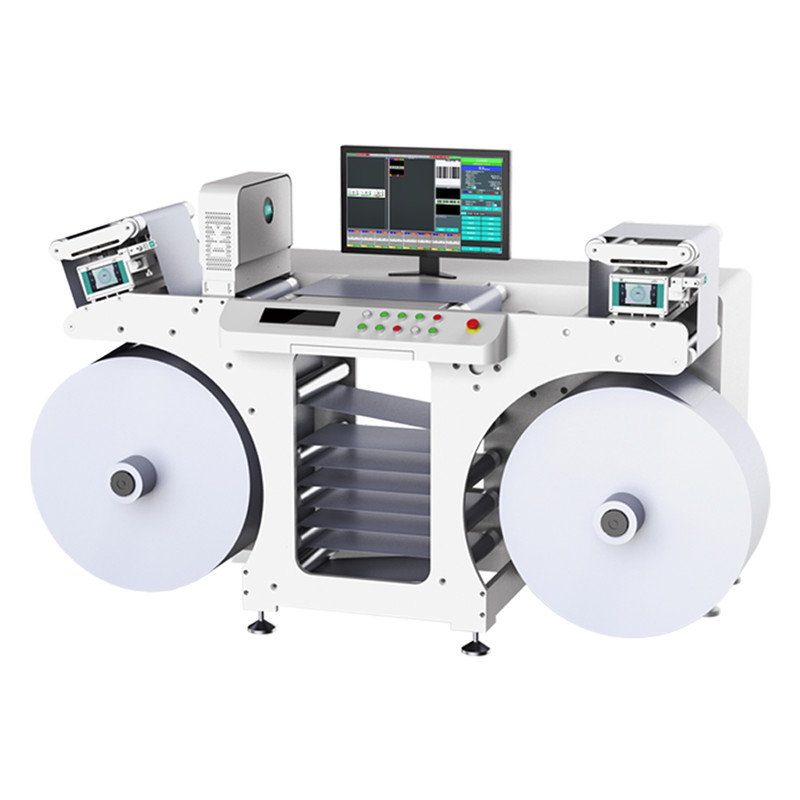
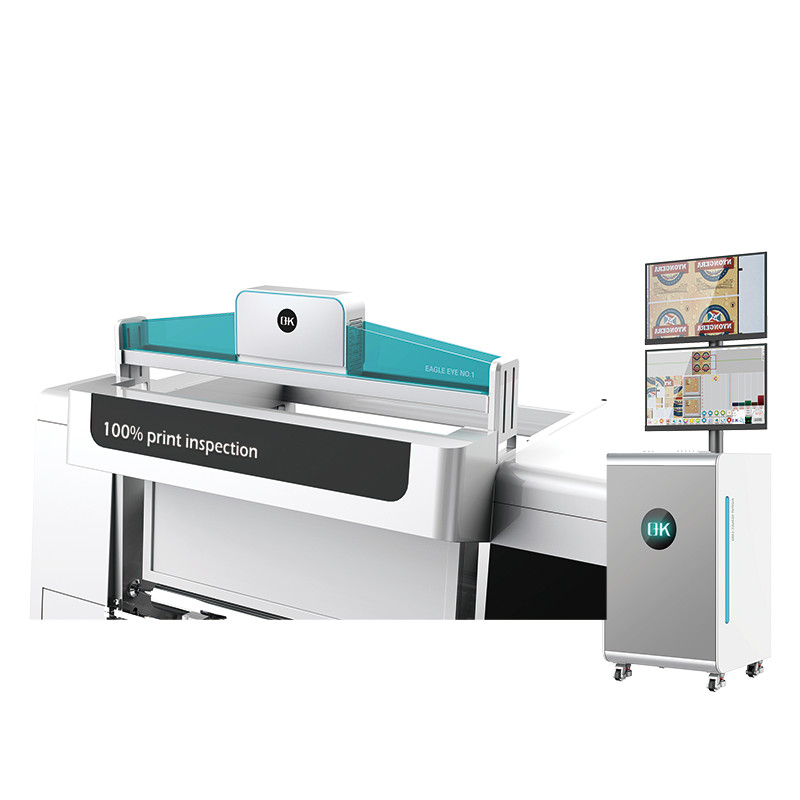
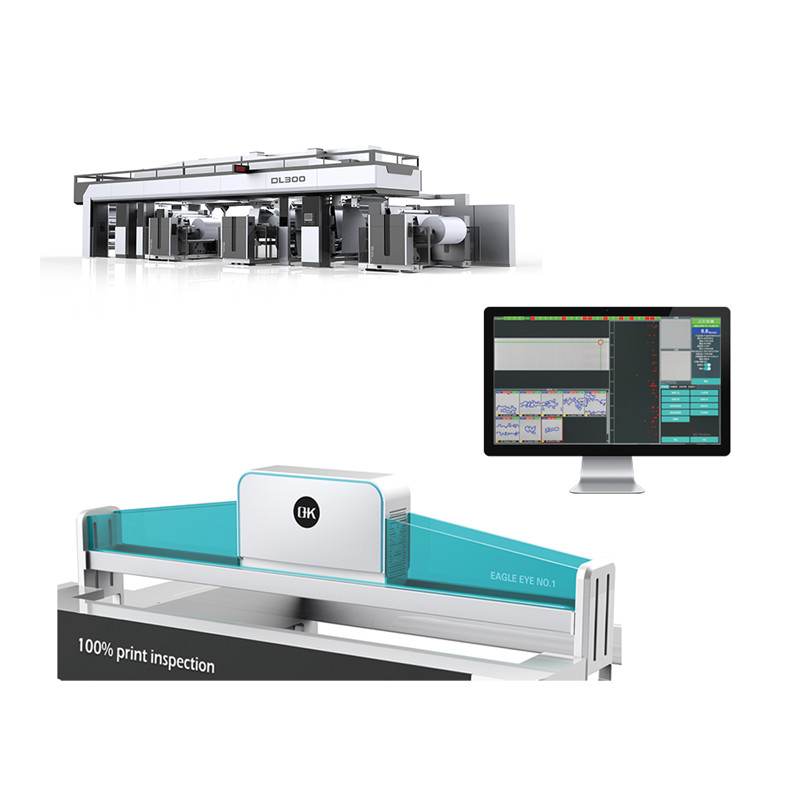
Key technical, electrical, and customs considerations when importing machine vision inspection stations to the Russian Federation.
While Eurasian customs clearance depends on technical regulations TR CU 004/2011 (Low Voltage Equipment safety) and TR CU 020/2011 (Electromagnetic Compatibility), Russian industrial enterprise engineers specify CE certification as an absolute benchmark for international equipment quality. A factory unit built according to EU CE standards guarantees rigorous EMC electromagnetic immunity (vital near high-voltage corona treaters and UV curing lamps), low-voltage electrical safety, and CE machinery directive conformity. This significantly accelerates the local EAC declaration process and ensures operational durability.
The OK series vision inspection architecture utilizes high-resolution 4K/8K line-scan CMOS cameras combined with FPGA image preprocessing. For Chestny ZNAK compliance, our software executes simultaneous grade evaluations (ISO/IEC 15415/15416) for print contrast, modulation, symbol contrast, and axial non-uniformity. Cyrillic characters are cross-referenced with pre-loaded master vector typography files in real-time at production speeds up to 400 m/min, instantly flagging unprinted dots or smeared ink in Cyrillic letters like 'Ж', 'Ш', 'Щ', and 'Ф'.
With our international service network spanning over 150 countries and regions, we maintain swift spare parts routing, specialized remote telemetry debugging via secure VPN protocols, and step-by-step modular maintenance designs. Standard industrial components—including Schneider/Siemens electrical switchgear, linear slides, and standardized Gigabit Ethernet/Camera Link cables—ensure rapid local procurement and minimal downtime for Russian operators.