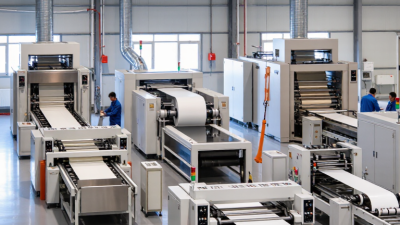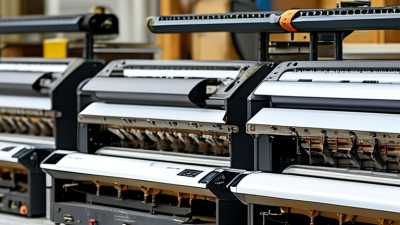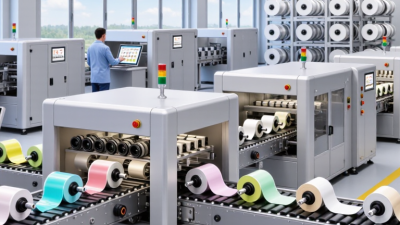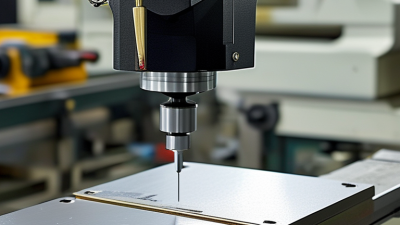
Picking the right coating machine? It takes a lot more than scrolling through supplier websites and comparing prices. Buyers around the world need to look closely at coating quality, production speed, material compatibility, maintenance access, and operator safety. And here's the thing: a machine that looks great in a controlled demo can behave very differently in a humid factory or during nonstop production. That's where real experience matters.
This guide walks through some of the leading coating machine categories for films, paper, metals, textiles, and industrial components. We're talking slot-die, roll-to-roll, spray, dip, and powder coating systems. Each one works a bit differently, comes with its own cost structure, and has its own learning curve. Before deciding, buyers should ask for sample trials, technical drawings, energy data, and documented service records. Often, the little details tell you more. For instance, rollers that are easy to reach can cut cleaning time, while steady tension control can help avoid visible coating lines.
Good, reliable manufacturers should be upfront about their testing methods, warranty terms, spare-parts availability, and regional support. Certifications are worth checking too, of course—but paperwork alone doesn't prove long-term performance. A real factory visit or a supervised trial can give you much stronger evidence. No shortlist is ever perfect. Some machines are impressively fast but not very flexible. Others are extremely precise, yet they need skilled technicians and a bigger investment. This comparison is meant to help purchasing teams ask sharper questions, avoid wishful thinking, and choose equipment that fits their actual production conditions—not just the specs that look good on paper.
What Are the Top Coating Machines for Global Buyers?
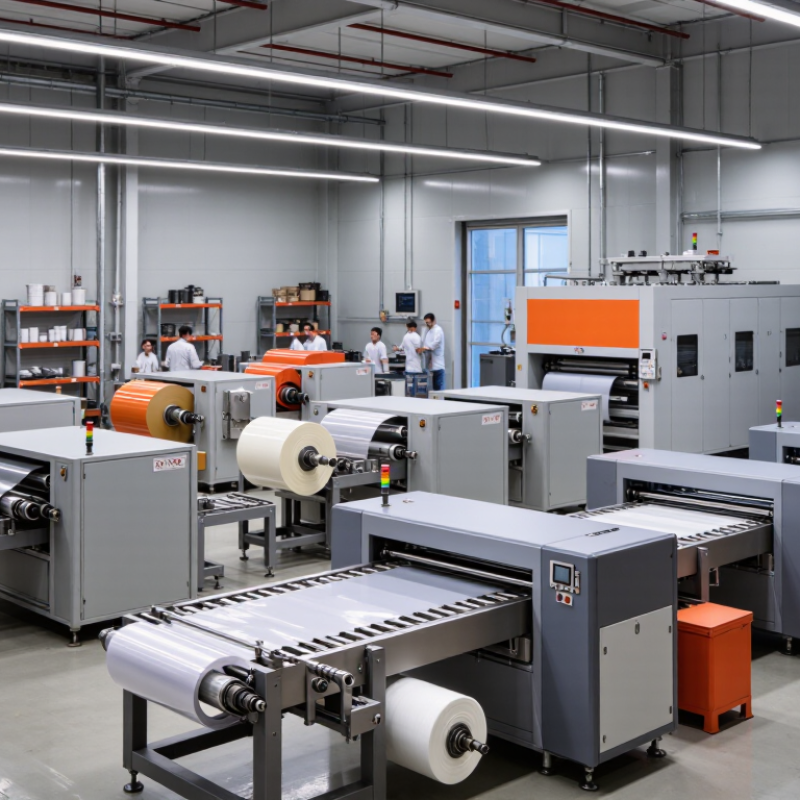
Coating machines apply a controlled layer to materials such as film, paper, metal, glass, or fabric. The coating may protect a surface, improve appearance, or add electrical and moisture resistance. In production, the machine must control thickness, speed, temperature, and tension at the same time.
Different designs suit different materials. Roll coating uses rotating rollers to spread liquid across a moving web. Spray systems create fine droplets for irregular surfaces. Dip coating immerses a product and removes excess liquid through drainage or air control. Slot-die systems deliver coating through a narrow opening, supporting accurate coverage in continuous production. Curtain coating releases a falling liquid sheet over a flat surface.
The working process usually begins with a mixing tank and a controlled pump. Filters remove unwanted particles before the liquid reaches the coating head. Sensors monitor viscosity, flow, web speed, and layer thickness. Heated drying zones then remove solvents or water under managed airflow. Some lines include inspection cameras and automatic adjustment systems.
From my experience reviewing production requirements, small details often decide machine performance. A coating that runs smoothly in testing may behave differently after temperature changes. Viscosity can drift. Operators still need practical training, even with advanced controls. Global buyers should request trial data, cleaning procedures, spare-part access, and documented safety compliance. A fast machine is not always the best machine. The right choice depends on material width, coating weight, drying limits, output targets, and acceptable waste.
Coating machines apply a controlled layer of liquid or viscous material to substrates such as film, foil, paper, textiles, glass, and metal. The coating is metered by rolls, a slot die, a blade, or a curtain, and is then dried or cured. The chart compares representative production-speed ranges for widely used coating methods.
Representative engineering ranges in meters per minute. Actual speed depends on coating chemistry, viscosity, substrate, coating thickness, drying capacity, web width, and quality requirements.
What Are the Top Coating Machines for Global Buyers?
Key coating machine types used by global buyers depend on substrate, viscosity, line speed, and coating accuracy. Roll-to-roll coaters suit films, foils, and flexible packaging. Slot-die coaters deliver precise layers with low material waste. They are common in battery, electronics, and specialty film production. Spray coating machines work well for irregular surfaces and protective finishes. Dip coating systems remain practical for small components and complete surface coverage.
Curtain coaters support wide, continuous sheets at high production speeds. Powder coating lines reduce liquid solvent use and provide durable finishes for metal parts. Grand View Research reported that the global industrial coatings market was valued at more than 100 billion US dollars in 2023. This growth encourages buyers to compare energy use, automation, and maintenance access, not only purchase price. However, high automation can create expensive downtime when operators lack training.
Tips: Ask for a coated sample before ordering. Check pump stability, cleaning time, and spare-part availability. Request test data for your actual substrate. A machine that performs perfectly in a supplier’s lab may behave differently on a humid factory floor. European Coatings Journal reports that sustainability targets increasingly influence coating technology decisions. Still, “green” claims need measurable evidence, such as lower overspray, reduced curing energy, or solvent recovery rates.
Global buyers should compare coating machines by usable capacity, not brochure figures. A machine rated for 1,000 kilograms per hour may achieve less with thicker materials, frequent color changes, or strict quality controls. Ask for output under conditions close to your production line. Check tank volume, working width, material compatibility, and cleaning time. These details often reveal the real capacity.
Speed matters only when coating remains stable. Review line speed at startup, normal operation, and shutdown. A fast machine that creates streaks or uneven edges can increase waste. Measure drying time, coating weight, and web tension during a trial run. Precision depends on the metering system, pump control, sensor response, and operator adjustments. Small variations may become expensive across long production batches. Keep records from several runs.
A practical evaluation should include sample testing and maintenance planning. Request data on coating thickness tolerance, repeatability, energy use, and changeover time. Inspect access points, spare-part availability, and training requirements. These factors affect ownership more than purchase price alone. A perfect machine rarely exists. We may also overvalue maximum speed and undervalue recovery after a fault. Compare the machine’s weakest realistic condition, not only its best demonstration. Reliable suppliers should explain limits clearly and support verified performance with test records.
Global buyers should match a coating machine to the substrate, product shape, and required film thickness. No machine wins every job. A roll-to-roll gravure or flexographic coater suits paper, plastic film, aluminium foil, labels, and flexible packaging. It applies inks, primers, adhesives, and barrier coatings at high speed. According to Smithers, global flexible packaging demand continues to expand, increasing pressure for stable web tension and accurate drying.
Slot-die coaters process flat sheets and continuous webs with controlled liquid delivery. They are useful for battery electrodes, optical films, specialty papers, and functional polymer layers. Their narrow coating gap helps reduce material waste. However, poor viscosity control can create streaks, edge beads, or uneven thickness. The MarketsandMarkets coating equipment analysis identifies automation and precision control as major market drivers through the decade.
Spray coating machines handle irregular metal, plastic, wood, and composite parts. They apply paints, protective finishes, and heat-resistant layers around corners that rollers may miss. Powder coating lines mainly process conductive metal components, including panels, frames, tools, and automotive parts. They require electrostatic charging and oven curing. The U.S. Environmental Protection Agency recognizes powder coating as a low-VOC finishing approach when properly operated. Curtain coaters work well with flat furniture panels, glass, boards, and construction materials. Buyers should check substrate temperature, coating solids, line speed, cleaning time, and local emission rules before ordering. A cheaper machine may create higher waste. That lesson is easy to overlook.
| Machine Type | Primary Coating Method | Suitable Substrates | Common Coating Materials | Typical Products | Typical Coating Thickness | Key Processing Strengths |
|---|---|---|---|---|---|---|
| Gravure Roll-to-Roll Coater | Engraved roll transfers a controlled volume of liquid coating to a continuous web. | Plastic films, paper, aluminum foil, and laminated webs. | Solvent-based inks, water-based coatings, primers, adhesives, release coatings, and functional coatings. | Flexible packaging films, decorative films, labels, battery separator coatings, and release liners. | Approximately 0.5–20 µm dry | High-speed, repeatable coating with good control of low coating weights and fine patterns. |
| Flexographic Coating and Printing Line | Anilox roll meters liquid to a plate or direct coating surface. | Paper, board, plastic films, nonwoven webs, and foil laminates. | Water-based inks, UV-curable inks, varnishes, primers, and heat-seal coatings. | Cartons, paper bags, labels, flexible packaging, hygiene materials, and coated paper products. | Approximately 1–25 µm dry | Combines coating, printing, drying, laminating, and slitting in continuous production. |
| Slot-Die Coater | A precision die deposits a continuous bead of coating onto a moving substrate. | Polymer films, metal foils, glass, specialty paper, battery electrodes, and textiles. | Water-based slurries, solvent-based formulations, polymer solutions, conductive inks, and adhesive layers. | Lithium-ion battery electrodes, optical films, electronic layers, solar components, medical patches, and adhesive tapes. | Approximately 1–200 µm wet | Accurate widthwise coating, low material waste, and suitability for multilayer or intermittent coating. |
| Knife-over-Roll Coater | A metering blade removes excess liquid to produce a controlled coating layer. | Paper, cardboard, textiles, nonwovens, films, metal sheets, and flexible laminates. | Latex, acrylic, polyurethane, silicone, starch, barrier coatings, and water-based functional formulations. | Coated fabrics, artificial leather, abrasive cloth, packaging board, filtration media, and technical textiles. | Approximately 10–500 µm wet | Handles relatively high coating weights and viscous formulations with a simple, robust design. |
| Comma-Roll Coater | A rotating roll and adjustable comma blade meter coating onto a continuous web. | Textiles, nonwovens, paper, films, foils, and flexible composite materials. | Polyurethane, acrylic, silicone, rubber compounds, adhesives, and flame-retardant coatings. | Coated fabrics, synthetic leather, roofing membranes, protective films, and industrial laminates. | Approximately 10–300 µm wet | Suitable for medium-to-high viscosity materials and comparatively thick, uniform layers. |
| Curtain Coater | A free-falling curtain of liquid coats a moving substrate without direct metering contact. | Wood panels, furniture boards, glass, metal sheets, rigid plastics, and shaped components. | Water-based paints, UV-curable coatings, clear coats, pigmented lacquers, and protective finishes. | Furniture panels, flooring, doors, glass panels, appliance parts, and decorative boards. | Approximately 20–300 µm wet | Provides contactless coating, high production speed, and good coverage of broad rigid surfaces. |
| Roller Coating Line for Metal | One or more rollers apply and meter liquid coating onto flat metal strip. | Steel, galvanized steel, aluminum, and pretreated metal coil. | Polyester, polyurethane, epoxy, acrylic, plastisol, primer, and protective clear coatings. | Prepainted roofing sheet, wall panels, appliance panels, automotive components, and building products. | Approximately 5–35 µm dry per layer | Continuous processing with precise film control, rapid curing, and high material utilization. |
| Industrial Spray Coating System | Atomized liquid is sprayed onto a component using air, airless, or electrostatic equipment. | Metal, plastic, wood, composite parts, glass, and complex three-dimensional surfaces. | Solvent-based paints, water-based paints, polyurethane, epoxy, acrylic, primers, and protective coatings. | Automotive parts, machinery housings, appliances, furniture, metal structures, and general industrial components. | Approximately 20–150 µm dry | Flexible for complex shapes, localized repairs, color changes, and batch production. |
| Powder Coating System | Electrostatically charged dry powder is sprayed and fused in a curing oven. | Steel, aluminum, galvanized metal, and other electrically conductive components. | Epoxy, polyester, epoxy-polyester hybrid, and polyurethane powder coatings. | Metal furniture, electrical enclosures, wheels, appliances, fencing, architectural profiles, and machinery parts. | Approximately 50–150 µm dry | Produces durable finishes with little or no liquid solvent and allows recovery of overspray in suitable systems. |
| Dip Coating Machine | Parts are immersed in a coating bath and withdrawn at a controlled speed. | Metal parts, wire, tubes, molded components, glass, ceramics, and porous substrates. | Plastisol, PVC, latex, epoxy, corrosion-preventive compounds, and water-based protective coatings. | Tool handles, wire products, medical components, fasteners, tubes, and corrosion-protected small parts. | Approximately 20–500 µm wet | Provides coverage on recessed areas and irregular geometries with relatively simple equipment. |
| UV-Curing Coating Line | A liquid or printed coating is rapidly polymerized by ultraviolet radiation. | Paper, plastic films, wood panels, metal, glass, and selected heat-sensitive substrates. | UV-curable acrylates, inks, varnishes, primers, adhesives, and protective clear coats. | Labels, printed packaging, flooring, furniture panels, optical films, electronic components, and decorative surfaces. | Approximately 2–100 µm dry | Very fast curing, low thermal load, high surface hardness, and reduced drying-space requirements. |
| Vacuum Deposition Coater | Material is deposited under vacuum by evaporation, sputtering, or plasma-assisted processes. | Polymer films, glass, metal, ceramics, silicon wafers, and precision components. | Aluminum, silicon oxide, titanium compounds, chromium compounds, and other inorganic target materials. | Barrier films, reflective films, optical filters, decorative components, semiconductor parts, and wear-resistant tools. | Approximately 10 nm–10 µm | Creates extremely thin, uniform functional layers with controlled optical, electrical, or wear properties. |
Global buyers should judge coating machines by controlled performance, not impressive output numbers alone. The strongest systems combine automation, guarded operation, and practical maintenance access. A programmable controller should store repeatable coating recipes, while sensors monitor speed, temperature, pressure, and material flow. Closed-loop controls can correct small process changes before they become visible defects. Useful data logging also helps technicians compare batches and identify recurring problems.
Safety needs more than an emergency-stop button. Fixed guarding, interlocked access doors, grounded components, and thermal monitoring should be built into the machine. Effective ventilation matters when coating materials release fumes or fine particles. Buyers should request clear manuals, risk documentation, and operator training records. Local installation conditions can differ greatly, so a machine should support sensible adjustment without weakening its protective systems.
Maintenance features often decide whether production stays profitable. Look for removable spray parts, accessible filters, simple cleaning points, and labeled service connections. Alarm messages should explain the likely cause, not merely display a code. Remote diagnostics may reduce response time, but trained staff still need physical inspection skills. No machine is maintenance-free. A neglected sensor can quietly damage quality for days. Experienced teams usually test coating thickness, inspect seals, and verify safety devices on a defined schedule. However, schedules should reflect actual workload; copying another factory’s routine may be convenient, but not always correct.
Choosing a coating machine starts with the product, not the brochure. Global buyers should define coating width, line speed, substrate, viscosity, and target thickness. A machine handling 40 meters per minute may waste money if your line runs at 12. Ask suppliers for recent test data using your material, not a similar sample. Request coated samples, thickness readings, defect photos, and operating conditions. Small details matter. Check nozzle access, cleaning time, recipe controls, and operator training.
Supplier evaluation should include engineering depth and after-sales response. Review installation records, spare-parts lead times, remote support hours, and technician availability in your region. Ask who builds critical components and how changes are documented. A clear acceptance test should define speed, coating uniformity, waste, noise, and safe operating limits. References from comparable factories are useful, but they are not proof. Visit one site if possible. A polished factory visit can still hide difficult maintenance. I have seen buyers ignore this weakness.
Tips: Calculate total cost over five years. Include machine price, freight, duties, installation, utilities, consumables, labor, rejected rolls, and downtime. Compare energy use at actual production speed. Get currency, warranty, delivery, and service assumptions in writing. Use a weighted scorecard, then challenge the lowest-cost offer. Cheap equipment is not always economical. Leave contingency for training and modifications; real production rarely matches the first spreadsheet.
The global label industry is moving toward higher throughput, shorter production runs, and stricter quality requirements. MarketsandMarkets projects the smart labels market to grow from approximately USD 9.3 billion in 2023 to USD 17.8 billion by 2028, representing a compound annual growth rate of about 13.8%. Grand View Research also reports steady expansion in the printed labels market, supported by demand from food, beverage, pharmaceutical, and consumer-goods applications. As production volumes and artwork variations increase, offline inspection is becoming an important method for controlling defects before finished rolls reach customers.
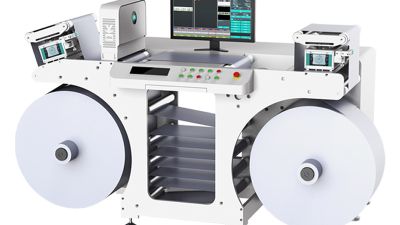
The OK-4000 Offline Quality Inspection System is designed for label inspection machines and provides 100% full-web defect detection. Its modular architecture supports flexible integration, while contour lighting improves image clarity for transparent labels. Switchable light sources allow operators to adapt inspection conditions to different substrates, inks, and finishes. The system can identify missing labels, monitor waste discharge, and verify variable barcodes, helping reduce rework and improve traceability.
For converters seeking a dependable solution from a China-based manufacturer, the OK-4000 combines practical engineering with stable operation and consistent manufacturing quality. By detecting defects offline, production teams can analyze recurring problems, optimize printing and die-cutting processes, and maintain reliable output across changing label designs and short-run orders.
Roll-to-roll coaters handle films, foils, and flexible packaging efficiently. They support continuous processing. Check tension control and coating accuracy before purchase.
Slot-die coaters create precise layers with low material waste. They suit batteries, electronics, and specialty films. Request test data using your actual substrate.
Spray coating machines suit irregular surfaces and protective finishes. They need stable pumps and effective ventilation. Overspray may become a costly problem.
Yes, dip systems provide broad surface coverage for small components. They are practical for simple production needs. Coating thickness may vary without careful control.
Curtain coaters process wide, continuous sheets at high speeds. They require steady material flow and suitable line conditions. Fast output is not everything.
Powder coating lines reduce liquid solvent use and create durable finishes for metal parts. Buyers should compare curing energy and recovery performance. Green claims need evidence.
Programmable controllers store repeatable recipes. Sensors monitor speed, temperature, pressure, and material flow. Closed-loop controls can correct small changes before defects appear.
Look for fixed guards, interlocked doors, grounded components, and thermal monitoring. Ventilation matters when fumes or fine particles appear. An emergency button alone is insufficient.
Check removable spray parts, accessible filters, cleaning points, and labeled service connections. Alarm messages should explain likely causes. No machine stays maintenance-free.
Request a coated sample from your actual substrate. Check pump stability, cleaning time, spare parts, and service access. A supplier’s perfect sample proves little. Humidity may change the result.
Coating Machines are industrial systems designed to apply a controlled layer of liquid, powder, or functional material to surfaces such as paper, film, metal, plastic, glass, and manufactured components. The main types include roll coaters, spray coaters, dip coaters, curtain coaters, and powder coating systems, each suited to different product shapes, material properties, and production requirements. Global buyers should compare coating width, line speed, output capacity, application thickness, surface uniformity, and precision to ensure the equipment matches their quality standards and production goals.
Important purchasing considerations also include automation level, digital monitoring, material handling, operator safety, energy efficiency, cleaning procedures, spare-part availability, and maintenance requirements. Buyers should evaluate whether a machine can process their intended substrates and coating materials while supporting future capacity upgrades. A complete supplier assessment should cover equipment reliability, technical support, delivery time, installation, training, warranty terms, operating costs, energy consumption, and long-term maintenance. Comparing total ownership costs rather than only the initial price helps buyers select a safe, efficient, and sustainable coating solution.