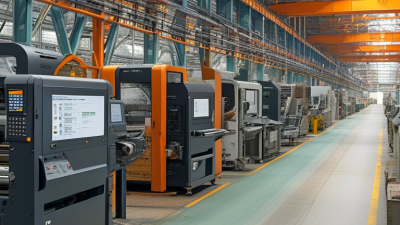
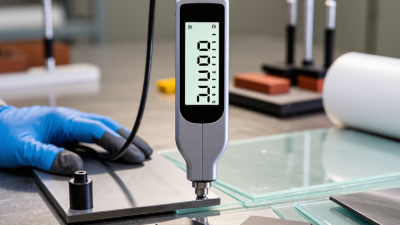
For buyers sourcing sensors globally, picking a measurement sensor is almost never just a catalog choice. Think about a food-processing line: it might need a stainless-steel housing, washdown resistance, and readings that stay stable around hot water. A warehouse conveyor, on the other hand, may care more about fast response, compact wiring, and dependable object detection. Often, those operating details matter way more than getting the lowest purchase price.
This guide looks at ten widely used sensor types: temperature, pressure, proximity, photoelectric, ultrasonic, flow, level, humidity, force, and gas sensors. Each one tackles a different measurement problem. Temperature sensors help with process control; pressure sensors keep an eye on pumps, filters, and compressed-air systems. Ultrasonic sensors can measure distance without touching anything, though reflective surfaces can throw off accuracy. Yeah, small details really do matter.
Experienced purchasing teams tend to compare accuracy, range, repeatability, response time, output signals, materials, and protection ratings. They'll also ask for calibration records, technical drawings, testing info, and clear installation guidance. Regional certifications, replacement availability, communication protocols, and lead times deserve just as much attention. A sensor that looks great in a lab can behave very differently next to vibration, dust, moisture, or electrical noise.
No selection method is perfect, of course. Product data can be incomplete, and field conditions are sometimes described a little too optimistically. That's why practical testing is still so valuable. A short trial beside the actual machine can uncover mounting issues, unstable readings, or maintenance needs you didn't expect. This overview is meant as a structured starting point for comparing sensor technologies with more confidence, while keeping in mind that the best choice always depends on the application, the environment, and your long-term operating goals.
Measurement Sensors: Definition, Purpose, and Core Operating Principles
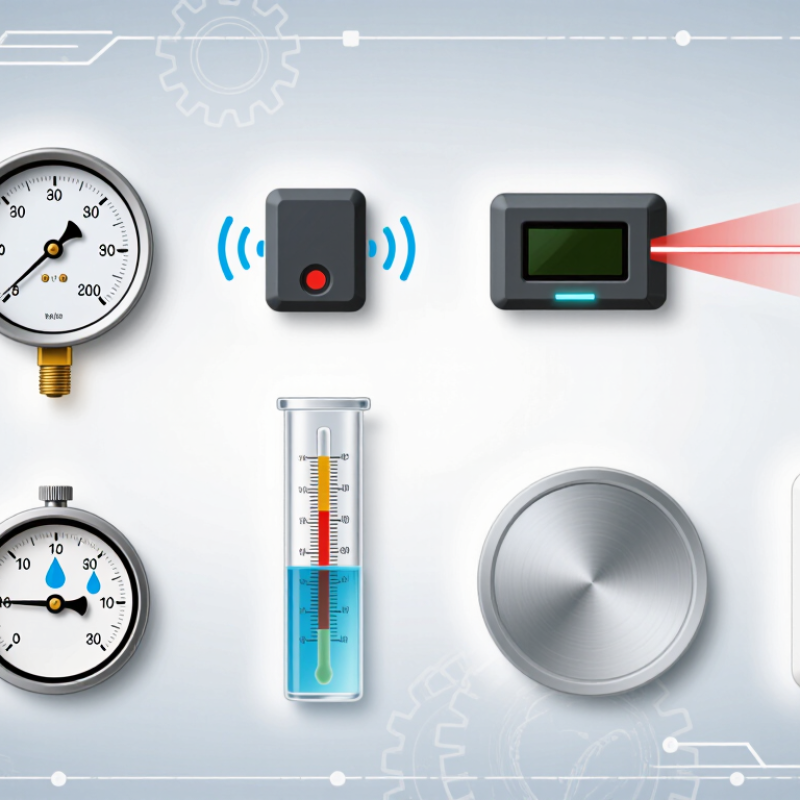
Measurement sensors convert physical conditions into readable signals. They help equipment detect change, control processes, and verify performance. A temperature sensor responds to heat, while a pressure sensor measures force within gas or liquid. Other common types include force, load, flow, level, proximity, position, humidity, and light sensors.
Their operating principles vary. Resistance-based devices change electrical resistance as temperature shifts. Strain-based sensors deform slightly under force. Capacitive sensors detect changes in an electric field, often for level or proximity measurement. Optical sensors use changes in light intensity or reflection. These principles affect accuracy, response time, installation, and maintenance. A sensor exposed to vibration may require stronger mounting and signal filtering.
Global buyers should examine the measurement range, output signal, environmental rating, calibration method, and stated uncertainty. A practical test involves comparing the sensor with a traceable reference under real operating conditions. Small errors matter. A one-degree temperature difference may be acceptable in storage but risky in a controlled process. Specifications can also be misunderstood when operating conditions are omitted. No sensor is perfectly objective; installation, wiring, temperature drift, and human handling influence results. I would question any datasheet promising universal accuracy without defining its test conditions.
How Measurement Sensors Detect and Convert Physical Variables
Measurement sensors translate physical changes into electrical signals. Global buyers should understand this conversion chain, not only the catalog range. Temperature sensors track heat through resistance, voltage, or expansion. Pressure sensors deform a diaphragm and measure its strain. Load cells use similar strain principles to quantify force. Small signal, big decision.
Position sensors detect movement through magnetic, optical, inductive, or capacitive effects. Proximity sensors identify objects without contact. Flow sensors estimate fluid movement through pressure differences, heat transfer, or rotating elements. Level sensors use floats, radar, ultrasonic pulses, or capacitance. Humidity sensors respond to changes in polymer or ceramic electrical properties. Light sensors convert photons into current or resistance changes. Dust matters. So does vibration.
Accelerometers measure motion and vibration through tiny inertial structures. Gas sensors react to chemical interactions and often need careful calibration. Across these ten types, signal conditioning and software shape the final reading. In practical field testing, mounting errors can matter more than stated accuracy. A loose bracket or long unshielded cable may distort a reliable sensor. This is easy to overlook. Buyers should check range, response time, ingress protection, calibration records, and replacement access. A lower-cost device may become expensive when recalibration is difficult. The specification sheet helps, but it is not the whole story.
Ten Major Sensor Types Used in Global Measurement Applications
Ten Major Sensor Types Used in Global Measurement Applications
Measurement systems depend on sensors that convert physical conditions into usable data. In industrial experience, temperature sensors monitor ovens, storage rooms, and engines. Pressure sensors support hydraulic equipment, pipelines, and medical devices. Humidity sensors protect warehouses, laboratories, and agricultural spaces. Flow sensors measure water, air, fuel, and chemical movement. Level sensors track liquids or powders inside tanks and containers.
Proximity sensors detect nearby objects without physical contact. Motion sensors identify movement in security, lighting, and automation systems. Force and load sensors measure weight, tension, and compression during testing or production. Light sensors adjust displays, streetlights, and optical equipment. Gas sensors detect specific gases and support workplace monitoring. Each type has limitations. Dust, vibration, temperature changes, and poor installation can reduce accuracy. A technically suitable sensor may still fail in real conditions.
Tips:
Define the measurement range before selecting a sensor. Check accuracy, response time, output signal, and environmental protection. Test the device under actual operating conditions, not only in a clean laboratory. Keep calibration records and inspect wiring regularly. Local standards may differ, so technical documentation deserves careful review. A cheaper sensor is not always economical after maintenance and replacement costs. I have seen projects overlook cable length and condensation. These details seem minor, but they can distort readings.
Comparing Sensor Accuracy, Range, Resolution, and Response Time
Top 10 Measurement Sensor Types for Global Buyers
Comparing accuracy, range, resolution, and response time reveals practical trade-offs. RTD sensors offer strong temperature accuracy and stable readings, but they respond more slowly than thermocouples. Thermocouples cover very wide temperature ranges and react quickly. Their resolution and low-temperature accuracy may be weaker without careful signal conditioning. Thermistors provide excellent resolution in narrow temperature bands, although their range is limited.
Pressure sensors vary widely. Strain-gauge models deliver useful accuracy across industrial ranges, while piezoelectric designs respond quickly to vibration and impact. Load cells provide precise force measurements, but mounting errors can reduce real-world accuracy. Capacitive displacement sensors detect tiny movement with high resolution. They can struggle near moisture, dust, or changing materials.
Inductive proximity sensors are rugged and fast, yet their range is usually short. Optical sensors can measure small targets at longer distances, but bright light and dirty lenses may affect reliability. Ultrasonic sensors offer useful range measurement when surfaces are difficult to see, though soft materials can weaken the echo. Hall-effect sensors respond quickly to magnetic movement, but their resolution depends heavily on the magnet and installation gap.
Specification sheets need context. A sensor rated to 0.1% accuracy may perform worse after temperature drift, wiring losses, or poor calibration. Buyers should test response time under actual loads, not only laboratory conditions. No sensor wins every category. The best choice depends on the process, environment, and acceptable measurement uncertainty.
Selecting Sensors for Industrial, Commercial, and Environmental Uses
Selecting the right measurement sensor depends on the working environment, not only the data sheet. Industrial sites often need temperature, pressure, flow, level, vibration, force, and gas sensors. Commercial buildings may prioritize humidity, occupancy, light, and air-quality sensing. Environmental projects commonly require gas, particulate, water-level, and weather sensors. The IEA reports that industry consumes about 37% of global final energy, so stable measurements can reveal heat loss, leakage, and abnormal machine behavior. Small errors become expensive.
For commercial applications, sensor selection should match comfort, energy, and maintenance goals. UNEP’s 2023 Global Status Report for Buildings and Construction states that buildings use around 30% of global final energy. Temperature and occupancy sensors can support room-level control, while humidity sensors help protect archives, storage areas, and sensitive equipment. Environmental buyers should also consider calibration drift, enclosure protection, and data transmission range. WHO’s 2021 air-quality guidelines note that 99% of the global population lived in places exceeding recommended air-quality levels in 2019. Air sensors therefore need suitable detection limits, not just attractive specifications.
Tips: Define the measurement range before comparing suppliers. Test sensors beside real pipes, motors, windows, or outdoor enclosures. Check calibration records and replacement costs. A cheaper sensor may create unreliable decisions. That weakness is easy to miss. Also question the installation plan; even accurate sensors fail when exposed to vibration, condensation, dust, or poor positioning.
Evaluating Standards, Compatibility, Durability, and Total Ownership Cost
Top 10 Measurement Sensor Types for Global Buyers
Evaluating Standards, Compatibility, Durability, and Total Ownership Cost
Global buyers often compare temperature, pressure, humidity, flow, level, proximity, position, force, vibration, and light sensors. The measurement range is only one purchasing factor. A sensor may perform well in a laboratory but fail beside dust, vibration, moisture, or repeated cleaning.
Standards deserve careful attention. Check electrical ratings, safety approvals, communication protocols, enclosure protection, and calibration requirements before ordering. Compatibility includes more than connector shape. The output signal must match the controller, cable length, software, and existing data system. A useful test uses one sample sensor, the real power supply, and the intended mounting position. That small trial can expose hidden faults.
Durability affects the total ownership cost. Stainless housings may resist corrosion, while sealed designs can reduce moisture-related failures. However, stronger construction often increases purchase price and replacement difficulty. Maintenance teams should examine calibration intervals, spare-part access, installation time, and technician training. A low-cost pressure sensor becomes expensive when it needs frequent removal. The same concern applies to vibration and force sensors installed in hard-to-reach areas.
Documentation is also evidence of reliability. Look for clear accuracy limits, temperature drift data, test conditions, and service procedures. Marketing claims alone are insufficient. A perfect shortlist is unrealistic. Field conditions change, and even a carefully selected sensor can need recalibration after installation. That is why buyers should record operating data, review failures, and adjust specifications over time.
Global Purchasing Factors: Suppliers, Certifications, Integration, and Support
Global buyers rarely choose sensors by range alone. The top ten types—pressure, temperature, humidity, flow, level, proximity, position, load, vibration, and light—serve different operating realities. A pressure sensor for a clean factory may fail in salt spray. Purchasing teams should examine production records, calibration methods, and response times. Ask for sample reports, not polished promises. This step exposes gaps.
Certification must match the destination and application. Request current certificates, test scopes, traceability documents, and declarations of conformity. A certificate logo without a valid scope proves very little. Electrical safety, electromagnetic compatibility, ingress protection, and hazardous-area requirements can affect selection. Local import rules also change, so buyers should verify documents with qualified compliance professionals. I have seen projects delayed because a suitable sensor lacked one required document. That mistake is expensive.
Integration deserves equal attention. Confirm signal types, protocol compatibility, mounting dimensions, connector pinouts, and software access before ordering. Test one unit with the actual controller and cable length. Support should include installation guidance, remote troubleshooting, spare-part planning, and realistic repair times. Language and time-zone coverage matter during commissioning. Do not assume every supplier handles field failures well. Define acceptance criteria around drift, response time, and calibration intervals. Leave room for revision; early specifications are often incomplete.
High-Precision X-Ray Thickness Measurement for Rubber Calenders: China Supplier & Factory Guide
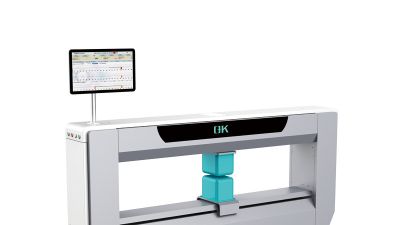
High-precision X-ray thickness measurement is becoming an essential capability for rubber calendering factories seeking stable quality and efficient production. Designed for tire manufacturing lines, this advanced measurement system uses X-ray attenuation technology to monitor rubber thickness continuously and accurately. It can detect subtle variations across the calendered sheet, helping operators maintain consistent material performance while reducing waste, rework, and manual inspection requirements. As a professional China supplier and factory solution, it is suitable for production environments that require reliable operation and precise process control.
Real-time thickness curves provide operators with a clear view of production trends, while automated alarms can identify deviations before they affect large batches. The system also supports historical data analysis, allowing factory teams to compare production records, investigate recurring issues, and improve process settings over time. With accurate feedback sent to calender machinery, adjustments can be made more efficiently during continuous operation. This combination of measurement, monitoring, and equipment response helps tire factories strengthen quality control, improve line stability, and achieve more consistent output.
FAQS
It detects a physical change and converts it into an electrical signal. Small signal, big decision.
RTD sensors provide stable accuracy but respond slowly. Thermocouples react faster across wider temperature ranges. Thermistors work well within narrow temperature bands.
Mounting errors, temperature drift, wiring losses, and poor calibration can distort readings. A loose bracket matters.
Range shows operating limits. Resolution shows detectable change. Response time shows reaction speed. The process decides the priority.
Position sensors use magnetic, optical, inductive, or capacitive effects. Proximity sensors detect objects without contact. Installation gaps still matter.
Dust, moisture, vibration, heat, and repeated cleaning can cause problems. Dirty lenses weaken optical readings. Soft surfaces weaken ultrasonic echoes.
Test one sample with the real power supply, cable, controller, and mounting position. Connector shape alone proves little.
Check electrical ratings, safety approvals, communication protocols, enclosure protection, and calibration requirements. Request drift data and test conditions.
Include calibration, installation, replacement access, spare parts, and technician training. A cheap sensor may become expensive.
No sensor wins every category. The best choice depends on process conditions and acceptable uncertainty. A perfect shortlist is unrealistic.
Conclusion
Measurement Sensor technology enables the accurate detection and conversion of physical variables such as temperature, pressure, humidity, flow, level, motion, force, light, sound, and chemical conditions into usable electrical or digital signals. This article introduces ten major sensor types used across industrial, commercial, and environmental applications, explaining their core operating principles and how they support monitoring, control, safety, and data-driven decision-making.
It also compares key performance factors, including accuracy, measurement range, resolution, response time, stability, and operating durability. For global buyers, selecting the right sensor requires more than technical performance. Compatibility with existing systems, communication interfaces, environmental protection, calibration requirements, certifications, supplier reliability, integration support, maintenance needs, and total ownership cost are equally important. By evaluating these factors together, organizations can choose measurement solutions that deliver dependable results, long service life, and practical value across diverse operating conditions.