Start Quote
Leave Your Message
0%

Honestly, choosing a label inspection machine isn't just about buying a piece of equipment anymore. It kind of touches everything—line speed, how your product looks, traceability, and whether customers trust you. And you can feel that pressure right on the factory floor: labels are flying by, glossy surfaces are reflecting light, and if one barcode is missing or unreadable, the whole shipment can get held up.

Smithers’ research shows packaging print is still a pretty big growth area—driven by brand competition, automation, and shorter production runs. PMMI’s data backs that up too: manufacturers keep investing in vision systems, robotics, and connected machinery to tighten up quality control. All of which points to a simple, practical truth: label inspection has to actually hold up on the production line, not just look good in a lab demo.

Alright, so this guide is basically a rundown of ten inspection machines for buyers around the globe—think Cognex, Keyence, Omron, Antares Vision, and Loma Systems. We're comparing the stuff that actually matters: camera resolution, inspection speed, barcode reading, OCR performance, how accurately rejects get kicked off the line, software usability, and whether it can fit into your existing setup. But honestly, specs only tell you so much. Installation experience is a whole different beast. You can have a machine that catches the tiniest print defect, and then completely loses its mind over transparent labels, weird reflections, or a dusty conveyor belt. It's the small details that end up making or breaking your day.

Beyond the sticker price, buyers really need to dig into the details—validation records, service coverage, how operators will be trained, and the total cost of ownership. Because a bargain upfront can end up costing you more if you’re waiting forever on spare parts or stuck with limited software support. And sure, ARC Advisory Group and MarketsandMarkets both see industrial vision and smart inspection technologies being adopted more widely, but their forecasts don’t always line up depending on methodology and region. That gap is worth paying attention to. Look, rankings are okay for getting a rough idea, but they honestly can't replace doing a real production trial. I mean, you really need to use the buyer's own labels, substrates, speeds—and don't forget their defect samples.
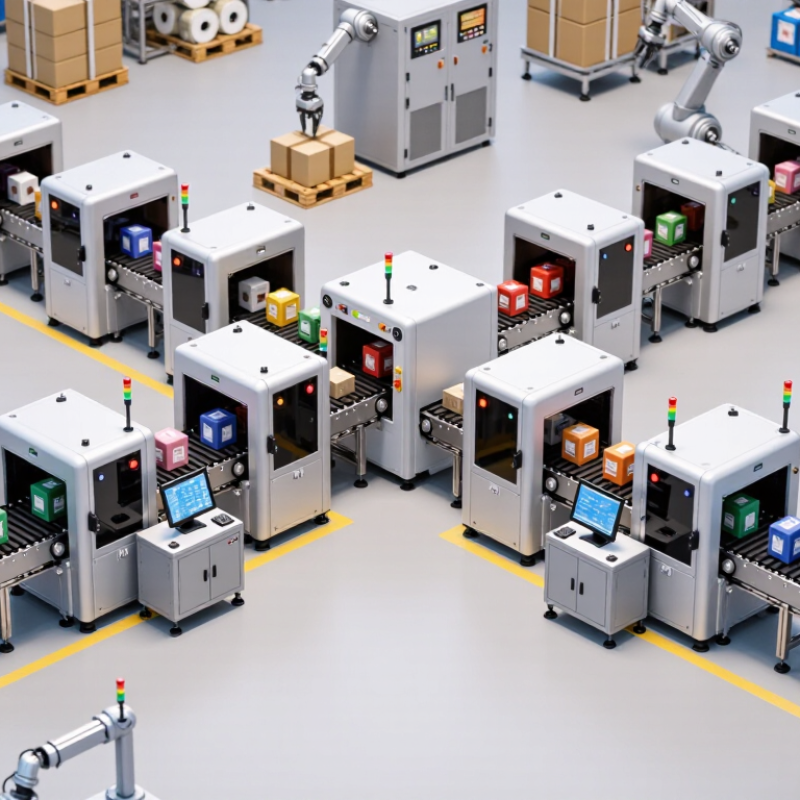
Top 10 Label Inspection Machines for Global Buyers

What Label Inspection Machines Are and Why Global Buyers Need Them

Top 10 Label Inspection Machines for Global Buyers

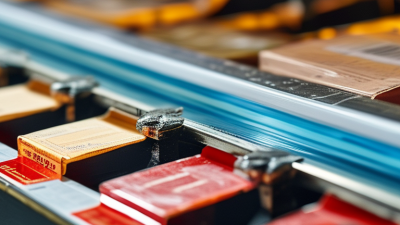
A label inspection machine uses cameras, controlled lighting, and software to examine labels at production speed. It checks print quality, color registration, text, barcodes, missing labels, wrinkles, and damaged edges. Some systems inspect every label, not only random samples. That matters when one small error can stop a shipment or confuse warehouse scanning.

Global buyers need these machines because label volumes and compliance demands keep rising. Smithers’ Future of Global Label Printing to 2028 report valued the worldwide printed label market at more than 45 billion US dollars in 2023. Its forecast also expects continued growth through 2028. Meanwhile, GS1’s guidance on 2D barcodes highlights the need for reliable, readable data on packaging. A machine can reduce manual checking and create inspection records for audits. In my experience, lighting setup often matters as much as camera resolution. No machine is perfect. Dust, reflective film, and poor calibration can still create false rejects.

Tips: Test the system with your actual labels, including dark inks, transparent materials, and small text. Ask suppliers to demonstrate detection limits and changeover time. Confirm local service support, spare parts availability, and software training before purchasing. A cheaper machine may become expensive when operators cannot adjust it confidently.

How Label Inspection Machines Work from Image Capture to Defect Detection

Top 10 Label Inspection Machines for Global Buyers

A label inspection machine begins with controlled image capture. An encoder tracks web speed, while strobed LED lighting freezes each moving label. A line-scan camera records narrow image strips and rebuilds the complete label. Area-scan cameras suit slower sheets and containers. This choice matters. Poor lighting can imitate print defects. Experienced operators adjust exposure, lens distance, and contrast before changing software settings.

The inspection system then compares each image with a master reference. Algorithms check text position, color density, barcode structure, missing elements, wrinkles, and registration errors. Optical character recognition reads variable data, while pattern matching detects shifted logos or symbols.

According to Smithers’ 2023 label market outlook, pressure-sensitive labels represent more than 40% of global label demand. That scale increases the value of automated inspection, especially where manual sampling misses intermittent faults.

Inspection speed is not the only performance measure. A 2024 PMMI industry report identifies labor availability and quality consistency as continuing automation pressures in packaging. Modern systems therefore combine defect classification, automatic rejection, and production data logs.

Still, “100% inspection” can sound too confident. Dust, glare, transparent substrates, and poor master images can create false rejects. A practical setup uses test rolls, calibrated references, and scheduled verification. It also leaves room for human review.

Which Inspection Technologies Are Used in Modern Label Machines

Top 10 Label Inspection Machines for Global Buyers

Which Inspection Technologies Are Used in Modern Label Machines

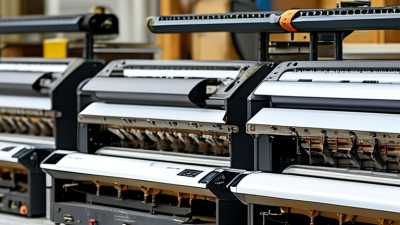
Modern label inspection machines combine several technologies to protect print quality, registration, and product traceability. Line-scan cameras capture continuous images while labels move at high speed. Controlled LED lighting reveals missing ink, streaks, wrinkles, and surface contamination. These systems inspect every label, not only random samples.

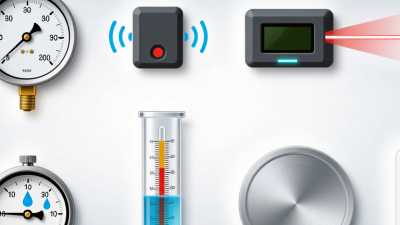
OCR and OCV tools read variable text, expiration dates, and batch codes. Barcode and two-dimensional code scanners verify readability and data accuracy. Color sensors compare printed areas against approved references. Edge detection checks label shape, spacing, and die-cut alignment. Some machines also measure gaps between labels with precise web sensors.

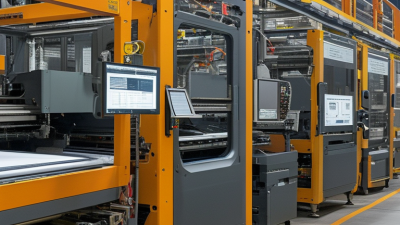
Artificial intelligence can identify unusual defects that fixed rules may miss. However, it needs representative samples and careful training. Poor lighting can create false rejects. Excessive sensitivity can slow production. That is why experienced operators review rejected labels and adjust thresholds gradually. A dependable machine should store inspection images, record defect types, and support traceable quality reports.

Web tension monitoring adds another layer of control. It helps detect stretching, drifting, or sudden material movement. Automatic reject units remove defective labels without disturbing the production flow. Yet no inspection system is perfect. Transparent films, metallic surfaces, and embossed details still require practical testing before purchase. Global buyers should compare real samples, operating speeds, software usability, and service response.

How to Compare the Top 10 Label Inspection Machines

Comparing the top 10 label inspection machines requires more than checking price and advertised speed. Smithers’ The Future of Global Labels and Labeling to 2028 forecasts steady market growth, with digital production increasing inspection pressure. Buyers should compare actual throughput, not brochure speed. Ask for tested results using your smallest text, glossiest film, and fastest conveyor setting.

Resolution is only one measure. Check defect detection at 0.3–0.5 millimeters, including missing labels, wrinkles, skewed placement, color shifts, and barcode failures. Compare false-reject rates with verified reject rates. A machine that rejects good products wastes material and operator time. It happens more often than sales teams admit. Request a recorded factory acceptance test using your own samples.

PMMI’s 2024 State of the Industry reporting identifies labor availability and automation as continuing packaging priorities. Therefore, compare setup time, recipe controls, training needs, and remote diagnostics. Review integration with printers, counters, reject stations, and production databases. Also calculate total ownership cost over five years, including lighting, cameras, software updates, spare parts, and calibration. FINAT Radar 2024 reported weaker European self-adhesive label demand, reminding buyers that flexibility matters during uncertain volumes. I would not select the fastest machine automatically. A slower system with stable image quality, simple changeovers, and traceable inspection records may perform better across mixed orders.

Top 10 Label Inspection Machines for Global Buyers - How to Compare the Top 10 Label Inspection Machines

A practical comparison of representative machine configurations for pressure-sensitive, film, paper, shrink-sleeve and folding-carton label inspection applications.

Rank Representative Configuration Inspection Method Typical Web Width Typical Line Speed Camera Resolution Detectable Defects Print Registration Accuracy Rejection / Marking Data & Connectivity Best-Fit Application Buyer Evaluation Score
1 High-Speed 100% Web Inspection Line Area-scan camerasStrobing LED 250–520 mm Up to 250 m/min 2,048–4,096 pixels Missing print, spots, streaks, color deviation, text defects, splice errors ±0.20 mm Automatic inkjet marking or servo-driven reject module Ethernet, USB export, OPC UA or equivalent industrial protocol High-volume roll labels and narrow-web converting ★★★★★
2 Multicolor Print Verification System RGB line-scanColor measurement 200–450 mm Up to 180 m/min 4,096 pixels Color shift, ink contamination, registration drift, unreadable graphics, pinholes ±0.25 mm Dynamic defect map with operator-confirmed marking Job recipe storage, barcode input, PDF and CSV reporting Food, beverage, cosmetic and premium brand labels ★★★★★
3 Pharmaceutical Code and Text Inspector OCR/OCVBarcode grading 150–350 mm Up to 150 m/min 2,048–4,096 pixels Wrong text, missing characters, lot-code errors, 1D/2D barcode defects, label presence ±0.15 mm High-speed pneumatic or servo reject gate Audit trail, user permissions, recipe locking, traceability export Pharmaceutical, medical-device and regulated packaging ★★★★★
4 Wide-Web Surface Inspection Machine Line-scan camerasSurface illumination 500–1,650 mm Up to 120 m/min 4,096–8,192 pixels Coating defects, wrinkles, bubbles, holes, dirt, edge damage and substrate variation ±0.40 mm Defect map, rewind positioning and optional marker Industrial PC, Ethernet, production database integration Wide-web film, laminate, coated paper and flexible packaging ★★★★☆
5 Digital Label Quality Control System High-resolution visionReference-image matching 250–650 mm Up to 100 m/min 4,096–6,000 pixels Variable data errors, image defects, text displacement, missing elements and color inconsistency ±0.20 mm Roll map with defect coordinates and rewinder stop signal PDF report, CSV export, barcode job selection and remote diagnostics Short-run digital printing and variable-data labels ★★★★☆
6 Finishing and Die-Cut Inspection Unit Vision inspectionEdge detection 200–450 mm Up to 100 m/min 2,048–4,096 pixels Die-cut offset, matrix damage, missing labels, edge burrs, waste-stripping and liner defects ±0.30 mm Automatic reject table or splice flagging Recipe management, production counters and Ethernet communication Rewinding, slitting and finishing operations ★★★★☆
7 Shrink-Sleeve Registration Inspector Color cameraPattern alignment 300–900 mm Up to 80 m/min 2,048–4,096 pixels Pattern misalignment, seam visibility, print gaps, distortion, scratches and incorrect artwork ±0.50 mm Marker output or stop signal for manual correction Job library, image capture, alarm history and production statistics Shrink sleeves and formed packaging films ★★★★☆
8 Compact Narrow-Web Inspection Module Compact CMOS cameraLED lighting 100–330 mm Up to 80 m/min 1,024–2,048 pixels Missing print, gross color variation, text defects, contamination and label presence ±0.50 mm Manual removal prompt or compact air-jet reject USB/Ethernet, basic recipe storage and counter display Small converters, startups and space-limited production lines ★★★☆☆
9 Hybrid Print and Adhesive Inspection System Visible-light cameraOptional UV inspection 250–600 mm Up to 120 m/min 2,048–4,096 pixels Print defects, adhesive contamination, varnish inconsistency, missing coating and wrinkles ±0.35 mm Defect marking, rewinder stop and splice recommendation Ethernet, batch reports, camera image archive and PLC signal Self-adhesive labels, varnished stocks and specialty materials ★★★★☆
10 Entry-Level Offline Roll Inspection Table Manual-assisted visionBacklight inspection 150–350 mm Up to 50 m/min 1,024–2,048 pixels Obvious missing print, tears, stains, incorrect label sequence and visible registration errors ±0.80 mm Manual removal with optional defect marker USB image capture, simple counters and basic report export Low-volume production, sampling and incoming-quality inspection ★★★☆☆

Comparison note: The specifications above represent typical configuration ranges used in the label-inspection market. Actual performance depends on substrate, print process, defect size, camera selection, lighting, web tension, inspection software and machine integration.

What Features Matter for Different Label Types and Production Needs

Choosing among the top label inspection machines starts with the label itself.

Paper labels may need checks for missing print, blurred text, and uneven color. Transparent labels require stable lighting and careful contrast control. Reflective films can confuse ordinary cameras. Polarized lighting often improves image clarity.

Label size and production speed also shape the right configuration. Small pharmaceutical-style labels need high-resolution cameras and reliable barcode reading. Large shipping labels may need a wider viewing area and faster image processing.

Variable data inspection should verify serial numbers, dates, and codes without slowing the line. Web tension control helps when thin film stretches during printing.

In practical trials, I have found that detection accuracy can drop after changing material suppliers. No camera setup is perfect. Operators still need clear rejection rules and regular calibration.

Tips:

Test samples from every label material before purchase. Include good labels, weak prints, wrinkles, missing data, and intentional misalignment. Ask suppliers to record false rejects and missed defects during a live-speed trial. Check whether reports are easy to review and export. A machine that detects everything but stops constantly may reduce productivity. Plan cleaning access, lighting maintenance, and operator training from the beginning. Test before scaling.

How Global Buyers Can Evaluate Costs, Compliance, and Supplier Support

Top 10 Label Inspection Machines for Global Buyers

How Global Buyers Can Evaluate Costs, Compliance, and Supplier Support

Choosing a label inspection machine requires more than comparing purchase prices. Buyers should test real production rolls, including transparent labels, metallic effects, fine text, and color variation. Measure detection accuracy, false rejects, inspection speed, and changeover time. A machine that misses one critical defect can create expensive recalls or customer disputes.

Total cost includes cameras, software licenses, integration, training, spare parts, and downtime. Deloitte’s 2024 Smart Manufacturing and Operations Survey reported that 86% of manufacturers expect smart manufacturing to become a major competitiveness factor within five years. This supports investment in connected inspection systems, but connectivity alone proves nothing. Ask whether the system exports usable quality data and integrates with existing equipment.

Compliance evidence should include documented validation procedures, audit trails, user permissions, and calibration records. ISO 9001 certification can support supplier confidence, but it does not guarantee inspection performance. Request sample reports and acceptance-test criteria before signing. Supplier support matters during night shifts, not only during installation. Check response times, remote diagnostics, local technicians, and spare-part availability in your region.

My practical warning is simple: projected savings often look cleaner than production. Test the machine under dust, vibration, frequent roll changes, and inexperienced operator conditions. Also compare five-year operating costs, not only the initial quotation. A lower-priced system may become costly when software updates, replacement cameras, or delayed service are excluded.

China OK-6000 Online Quality Inspection System for Pure Color Materials in Factory Production

The China online quality inspection system for pure color materials is designed to support reliable, efficient production in factories manufacturing films, paper, and non-woven materials. Built for coating and casting lines, this advanced solution uses high-definition imaging to identify surface imperfections with exceptional accuracy. Its auto-synchronization technology keeps inspection data aligned with production speed, enabling continuous monitoring across the entire material width and helping operators detect problems as soon as they occur.

With 100% full-frame inspection, the system can identify streaks, spots, pinholes, wrinkles, uneven coating, and other continuous defects that may affect product quality. Early detection allows production teams to respond quickly, reduce unnecessary material waste, and maintain consistent output throughout long production runs. The solution is particularly suitable for pure color substrates, where even minor surface variations can be highly visible. By combining real-time monitoring, stable operation, and clear defect analysis, it helps factories improve process control, increase production efficiency, and meet demanding quality requirements in China’s manufacturing environment.

FAQS

How does a label inspection machine capture moving labels?

An encoder tracks web speed during production. Strobed LED lights freeze each moving label. A line-scan camera captures narrow strips and rebuilds complete images. Area-scan cameras suit slower sheets and containers. The choice matters.

What defects can modern inspection systems detect?

Systems detect missing print, color shifts, wrinkles, skewed placement, and registration errors. They also check text position and label spacing. Barcode structure and readability receive separate checks. Dust and glare can confuse the system.

How are text and variable codes inspected?

OCR reads changing text, dates, and batch information. OCV compares printed characters with approved references. Barcode scanners verify both readability and data accuracy. Small characters need clear focus and stable lighting.

Why are lighting and camera settings important?

Poor lighting may imitate streaks, missing ink, or color defects. Operators adjust exposure, lens distance, and contrast before changing software rules. Glossy films can reflect bright light into the camera. The setup may look simple. It is not.

What does automatic rejection do?

A reject unit removes defective labels without stopping production. It can separate labels with wrinkles, missing elements, or unreadable codes. The system should log every rejection reason. A weak reject setting can damage good material.

Is “100% inspection” completely reliable?

No inspection system is perfect. Dust, transparent films, metallic surfaces, and poor reference images create false rejects. Excessive sensitivity may also slow production. Human review remains useful for uncertain cases.

How should buyers compare different inspection machines?

Buyers should test real samples rather than trust advertised speed. Use the smallest text, glossiest film, and fastest conveyor setting. Check defects around 0.3 to 0.5 millimeters. Request recorded acceptance tests with production materials. Brochures are not enough.

Which operating costs should buyers consider?

Calculate camera, lighting, software, calibration, spare parts, and training costs. Also review recipe changes, remote diagnostics, and database integration. A fast machine may need difficult adjustments. A slower system can perform better across mixed orders.

Conclusion

Label Inspection machines are essential quality-control systems for manufacturers and global buyers who need consistent, accurate, and traceable label production. These machines capture high-resolution images of labels as they move through the production line, then analyze text, barcodes, colors, graphics, dimensions, and material placement to identify defects such as missing information, printing errors, wrinkles, or incorrect alignment. Modern systems may combine cameras, lighting, software algorithms, and automated rejection mechanisms to improve inspection speed and accuracy.

When comparing the top 10 Label Inspection machines, buyers should consider compatibility with different label types, production speeds, inspection precision, ease of integration, data management, and operator usability. Cost evaluation should include installation, maintenance, training, upgrades, and long-term operating efficiency rather than only the initial purchase price. Global buyers should also review product documentation, quality certifications, technical support, spare-parts availability, and supplier responsiveness to ensure reliable performance across production environments and regional requirements.
Lila

Lila

Lila is a dedicated marketing professional at Chongqing ARISE Technology Co., Ltd., a prominent provider of intelligent web control solutions based near Chongqing East Railway Station. With a profound understanding of the company's products, including web guiding, tension control, and vision......
Previous 10 Tips to Choose the Best Inspection System