China’s really stepping up as a major player when it comes to modern label inspection equipment, especially for industries like packaging, printing, pharmaceuticals, and food manufacturing. If you’re thinking of buying, this guide is here to help you navigate the top Chinese suppliers — and we're talking about actual, practical criteria, not just fancy marketing claims. We’ll look at things like camera resolution, how accurate they are at spotting defects, how fast they work, whether their software runs smoothly, and how well everything integrates into your existing production line.
One thing to keep in mind is whether the supplier clearly explains their testing methods. Don't be shy about asking to see some sample inspections using your real labels — stuff like blurred text, missing colors, wrinkles, or barcode damage. It’s also useful to get some hard numbers: detection accuracy, false rejection rates, and maximum line speeds. Seeing a factory demo can uncover all sorts of details that just look good on a brochure. Pay close attention to how they handle tricky conditions — like reflective films, transparent labels, or sudden changes in lighting.
And don’t forget about service quality — it really matters. Find out what kind of installation support they offer, whether they provide proper training for operators, how easy it is to get spare parts, and how quick their response times are. Big names like HIKROBOT, Dahua Technology, or Shenzhen Unikon might pop up in your searches, but keep in mind that capabilities can vary quite a bit depending on the model and use case. Just because a brand is well-known doesn’t mean it’s the perfect fit for you. And honestly, no supplier is perfect — it’s all about finding the best match.
When making your choice, compare verified references, dive into their technical documents, and consider the long-term costs — especially for maintenance. It’s especially important that their equipment connects well with your printers, rewinders, conveyors, or MES platforms, if you’re using those. Sometimes, suppliers can impress with a cool demo but then fall short on customization after you’ve bought the equipment. That’s definitely worth asking about.
All in all, this overview is meant to help you get a better grasp of China’s leading Label Inspection Equipment suppliers, so you can make smarter, more confident decisions. Just a heads-up — rankings can change pretty fast and sometimes the info you find isn’t the whole story. In the end, doing a real trial with the equipment is way more convincing than just listening to a shiny sales pitch.
What Is Label Inspection Equipment and Why Is It Used?
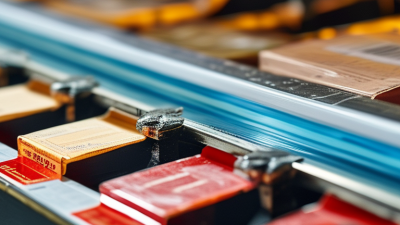
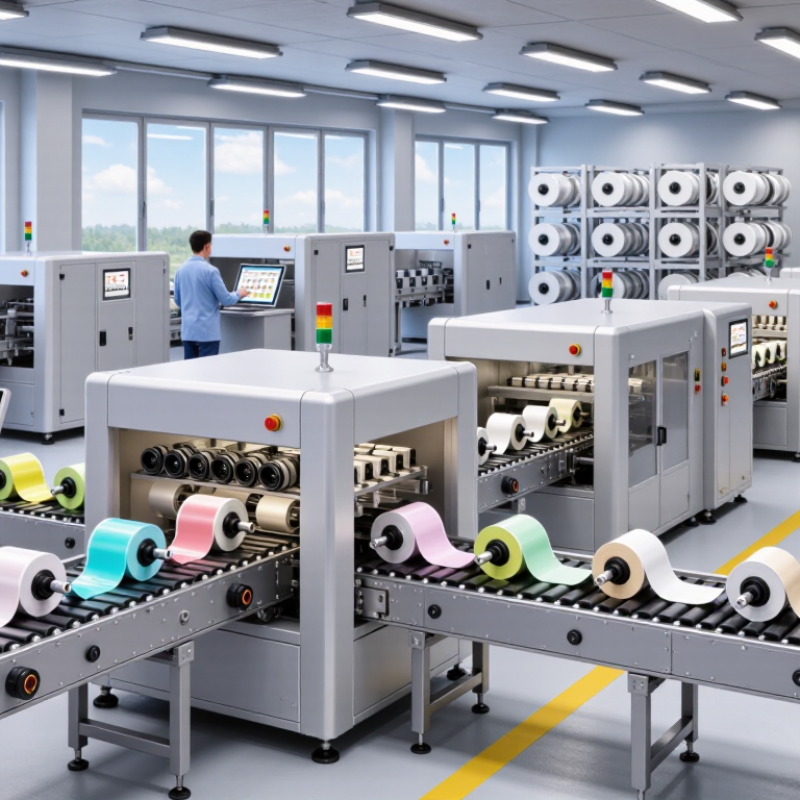
Label inspection equipment uses cameras, lighting, sensors, and software to examine labels during production. It checks print quality, position, color, codes, text, and label presence. A typical system scans each label while the material moves through the machine. It compares every image with approved reference data.
Small errors matter.
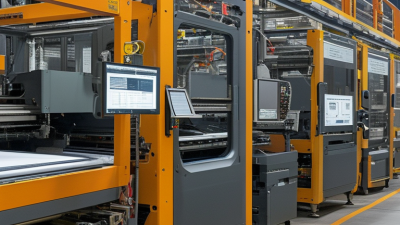
A missing character, blurred barcode, or shifted logo can stop packaging at the next stage. Inspection equipment helps remove defective labels before products reach customers. It also reduces manual checking, material waste, and repeated production work. In busy factories, operators can view live images and defect records on a control screen. These records support quality analysis and process improvement.
In practice, no system catches everything. Dust, glare, weak lighting, and poor reference images can create false alarms. This is where supplier experience becomes important. Reliable suppliers should test real label samples, explain detection limits, and provide calibration guidance. They should also offer stable software, clear maintenance procedures, and responsive technical support. When comparing China-based suppliers, buyers can request trial inspections with difficult samples, such as fine text, transparent film, or uneven color. A machine may perform well in a demonstration, yet behave differently on a production line. That gap deserves careful review.
How Label Inspection Systems Detect Printing and Finishing Defects
China Top Label Inspection Equipment Suppliers?
A modern label inspection system watches the web while printing continues at production speed. Line-scan cameras capture narrow image strips and rebuild the complete label. Software compares each image with an approved reference. It can identify missing text, blurred characters, color shifts, and ink spots. Small registration errors become visible when one color moves slightly outside another.
Finishing inspection adds another layer of control. Sensors and cameras check die-cut edges, varnish coverage, foil placement, lamination bubbles, and incorrect label spacing. A barcode may look acceptable to the eye but fail a scan test. The system can trigger an automatic reject mechanism, mark the defective section, and record its position for later review. Clear records support reliable quality decisions.
In practice, inspection accuracy depends on lighting, camera resolution, web tension, and reference images. Transparent films and reflective foil remain difficult. Glare can imitate a missing print area. That is where careful setup matters. Operators should test samples with real defects, not only perfect labels. No inspection system is flawless. A low threshold may create false rejects, while a high threshold can overlook subtle defects. Reviewing rejected samples regularly helps refine settings and exposes weaknesses in the process.
Which Technologies Are Used in Modern Label Inspection Machines?
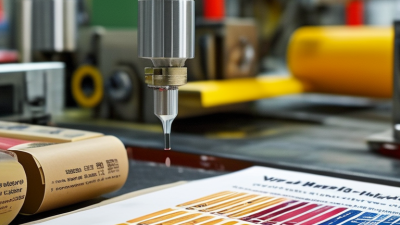
Modern label inspection machines combine several technologies rather than relying on one camera. Line-scan cameras capture moving webs continuously, while high-speed LED strobes freeze fine print details. Vision software checks colour, registration, missing text, wrinkles, and edge damage. Optical character recognition reads variable information. Optical character verification compares it with approved artwork. Barcode readers also test contrast, position, and decoding quality.
MarketsandMarkets’ Machine Vision Market report projects growth from about US$13.7 billion in 2023 to US$19.5 billion by 2028. This expansion reflects wider use of automated visual inspection across manufacturing. Smithers’ The Future of Labels and Labeling to 2028 also identifies digital printing and shorter production runs as important industry trends. These trends increase the need for flexible inspection systems. A single camera setup may not be enough.
Spectrophotometers measure colour against defined tolerances, while sensors monitor web tension and print registration. Newer systems use machine learning to identify irregular patterns that rule-based software may miss. However, artificial intelligence is not magic. It can reject acceptable labels when lighting changes. It can also overlook defects absent from its training images. Practical testing remains essential. Operators should inspect samples under real production speed, dust, vibration, and changing substrates. A perfect demonstration proves little. Careful calibration, traceable records, and human review still determine reliable performance.
What Makes a Chinese Label Inspection Equipment Supplier Stand Out?
A strong Chinese label inspection equipment supplier stands out through measurable control, not attractive brochures. FINAT’s 2024 Radar reported a 4.7% decline in European self-adhesive label demand during 2023. That pressure makes waste reduction and stable inspection essential. A reliable supplier should demonstrate real production data, including detection accuracy, inspection speed, false-rejection rates, and downtime records.
Look closely at the camera system. It should identify missing text, color variation, registration errors, bubbles, scratches, and die-cut defects at production speed. Practical tests matter. Ask the supplier to inspect your actual labels, under your lighting and web conditions.
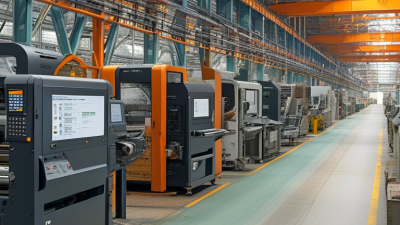
The system should connect with printers, rewinders, PLC controls, and traceability software. Clear defect images help operators act quickly. Simple interfaces reduce training time.
Smithers’ label industry outlook highlights automation, digital workflows, and quality consistency as important market drivers through 2028. A capable Chinese supplier should provide calibrated cameras, stable software updates, spare parts, and responsive technical support. Local engineering teams can shorten installation and troubleshooting time. That advantage is often overlooked.
However, no supplier should promise zero defects. Even advanced systems need regular calibration, clean lenses, controlled lighting, and trained operators. A low purchase price may hide higher maintenance costs. The better question is practical: can the supplier prove repeatable performance on your materials, every shift, without creating excessive false alarms?
How to Compare China’s Leading Label Inspection Equipment Suppliers
Comparing China’s leading label inspection equipment suppliers requires more than checking catalog prices. Start with inspection accuracy, camera resolution, line speed, and defect detection range. Ask suppliers to inspect your actual labels, including metallic foil, transparent film, and tiny text. A live sample test reveals more than a polished specification sheet.
Review the supplier’s engineering experience and quality process. Reliable suppliers should explain lighting design, software settings, sensor calibration, and rejected-label handling clearly. Request inspection reports, factory photographs, and references from similar production lines. Check whether the system records defect images with timestamps. This helps operators trace repeated errors during a busy shift. Ask about integration with printing, slitting, and rewinding equipment. Compatibility problems can be expensive.
After-sales support also separates capable suppliers from ordinary traders. Compare installation training, spare-parts availability, remote response time, and local service options. A written warranty matters, but practical response matters more. Confirm whether software updates are controlled and documented. Some suppliers promise extremely high accuracy, yet test conditions may be unusually clean. That deserves careful questioning. I would also inspect the control cabinet, cable layout, and emergency functions during a factory visit. Small details often expose weak workmanship. No comparison is perfect. Production trials can still reveal unexpected glare, dust interference, or operator confusion.
China Top Label Inspection Equipment Suppliers: How to Compare Them
A neutral procurement framework for comparing label inspection equipment suppliers. The percentages represent practical evaluation weights commonly used when reviewing inspection accuracy, production performance, integration, and after-sales support.
Use these criteria as a starting point, then verify each supplier’s actual camera resolution, inspection speed, web-width range, reject accuracy, software compatibility, warranty, training, and service response time against your production requirements.
Which Industries Use Label Inspection Equipment from China?
Which Industries Use Label Inspection Equipment from China?
China-made label inspection equipment serves food, beverage, pharmaceutical, cosmetics, electronics, and logistics manufacturers. These sectors need consistent print quality, readable codes, and accurate product information. Smithers’ The Future of Global Labels and Labeling to 2028 estimates the worldwide labels market exceeded 47 billion US dollars in 2023. That scale creates strong demand for automated inspection.
Food and beverage plants often inspect barcodes, allergens, nutrition panels, dates, and lot numbers. Pharmaceutical facilities apply stricter checks, including OCR, serialization, color, and missing-label detection. The World Health Organization reports that medication errors cause substantial avoidable harm worldwide, making readable packaging an important control point. Cosmetics producers use vision systems to detect skewed labels, uneven foil, and incorrect language versions. Small defects still matter.
Electronics and logistics companies also use Chinese inspection systems for small labels and high-speed packages. Cameras can verify QR codes, serial numbers, position, contrast, and surface damage. According to GS1’s barcode verification guidance, poor symbol quality can reduce scanning reliability across supply chains. Integration with printers, conveyors, and manufacturing databases is therefore essential. In practice, equipment performance depends on lighting, software settings, and operator training. A low price is not proof of value. Some installations still need better calibration and clearer acceptance standards.
FAQS
They combine line-scan cameras, LED strobes, vision software, and barcode readers.
Usually, no. Different defects need different inspection methods and viewing angles.
Machine learning can identify unusual patterns that rule-based software may overlook.
Test the system with actual labels, lighting, web speed, dust, and vibration.
Common checks include missing text, colour variation, registration errors, wrinkles, scratches, and die-cut problems.
Food, beverage, pharmaceutical, cosmetics, electronics, and logistics manufacturers use these systems.
Poor contrast, position, or symbol quality can reduce scanning reliability across supply chains.
Look for calibrated cameras, software updates, spare parts, and responsive technical support.
Conclusion
Label Inspection Equipment is essential for checking the quality, accuracy, and consistency of labels before products reach the market. These systems inspect printed rolls or finished labels for defects such as missing text, blurred images, incorrect colors, registration errors, wrinkles, and die-cutting problems. By combining cameras, sensors, lighting, software, and automated rejection functions, modern inspection machines can identify defects quickly and reduce material waste, customer complaints, and production delays.
When comparing Chinese Label Inspection Equipment suppliers, buyers should consider inspection accuracy, machine speed, software flexibility, integration with existing production lines, after-sales support, customization options, and total operating cost. Leading suppliers typically distinguish themselves through stable performance, practical engineering, responsive technical service, and solutions adapted to different production requirements. Such equipment is widely used in food and beverage packaging, pharmaceuticals, cosmetics, household products, logistics, and industrial manufacturing, where clear, correct, and traceable labeling is important for product presentation and quality control.