Start Quote
Leave Your Message
0%

Picking the right coating machines isn't just about ticking boxes on a checklist — it can really make or break your product quality, how fast you can produce, and how much everything's gonna cost you in the end. Honestly, just because a machine looks super efficient in a glossy brochure doesn’t mean it’ll work well with your actual coatings, materials, or factory setup. A pretty sample isn’t enough to make that call.

One perspective I find really helpful comes from Dr. Steven Abbott, who’s an expert in coating science. Here’s the gist (kind of an interpretation, not a direct quote): "Make sure the machine matches your coating, substrate, and the finish you’re aiming for." So, don’t just rely on what the supplier demonstrates — test real materials yourself. Get your production team involved in those tests too. Ask questions like: how does the machine handle changes in viscosity, web tension, cleaning routines, or faster line speeds? Keep an eye on the edges. Check the coating thickness. And don’t forget to note how much material gets stuck in hoses and trays.

This guide covers the main types of machines — roll coaters, slot-die, spray, dip systems — and digs into practical stuff like working width, drying capacity, automation options, how easy it is to do maintenance, and what kind of support you’ll get after setup. Sometimes, a tiny detail can become a daily headache. For example, a filter that's hard to reach might add minutes to each changeover, which adds up. Not every business needs the fastest possible line either. Some just need consistent results for short runs or when switching products often. Plus, that price tag can be deceiving — a cheaper machine might end up costing more in setup time or material waste, while a fancy, high-end system might be more machine than what your process actually needs. Use these points to ask better questions, compare trial runs, and pick equipment that actually fits your work — not just the sales pitch.

At the end of the day, it’s about understanding your process and making smart choices that save you headaches down the line.
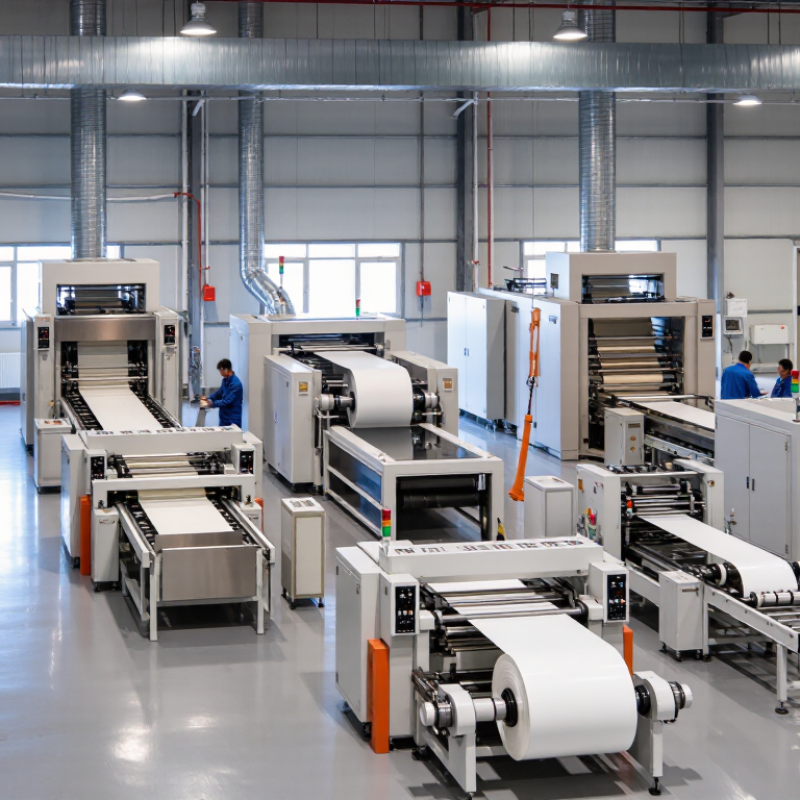
How to Choose the Best Coating Machines for Your Business?

Define Your Product and Coating Requirements

Before comparing coating machines, describe the product that will pass through them. Is it a paper sheet, a metal part, a flexible film, or a three-dimensional component? Shape and size affect how the item is held, moved, and coated. A flat panel may suit a roller system, while an irregular part may need spraying or dipping. Small details matter.

Name the surface material and the coating itself. Record the coating’s viscosity, solids content, and sensitivity to heat or moisture, using supplier data where available. Then specify the finish you need: target thickness, coverage, gloss, texture, and acceptable variation. “Even coverage” is not precise enough. Measure sample parts at several points, including edges and recessed areas.

Think about real operating conditions, not just the ideal test. How many parts must be coated per hour? How quickly must the coating dry or cure? Note available floor space, ventilation, cleaning access, and operator skill. A machine that runs fast may still create waste if changeovers take too long. Ask suppliers to test your actual material and representative parts, then inspect the results under consistent conditions. One overlooked issue is part-to-part variation; it can make a capable machine appear inconsistent. Your requirements may change, so leave room for adjustment.

How to Choose the Best Coating Machines for Your Business?

Define Your Product and Coating Requirements

These indicative dry-film thickness ranges vary with the coating formulation, substrate, and product specification. Define your required thickness, material, product shape, and production rate before comparing machines.

Identify Suitable Coating Technologies and Machine Types

Choose the coating technology around the part, coating material, and required finish. Liquid spray systems suit irregular shapes and frequent color changes; electrostatic application can improve transfer to conductive parts. Roll or slot-die coaters work well on flat sheets and continuous webs, where even film thickness matters. Dip coating reaches recesses, but drainage marks can be difficult to control. Geometry matters.

Powder coating lines combine electrostatic guns with a curing oven, so check part size, heat tolerance, and available floor space. Grand View Research valued the global powder coatings market at USD 15.8 billion in 2023 and forecast a 5.6% compound annual growth rate from 2024 to 2030. This market signal does not identify the right machine for every plant; it does show why powder systems deserve consideration when durable, repeatable finishes are needed.

Compare real operating conditions, not just quoted line speed. Ask suppliers to coat your own parts, then inspect coverage around edges, recesses, and welds. Test real parts. Record material use, changeover time, cleaning effort, and cure consistency. A pilot run can still miss problems that appear after weeks of production, so leave room for adjustment. Honestly, a faster machine may be the wrong choice if operators cannot maintain stable settings or the finish varies between shifts.

How to Choose the Best Coating Machines for Your Business? - Identify Suitable Coating Technologies and Machine Types

Coating Technology Typical Machine Type Suitable Materials or Products Best Fit Key Advantages Important Considerations
Slot-die coating Precision slot-die coater; sheet-fed or roll-to-roll line Films, foil, paper, battery electrodes, and other web materials Businesses needing controlled, repeatable coating thickness over a defined width Metered delivery can provide uniform coatings and reduce excess material when the process is properly set up. Requires suitable coating-fluid properties, accurate pump and die setup, and careful control of web tension and alignment.
Gravure coating Direct or reverse gravure roll coater; often integrated into a roll-to-roll line Flexible packaging films, paper, foil, and thin functional layers Continuous production where repeatable application of relatively thin liquid coatings is required Engraved rolls transfer a controlled amount of coating and support high-speed web processing. Roll engraving and cleaning matter; very high-viscosity materials or frequent changes between formulations may require other methods.
Flexographic coating Flexographic press or inline flexo coater Paper, board, labels, and flexible packaging webs Packaging and printing operations that need coating in line with printing or converting Can apply primers, varnishes, and other liquid coatings as part of a continuous printing workflow. Coating results depend on plate, anilox roll, ink or coating formulation, and setup; it may not suit every precision-thickness application.
Reverse-roll coating Reverse-roll coater; roll-to-roll or sheet-fed configuration Paper, metal foil, flexible films, and other smooth substrates Applications requiring a controlled, smooth liquid layer on a moving surface Roll-speed and gap adjustments allow the coating application to be tuned for different process needs. Requires careful setup of roll alignment, speed, and coating rheology; edge quality and web handling should be evaluated in trials.
Spray coating Manual spray booth, automated spray system, or conveyorized spray line Three-dimensional parts, molded components, metal parts, and irregular surfaces Businesses coating shaped products that are difficult to process as flat webs or sheets Spray guns can reach complex geometries, and automation can improve consistency across repeated parts. Overspray, ventilation, operator or robot setup, and coating transfer efficiency need consideration; curing may require a separate oven.
Dip coating Batch dip tank with hoist, or automated dipping line Small components, wire, mesh, and parts that can be immersed and withdrawn Parts needing coating on multiple sides or surfaces in a batch or continuous dipping process Can coat complex shapes without requiring a spray path around each surface. Film thickness and drainage depend on withdrawal speed, liquid properties, and part geometry; tank maintenance and drying space are important.
Powder coating Electrostatic powder application booth with recovery and curing oven Conductive metal parts such as steel and aluminum components Manufacturers seeking a durable finish for compatible metal products Uses dry powder that is typically electrostatically applied and oven-cured; overspray may be recoverable in suitable systems. Parts generally need appropriate surface preparation and an oven-compatible design; color changes and powder handling affect line planning.
Curtain coating Curtain coater with a continuous coating head and conveyor Flat panels, boards, furniture components, and other rigid substrates High-throughput coating of flat parts with consistent dimensions A continuous falling curtain can coat broad surfaces quickly when part geometry and line conditions are suitable. Works best with flat, consistently sized parts; coating viscosity, curtain stability, and material recovery must be managed.
Roll coating for sheet metal Coil-coating line with roll coater, curing section, and strip handling Steel or aluminum strip supplied in coils Continuous finishing of metal strip for building products, appliances, and other formed components Integrates coating and curing with continuous strip processing before the metal is cut or formed. Requires coil handling, tension control, surface preparation, and a curing system matched to the coating and substrate.

Match Machine Capacity to Your Production Volume

Choosing a coating machine starts with a realistic production target, not the largest number in a brochure. Estimate the units or surface area needed per shift, then allow for setup, cleaning, and routine pauses. A machine rated for 500 parts per hour may deliver less when operators load parts by hand. Measure your actual cycle. Use recent production records, when available, and compare peak demand with average demand.

Capacity also depends on product size, coating thickness, drying time, and how often settings change. A compact conveyor may suit steady runs of small panels, while mixed batches can slow handling and increase changeover time. Ask suppliers to test your own parts and coating. Record usable output, defects, and cleanup time. Even a careful forecast can miss real-world bottlenecks. Leave room for growth, but avoid paying for capacity your floor space, staffing, or power supply cannot support.

Tips: Check sustainable hourly output, not a brief peak rate. Include a modest buffer for downtime and seasonal demand. Recheck your assumptions after installation.

Compare Coating Quality and Material Compatibility

A coating machine should be judged by the finish it produces, not just its advertised speed. Check whether the coating looks even across the center, edges, and corners. Use a gauge to compare wet or dry film thickness at several points. Small flaws matter. Thin spots can expose the substrate, while heavy edges may crack or dry unevenly.

Material compatibility is just as important. A roller coater may suit flat sheets, while spray equipment can reach curved parts, but neither choice works for every coating. Compare the machine’s feed system, seals, hoses, and cleaning process with the coating’s viscosity and chemistry. Also check how the substrate handles heat, pressure, and drying time. A soft plastic panel, for example, may warp under conditions that work well for metal.

Run trials with the actual coating and material before committing. Look for pinholes, streaks, bubbles, poor adhesion, or color changes after curing. Test several settings, including line speed and application rate, and record the results. Test the real material. A small test panel cannot reproduce every production condition, and I would not treat one clean sample as proof of consistency. Ask operators to repeat the trial after routine cleaning; that step can reveal problems a first run misses.

Evaluate Automation, Space, and System Integration

How to Choose the Best Coating Machines for Your Business?

Evaluate Automation, Space, and System Integration

Automation should match the work your team actually performs. A high-speed line may offer little value if products change often or batches are small. Check how operators load parts, adjust settings, and clean the machine between runs. Can one person manage the process safely? That matters. Compare setup time and reject rates, not just advertised output. A partly automated machine may suit a variable workload better, though it can require more hands-on attention.

Measure the full operating area, not only the machine’s footprint. Include room for doors, material carts, electrical connections, ventilation, and routine maintenance. Leave room. A technician should be able to reach filters and service panels without moving equipment. Sketch the path from incoming parts to finished goods; tight turns can slow handling and create avoidable contact damage. Floor plans are useful, but they rarely show every daily obstruction.

Check how the coating machine will connect with conveyors, curing equipment, and existing controls. Ask for interface details before purchase, including required utilities and communication signals. Run representative parts through a trial when possible, then inspect coverage, finish consistency, and changeover steps. A polished demonstration may not reflect your real workload. Record what remains uncertain, too; integration assumptions can become costly when production begins.

Calculate Total Cost, Maintenance, and Operating Needs

A coating machine’s quoted price is only the starting point. Build a total-cost estimate that includes delivery, installation, operator training, tooling, ventilation, and electrical upgrades. Compare that figure with expected production over several years, not just the first month. A low-cost unit can become expensive if it needs extra labor or produces inconsistent coverage. Details matter.

Maintenance deserves its own line in the budget. Ask how often belts, rollers, filters, pumps, or nozzles need inspection or replacement, and whether your team can service them in-house. Price common wear parts before buying. Check cleaning time between coating changes, too; an hour spent flushing a line can reduce daily output. Downtime hurts. Set aside a realistic allowance for service visits and spare parts, even when maintenance estimates look optimistic.

Operating needs should match your actual workflow. Measure available floor space and confirm the machine can handle your usual material width, coating thickness, and batch size. Estimate power, compressed air, water, and staffing needs for a normal production shift. If possible, test a representative sample, not an ideal one. A spreadsheet can look precise and still miss setup delays, awkward loading, or rejected pieces. Revisit your assumptions after the first few production runs; real usage often exposes a cost nobody budgeted for.

Verify Safety Standards and Supplier Support

A coating machine may look safe during a showroom demonstration, but daily production reveals different risks. Check that guards cover moving parts and that emergency stops are easy to reach. Ask for documentation showing which safety standards apply to the machine and your intended setup. Confirm electrical requirements, operator training, and ventilation needs before installation. For heated processes, review temperature controls and cooling procedures. A tidy certificate folder is useful, but it does not replace checking the actual machine. I would inspect access points and controls in person when possible.

Tips: Ask for sample safety documents before ordering. Check emergency-stop locations. Keep a written list of operator training needs.

Supplier support matters after delivery, too. Ask who handles installation questions, how quickly technical help is available, and whether common spare parts can be supplied. Request clear maintenance schedules and troubleshooting instructions. If the supplier offers training, confirm what it covers and who can attend. A quick reply before the sale does not guarantee quick help later, so agree on support expectations in writing. It is easy to overlook this detail when comparing prices; I have seen buyers focus on machine features and leave service arrangements vague. That choice can make a small fault harder to resolve.

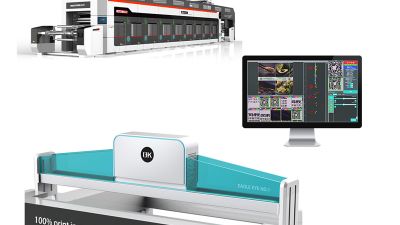
A Practical Guide to the China OK-6000 Online Quality Inspection System for Flexo Printing

The OK-6000 online quality inspection system is designed to help flexo printing operations identify defects as they occur, rather than after an entire batch has been produced. Suitable for flexo presses and bag-making machines, it uses high-performance line-scan cameras and AI-based image analysis to monitor printed material continuously. This 100% real-time inspection can flag issues such as streaks, dirt spots, insects, and missing print, giving operators timely information to investigate and adjust the process.

For manufacturers in China and other production environments, integrating inspection directly into the line can reduce the risk of defective material moving further through production. Clear, immediate feedback supports faster responses, helps limit batch waste and costly rework, and makes it easier to maintain consistent print quality across long runs. The system offers a practical way to strengthen quality control while keeping production flowing and protecting valuable materials.

FAQS

Which coating technology suits irregular parts?

Liquid spray handles irregular shapes and frequent color changes. Electrostatic application may improve transfer on conductive parts. Geometry matters.

When should I consider roll or slot-die coating?

These systems suit flat sheets and continuous webs. They help maintain even film thickness. Test your actual material.

What should I check before choosing a powder coating line?

Confirm part size, heat tolerance, and available floor space. The line needs electrostatic guns and a curing oven. Check your power needs, too.

How can I compare machine performance fairly?

Ask suppliers to coat your own parts. Inspect edges, recesses, and welds. Record material use, changeover time, cleaning effort, and cure consistency. Test real parts.

What costs should I include beyond the purchase price?

Budget for delivery, installation, training, tooling, ventilation, and electrical upgrades. Include labor and rejected pieces. Details matter.

Which maintenance costs are easy to overlook?

Check replacement schedules for belts, rollers, filters, pumps, and nozzles. Ask about spare-part prices and cleaning time between coating changes. Downtime hurts.

How do I check whether a machine fits my daily workflow?

Measure floor space and confirm material width, coating thickness, and batch size. Estimate power, compressed air, water, and staffing for a normal shift. A spreadsheet can still miss awkward loading.

What safety and supplier support should I verify?

Check guards, emergency stops, electrical requirements, ventilation, and training documents. For heated processes, review temperature controls and cooling procedures. I would inspect the machine in person.

What support should I agree on before ordering?

Confirm installation help, response times, spare-part availability, maintenance schedules, and troubleshooting instructions. Put expectations in writing. A quick sales reply is not a guarantee.

Conclusion

Choosing the right Coating Machines starts with a clear understanding of your product, desired coating result, materials, and quality requirements. Compare suitable coating technologies and machine types, then make sure the equipment’s capacity fits both your current production volume and expected growth. Consider how consistently the machine applies coatings and whether it can handle the materials and product shapes involved.

Also assess automation features, available floor space, and compatibility with your existing production systems. Look beyond the purchase price by estimating installation, operating, maintenance, and material costs over time. Finally, check that the equipment meets relevant safety standards and that dependable supplier support, training, and maintenance assistance are available. A careful evaluation of these factors can help you select a practical, efficient machine that supports your business needs.
Oliver

Oliver

Oliver is a skilled marketing professional at a leading provider of intelligent web control solutions based near Chongqing East Railway Station. With a deep expertise in web guiding, tension control, and vision inspection systems, he plays a pivotal role in promoting the company’s innovative......
Previous China Top Label Inspection Equipment Suppliers?