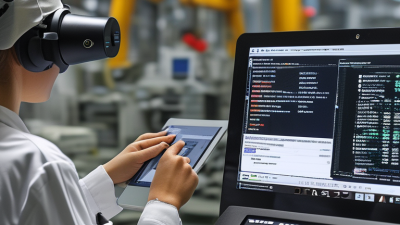
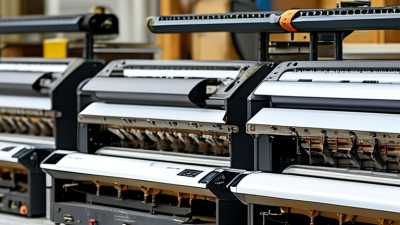
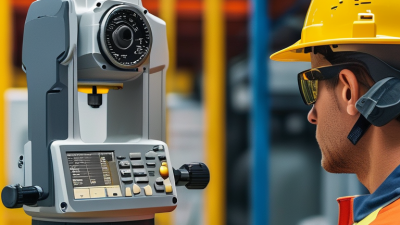
In today’s fast-changing world of manufacturing, picking the right Vision Inspection Equipment is more important than ever if you want to keep your product quality on point. Experts like Dr. Robert Chen, who’s pretty much one of the top folks in this field, often say, “Getting the vision inspection spot-on can really cut down on defects.” His words remind us just how crucial these inspection systems are when it comes to making sure everything meets standards.
But let’s be honest—lots of companies find it tricky to figure out what equipment suits their specific needs. There are tons of options out there, but not all of them are equally reliable. If you pick the wrong system, it can cost you big time, not to mention lead to products that aren’t up to par. Choosing between simpler 2D cameras or fancy 3D systems, for example, isn’t always straightforward and definitely requires some know-how and careful thinking.
Investing in the latest and greatest vision inspection tools is definitely worth it, but just buying top-tier gear isn’t the whole story. Companies need to stay on top of system updates and ensure their staff are properly trained. Even the coolest technology won’t do much good if it’s not integrated smoothly. Regularly reviewing your inspection processes is key. Sometimes, local manufacturers might overlook tiny flaws during production—stuff that can end up causing bigger issues down the line for quality assurance.
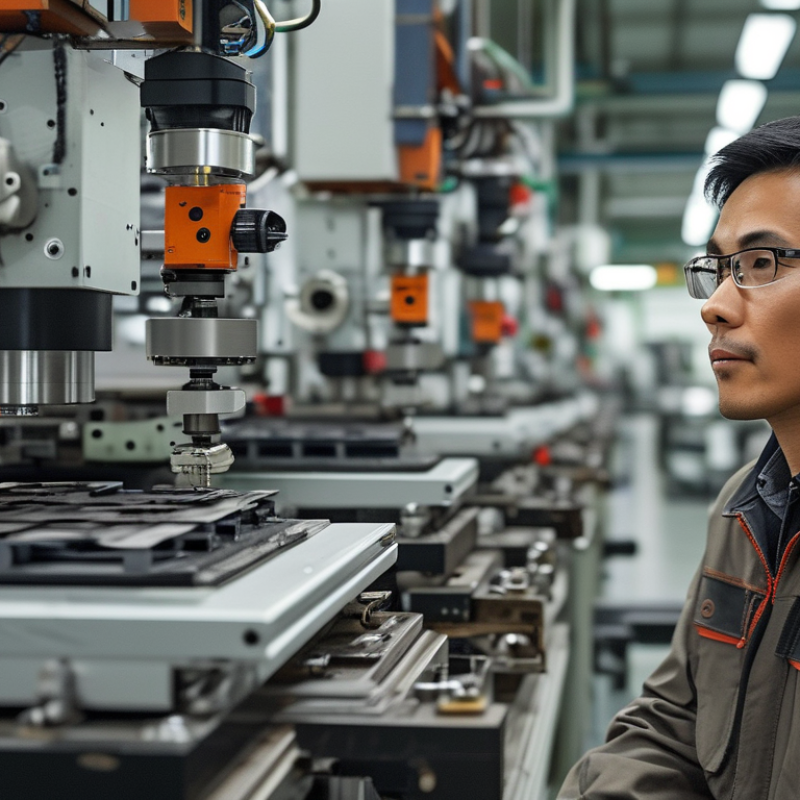
Overview of Vision Inspection Equipment in Quality Assurance
Vision inspection equipment plays a crucial role in quality assurance across various industries. Its primary function is to detect defects and ensure that products meet established standards. According to a recent report by the Quality Assurance Association, improper inspections can lead to a staggering 10-20% increase in product returns. This highlights the necessity for reliable vision inspection systems.
Modern vision inspection tools utilize advanced technologies such as artificial intelligence and 3D imaging. These innovations enable precise measurement and flaw detection in real time. Research shows that companies employing these systems can improve their defect detection rates by up to 35%. However, not all systems are foolproof. The implementation of such equipment requires careful calibration and regular maintenance. Organizations must invest in training their personnel to optimize these technologies effectively.
A notable trend in the industry is the shift towards automation, which minimizes human error. Automated systems can handle complex inspections at high speed, yet they are not immune to faults. According to industry experts, about 15% of automated inspections may still produce false positives or negatives, prompting further scrutiny into their thresholds. This emphasizes the ongoing need for human oversight in quality assurance processes.
Best Vision Inspection Equipment for Quality Assurance Tools
Key Features to Look for in Vision Inspection Systems
When choosing vision inspection systems, certain key features enhance their effectiveness. A high-resolution camera is vital for capturing clear images. The clarity of the image directly influences detection accuracy. Systems should also have adjustable lighting options to minimize shadows and reflections. This ensures consistent image quality regardless of the item being inspected.
Another important feature is software flexibility. Advanced systems should offer customizable algorithms that can adapt to specific inspection needs. This capability allows for different methods of analysis, improving reliability in quality assurance. Moreover, ease of integration with existing production lines is crucial. Systems must work seamlessly with current workflows to avoid disruptions.
It's essential to consider user-friendliness as well. Complicated interfaces can lead to errors in operation. Training staff can take time, affecting productivity. Some systems may not provide adequate support or documentation, leading to frustration. Investing in a system without thorough research can lead to regret. Thoughtful evaluation of these features can strengthen quality assurance processes.
Types of Vision Inspection Technologies and Their Applications
Vision inspection technologies play a vital role in quality assurance. These systems use various methods to analyze products visually and ensure they meet specific standards. One common type is 2D imaging, which captures flat images of items. This approach is effective for detecting surface defects or misalignments. However, it can miss some issues hidden in three dimensions.
3D vision inspection takes imaging a step further. It provides depth perception by creating three-dimensional representations of objects. This technology excels in identifying complex features and flaws. Despite its advantages, 3D inspection can be more expensive and complicated to implement. Users must weigh the benefits against potential costs.
Another emerging technology is artificial intelligence-driven inspection. AI systems learn from vast datasets and improve over time. They can recognize patterns that traditional systems might overlook. However, reliance on AI brings concerns about transparency and consistency. Companies must regularly audit these systems to maintain confidence in their results. Even advanced technologies can fall short, emphasizing the need for human oversight. Quality assurance is an ongoing journey that requires constant reflection and adjustment.
Advantages of Implementing Vision Inspection in Quality Control
Vision inspection systems are becoming essential in quality control. These systems utilize advanced imaging technology to ensure product quality. Reports indicate that organizations employing vision inspection can reduce defects by up to 50%. This significant decrease improves customer satisfaction and lowers costs related to returns.
Implementing vision inspection helps companies maintain higher standards. For example, a study revealed that 85% of manufacturers reported increased efficiency after adopting these tools. They provide precise measurements and high-speed analysis that manual checks cannot match. However, challenges remain. Training staff to effectively use these systems can be a hurdle. Transitioning from manual inspection to automated solutions takes time and resources.
Despite these obstacles, the benefits far outweigh the drawbacks. Companies that embrace vision inspection are likely to see faster production times. Accurate defect detection can save time and elevate overall productivity. Nevertheless, constant evaluation and updates to these systems are necessary to adapt to evolving quality standards. An ongoing commitment to improvement ensures that these tools continue to meet organizational goals.
Choosing the Right Vision Inspection Equipment for Your Industry
Selecting the right vision inspection equipment is crucial for industry-specific applications. Different sectors, such as manufacturing, food, and automotive, have unique requirements. Understanding these needs will guide you in making a well-informed choice. A camera system that excels in one field may not perform adequately in another. It's essential to evaluate the specific environment where the equipment will be used.
When choosing vision inspection equipment, consider the resolution needed for your applications. Higher resolution cameras can detect smaller defects, but they may also increase processing time. This can lead to reduced production efficiency. Make sure you balance quality with speed.
Tips for selecting equipment include assessing lighting conditions in your workspace. Poor lighting can lead to inaccurate inspections. Additionally, take the time to analyze software capabilities. An intuitive interface can save you from operational hiccups. Don't forget to prioritize training for your team on any new technology. Proper training will help you maximize productivity and minimize errors.
Integration of Vision Inspection Tools with Existing QA Processes
Incorporating vision inspection tools into existing quality assurance processes can significantly enhance product quality. Many industries, particularly manufacturing, report a 25% increase in defect detection rates when using automated vision systems. This integration allows for real-time data analysis, identifying issues before they escalate into larger production problems.
The challenge lies in the seamless connection between traditional QA methods and modern vision inspection technology. A 2022 report from a leading industry research firm noted that 40% of companies struggle with this integration. Disjointed processes often result in data silos, making it difficult for QA teams to act swiftly. Bridging this gap requires careful planning and dedicated training sessions for staff.
Reflection on the integration strategy is crucial. Companies need to assess their specific needs and existing workflows. Customizing the vision inspection systems to tailor fit these requirements can lead to a more efficient quality assurance framework. After all, without a clear understanding of operational goals, even the best technology may fail to deliver the expected results. The goal should always be to balance high-tech solutions with practical, human insights in QA processes.
Future Trends in Vision Inspection Technology for Quality Assurance
In recent years, vision inspection technology has experienced significant advancements, reshaping quality assurance practices across various industries. Data from Markets and Markets forecasts that the global machine vision market will grow to nearly $12 billion by 2025. This growth is driven by increasing demand for precision and accuracy in manufacturing. Automation and artificial intelligence are key contributors to this evolution, enhancing the capabilities of vision systems.
Emerging trends point toward the integration of deep learning algorithms with camera systems. Such advancements improve defect detection rates by at least 30%. Companies are recognizing the need for reliability. As visual inspection systems become more complex, the challenge of maintaining consistent accuracy arises. Ensuring that these systems can adapt to varying production conditions will be essential for sustaining quality assurance.
Furthermore, the increase in customization of products poses additional challenges for traditional inspection methods. These methods may struggle with non-standardized items. Industry reports suggest that companies investing in flexible vision systems can reduce operational costs by up to 25%. The future of vision inspection technology seems promising but brings forth complexities that require thoughtful consideration and innovation.
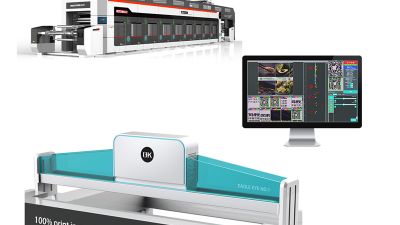
Optimizing Flexo Printing with the OK-6000 Online Quality Inspection System: Insights for Manufacturers and Suppliers
In the competitive realm of flexo printing, manufacturers are continually seeking ways to enhance efficiency and reduce waste. The introduction of advanced quality inspection systems is a game-changer. One such innovative solution is the online quality inspection system specifically designed for flexo printing processes. These systems harness state-of-the-art line-scan cameras coupled with AI technology to provide unparalleled defect detection in real-time.
According to industry reports, implementing an online quality inspection system can drastically decrease the incidence of production errors. By effectively identifying common defects such as streaks, dirt spots, and missing prints, manufacturers can maintain a higher quality output while minimizing batch waste. Research indicates that the integration of these technologies can lead to a production efficiency increase of over 25%, thereby optimizing operational costs and enhancing profitability. Additionally, with suppliers benefitting from 100% real-time monitoring, the agility to make immediate adjustments becomes a critical factor in maintaining quality standards and customer satisfaction.
By adopting such advanced inspection solutions, flexo printing industries stand to not only elevate their product quality but also foster a culture of continuous improvement. The future of flexo printing hinges on the ability to leverage technology for quality assurance, and those who invest in these systems are likely to see significant improvements in their production output and operational efficiency.
FAQS
: Vision inspection uses imaging technology to ensure product quality and reduce defects effectively.
Organizations can achieve up to a 50% reduction in defects when using these systems.
About 85% report improved efficiency and faster production times after implementing vision inspection.
Companies may struggle with staff training and transitioning from manual inspections to automated processes.
Higher resolution can identify smaller defects but may slow processing time, impacting production efficiency.
Poor lighting can lead to inaccurate inspections, making lighting conditions crucial for effective quality checks.
Integration can enhance defect detection rates by 25% and facilitate real-time data analysis for faster issue resolution.
Companies may struggle with data silos and disjointed processes, making it hard for teams to respond quickly.
Proper training maximizes productivity and minimizes errors, enabling staff to effectively use new technologies.
They should assess their specific needs, workflows, and operational goals to customize systems effectively.
Conclusion
Vision Inspection Equipment plays a crucial role in quality assurance across various industries by ensuring that products meet specified standards. This equipment comes with key features such as high-resolution imaging, real-time analysis, and automation capabilities, which enhance its effectiveness. There are several types of vision inspection technologies available, each suited to different applications, from identifying defects to ensuring precise measurements.
Implementing Vision Inspection Equipment offers significant advantages, including increased efficiency, reduced human error, and enhanced consistency in product quality. When choosing the right inspection tools for a specific industry, it's essential to consider factors like integration with existing quality assurance processes and future technological trends. As industry needs evolve, the advancement of vision inspection technology is expected to further streamline quality control processes and improve overall product reliability.