In today’s really competitive world of printing, having the right tools can honestly make all the difference. If you’re into high-quality printing, a Transfer Print Machine is pretty much a must-have. These machines are pretty versatile—they can handle different materials and give you that level of precision you'd want.
You'll find brands like Epson and Roland offering some pretty advanced models nowadays. Each of these has its own set of features designed to meet different needs, so it’s worth checking out what suits your specific projects. When you're picking one out, try to think about reliability and how easy it is to use—wasting materials because a machine isn’t dependable or too complicated can be a real headache.
Getting into the right Transfer Print Machine isn’t just about the cost, either. You’ve gotta consider what your production demands are and how much you're willing to spend. Sometimes, cheaper options might seem tempting, but they might not give you the quality you're aiming for. It’s a good idea to read reviews from other users and maybe even ask around for recommendations. At the end of the day, investing in a good machine really can boost your printing projects and help you get better results in the long run.
Overview of Transfer Print Machines in the Market
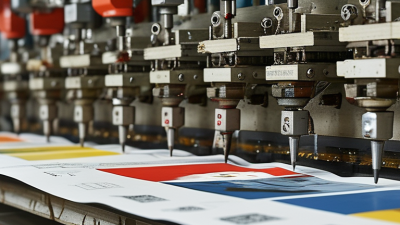
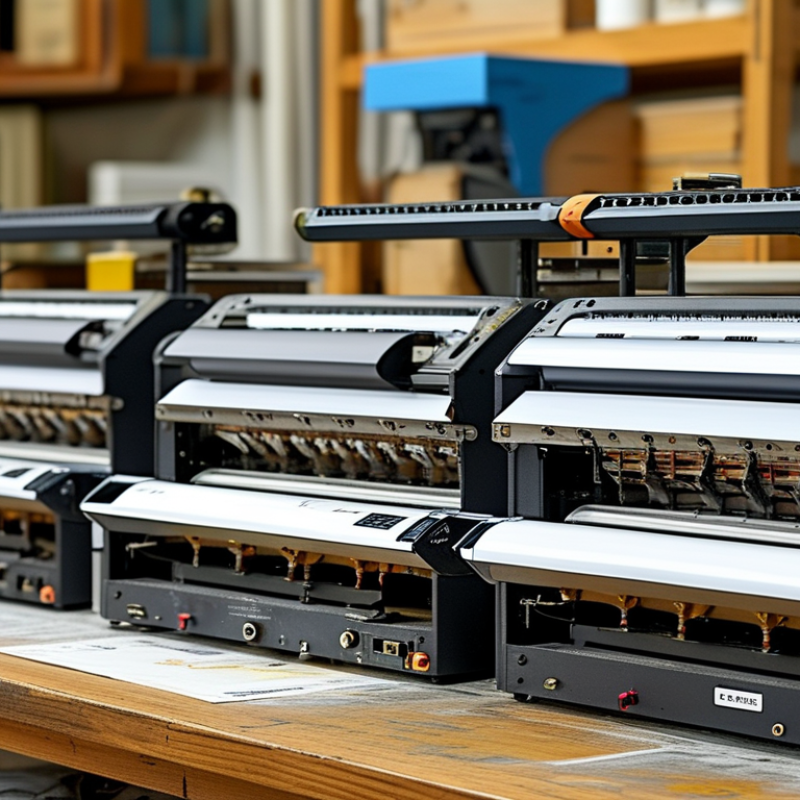
The transfer print machine market offers a wide range of options catering to various printing needs. These machines are essential for producing high-quality graphics on different materials. They cater to both small businesses and larger commercial operations. The technology has evolved significantly, leading to machines that are faster and more efficient. However, choosing the right machine can be challenging due to the numerous features available.
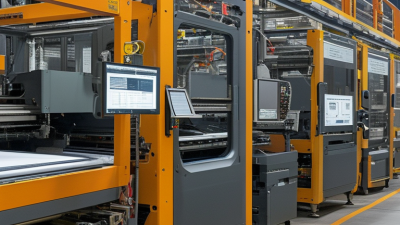
Many models come with user-friendly interfaces, which help in navigating the printing process. Various machines support different printing methods, including heat transfer and dye sublimation. Depending on the desired print quality and material, the right choice varies. Some machines excel in producing vibrant colors, while others might focus on durability. It's vital to assess what matters most for your projects.
While many machines promise high performance, their effectiveness can vary based on the operator's experience. A machine with advanced features may prove difficult for beginners. Some users may require more time to understand the operations fully. This learning curve can be a significant hurdle. It's crucial to find a balance between capability and ease of use, ensuring that the chosen machine aligns with specific quality objectives.
Key Features to Look for in Transfer Print Machines
When selecting a transfer print machine, certain key features are crucial for achieving high-quality results. One important aspect is the printing resolution, measured in DPI (dots per inch). A higher DPI allows for finer detail and sharper images. According to industry reports, machines with resolutions of 1200 DPI or greater are preferred for detailed designs. This is particularly important in competitive markets where clarity can set products apart.
Another factor to consider is the machine's heating technology. Effective heat and pressure application directly influences the transfer quality. Machines featuring advanced heat plates tend to offer more consistent results. The press time and temperature settings should be easy to adjust, ensuring suitability for various materials. Research shows that inconsistent heating can lead to fading or peeling of prints.
Lastly, durability and reliability are essential. Machines designed for heavy use typically have more robust components. While they may require a higher initial investment, the long-term benefits in productivity and reduced maintenance costs justify the expense. Industry data indicates that a well-built machine can last over ten years with proper care. However, it's crucial to reflect on the maintenance needs that come with durability, as some users overlook regular upkeep, affecting performance.
Top Brands and Models for Quality Transfer Printing
When it comes to quality transfer printing, selecting the right machine is crucial. Many professionals rely on data from industry reports to inform their choices. According to a recent study by Smithers Pira, the global digital textile printing market is expected to reach USD 5.1 billion by 2024. This highlights the increasing demand for efficient and high-quality transfer print machines.
Brands known for their innovation have consistently led the market. These brands often produce machines that excel in speed, precision, and color fidelity. Reports indicate that users prioritize machines capable of producing vivid colors and maintaining durability in prints. In a competitive landscape, those who embrace these advancements see a direct correlation with customer satisfaction and business growth.
However, not all models perform equally well in every scenario. Some machines might excel in print quality, while others stand out for their speed. This inconsistency can lead to buyer regret if not carefully evaluated. Testing machines personally and analyzing user reviews can provide insights but might not always reveal long-term performance issues. It’s crucial to weigh these factors against specific needs to make the best choice.
Comparative Analysis of Digital vs. Sublimation Transfer Machines
When considering transfer print machines, understanding the differences between digital and sublimation options is essential.
Digital transfer machines utilize inkjet technology to print designs directly onto transfer paper. This process allows for vibrant colors and intricate details. Digital machines are known for their versatility, enabling users to print on various materials. However, they may struggle with durability compared to sublimation methods.
Sublimation transfer machines, on the other hand, work by turning solid dye into gas, which then bonds with polyester materials. This process results in vivid images that resist fading and cracking over time. However, it requires specific substrates, limiting material choices.
Sublimation excels in producing high-quality prints for apparel and promotional items. Yet, it can be more complex to set up and operate, posing a challenge for beginners. Evaluating each method's strengths and weaknesses is vital in selecting the right machine for your printing needs.
Maintenance Tips for Optimal Performance of Transfer Machines
Maintaining transfer print machines is crucial for ensuring high-quality output. Regular maintenance extends the lifespan of the equipment and improves overall efficiency. According to industry reports, approximately 30% of printing issues stem from improper maintenance practices. This highlights the importance of adopting a proactive approach to care for these machines.
One key aspect of maintenance is consistent cleaning. Residue buildup can adversely affect print quality. Use lint-free wipes to clean the print head and other critical components frequently. Additionally, calibrating your machine regularly can prevent alignment issues, which often result in misprints. Studies indicate that proper calibration can improve print accuracy by up to 25%. This simple step is often overlooked and can save both time and materials.
Another reflection point is the need for proper training. Operators should be well-versed in machine settings and troubleshooting techniques. Inadequate training can lead to errors that impact production. Keeping user manuals accessible and conducting regular training sessions can mitigate these risks. Overall, recognizing these maintenance aspects is essential for achieving optimal performance in transfer printing.
Common Applications and Industries Utilizing Transfer Printing
Transfer printing is a versatile method widely used across various industries.
From textiles to promotional merchandise, it serves a range of applications.
In fashion, brands utilize transfer printing for creating custom designs on garments.
According to a report by Smithers Pira, the global market for transfer printing is expected to reach over
$6 billion by 2025, highlighting its growing importance in the fashion sector.
However, while the results are often vibrant, achieving consistency can be challenging.
It's crucial to closely monitor the settings during the printing process.
In the promotional products industry, transfer printing is favored for creating branded items like mugs and tote bags.
The simplicity and effectiveness of the method make it ideal for companies looking to maximize their visibility.
Interestingly, a 2022 study by Research Nester indicated that more than 70% of promotional product suppliers
reported an increase in demand for transfer-printed items.
However, it’s not just about quality; understanding the substrate is vital.
The choice of material can significantly affect the outcome.
Experimentation is key. While most machines promise high-quality results, calibration and testing can sometimes
reveal unexpected issues. Regularly revisiting equipment and techniques is essential for maintaining quality.
Consider smaller runs to test new materials before committing. Customers’ demands evolve, and so should printing processes.
Staying adaptive is important in this competitive landscape.
Cost Considerations and Budgeting for Transfer Print Equipment
Purchasing transfer print machines requires careful budgeting. Understand the costs beyond the initial purchase price. There are ongoing expenses like maintenance, supplies, and software updates. Also, consider the space needed for the equipment. Renting or buying workspace adds to your total costs.
Evaluate your printing volume. Larger operations may benefit from investing in high-quality, durable equipment. However, smaller businesses might find entry-level machines sufficient for their needs. This approach can save money upfront while still meeting quality demands.
Don’t rush your decision. Research various options thoroughly. Compare features, durability, and customer support. Reading user reviews can offer insights into the reliability of the machines. Assess the return on investment. Sometimes, paying a bit more for quality results in fewer issues later. Balancing cost and quality is crucial for long-term success.
Innovative Solution for Quality Assurance: OK-1000A Bag Making Machine Vision System Enhances Foreign Object Detection
In the competitive landscape of food and medical packaging, the necessity for high-quality assurance has never been more critical. As consumer demands grow alongside regulatory requirements, manufacturers are increasingly turning to innovative technologies to elevate their quality control processes. The adoption of advanced vision inspection systems, such as those offering an ultra-large imaging range, has proven instrumental in detecting foreign objects and defects within packaging materials. Reports indicate that defects in packaging not only compromise product safety but can also lead to costly recalls and damage to brand reputation.
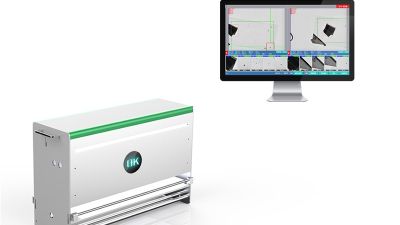
The OK-1000A Bag Making Machine Vision Inspection System represents a significant leap forward in addressing these challenges. With a remarkable imaging range of 200mm×600mm, it ensures comprehensive coverage during the inspection process. The integration of AI deep learning algorithms enables the system to accurately identify and classify potential contaminants such as insects, hair, and stains. This level of precision is critical: studies suggest that up to 90% of consumer complaints related to packaging issues stem from visible foreign objects. By supporting production speeds of up to 300 meters per minute, this system not only enhances detection capabilities but also maintains operational efficiency, allowing manufacturers to achieve a zero-defect standard in their products.
The implementation of advanced inspection technologies like the OK-1000A is aligned with industry trends that prioritize automation and enhanced quality assurance. According to industry analysts, the global market for machine vision systems is projected to grow at a compound annual growth rate (CAGR) of 7.9% through 2026, reflecting an escalating commitment to innovation in manufacturing processes. As businesses strive to meet stringent safety standards and exceed consumer expectations, investing in state-of-the-art vision inspection systems will be paramount in safeguarding product integrity and elevating overall production quality.
FAQS
: Assess the printing method, desired quality, and material compatibility. Balance capability and ease of use.
Test machines personally and read user reviews. This helps uncover long-term performance issues.
Yes, consider maintenance, supplies, and software updates. Space rental may also be included in your budget.
Absolutely, entry-level machines can meet smaller operations’ needs while saving money.
High-quality prints lead to customer satisfaction and can boost business growth over time.
Advanced features may be challenging for beginners. A learning curve can affect overall efficiency.
Machines typically support heat transfer and dye sublimation, impacting print quality and material use.
Analyze your printing volume and specific quality demands. Avoid rushing into a decision without research.
No, some excel in speed while others focus on quality. Personal testing helps determine suitability.
Focus on both initial costs and ongoing expenses. Balancing these ensures long-term success.
Conclusion
Transfer print machines are essential tools for high-quality printing needs across various industries. This article provides an overview of the transfer print machines currently available in the market, highlighting key features that buyers should consider, such as print quality, speed, and versatility. It also presents a comparative analysis of digital versus sublimation transfer machines, focusing on their unique advantages and applications.
Additionally, the article outlines important maintenance tips to ensure optimal performance and longevity of transfer print machines. Common applications range from apparel production to promotional items, demonstrating the versatility of these machines. Finally, it discusses cost considerations and budgeting strategies for businesses looking to invest in transfer print equipment, ensuring informed decisions that align with printing needs and operational budgets.