Picking the right Thickness Instrument can really make a big difference in how accurate and efficient your work turns out. Like Barry Thompson, a well-known expert from Precision Measurement Inc., often says, “Choosing the right tool is just as important as the measurement itself.” His words really hit home for both newbies and pros alike, helping them figure out the best thickness gauge for whatever they're working on.
There are tons of different thickness tools out there, each with its own purpose and design. Whether you're in manufacturing, construction, or another industry, understanding your materials and how to measure them properly is key. Sure, researching your options and testing a few can take some time, but trust me, it’s worth it—that way, you’re less likely to end up with inaccurate readings or costly mistakes.
With so many options out there, it’s easy to feel a little lost. So, take a step back and think about what you actually need for your specific projects. Are you measuring thin coatings or large structural components? Every job has different requirements, and knowing what features to look for helps a lot. Chatting with industry pros or reading through user feedback can really clear things up. The main thing is to keep your unique needs in mind—that way, you’ll end up choosing the right Thickness Instrument without all the stress.
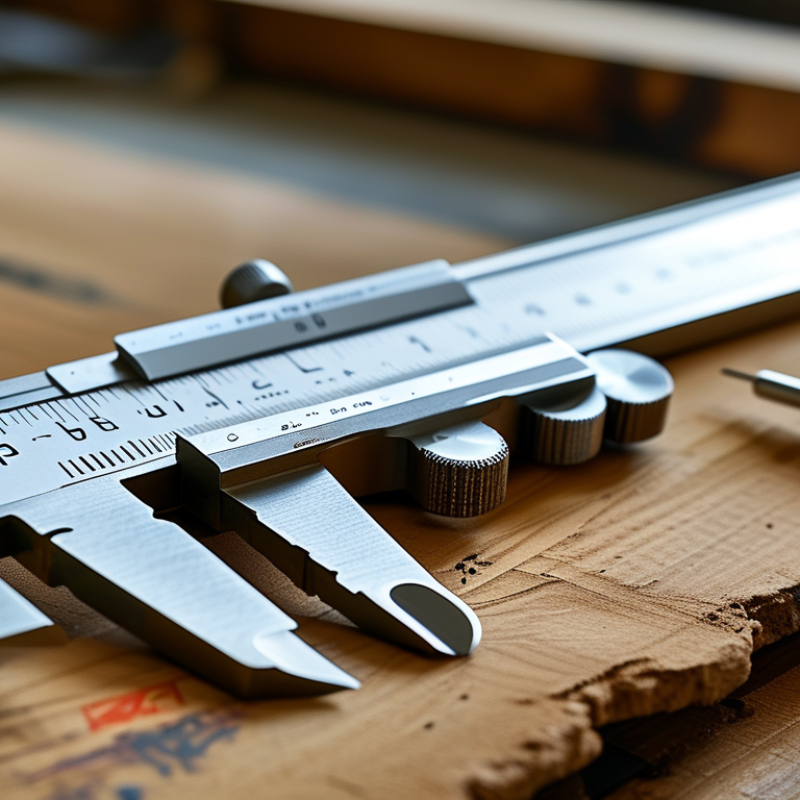
Understanding Thickness Measurement: An Overview of Instruments
Thickness measurement is critical across various industries, from manufacturing to construction. Instruments used to gauge material thickness serve a vital role in ensuring quality control and compliance with industry standards. According to the 2022 World Quality Report, accurate measurement can reduce defects by up to 30%. This highlights the significance of selecting the right tool for the task at hand.
Different thickness measurement instruments include ultrasonic, mechanical, and electromagnetic devices. Ultrasonic gauges, for instance, can measure thickness without needing access to both sides of the material. This is particularly useful for pipes and storage tanks. However, they require calibration and may be less effective on rough or corroded surfaces. In contrast, mechanical gauges provide direct readings but may not be suitable for thin materials. A 2021 report from the International Society of Automation indicated that 25% of measurement errors stem from inappropriate instrument selection.
It's crucial to evaluate the specific application and material type. Some methodologies might not be suitable for certain environments or conditions. Relying solely on one type of instrument can lead to oversight. Companies should consider a range of options to ensure they meet precise measurement needs effectively.
Key Factors to Consider When Selecting Thickness Instruments
Selecting the right thickness instrument requires careful consideration of various factors. First, accuracy is crucial. A 2021 report from the International Organization for Standardization indicated a requirement for precision within 1% for many applications. Professionals should assess whether their processes demand high precision or if tolerances can be relaxed.
Next, understanding the material being measured matters. Different materials, like metals versus composites, may require distinct measuring techniques. According to a 2022 industry survey, nearly 40% of manufacturers reported challenges with measuring thickness on non-metallic surfaces. This highlights the importance of choosing instruments that cater specifically to your material type.
User-friendly features also play a role in the selection process. Instruments with digital displays and simple interfaces can reduce the risk of human error. A comprehensive review indicated that ease of use significantly impacts measurement accuracy in 35% of cases. Furthermore, professionals should reflect on their specific use cases. Instruments that work well in one environment may not perform adequately in another, requiring ongoing evaluation and adaptation to meet evolving needs.
What is the Best Thickness Instrument for Your Needs? - Key Factors to Consider When Selecting Thickness Instruments
| Instrument Type |
Typical Thickness Range |
Accuracy |
Common Applications |
Price Range |
| Ultrasonic Thickness Gauge |
0.5mm - 300mm |
±0.1mm |
Metal, Plastic, Fiberglass |
$100 - $500 |
| Digital Caliper |
0 - 150mm |
±0.02mm |
Mechanical Parts, Woodworking |
$20 - $200 |
| Micrometer |
0 - 25mm |
±0.01mm |
Precision Measurement |
$30 - $150 |
| Handheld Thickness Gauge |
0.3mm - 200mm |
±0.05mm |
Quality Control in Manufacturing |
$150 - $800 |
| Infrared Thickness Meter |
1mm - 10mm |
±0.02mm |
Paint, Coatings |
$200 - $700 |
Comparative Analysis of Thickness Measuring Technologies: Pros and Cons
Measuring thickness accurately is crucial in various industries. Different technologies provide unique advantages. Ultrasonic thickness gauges, for instance, are non-destructive. They excel in measuring metals, plastics, and composites. According to a 2022 industry report, these gauges can measure thickness with an accuracy of ±0.1 mm. This precision makes them ideal for inspecting critical components in aerospace and automotive sectors.
In contrast, mechanical dial gauges are manually operated and simple to use. They can deliver consistent results, especially in controlled environments. However, they may introduce human error in measurements. A 2023 report revealed that 15% of measurements from manual devices had discrepancies due to operator mistakes. This uncertainty calls for careful consideration and training.
Laser thickness measurement systems have risen in popularity. They offer quick and high-precision readings. However, their effectiveness can diminish under certain conditions, such as shiny or reflective surfaces. A 2021 study indicated that up to 20% of measurements could be inaccurate on reflective materials. Users must weigh these factors when selecting the right instrument for their specific needs.
Industry Applications of Thickness Instruments: Which is Best for You?
Choosing the right thickness instrument involves understanding your industry needs. For instance, in manufacturing, precise measurements can impact product quality. According to a recent report by the International Society of Automation, nearly 70% of defects stem from inaccurate material thickness readings. This highlights the need for reliable instruments tailored to specific applications.
In the construction sector, ultrasonic thickness gauges are commonly used. They provide non-destructive testing (NDT), which is essential for assessing the integrity of materials without causing damage.
The American Society for Nondestructive Testing reported that using ultrasonic methods improved accuracy by 15% compared to traditional methods. However, learning curves exist, and operators must be adequately trained.
In the automotive industry, laser thickness gauges are gaining popularity. They offer fast and precise measurements, and according to the Society of Automotive Engineers, they can enhance efficiency by reducing inspection times by up to 30%.
Yet, these advanced instruments can be costly and may require ongoing calibration, posing challenges for smaller manufacturers. The choice of technology should align with both your budget and operational needs.
Precision and Accuracy: How Thickness Instruments Are Evaluated
Thickness instruments are crucial for various industries. Precision and accuracy are key when evaluating their performance. A well-calibrated instrument can detect thickness variations as small as 0.1 mm. For many applications, even a slight deviation can lead to significant consequences. Industrial reports suggest that errors in measurement can cost companies thousands of dollars annually.
To assess the effectiveness of a thickness instrument, accuracy refers to how close a measurement is to the true value. Precision, on the other hand, indicates repeatability. A study by the National Institute of Standards and Technology reveals that high-accuracy instruments can improve manufacturing quality by up to 25%. However, choosing an instrument is not always straightforward. Calibration and maintenance require ongoing attention. Many users overlook the importance of regular checks.
Different industries have unique requirements. For example, the aerospace sector demands stricter standards than construction. Environmental factors, such as temperature and humidity, can also affect readings. Instruments need to be selected based on specific conditions. Therefore, understanding these criteria is essential for making informed decisions.
Thickness Instruments Evaluation
This bar chart illustrates the evaluation of various thickness instruments based on their precision and accuracy ratings. Instruments are selected based on their ability to measure material thickness with minimal error across different applications.
Top Thickness Instruments on the Market: Features and Specifications
When searching for the best thickness instrument, it's crucial to evaluate the features that align with your needs. Various thickness gauges are available, each with different applications. For instance, some models offer digital displays for easier reading. Others provide analog scales, which can be preferred for quick checks in fieldwork. Choosing one with a robust design can enhance reliability, especially in demanding environments.
User feedback often highlights the importance of measuring range and accuracy. Instruments with a wider measurement range can accommodate more materials. Some thickness gauges are specifically designed for particular surfaces, like metals or plastics. Additionally, ease of calibration can reflect consistency over time. A simple calibration process can save users time and frustration.
Another consideration is portability. Some thickness gauges are compact and lightweight, ideal for on-site inspections. However, this might compromise measurement accuracy. Instruments with extra features, like memory functions to store previous measurements, can add convenience. Keep in mind that while advanced features may seem appealing, they can also complicate usage for novice users. Balancing simplicity and functionality is vital for effective operation.
Future Trends in Thickness Measurement Technology and Innovations
As technology advances, the field of thickness measurement is evolving significantly. Innovations in sensing technologies are leading the way. Ultrasonic and laser-based instruments are becoming more popular. These technologies offer high precision and non-contact measurement options. Organizations are increasingly adopting these solutions for their accuracy and versatility.
Artificial intelligence is playing a crucial role too. AI algorithms can analyze thickness data in real-time. This can enhance decision-making processes in manufacturing and quality control. However, the integration of AI brings challenges. It requires proper training and validation to ensure reliability. Not all organizations are equipped to handle these changes effectively.
Future trends also point toward miniaturization. Smaller, portable instruments are emerging. They are designed for easier use in various environments. Yet, while they offer convenience, some may lack the advanced features of larger systems. Users must assess their specific needs carefully. Choosing the right instrument is essential for optimal performance and accuracy in thickness measurement.
Advancements in X-Ray Thickness Measurement Technology: Insights from Recent Industry Reports on Rubber Calendering Precision
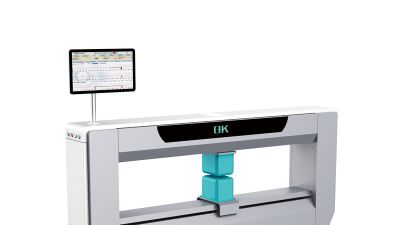
In the evolving landscape of tire production, advancements in X-ray thickness measurement technology have proven pivotal, particularly in the realm of rubber calendering precision. Recent industry reports indicate a substantial demand for enhanced quality control systems as manufacturers strive for superior product consistency. The integration of X-ray attenuation technology stands out as a game-changer, offering unparalleled accuracy in thickness detection which is crucial for ensuring optimal material usage and minimizing waste.
The ability to analyze real-time thickness curves empowers operators to make informed decisions during the calendering process. According to a survey conducted by leading industry analysts, companies that adopted advanced X-ray systems reduced material variances by up to 20%, translating directly into improved production efficiency. Moreover, comprehensive historical data analytics provide insights into production trends, enabling manufacturers to fine-tune their processes and maintain stringent quality standards over time.
Automated alarm systems further enhance operational reliability by alerting staff to deviations from preset thickness parameters. This proactive measure not only safeguards quality but also supports continuous improvement efforts within the production environment. As the demand for high-quality tires grows, embracing technological innovations in measurement will be essential for manufacturers aiming to stay competitive and meet the evolving expectations of their customer base.
FAQS
: Accuracy ensures that measurements are precise, minimizing costly errors in various applications.
Different materials require specific measuring techniques, especially non-metallic surfaces.
Digital displays and simple interfaces can help reduce measurement errors.
Errors can lead to significant costs, potentially amounting to thousands of dollars annually.
Accuracy measures closeness to true values, while precision indicates measurement repeatability.
Ongoing checks are essential for reliable performance, but many users neglect them.
Temperature and humidity can affect the accuracy of thickness measurements.
No, each instrument may perform differently based on specific environmental conditions.
Users often forget to evaluate how instruments adapt to their evolving needs.
They can improve overall manufacturing quality significantly, potentially by up to 25%.
Conclusion
Thickness instruments play a crucial role in various industries by providing precise measurements of material thickness. Understanding the various types of thickness measuring technologies is essential for selecting the right instrument for specific needs. Factors such as measurement accuracy, material compatibility, and application context significantly influence the decision-making process.
A comparative analysis highlights the pros and cons of different thickness instruments, while industry applications clarify which tools are best suited for particular tasks. Moreover, advancements in technology continue to shape the future of thickness measurement, focusing on enhancing precision and expanding functionalities. Ultimately, choosing the appropriate thickness instrument requires careful consideration of these elements to ensure optimal performance and reliability in measurements.