Leave Your Message
High-speed, 100% precision surface and inline inspection equipment engineered to comply with rigorous North American manufacturing and conversion standards.
Adapting to Industry 4.0 automation, labor constraints, and high-throughput demands across American manufacturing corridors.
Modern US conversion plants—from the Midwest manufacturing belt to the Southeastern packaging hubs—are replacing manual quality spot-checks with continuous autonomous cruising vision systems. These systems detect microscopic flaws on high-velocity roll-to-roll operations without latency.
By leveraging deep learning algorithms, automated cruise inspection eliminates false rejects caused by normal substrate variations. American facilities process clear films, multi-layered foils, and flexible electronics with sub-millimeter defect identification and localized tracking.
Rising raw material expenses and sustainability mandates (such as zero-landfill goals across US supply chains) make inline defect containment essential. Continuous cruise tracking isolates errors immediately, preventing thousands of yards of scrap material.
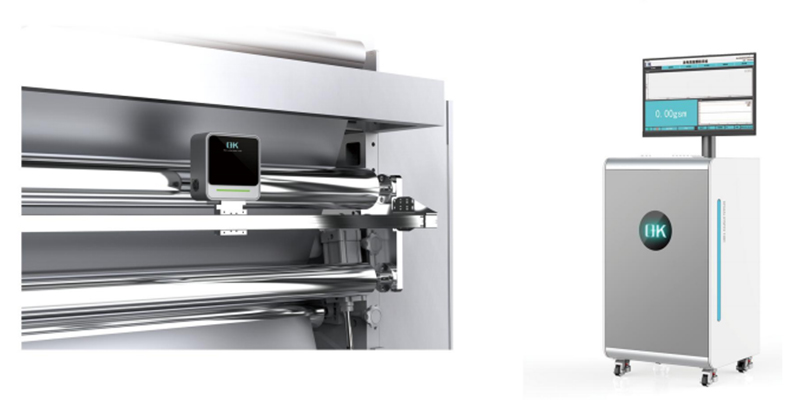
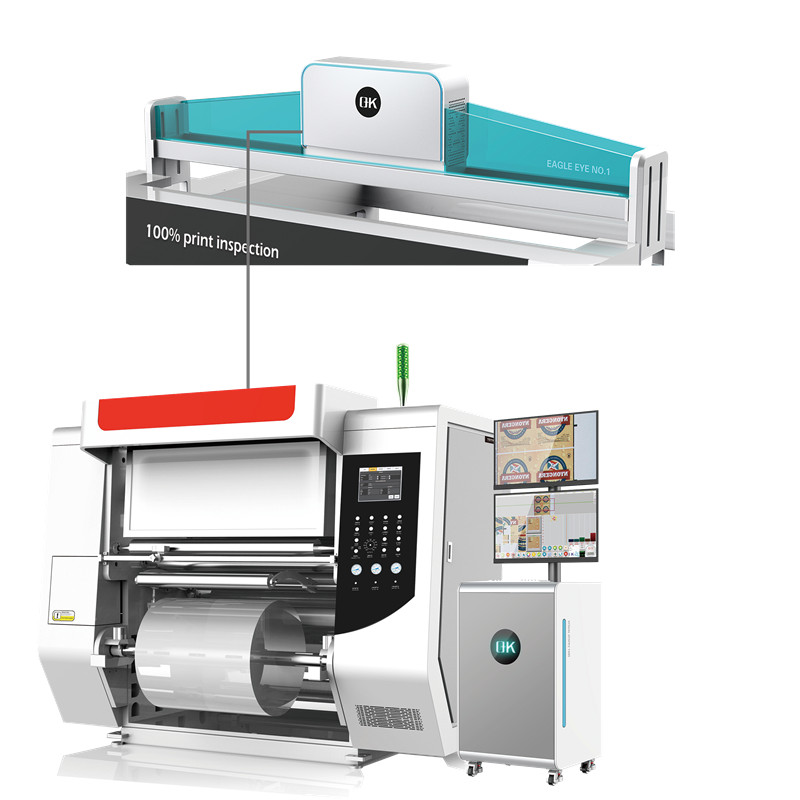
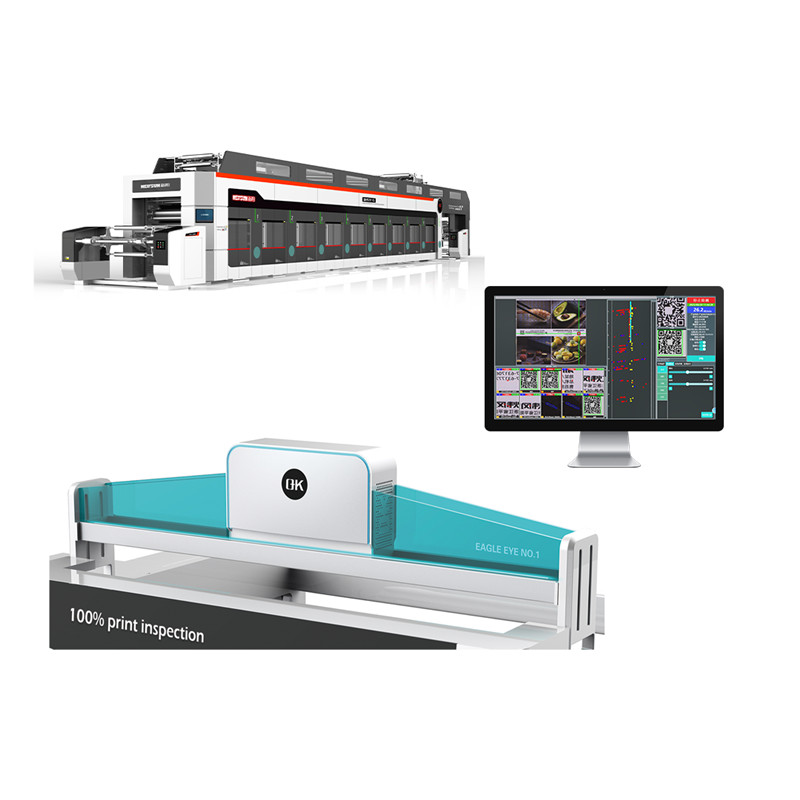
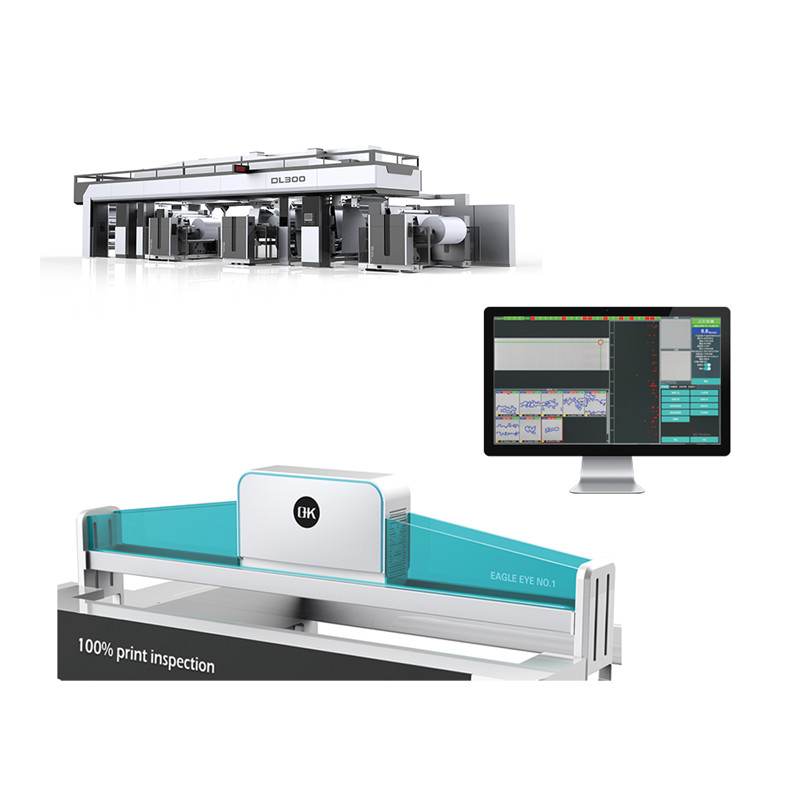
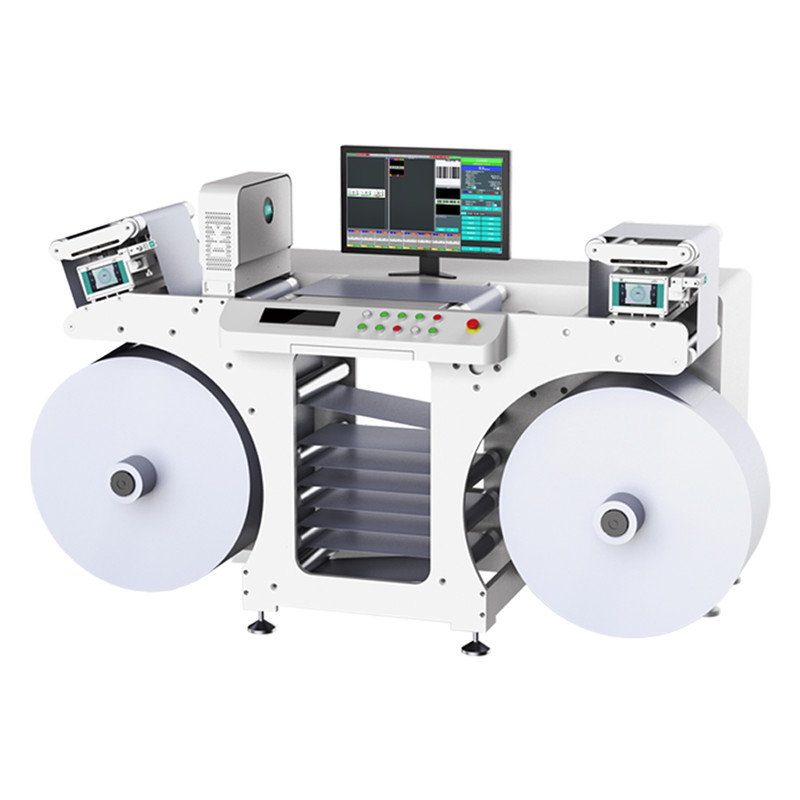
Utilizing high-resolution industrial cameras and AI algorithms, it achieves 100% full inspection of coil material surfaces, accurately identifying various defects such as scratches, stains, holes, color differences, and registration deviations. It is widely applicable to industries including printing, lithium battery, photovoltaics, and packaging, rapidly reducing defect rates and improving product quality stability across demanding North American assembly lines.
The manufacturing sector in the United States is currently undergoing a massive revitalization driven by re-shoring initiatives, automation upgrades, and strict quality compliance standards. From medical packaging facilities in California to automotive battery separator production in the American South, industrial plants operate at line speeds exceeding 400 to 1,000 meters per minute. At these extreme velocities, conventional stationary inspections or manual visual audits are ineffective. This is where modern Automatic Cruise Inspection systems offer a decisive operational advantage.
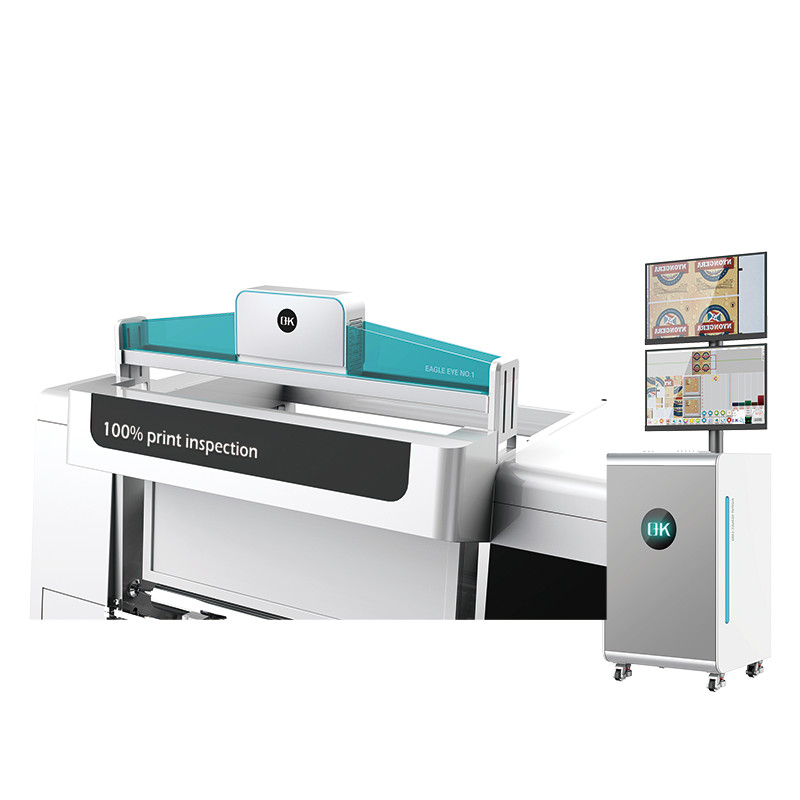
An automated cruise inspection setup integrates synchronized multi-axis servo positioning, linear motion rails, high-speed line-scan cameras, and dedicated machine vision processing engines. The system "cruises" laterally across broad webs or locks onto continuous web trajectories, inspecting critical areas dynamically while gathering microscopic surface telemetry. Whether monitoring film uniformity, detecting micro-pinholes in barrier pouches, or checking print registration on medical packaging, cruise vision solutions ensure total defect visibility.
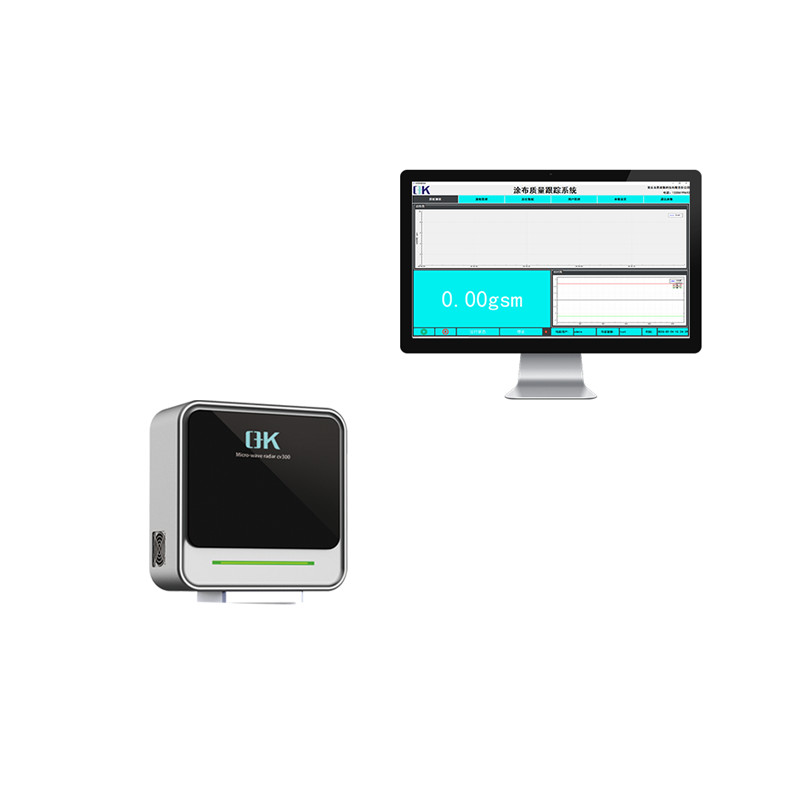
Historically, automated web inspection across American mills relied on threshold-based optical sensors that were susceptible to ambient lighting shifts and false alarms triggered by vibration or substrate transparency. Modern cruise inspection systems integrate edge-computing neural networks that distinguish harmless web chatter or dust particles from structural defects such as pinholes, gel contamination, delamination, and coating voids. Integrated micron-level radar sensors combined with high-frequency strobe illumination deliver consistent inspection accuracy under fluctuating factory conditions.
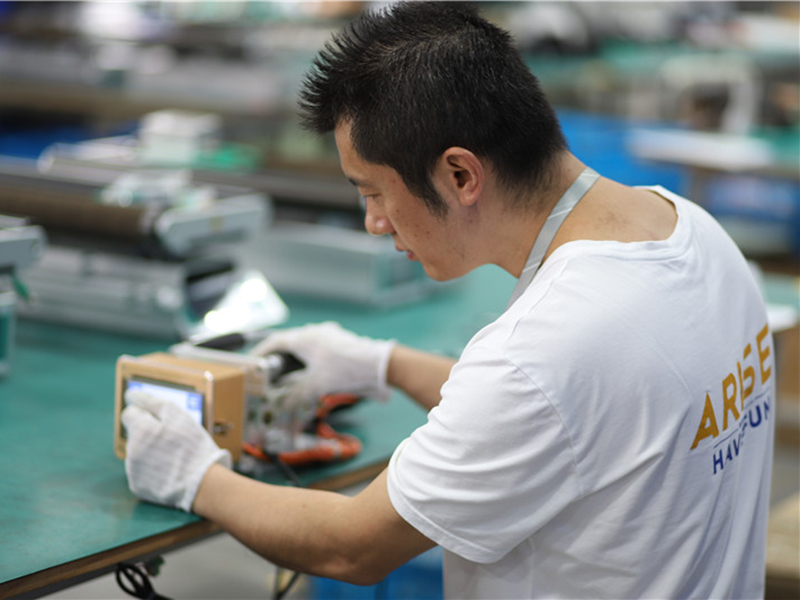
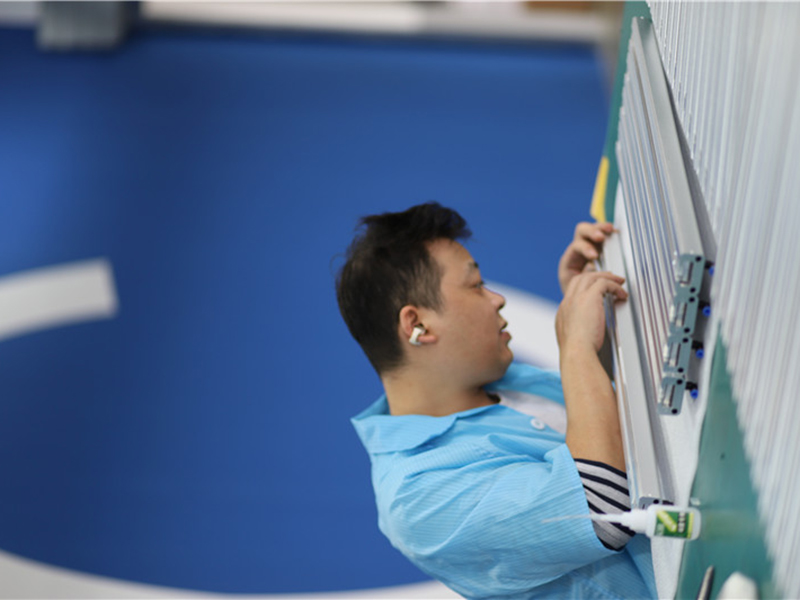
ISO-certified manufacturing infrastructure delivering industrial vision sensors, mechanical gantries, and turnkey automated inspection platforms globally.
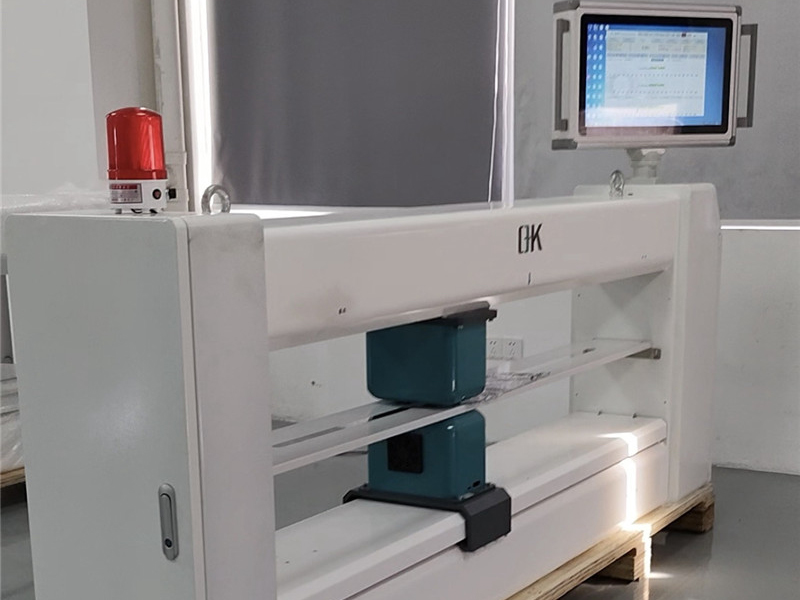
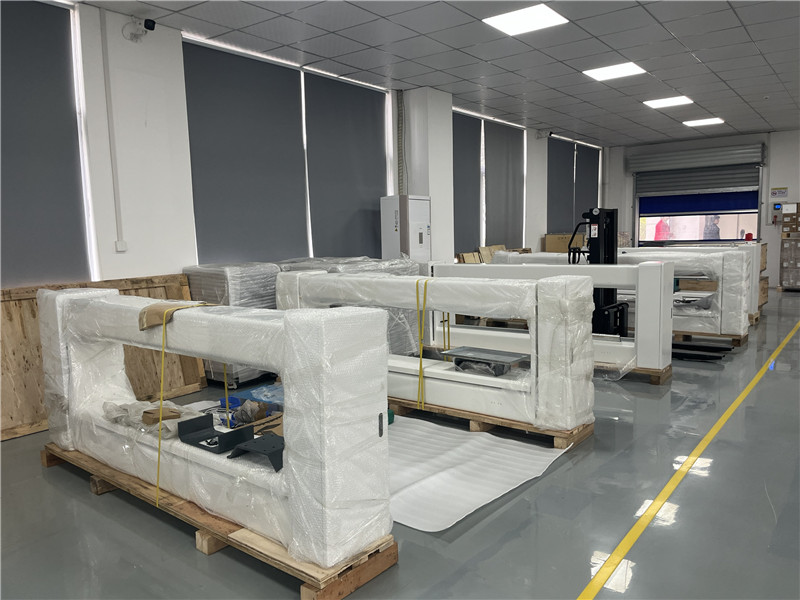
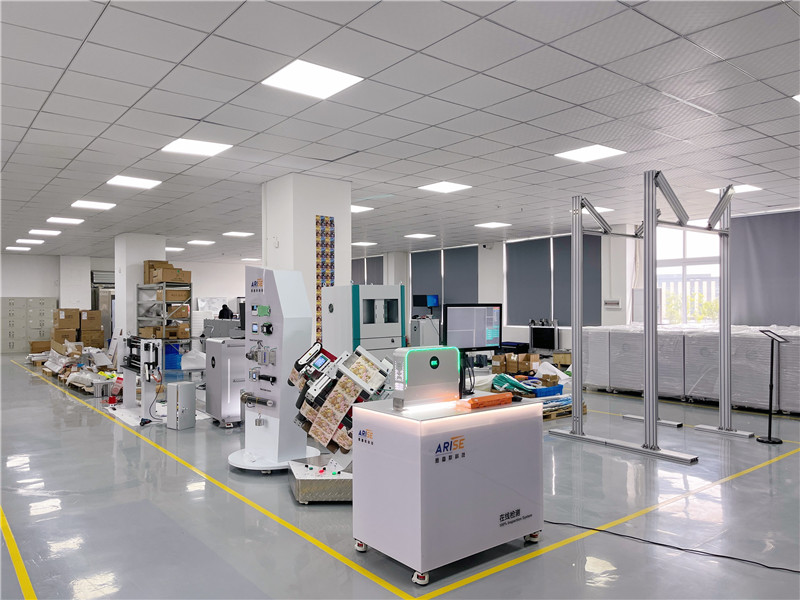
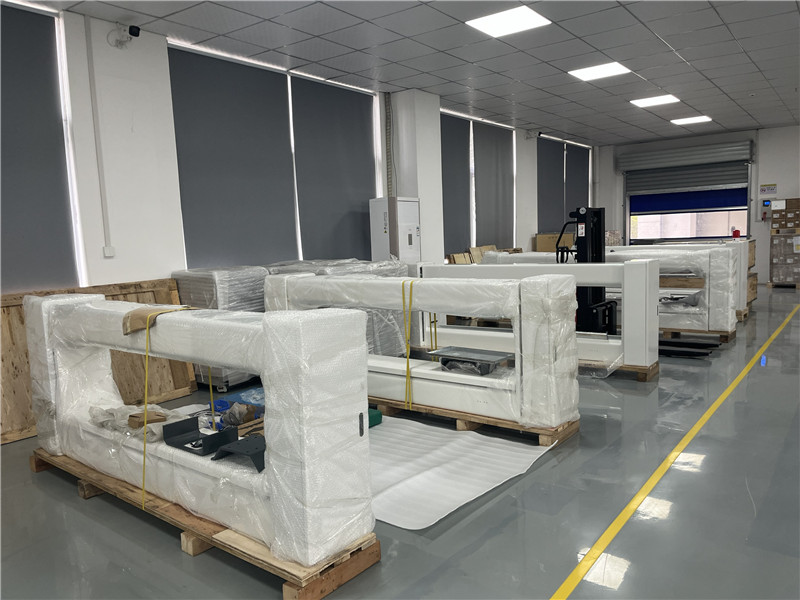
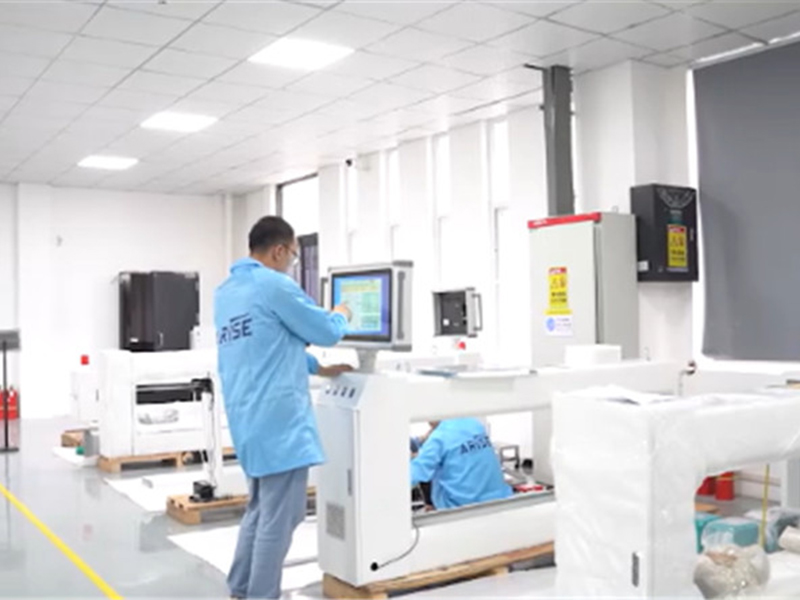
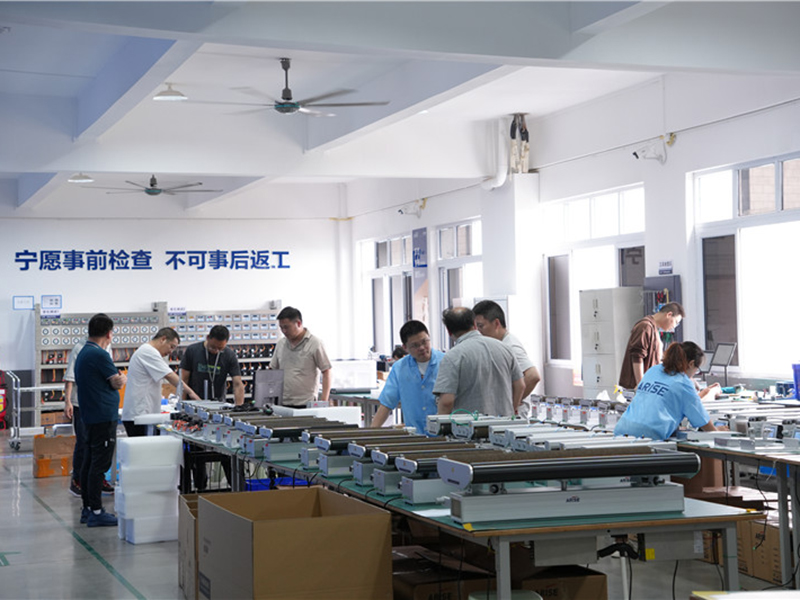
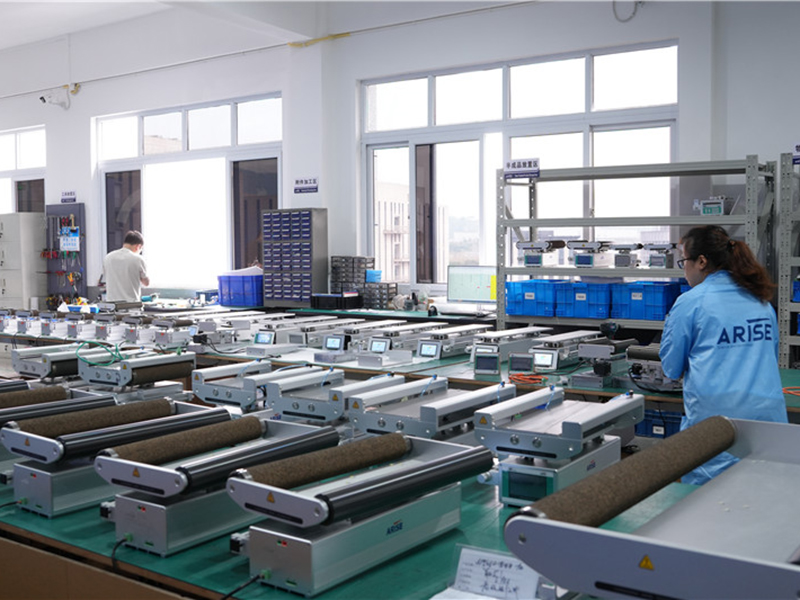
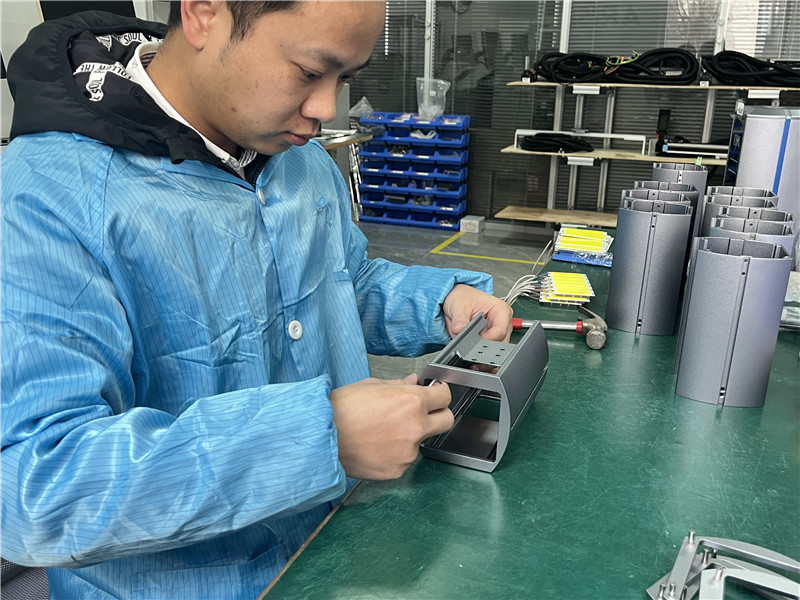
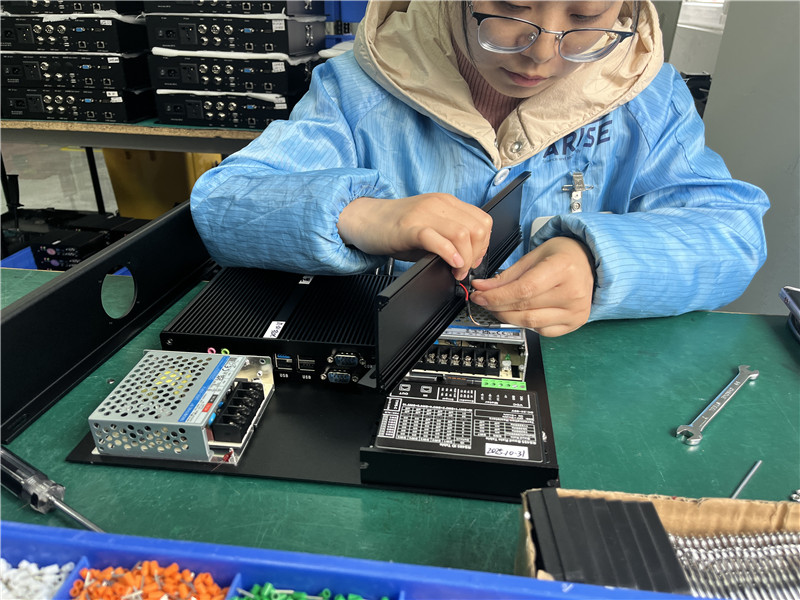
Engineered for integration with flexographic presses, slitter rewinders, extruders, and customized converting machinery across the United States.