
Leave Your Message
Explore our state-of-the-art vision inspection systems designed to meet the rigorous demands of India's fast-growing manufacturing and packaging sectors.
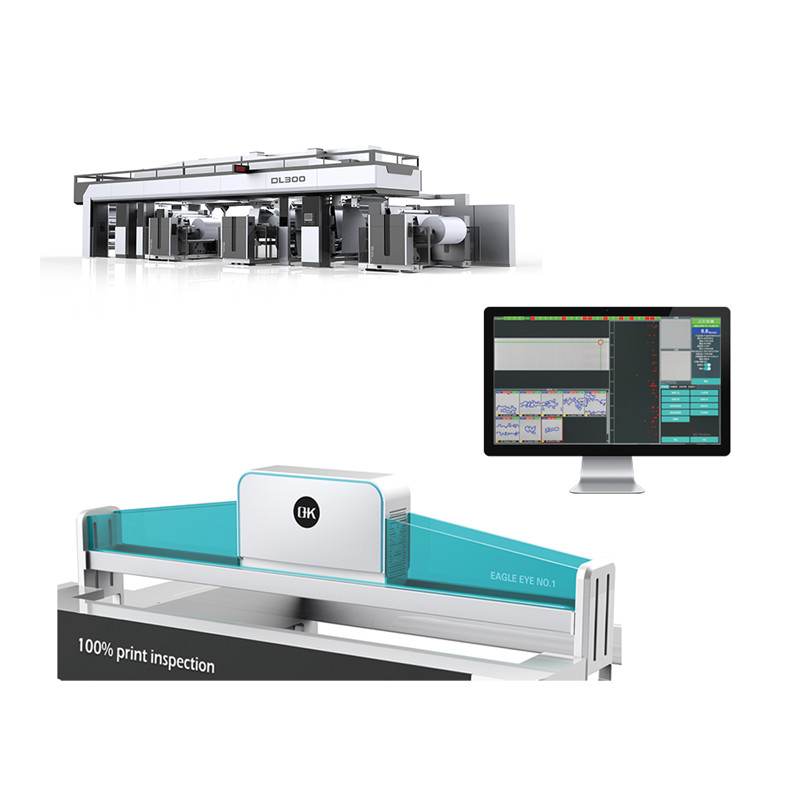
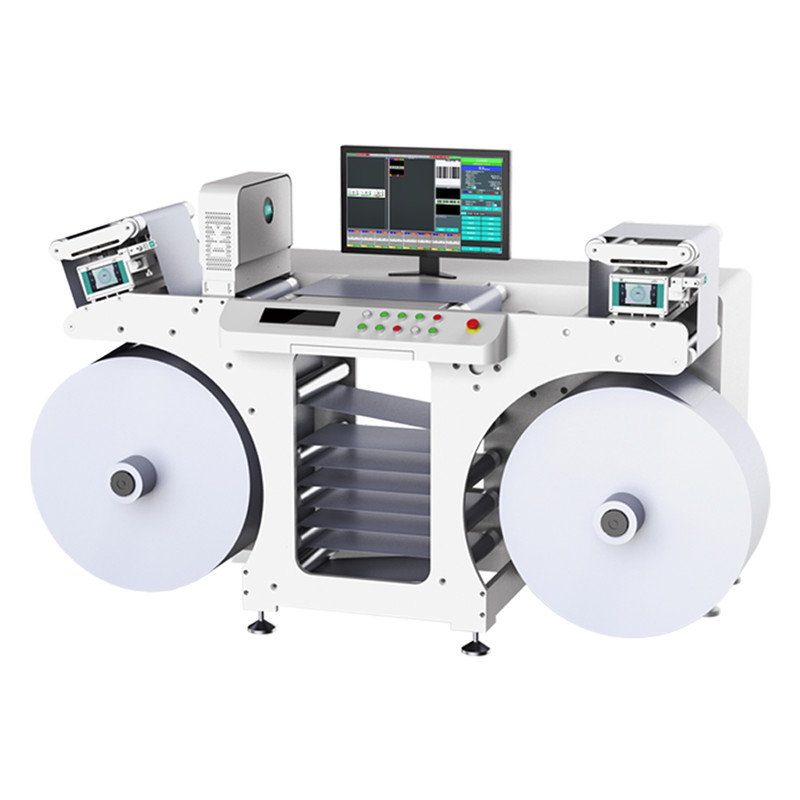
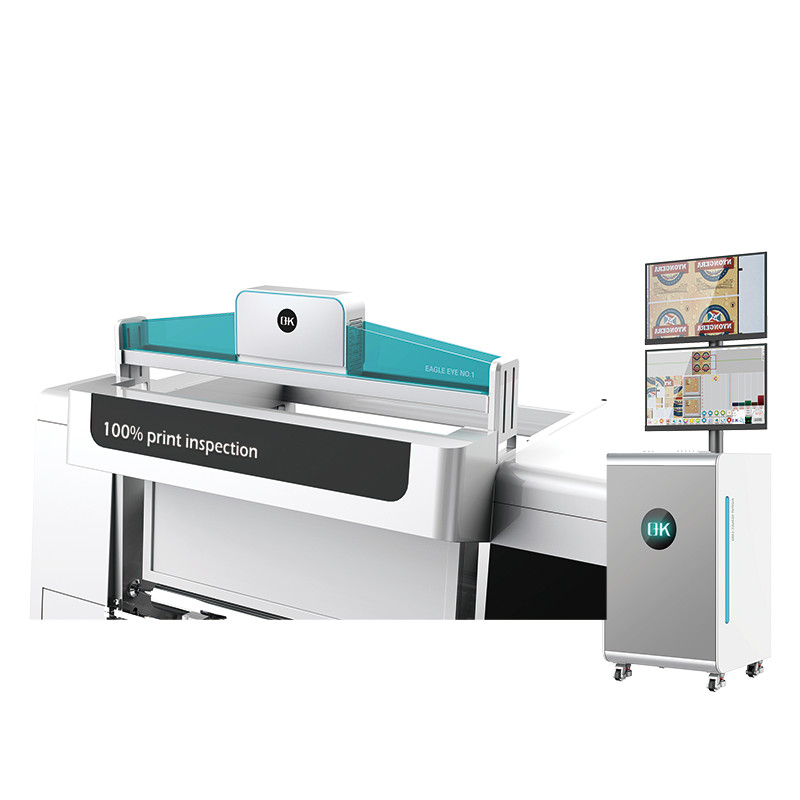
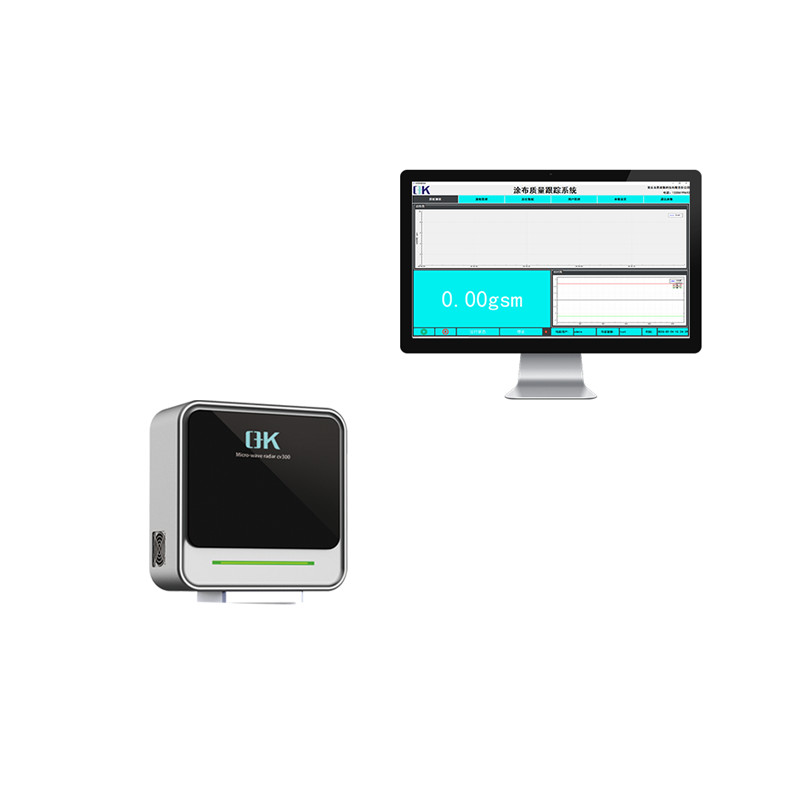
India is currently witnessing a massive transformation in its manufacturing ecosystem. Backed by the government's "Make in India" initiative, the country is rapidly evolving into a global manufacturing hub. From major automotive clusters in Pune and Chennai to electronic manufacturing hubs in Noida and Bengaluru, the demand for precision, speed, and zero-defect production is higher than ever before. This is where Automatic Cruise Inspection Systems come into play.
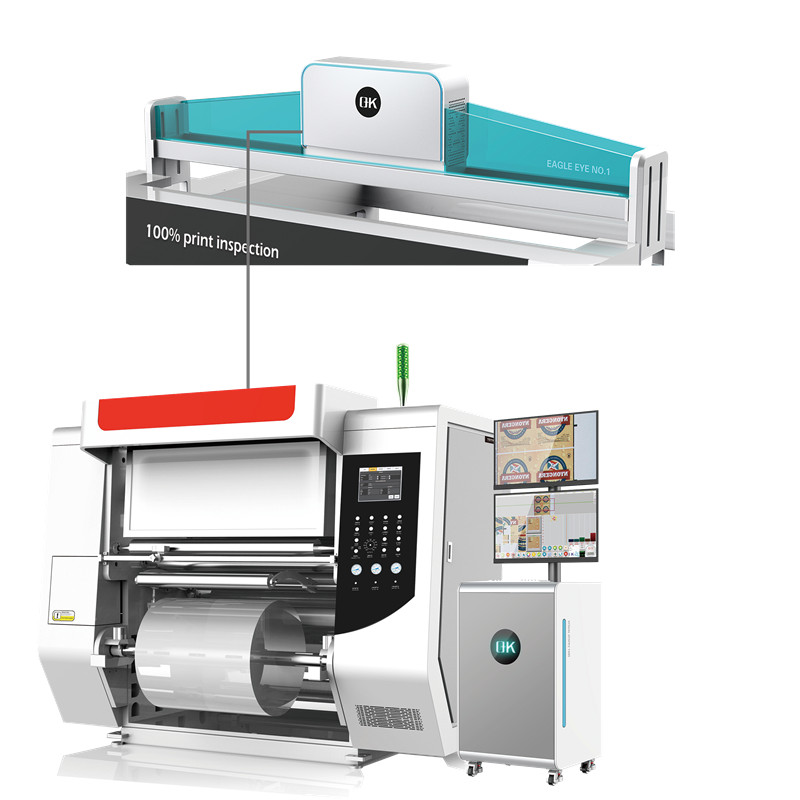
Automated cruise inspection represents the integration of high-speed industrial cameras, advanced AI algorithms, and real-time processing units to monitor continuous production lines. Unlike manual inspection, which is prone to human fatigue and errors, automatic cruise inspection ensures 100% surface quality control for materials moving at speeds of up to hundreds of meters per minute. This technology is critical for continuous roll-to-roll processes, metal stamping, film extrusion, and high-speed printing.
Eliminate human error by capturing microscopic defects in real-time across high-speed production lines.
Minimize waste and material scrap by detecting defects early in the production cycle, saving millions in raw materials.
Seamlessly feed inspection data into ERP and MES systems for comprehensive traceability and process optimization.
How automatic cruise inspection systems are solving quality control challenges in India's leading industrial sectors.
Gujarat and Maharashtra host some of the largest flexible packaging manufacturers in South Asia. These companies produce packaging materials for FMCG, food, and pharmaceuticals. High-speed flexo printing machines require continuous monitoring to prevent color deviations, registration errors, misprints, and streaks. The deployment of the OK-6000 Online Quality Inspection System for Flexo Printing Machine ensures that every millimeter of the web is inspected, preventing massive product recalls.
With India's aggressive push toward electric vehicles (EVs), lithium-ion battery manufacturing plants are scaling up rapidly in states like Tamil Nadu and Karnataka. The coating process of battery electrodes (anode and cathode) requires sub-micron level precision. Any defect, such as pinholes, scratches, or uneven coating, can cause short circuits or battery failure. Systems like the CTS 3.0 Dual Detection Coating Quality Tracking System combine micron-level radar and visual inspection to ensure flawless coating thickness and surface integrity.
Paper mills and non-woven fabric manufacturers in India face the challenge of maintaining color consistency and identifying contaminants, holes, and spots. Our OK-6000 Online Quality Inspection System for Pure Color Material is tailored specifically to detect minute surface anomalies on continuous, single-color webs, ensuring that Indian manufacturers meet international export standards.
For electronic components and industrial shielding, metal foils must be free of surface contamination and physical deformation. Automated cruise inspection systems scan the metallic surface under specialized lighting to distinguish between harmless dust and critical defects like dents or oxidation spots.
In the full-process quality control solution for coil materials, Chongqing ARISE relies on its self-developed core algorithms and industrial-grade hardware platform to create a full range of intelligent inspection product matrix covering "surface defect detection, online thickness management, printing quality traceability, and coating process monitoring". It provides customers with closed-loop quality control capabilities from the production front end to the back end.
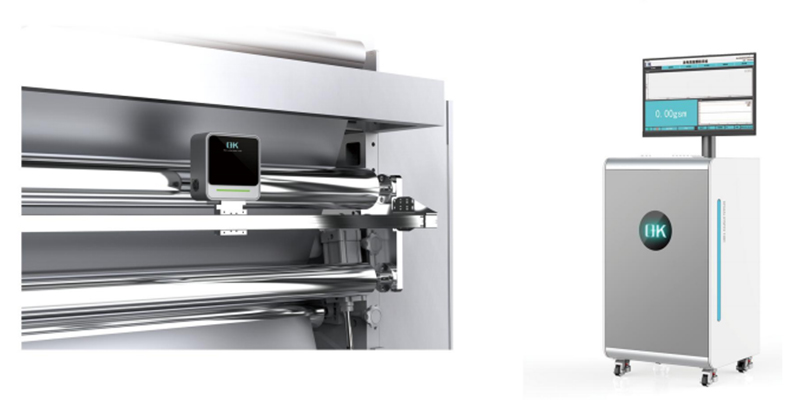
Utilizing high-resolution industrial cameras and AI algorithms, it achieves 100% full inspection of coil material surfaces, accurately identifying various defects such as scratches, stains, holes, color differences, and registration deviations. It is widely applicable to industries including printing, lithium battery, photovoltaics, and packaging, rapidly reducing defect rates and improving product quality stability.
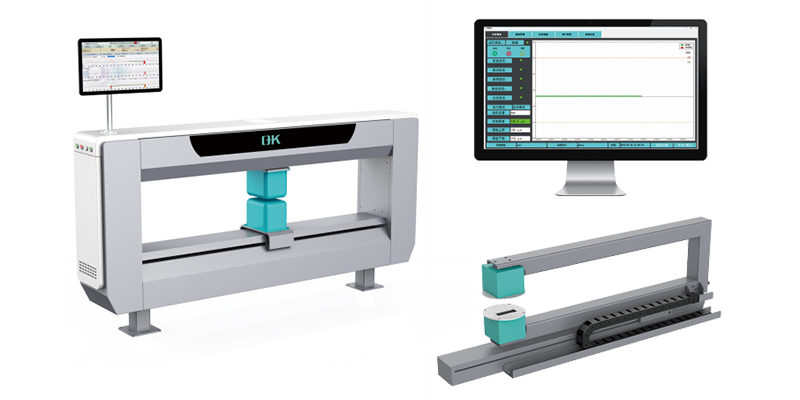
Engineered for internal structural analysis and thickness verification, our X-ray online inspection system penetratively monitors density variations and internal defects in real-time. Ideal for multi-layered laminates, battery electrodes, and high-density industrial sheets where surface cameras cannot see.
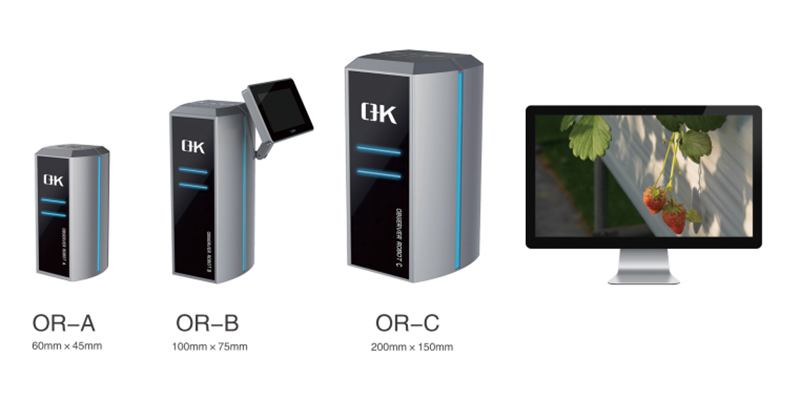
Provides ultra-clear, stabilized matrix capture of moving webs at extreme speeds. This system allows operators to inspect intricate print patterns and micro-defects on a static display without stopping or slowing down the production line, ensuring high efficiency and zero downtime.
Our flagship integration of micron-level radar sensor technology and optical imaging. Designed to deliver unparalleled precision in tracking coating weight, wet/dry thickness, and uniformity for lithium battery separators, optical films, and specialty papers.
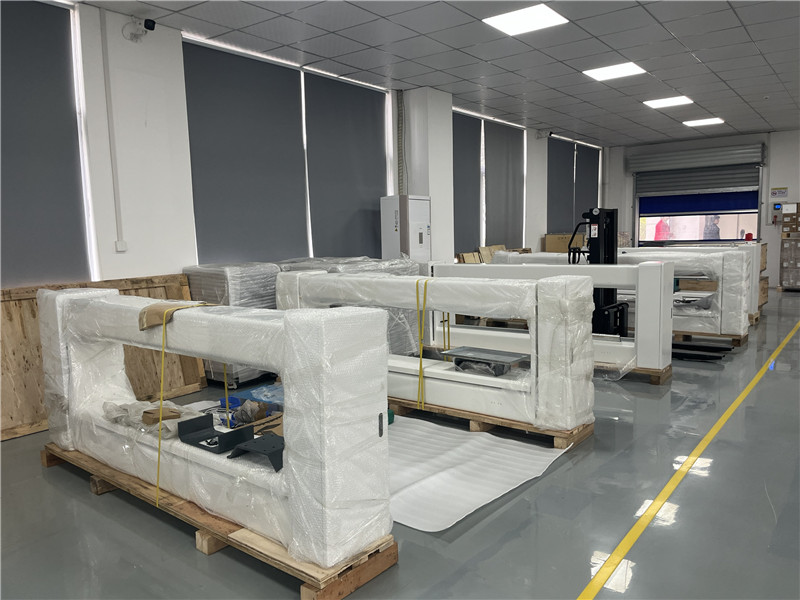
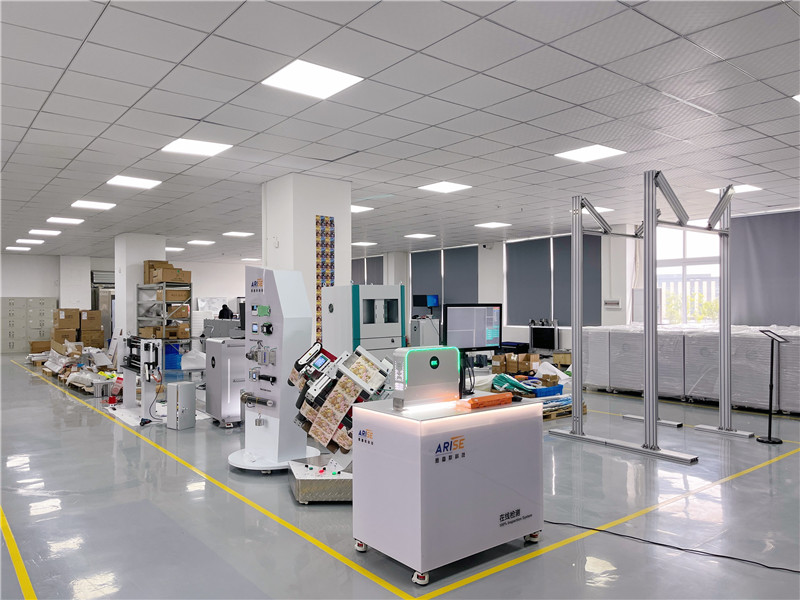
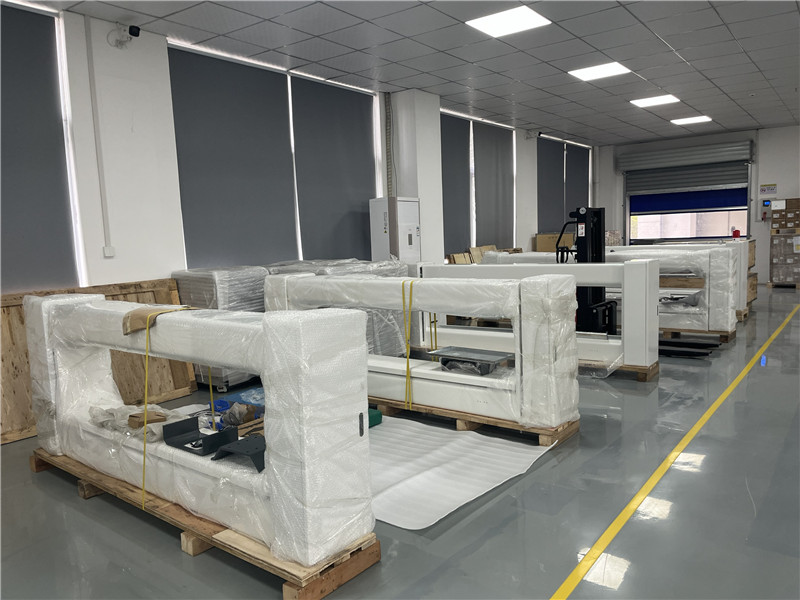
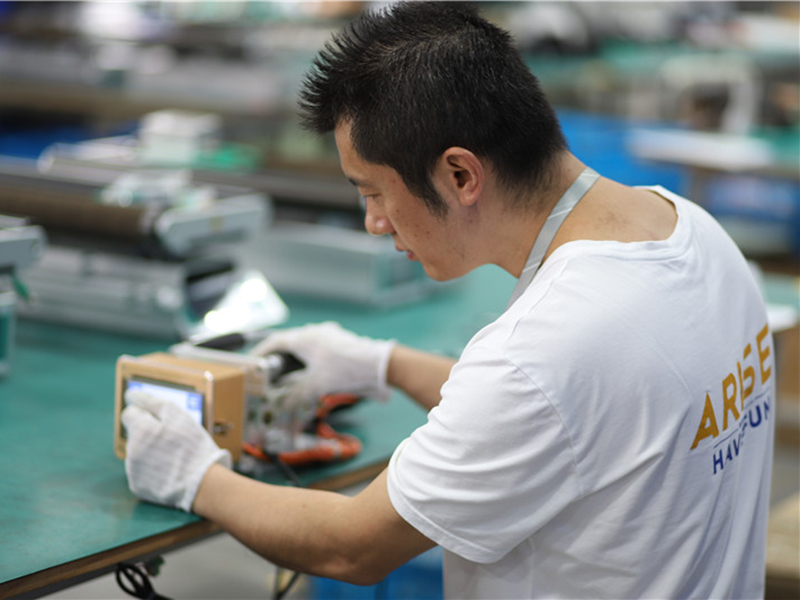
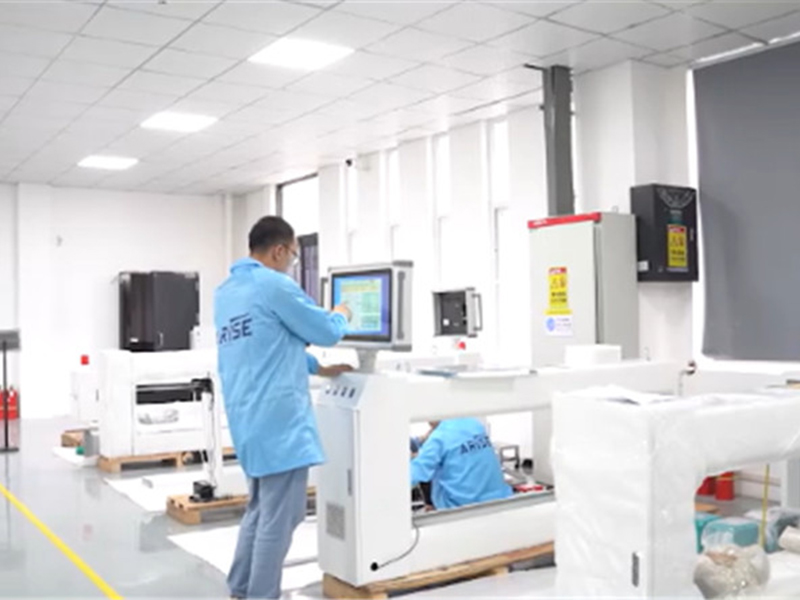
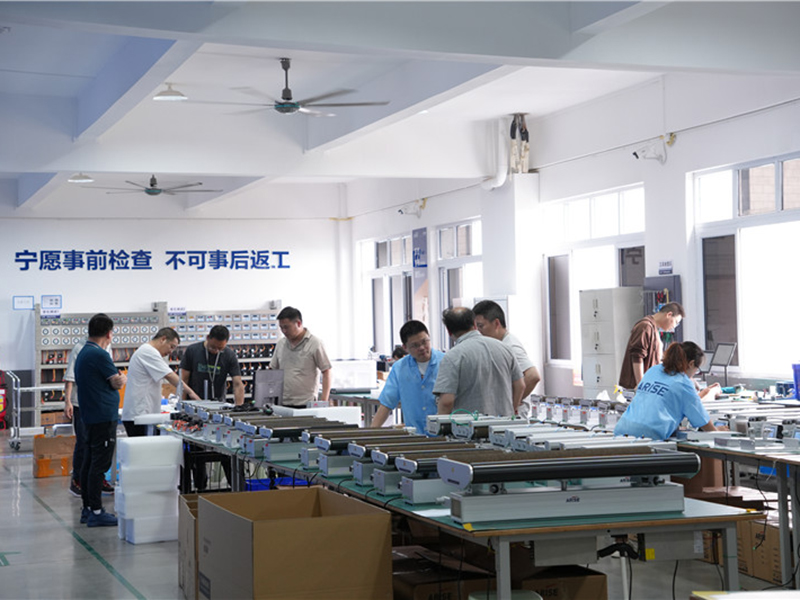
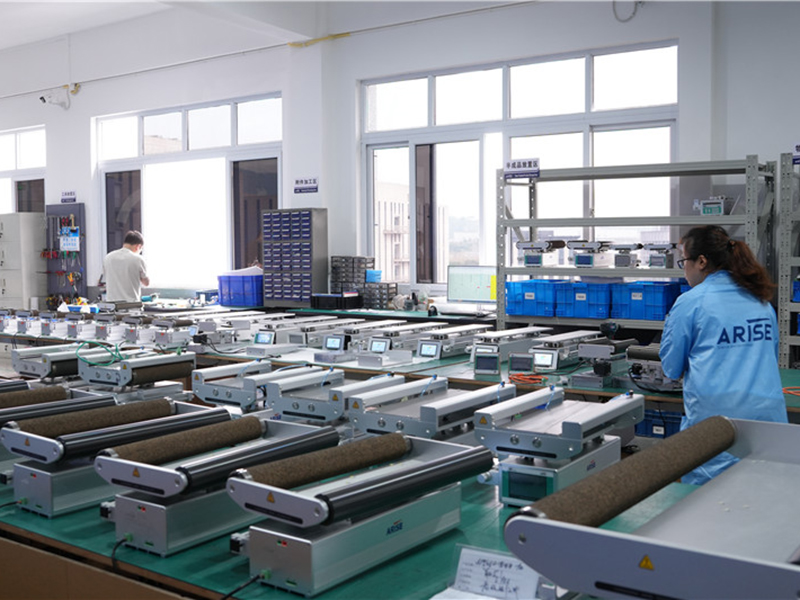
Take a look inside our state-of-the-art production floors where high-precision optical equipment and inspection systems are assembled and calibrated.
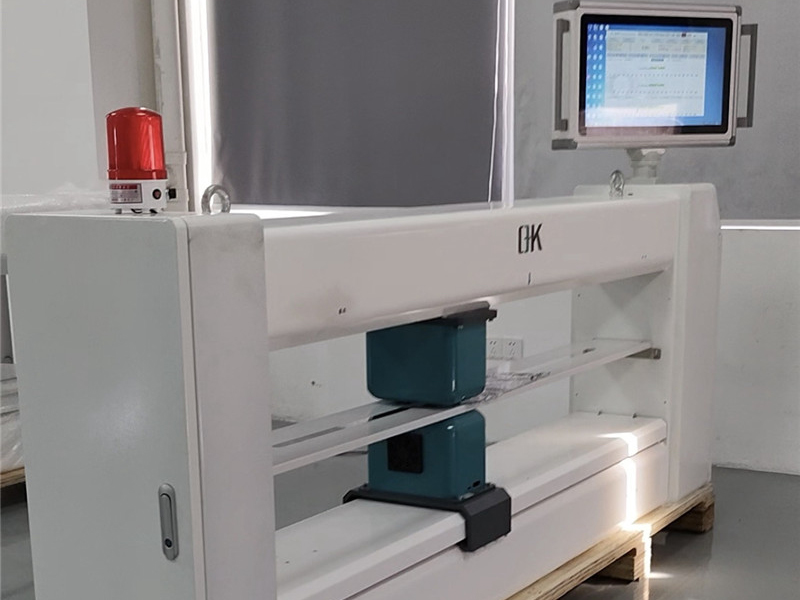

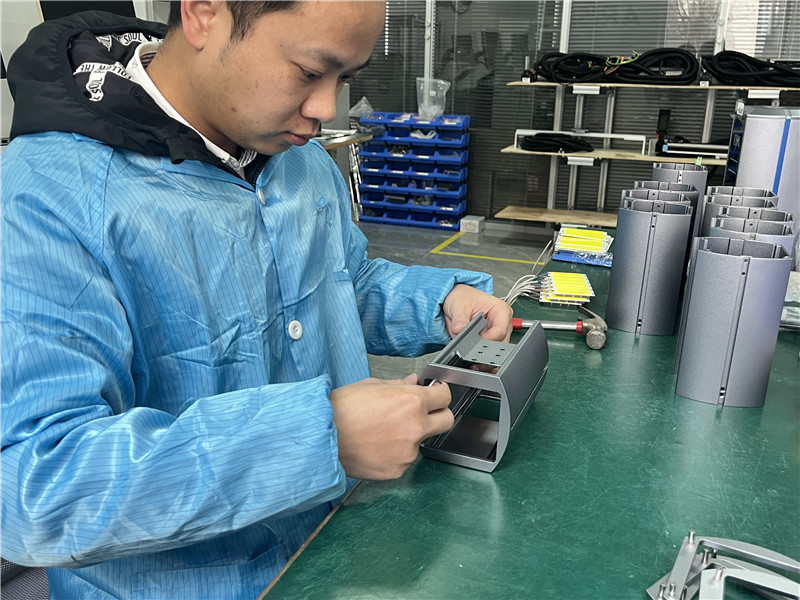
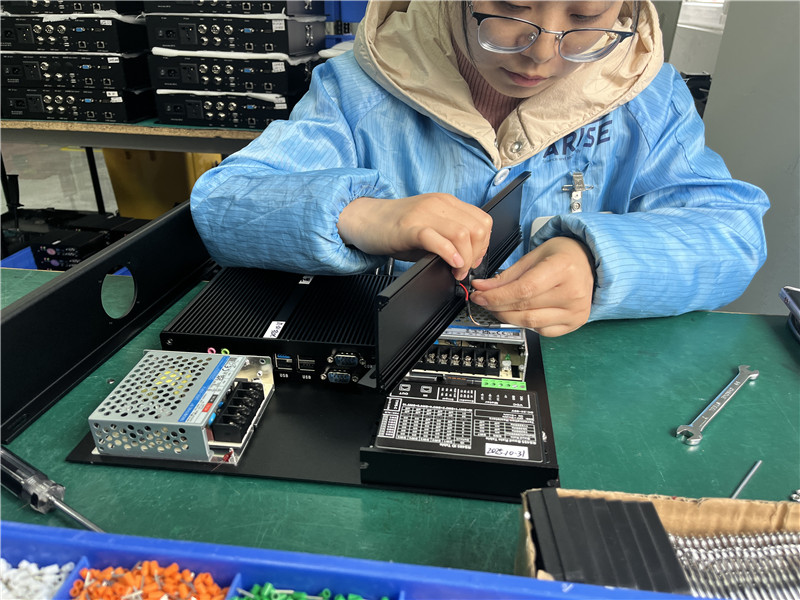
Staying ahead of the curve with emerging technologies in automated optical inspection (AOI) for Indian manufacturers.
Traditional vision inspection systems relied on rule-based algorithms, which struggle to distinguish between non-critical surface variations (like static dust or water spots) and actual structural defects (like scratches or pinholes). Modern automatic cruise inspection systems utilize deep neural networks (CNNs) that learn from defect libraries. This AI-driven approach enables the system to classify defects automatically, helping operators in Indian manufacturing plants determine the root cause of issues instantly.
With processing speeds reaching gigabits of data per second, moving image data to a centralized cloud server is impractical due to latency. Modern systems deploy edge computing hardware—equipped with powerful GPUs—directly on the factory floor. This allows the system to make real-time decisions, trigger alarms, or mark defects on rewinding machines without causing any lag in production.
For complex coatings and high-precision laminates, visual cameras alone are insufficient. The trend is moving towards hybrid systems that combine optical cameras with micron radar or thickness sensors. By tracking both surface appearance and sub-surface thickness simultaneously, manufacturers achieve an unprecedented level of quality control, minimizing raw material waste and maximizing throughput.
Under the paradigm of Industry 4.0, inspection systems are no longer isolated monitoring tools. They serve as the "eyes" of the production line. When a repetitive defect is detected, the inspection system sends a feedback signal to the primary extruder, printer, or coater to auto-adjust parameters (such as tension, temperature, or ink flow), establishing a self-correcting closed-loop system.
Browse our comprehensive range of online and offline quality inspection solutions tailored for high-speed manufacturing lines in India.
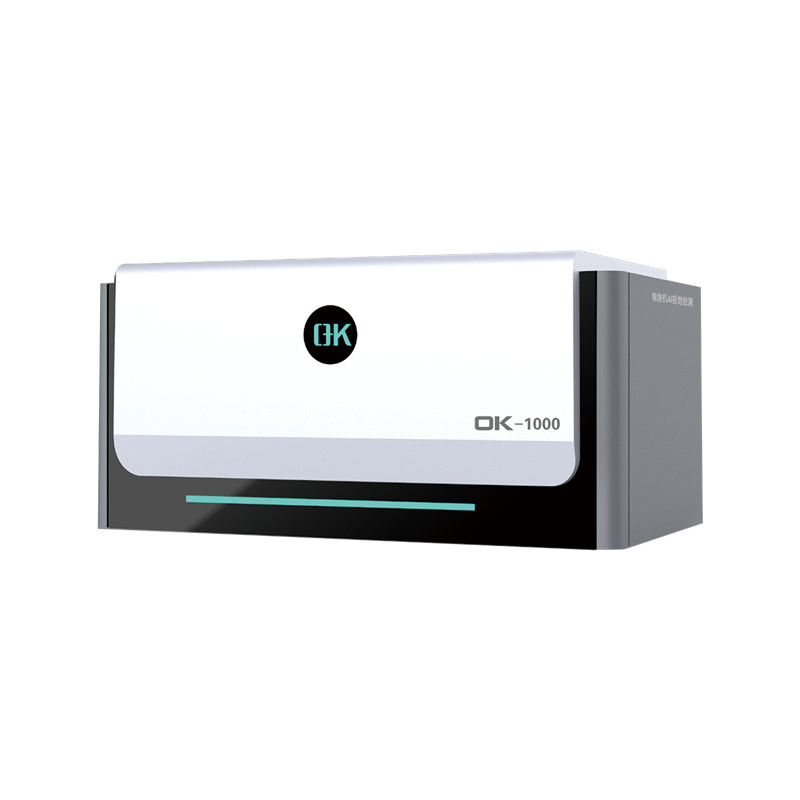
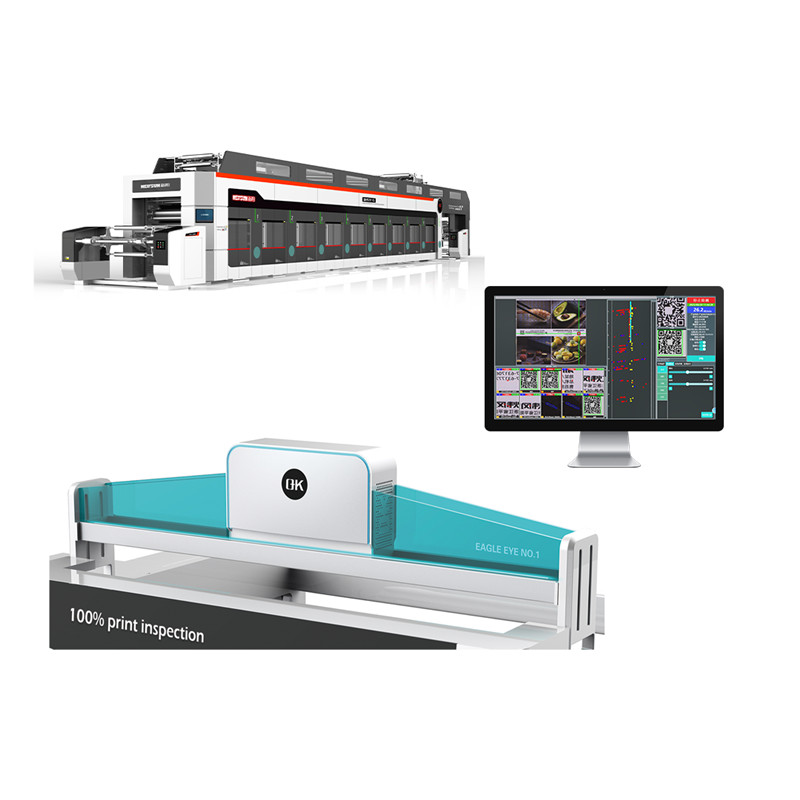
Get answers to the most common questions regarding Automatic Cruise Inspection Systems and their implementation in India.